

 English
 Deutsch
 简体中文
简体中文
Author: FTM
Date: May 06, 2026
Brass Die Casting Parts: Process, Properties & Applications
What Are Brass Die Casting Parts?
Brass die casting parts are precision metal components produced by injecting molten brass alloy under high pressure into hardened steel molds (dies), then allowing it to solidify into a net-near-shape part. The result is a dimensionally accurate, structurally dense component that combines brass's inherent corrosion resistance, electrical conductivity, and machinability with the repeatability and efficiency of high-pressure die casting.
Brass die casting is used across plumbing, electrical, automotive, marine, and decorative hardware industries to produce parts ranging from valve bodies and fittings to connector housings and ornamental hardware. Typical part weights range from a few grams to approximately 5 kg, with wall thicknesses as thin as 0.8 mm achievable in well-designed tooling.
The key advantage over sand casting or forging is the combination of tight dimensional tolerances — typically ±0.05 to ±0.1 mm on critical features — with production cycle times as short as 30 to 90 seconds per shot, making it highly cost-effective for medium to high production volumes.
The Brass Die Casting Process: Step by Step
Understanding how brass die casting parts are manufactured helps buyers specify parts correctly and anticipate design constraints.
- Alloy preparation: Brass ingots or returns are melted in a furnace at approximately 900–950°C (1,650–1,740°F). Alloy composition is verified by spectrometric analysis to ensure copper-to-zinc ratios and trace element levels meet specification before casting begins.
- Die preparation: The hardened H13 tool steel die is preheated to 150–250°C and sprayed with a release agent to prevent soldering (adhesion of brass to the die surface) and to aid ejection of the finished part.
- Injection: Molten brass is ladled or automatically transferred into the shot sleeve of a hot-chamber or cold-chamber die casting machine. The plunger injects the metal into the die cavity at pressures typically between 10 and 70 MPa (1,450–10,000 psi) for brass alloys.
- Solidification: The brass fills the cavity and solidifies within 5 to 30 seconds depending on part geometry, wall thickness, and die cooling design. Water-cooled channels in the die accelerate this phase.
- Ejection: Once solid, the die opens and ejector pins push the part out of the cavity. The part is still hot at this stage and is quenched or air-cooled on a conveyor.
- Trimming and finishing: Flash (thin fins of excess metal at parting lines) is removed by trimming dies, tumbling, or manual deburring. Secondary operations such as CNC machining, drilling, tapping, and surface finishing are performed as required.
- Inspection: Dimensional checks using CMM (coordinate measuring machine), visual inspection, and leak testing for fluid-handling parts are performed before shipment.
Hot Chamber vs. Cold Chamber for Brass
Brass die casting is performed almost exclusively on cold-chamber machines because brass's melting temperature (~900°C) is too high for the submerged injection systems of hot-chamber equipment. In cold-chamber casting, each shot is manually or automatically ladled from an external furnace, which adds a few seconds per cycle but is the only viable option for high-zinc brass alloys.
Brass Alloys Used in Die Casting: Grades and Compositions
Not all brass alloys are equally suitable for die casting. The most castable grades are high-zinc brasses (also called yellow brasses) that have good fluidity and reasonable solidification ranges. The table below summarizes the most widely used die casting brass grades.
| Alloy / UNS No. | Cu % | Zn % | Other Elements | Key Characteristics |
|---|---|---|---|---|
| C85700 (Yellow Brass) | 58–64 | Bal. | Sn, Pb ≤1% | Excellent fluidity, good general casting alloy |
| C36000 (Free-Cutting Brass) | 60–63 | Bal. | Pb 2.5–3.7% | Superior machinability; ideal for threaded fittings |
| C37700 (Forging Brass) | 58–61 | Bal. | Pb 1.5–2.5% | Good strength and castability balance |
| C46400 (Naval Brass) | 59–62 | Bal. | Sn 0.5–1.0% | Enhanced seawater corrosion resistance |
| Lead-Free Brass (e.g., C69300) | ~76 | Bal. | Si ~3%, Pb <0.09% | NSF 61 / drinking water compliance |
Lead-free brass alloys have become increasingly important as regulations such as the U.S. Safe Drinking Water Act amendment (2014) and the EU RoHS Directive restrict lead content in potable water components to less than 0.25% weighted average. Silicon-brass and bismuth-brass grades now dominate new plumbing product development.
Key Properties of Brass Die Casting Parts
The material properties of die cast brass make it a compelling choice across many engineering applications. The following properties are characteristic of standard yellow brass die castings (C85700 class):
| Property | Typical Value | Significance |
|---|---|---|
| Tensile Strength | 310–380 MPa | Suitable for moderate structural loading |
| Yield Strength | 140–200 MPa | Good resistance to permanent deformation |
| Hardness | 60–80 HRB | Wear resistance for valve seats and threads |
| Density | 8.4–8.7 g/cm³ | Heavier than aluminum; solid, premium feel |
| Electrical Conductivity | 26–28% IACS | Suitable for electrical connectors and terminals |
| Thermal Conductivity | 109–121 W/m·K | Effective heat dissipation in thermal applications |
| Corrosion Resistance | Excellent (water, mild acids) | Long service life in plumbing and marine use |
| Machinability Rating | 80–100% (vs. C36000 = 100%) | Low tool wear in secondary CNC operations |
Advantages of Brass Die Casting Over Alternative Manufacturing Methods
Brass die casting competes with sand casting, investment casting, forging, and CNC machining from bar stock. Each method has its place, but die casting offers a distinct combination of advantages for the right applications.
vs. Sand Casting
Sand casting produces brass parts with surface roughness of Ra 6.3–25 μm and dimensional tolerances of ±0.5 to ±1.5 mm. Die casting achieves Ra 0.8–3.2 μm and tolerances of ±0.05–0.1 mm — a tenfold improvement in both metrics. Die casting also produces parts at dramatically higher cycle rates, making it more economical for volumes exceeding approximately 1,000 parts per year.
vs. CNC Machining from Bar Stock
For complex geometries — internal passages, undercuts, intricate external features — die casting eliminates extensive machining time and material waste. A brass fitting machined from bar stock may generate 40–60% material waste as chips. A die cast near-net-shape version of the same part might require only light drilling and tapping, reducing material cost and machining time by 50–70% at scale.
vs. Zinc Die Casting
Zinc die casting is faster and cheaper per part at very high volumes, but brass offers significantly higher strength, corrosion resistance, and temperature performance. Brass retains its mechanical properties up to approximately 200°C, while zinc alloys begin to lose strength above 100°C. For plumbing, hot water systems, and outdoor applications, brass is the engineering-superior choice despite its higher material cost.
vs. Aluminum Die Casting
Aluminum is lighter (2.7 g/cm³ vs. brass at 8.5 g/cm³) and less expensive per kilogram. However, brass offers superior thread strength, electrical conductivity, and corrosion resistance in water environments. For electrical connectors, fluid fittings, and decorative hardware where weight is not the primary constraint, brass die casting outperforms aluminum in service life and surface quality.
Industries and Applications for Brass Die Casting Parts
Brass die casting parts serve a remarkably broad range of industries due to brass's unique combination of properties. The following are the most significant application areas:
Plumbing and Water Systems
This is the single largest market for brass die casting. Parts include valve bodies, gate valves, ball valves, check valves, pipe fittings, compression fittings, meter housings, and hose bibs. The corrosion resistance of brass in both hot and cold potable water environments makes it the default material for residential and commercial plumbing infrastructure. A typical residential construction project uses 30–80 brass fittings and valves, most of which are die cast or forged.
Electrical and Electronics
Brass die casting parts are used extensively in electrical connectors, terminal blocks, switch housings, conduit fittings, grounding lugs, and cable glands. Brass's combination of 28% IACS electrical conductivity, corrosion resistance, and thread formability makes it preferred over steel for grounding and bonding hardware. The global electrical connector market consumes hundreds of millions of brass components annually.
Automotive and Transportation
Automotive applications include fuel system fittings, hydraulic line connectors, radiator drain plugs, sensor housings, HVAC valve components, and transmission oil cooling fittings. Brass is favored for fluid-handling components because it resists both fuel and coolant corrosion and maintains leak-tight thread engagement over long service intervals. A typical passenger vehicle contains 15–40 brass components in its fluid and electrical systems.
Marine and Offshore
Naval brass (C46400) die casting parts — seacocks, through-hull fittings, impeller housings, and deck hardware — are standard on commercial and recreational vessels. Brass outperforms most ferrous metals in salt spray resistance. Marine-grade brass components must pass ASTM B117 salt spray testing at 500+ hours without significant corrosion for certification in marine applications.
Decorative Hardware and Furniture
Door handles, hinges, locks, cabinet pulls, lighting fixtures, and furniture hardware are frequently produced as brass die casting parts for their aesthetic warmth, weight, and finishing versatility. Die casting allows intricate decorative profiles — knurling, fluting, embossing — to be produced in the die itself at no additional per-part cost, unlike machined alternatives.
Industrial Equipment and Pneumatics
Pneumatic fittings, manifold blocks, pressure regulators, solenoid valve bodies, and flow control components are commonly made from brass die casting. The material's machinability allows post-cast drilling of precision passages, and its corrosion resistance ensures reliable operation with both dry and lubricated air systems.
Design Guidelines for Brass Die Casting Parts
Effective brass die casting design requires understanding the process constraints that affect fill quality, ejection, and dimensional accuracy. The following guidelines apply to most brass die casting applications:
- Wall thickness: Maintain uniform wall thickness of 1.5–4 mm where possible. Minimum achievable wall is approximately 0.8 mm in thin sections; thick sections above 6 mm risk porosity from slow solidification.
- Draft angles: Apply a minimum of 1–2° draft on all walls parallel to the die draw direction to allow clean part ejection without surface scoring. Textured surfaces require 3–5° or more.
- Fillets and radii: Use a minimum internal radius of 0.5 mm and external radius of 1.0 mm at all corners. Sharp internal corners concentrate stress and create die erosion hotspots that shorten tooling life.
- Undercuts: Avoid undercuts in the primary draw direction where possible. Necessary undercuts require side-actions (sliding cores) in the die, adding tooling cost of $500–$3,000 per side-action depending on complexity.
- Holes and cores: Through-holes in the die-draw direction are formed by fixed cores at no extra cost. Holes perpendicular to draw require side-pulls. Minimum cast hole diameter is approximately 1.5 mm; smaller holes should be post-drilled.
- Ribs and bosses: Rib thickness should not exceed 60–70% of the adjacent wall thickness to prevent sink marks. Boss diameter should be at least 2× the wall thickness for adequate fill and thread strength.
- Parting line placement: Position the parting line at the largest cross-section of the part where possible, and at a location that minimizes visible flash on functional or aesthetic surfaces.
Surface Finishing Options for Brass Die Casting Parts
One of brass die casting's significant advantages is its compatibility with a wide range of surface treatments, both functional and decorative.
| Finish Type | Process | Key Benefit | Typical Applications |
|---|---|---|---|
| Polishing | Mechanical buffing to Ra <0.2 μm | Mirror appearance, enhances plating adhesion | Decorative hardware, sanitary fittings |
| Electroplating (Nickel, Chrome) | Electrodeposition of Ni/Cr layers | Enhanced corrosion resistance and hardness | Faucets, door hardware, automotive trim |
| Gold Plating | Electrodeposition, 0.5–5 μm Au | Low contact resistance, oxidation resistance | Electrical connectors, precision contacts |
| Powder Coating | Electrostatic spray + oven cure | Color range, UV and impact resistance | Outdoor hardware, industrial enclosures |
| Lacquering | Clear or tinted lacquer coat | Preserves natural brass appearance, prevents tarnish | Decorative fixtures, musical instruments |
| Tumble Deburring | Vibratory finishing with media | Edge break, flash removal, uniform matte surface | Industrial fittings, valve components |
Tooling Cost and Production Volume Considerations
Die casting requires a significant upfront tooling investment that is amortized across the production run. Understanding tooling economics is essential for determining whether die casting is cost-effective for a given project.
A single-cavity brass die casting tool typically costs $8,000–$40,000 depending on part complexity, size, and number of side-actions required. Multi-cavity tools (producing 2, 4, or 8 parts per shot) cost more upfront but reduce per-part costs dramatically. A four-cavity tool costing $50,000 running at 60 shots per hour produces 240 parts per hour — far lower per-part cost than any machining alternative at that volume.
Die casting tools for brass typically have a service life of 100,000 to 300,000 shots before significant refurbishment is needed, compared to 500,000–1,000,000 shots for zinc or aluminum dies. The higher casting temperature of brass accelerates thermal fatigue in the die steel, which is why premium H13 tool steel with proper heat treatment is essential for brass tooling longevity.
Die casting becomes cost-competitive with machining at annual volumes of approximately 2,000–5,000 parts for simple geometries, and even lower volumes for complex multi-feature parts where machining time is very high. Below these thresholds, investment casting or CNC machining from bar stock may offer better economics.
Quality Control Standards for Brass Die Casting Parts
Buyers sourcing brass die casting parts from manufacturers — particularly for safety-critical or regulated applications — should verify compliance with the following standards and inspection practices:
- ASTM B584 / B176: Standard specifications for copper alloy sand and die castings. Defines alloy composition limits and mechanical property minimums for common brass die casting grades.
- NSF/ANSI 61 and NSF/ANSI 372: Required for any brass component in contact with drinking water in the U.S. NSF 372 mandates lead content below 0.25% weighted average. Compliance must be verified by third-party certification, not just alloy specification.
- RoHS Directive (EU 2011/65/EU): Restricts hazardous substances including lead in electrical and electronic equipment sold in the European Union. Applies to brass connector and housing components.
- Dimensional inspection: First article inspection (FAI) using CMM to verify all critical dimensions against the drawing. For high-volume production, statistical process control (SPC) with Cpk values of ≥1.33 on critical dimensions is standard practice.
- Pressure testing: Fluid-handling brass castings are hydrostatically tested at 1.5× working pressure for a defined hold time. For standard plumbing fittings, this typically means testing at 2.5 MPa (362 psi) for 15 seconds minimum.
- Porosity inspection: X-ray or dye penetrant testing for internal porosity is required for pressure-critical components. Acceptable porosity levels are defined by ASTM E505 reference radiographs for non-ferrous castings.
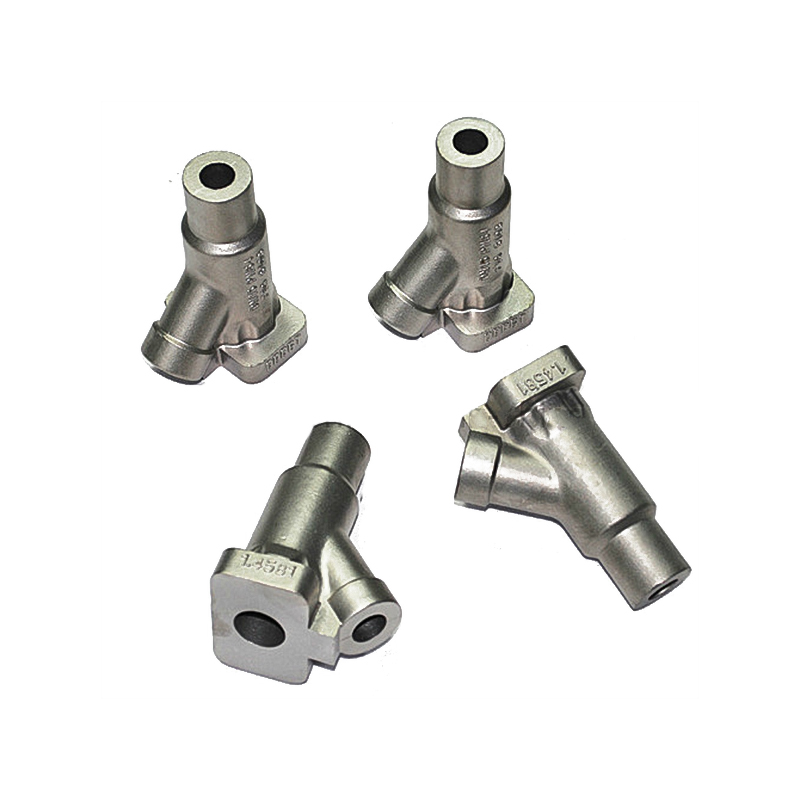
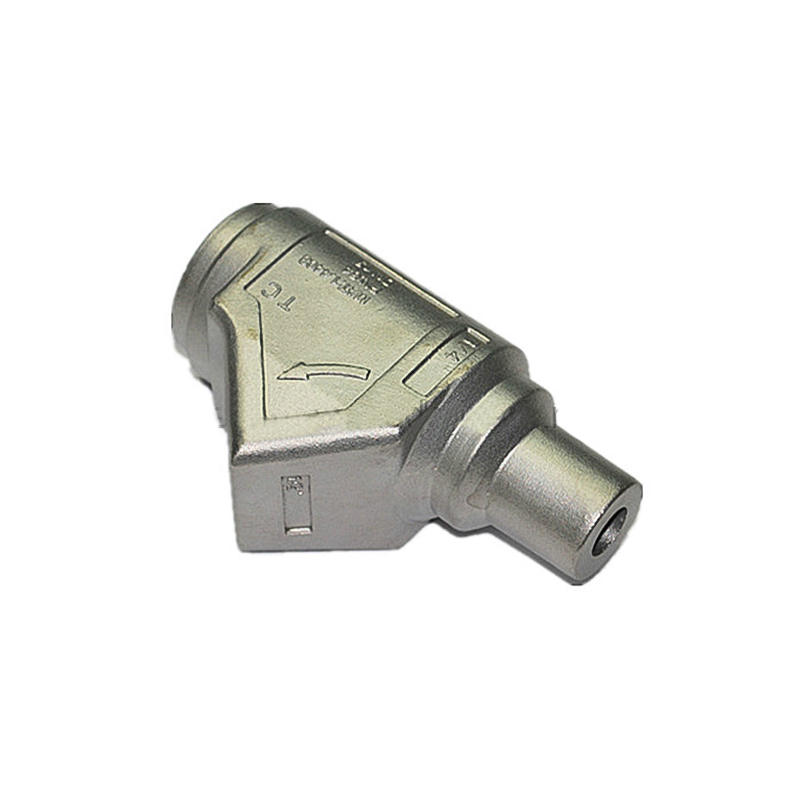
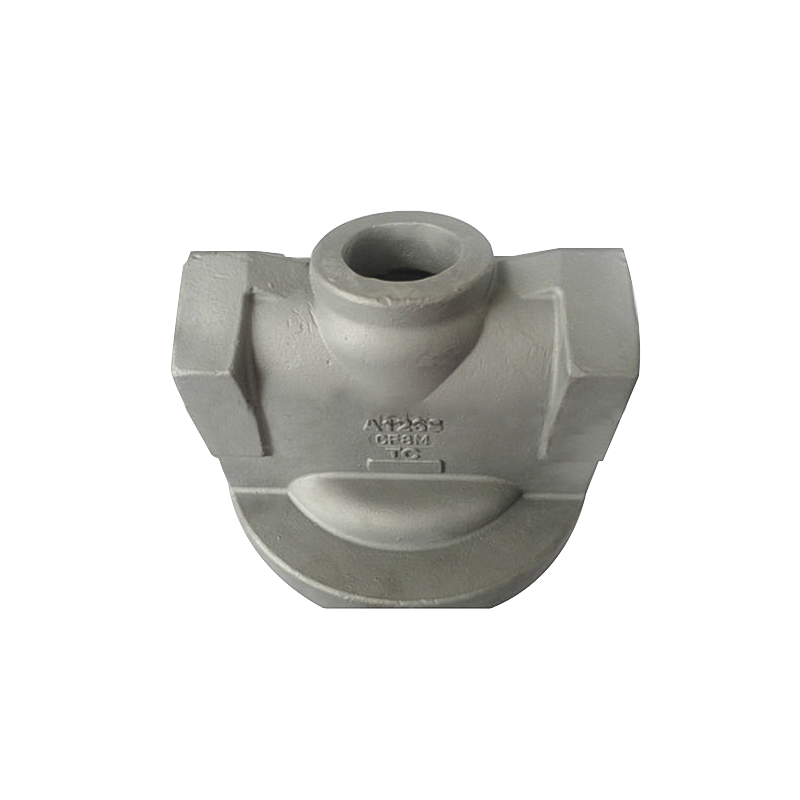
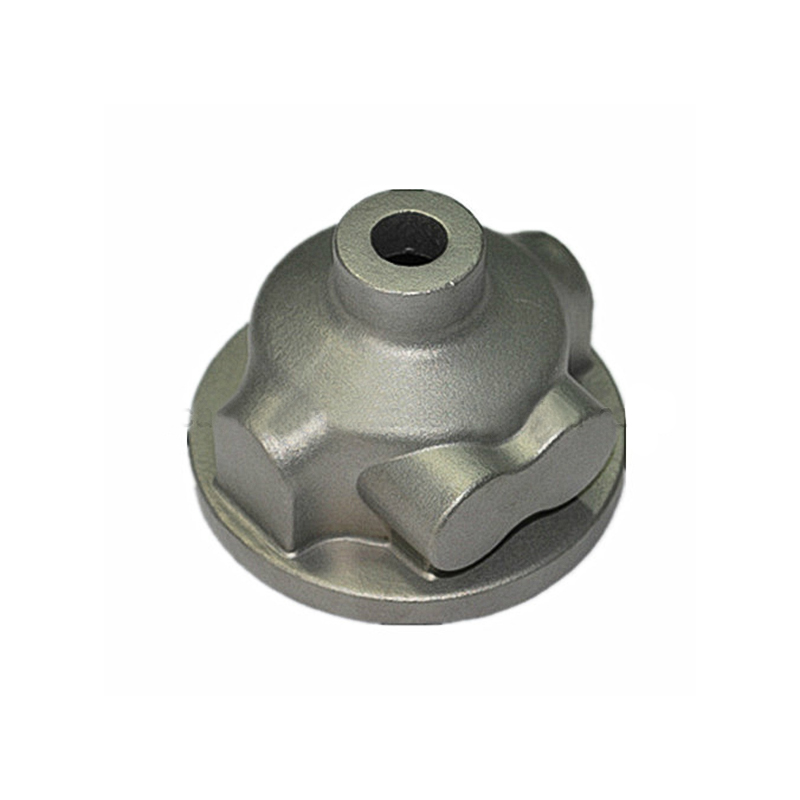
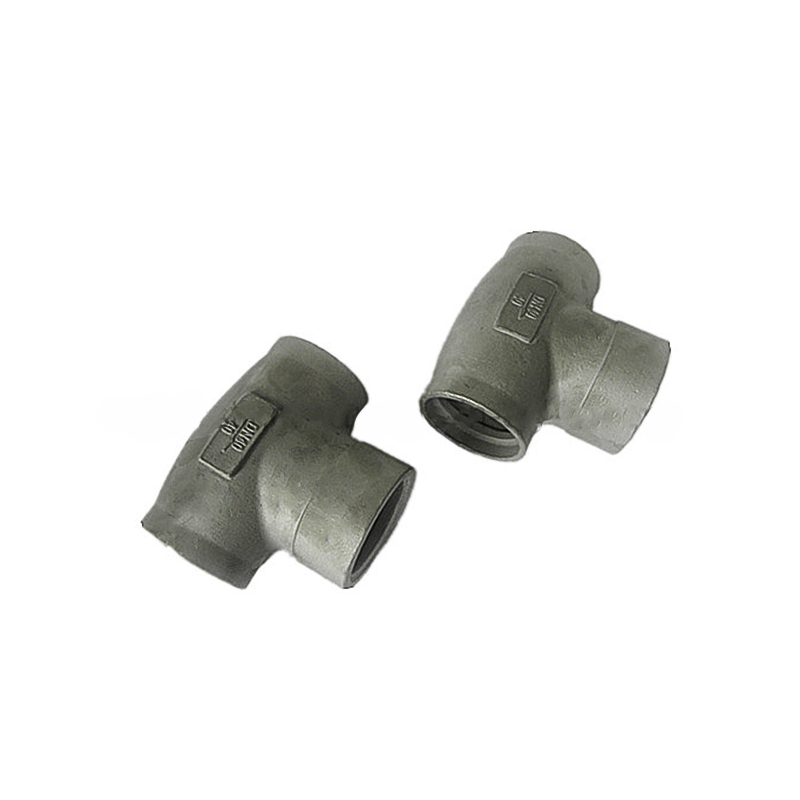
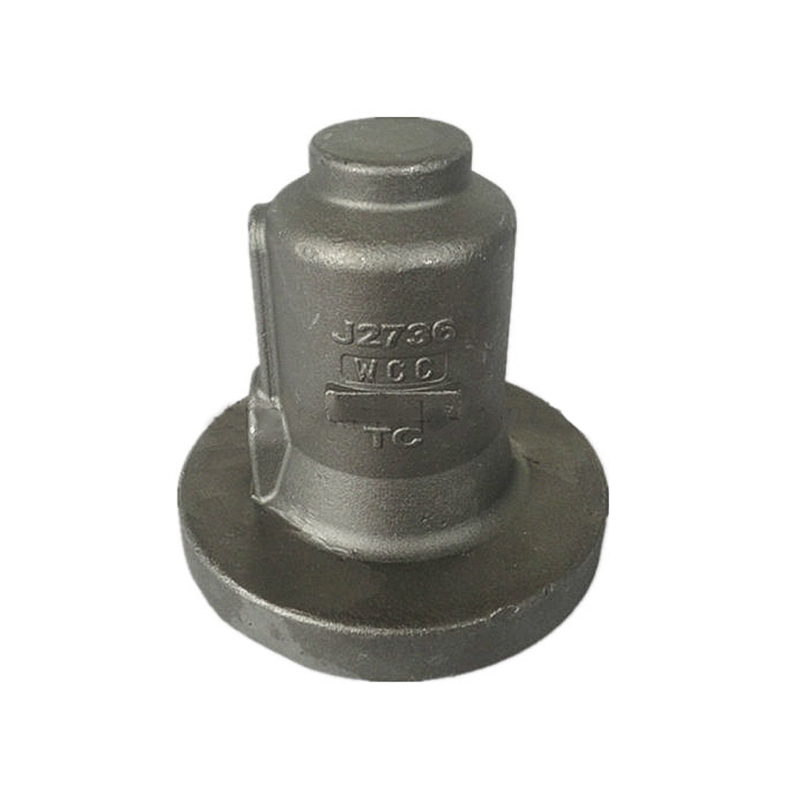
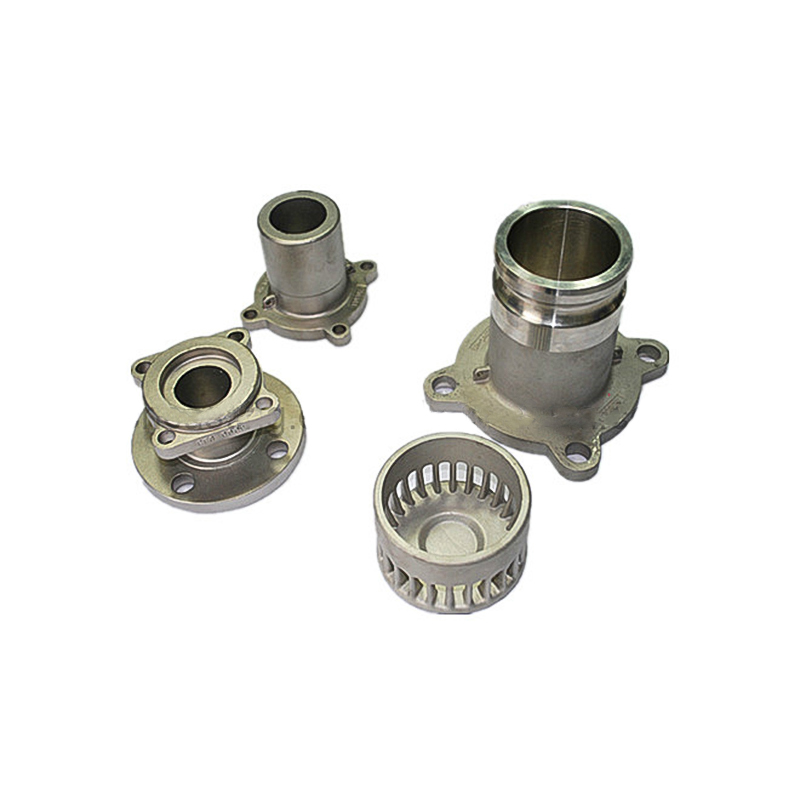
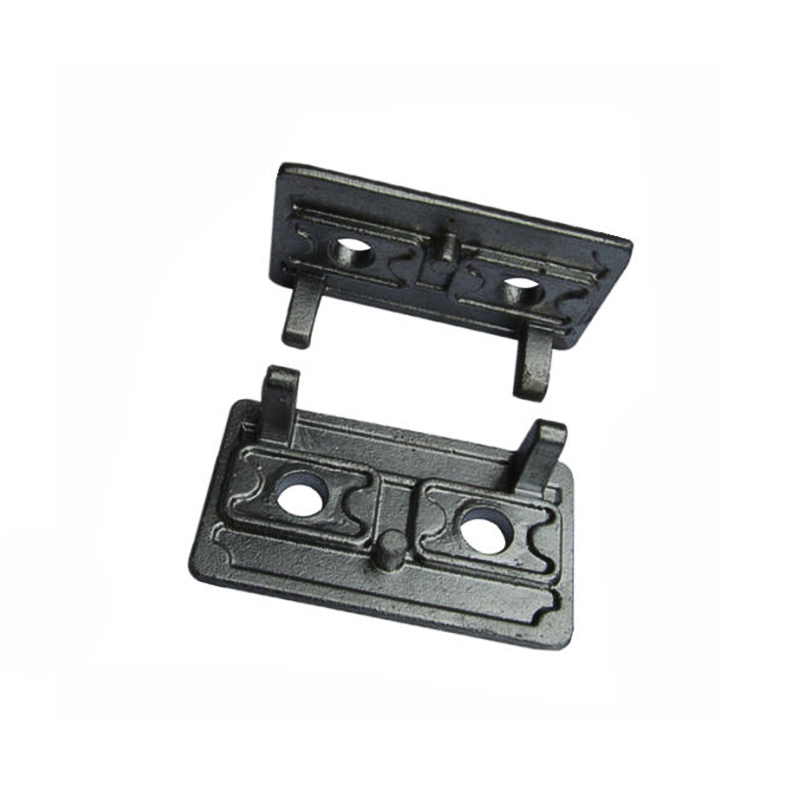
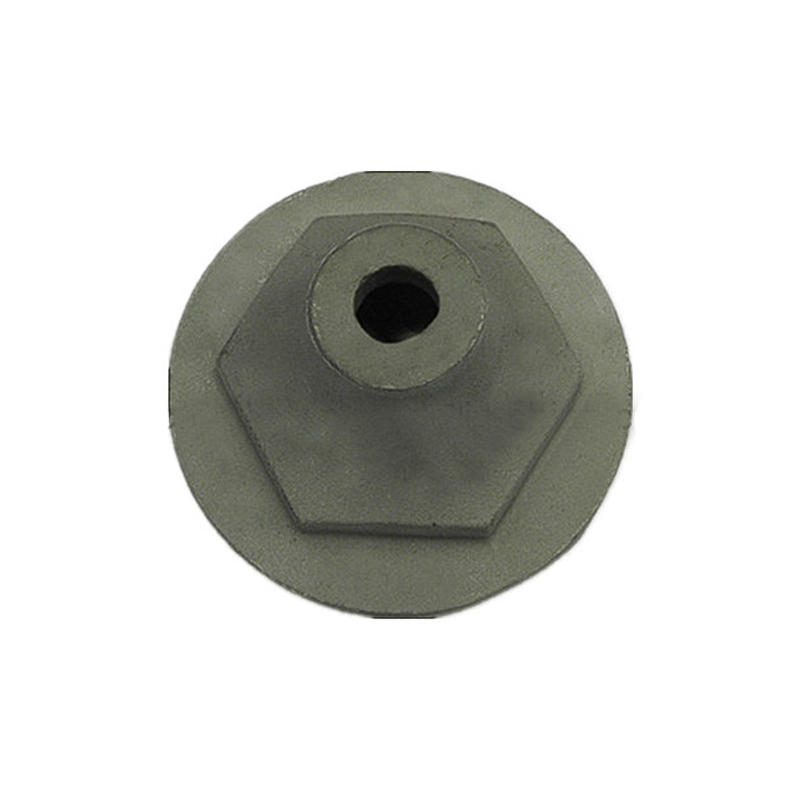
Selected Bearing Display

Contact Information
- Tel:+86-574-88067800/88067900
- Fax:+86-574-88067400
- Phone:+86-13967874638
- E-Mail:master@nbyifei.com
Products Links
Products Links
- Agricultural Machinery Casting Parts
- Auto Casting Parts
- Brass Die Casting Parts
- Casting Bucket Tooth And Accessory
- Container Casting Parts
- Investment Casting Parts
- Machinery Casting Parts
- Mining Machinery Casting Parts
- Railway And Train Casting Parts
- Sand Casting Parts
- Stamping & Forging Parts
- Valve Casting Parts
Contact Us
Copyright ©
Ningbo Hansheng Machinery Parts Co.,Ltd. All Rights Reserved
 Custom Die Castings Manufacturers
