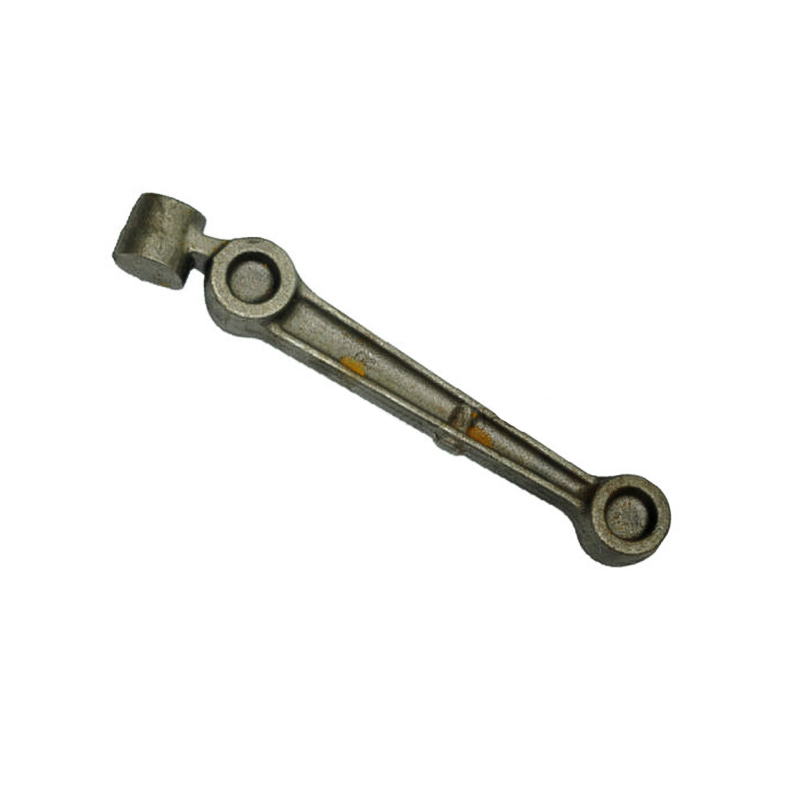
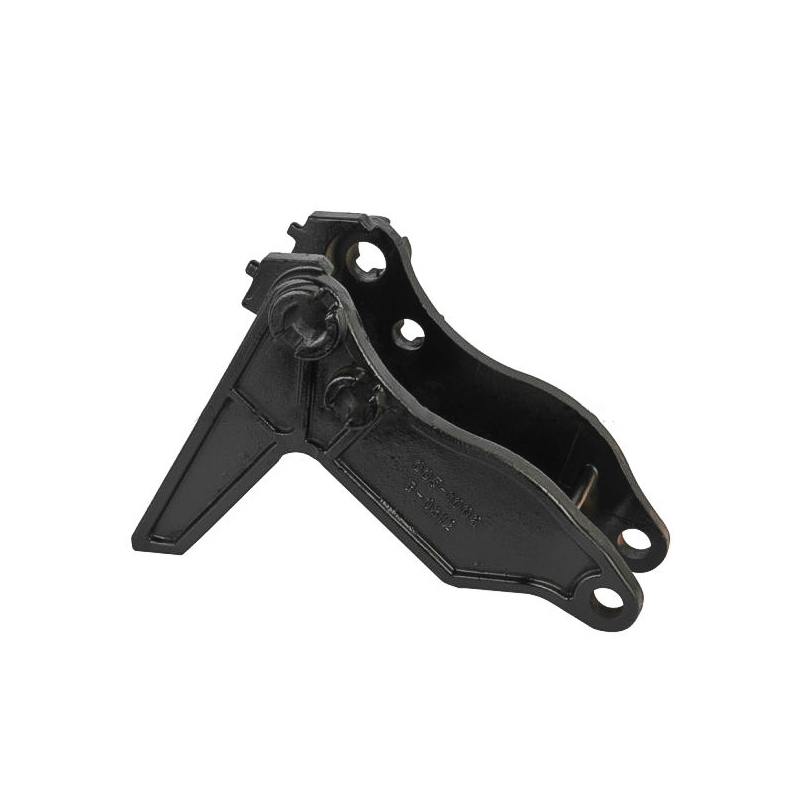
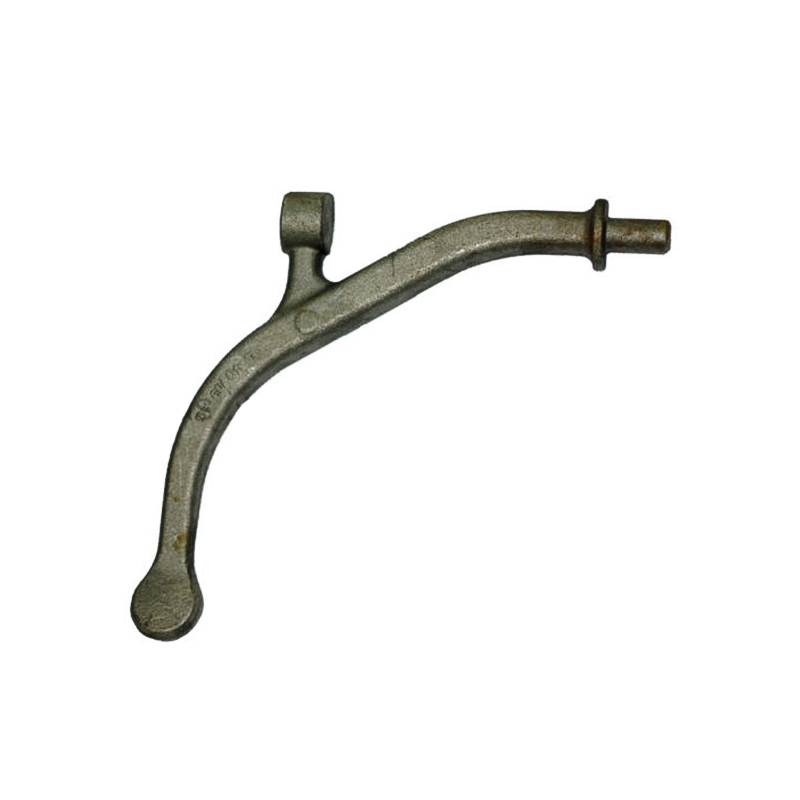
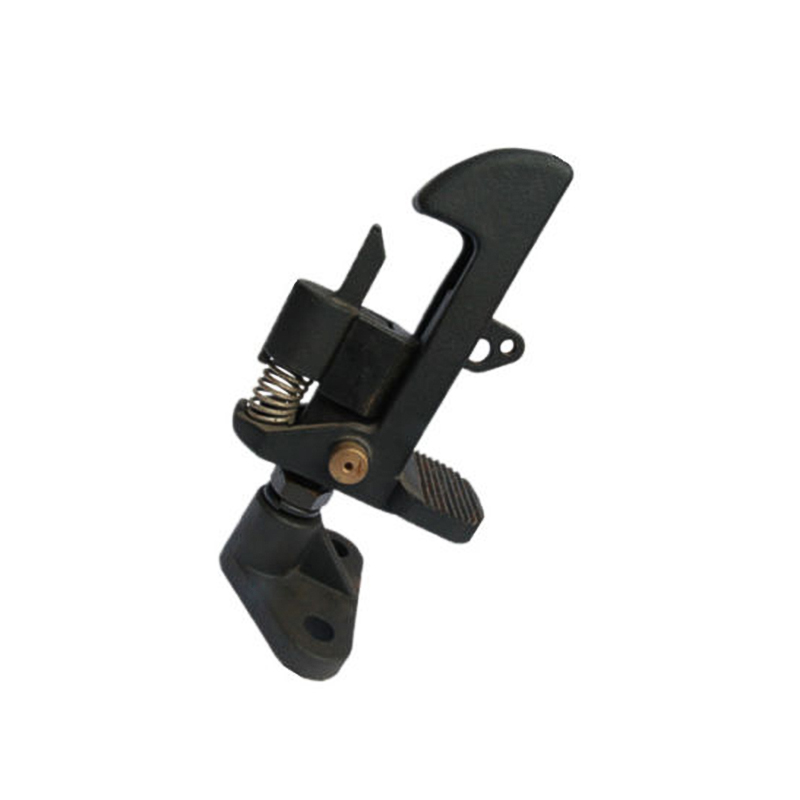
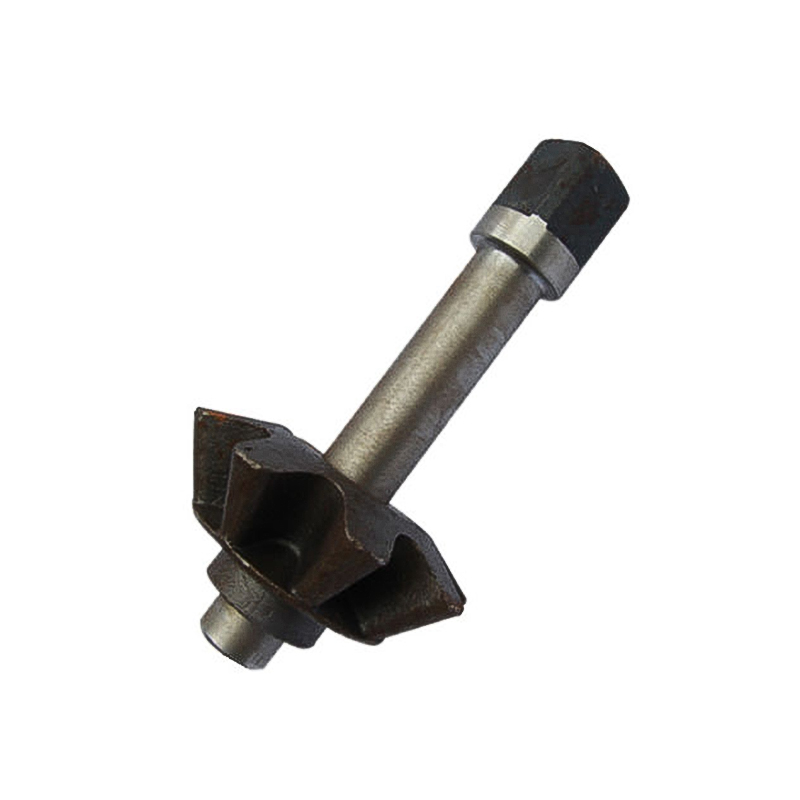
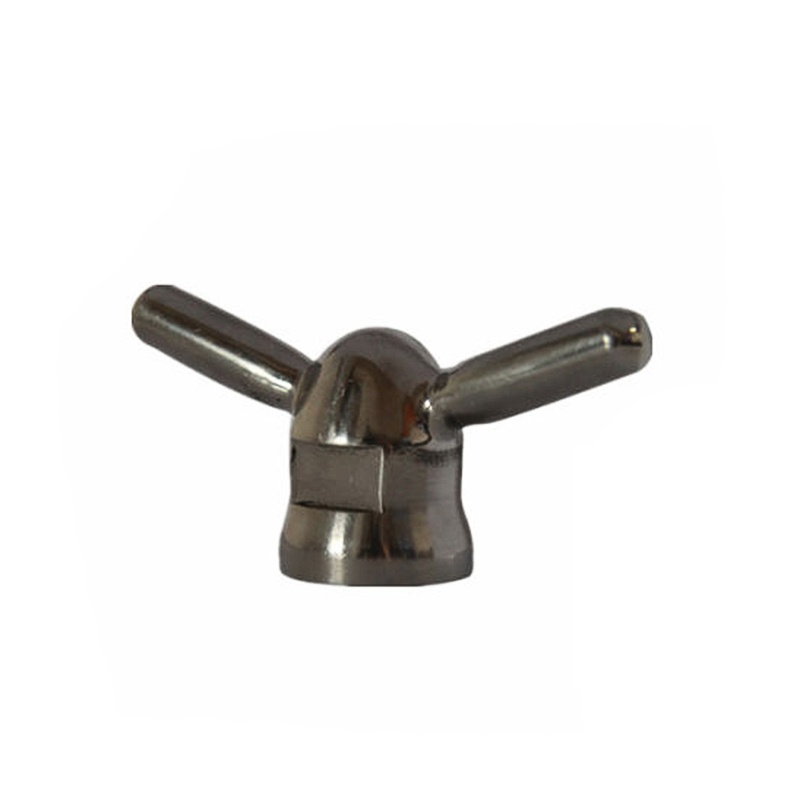
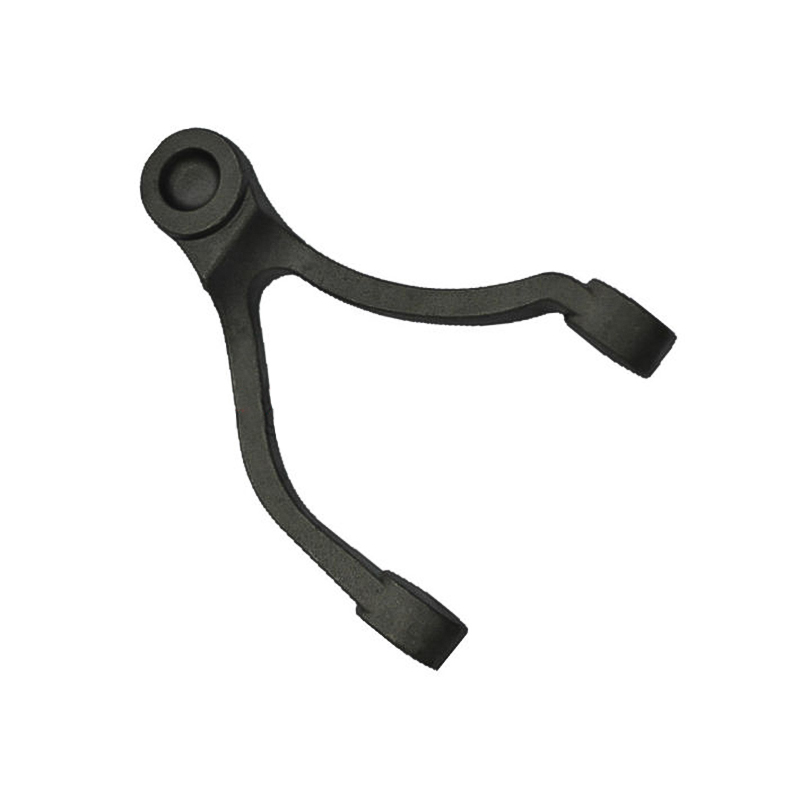
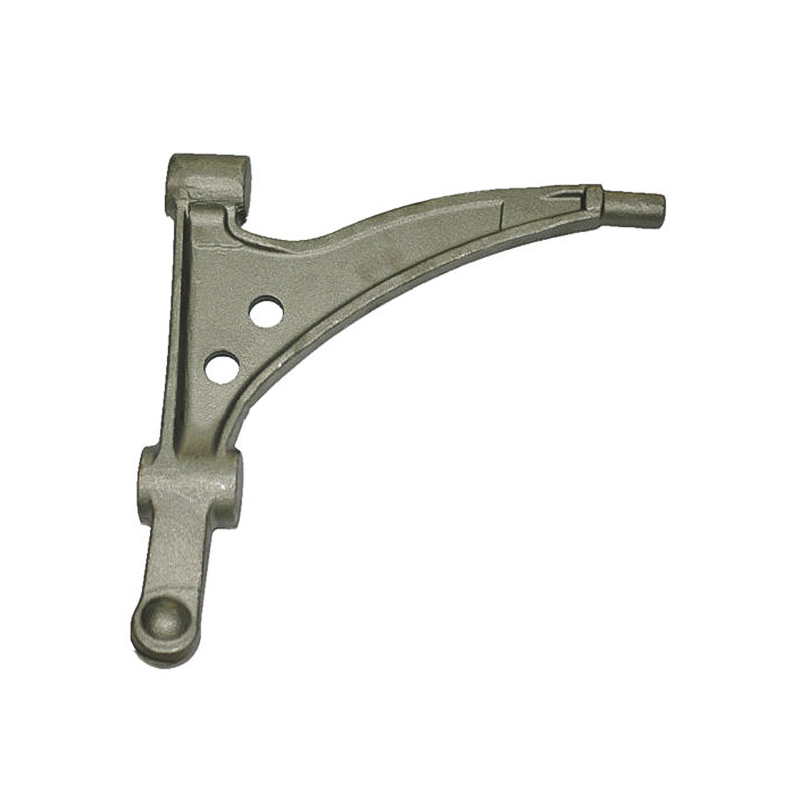
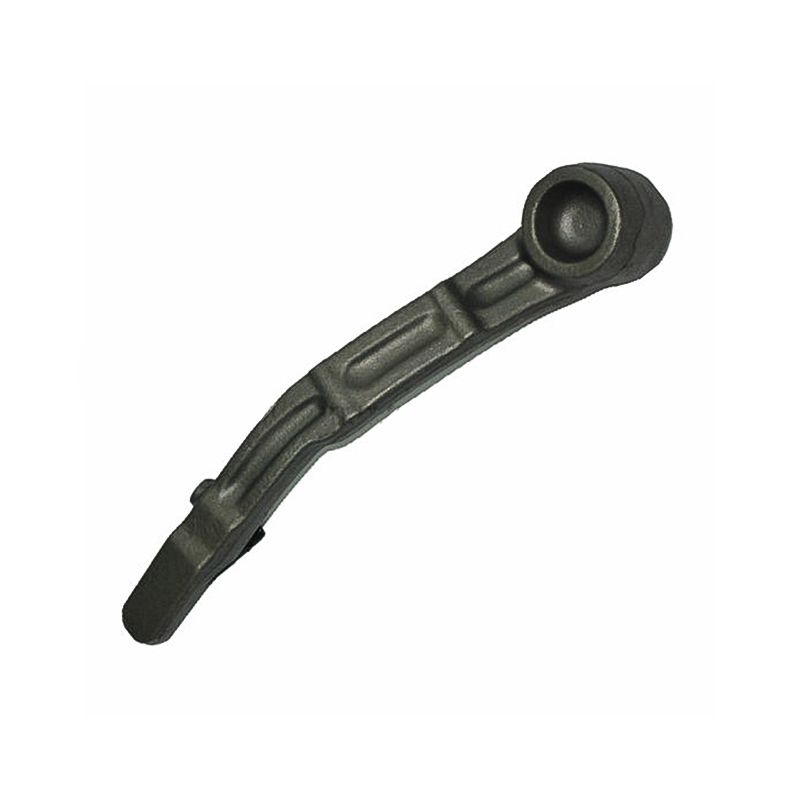
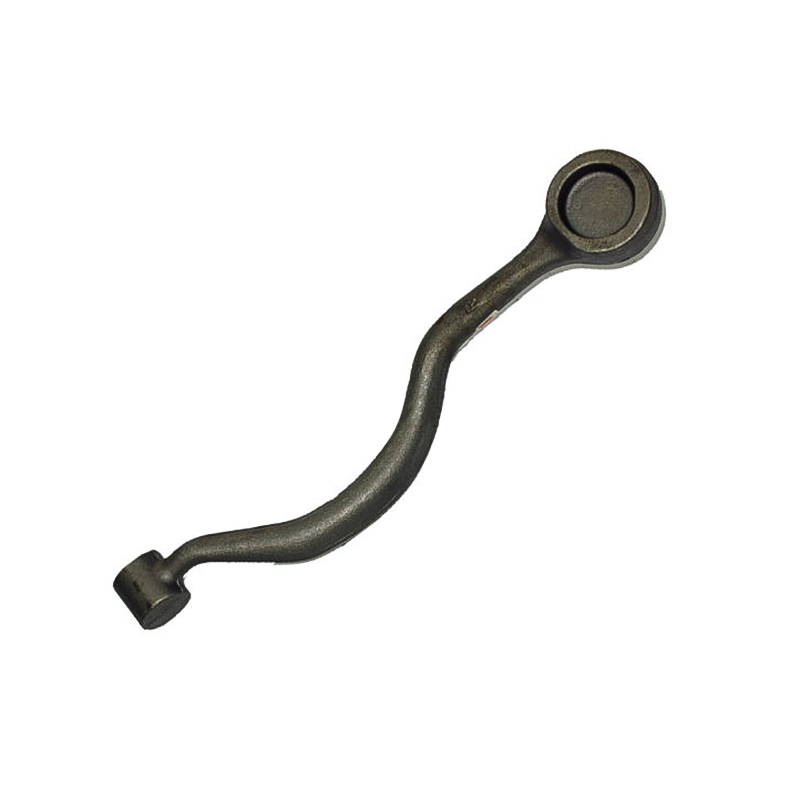
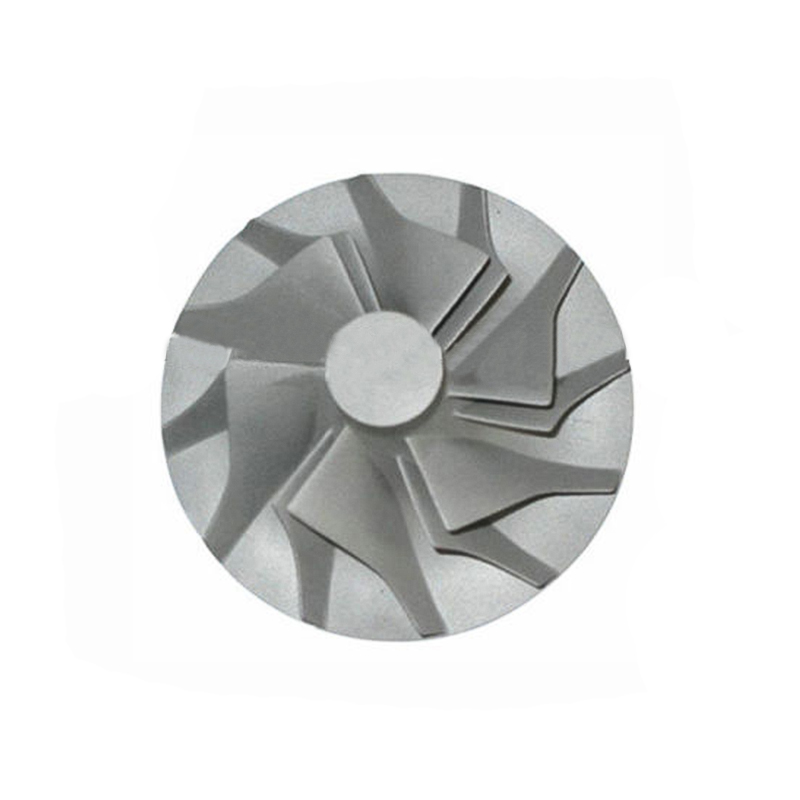
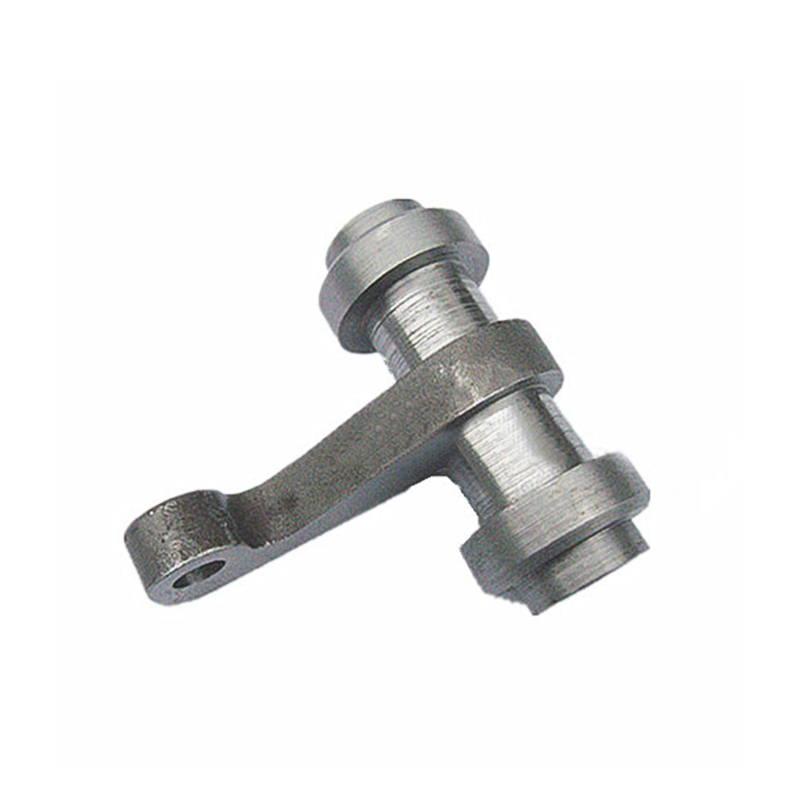
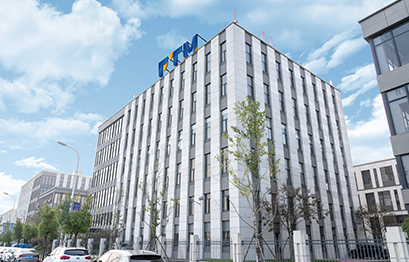
Ningbo Hansheng Machinery Parts Co., Ltd. (Ningbo Yifei Machinery Parts Co., Ltd.) is a specialized Auto Casting Parts manufacturer serving the global automotive industry. We supply a comprehensive range of custom metal components produced through forging, die casting, investment casting, and sand casting. Our parts are used in engine systems, chassis assemblies, brake systems, body hardware, and drivetrain applications for passenger cars, light commercial vehicles, and off-road vehicles. With a 5,000 m² factory in Ningbo, Zhejiang, and a quality system conforming to ISO 9001:2000, we support OEM and Tier 1 projects from prototype to serial production.
Our Product Range and Process Capabilities
We produce auto casting parts using four primary metal-forming processes. Each process is selected based on the part geometry, material specification, production volume, and mechanical requirements. The table below summarises our available processes and typical automotive applications.
| Process |
Typical Materials |
Common Automotive Parts |
Key Characteristics |
| Forging |
Carbon steel, alloy steel, stainless steel, aluminum, brass |
Connecting rods, steering knuckles, axle shafts, gears, flanges |
High strength, dense grain structure, excellent fatigue resistance |
| Die Casting |
Aluminum, zinc, magnesium alloys |
Transmission housings, engine brackets, sensor housings, pump bodies |
High dimensional accuracy, smooth surface finish, suitable for thin walls |
| Investment Casting |
Carbon steel, stainless steel, alloy steel, duplex steel |
Brake calipers, valve bodies, turbocharger components, lever arms |
Complex geometries, near-net shape, good surface finish |
| Sand Casting |
Cast iron, ductile iron, carbon steel, aluminum |
Engine blocks, cylinder heads, intake manifolds, housing covers |
Low tooling cost, large part capability, flexible for low to medium volumes |
Application Fit and Engineering Value
Our auto casting parts are designed to meet the mechanical and safety requirements of modern vehicles. We serve multiple subsystems:
- Engine and Powertrain: Forged connecting rods, crankshafts, gear blanks, and die-cast housings that withstand high temperatures and cyclic loads.
- Chassis and Suspension: Control arms, steering knuckles, wheel hubs, and suspension brackets produced via forging or investment casting for strength and durability.
- Brake System: Investment-cast brake calipers and brackets that require tight dimensional control and high-temperature performance.
- Body and Hardware: Door hinges, bumper brackets, latch components, and mounting plates produced through sand casting or die casting.
- Transmission and Drivetrain: Forged gears, shafts, and flanges that demand consistent grain flow and impact resistance.
Critical Specifications and Quality Assurance
We manufacture auto casting parts according to customer drawings and applicable international standards. Our quality system includes:
- Raw material verification with mill certificates and chemical analysis.
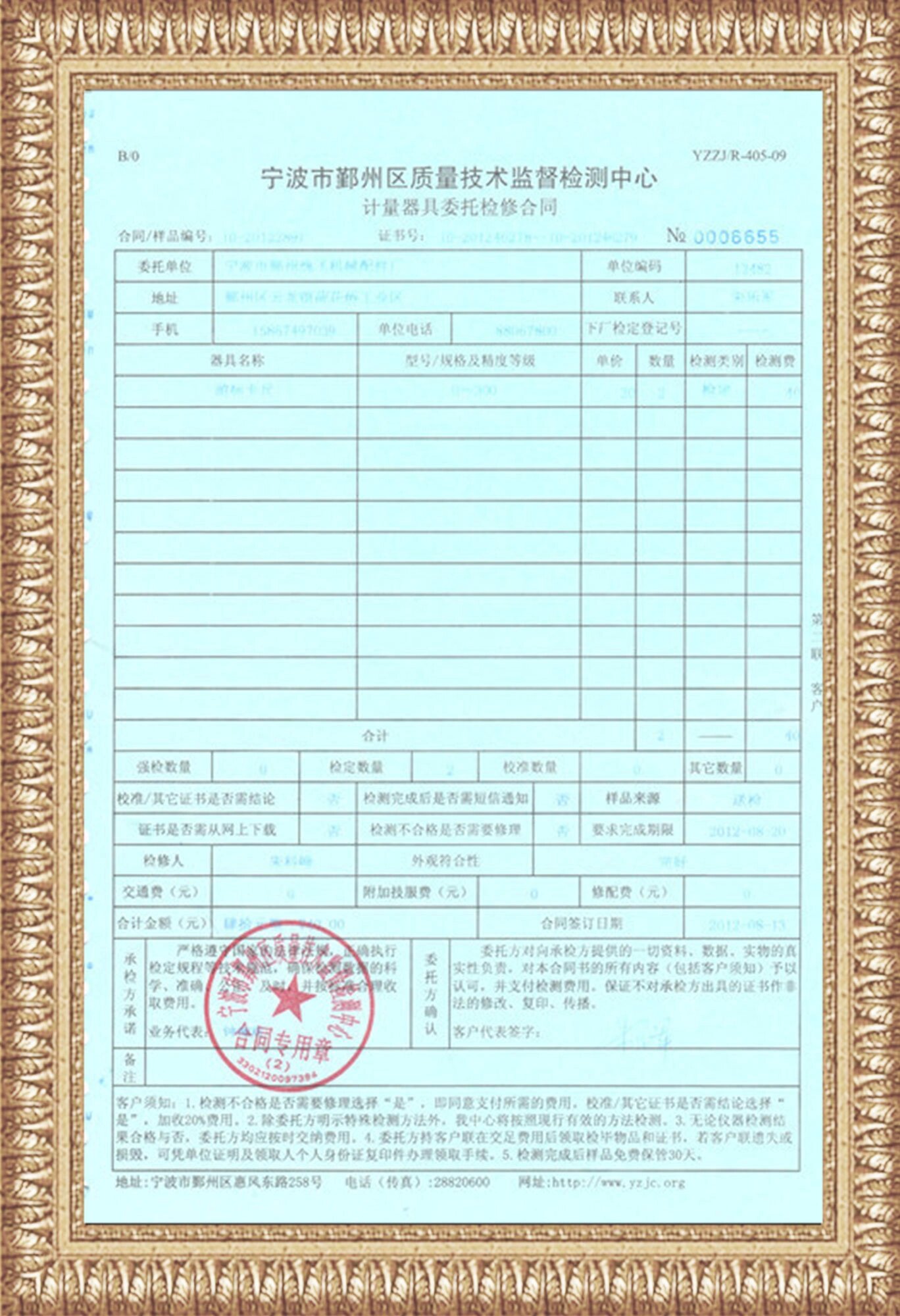
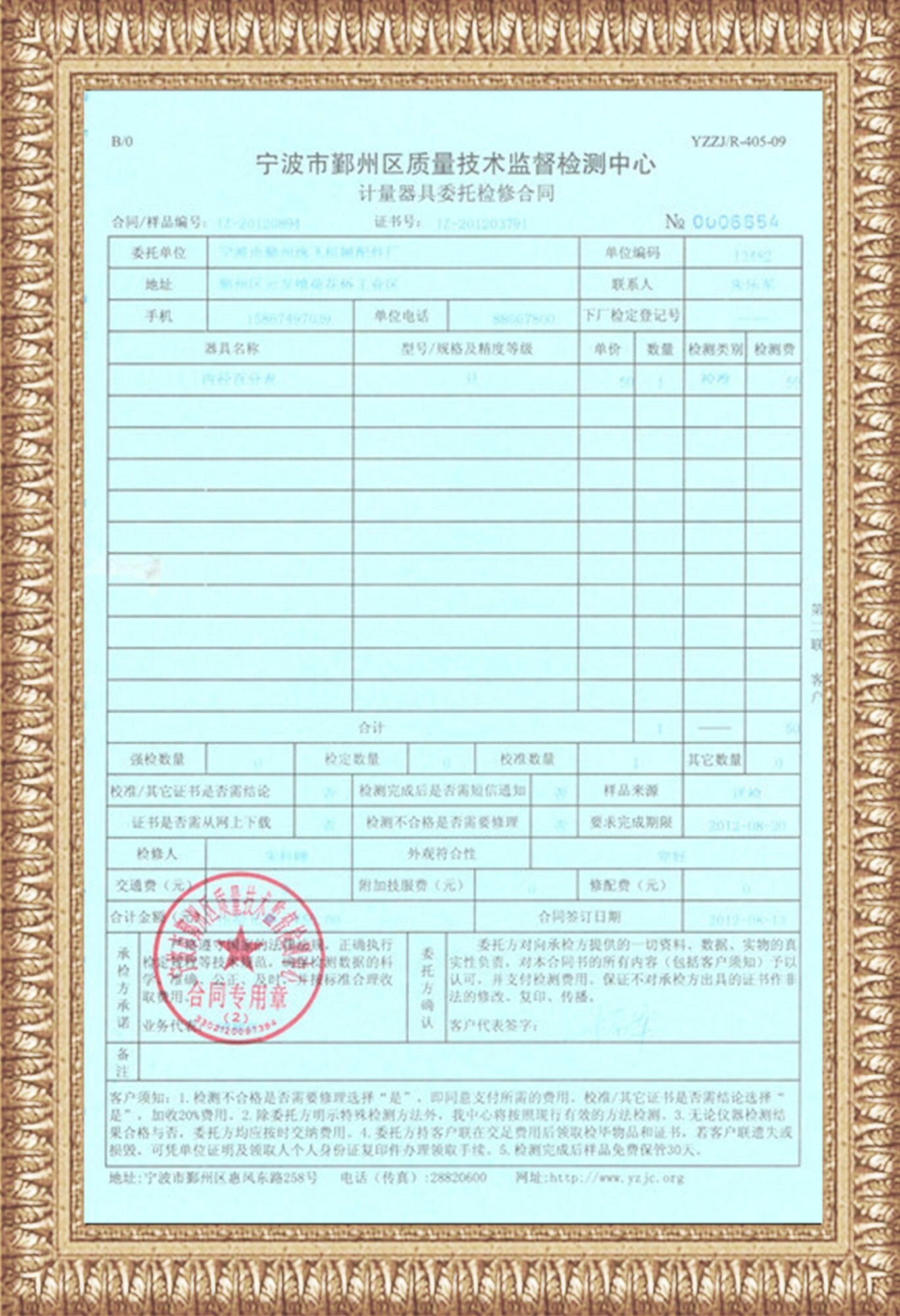
- Dimensional inspection using vernier calipers, micrometers, and coordinate measuring machines (CMM).
- Mechanical testing including hardness testing and tensile verification.
- Non-destructive testing such as wet magnetic particle flaw detection.
- In-process and final inspection with 100% critical-dimension checks.
- Traceability from raw material lot to finished part.
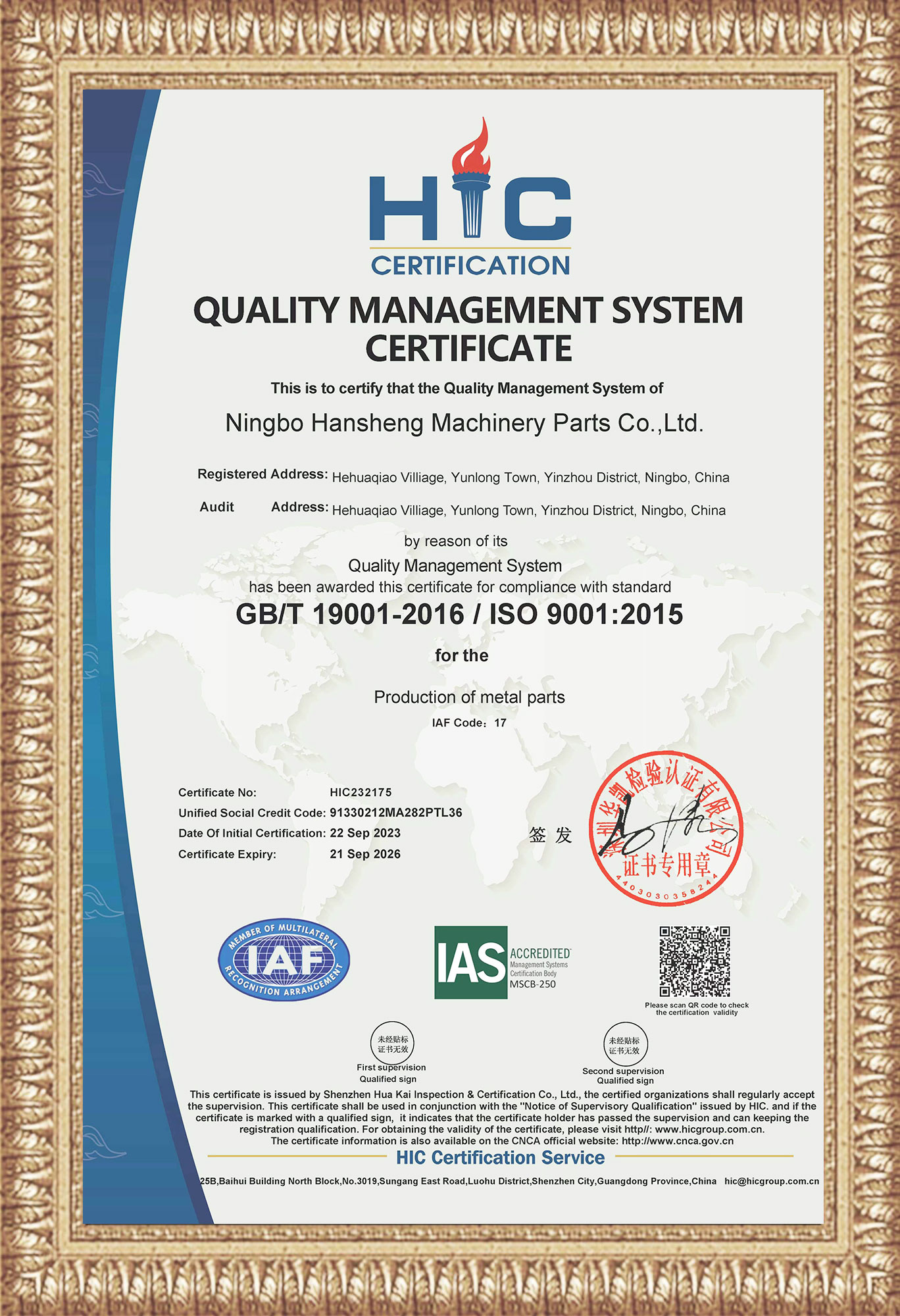
Our quality assurance system conforms to ISO 9001:2000, and we conduct internal and external audits to maintain its effectiveness.
Configuration Options and Automation Integration
We offer a range of post-casting and post-forging services to deliver finished parts ready for assembly:
- Heat treatment: Normalizing, quenching and tempering, annealing, case hardening.
- CNC machining: Milling, turning, drilling, and threading using CNC machine tools.
- Surface finishing: Polishing, anodizing, hard anodizing, galvanizing, electroless nickel plating, chrome plating, powder coating, and painting.
- Assembly and kitting: Sub-assembly, packaging, and labelling per customer specification.
We accept drawings in PDF, AutoCAD, SolidWorks, and Pro/E formats. Our engineers review the design for manufacturability and propose optimisations to reduce cost or improve performance.
Project Support and Delivery Scope
We support projects from initial concept through serial production. Our scope includes:
- Tooling design and fabrication for forging dies, die-casting molds, and investment casting wax patterns.
- Sample production and first-article inspection with dimensional report.
- Batch production with process control and quality documentation.
- Packaging for export: standard cartons, wooden crates, or custom packaging as required.
- Shipping coordination with tracking information provided after dispatch.
Information We Use to Configure Your Solution
To prepare an accurate proposal and configuration, we require the following project information:
- Part drawing or 3D model with dimensions, tolerances, and surface finish requirements.
- Material specification (grade, hardness, heat treatment condition).
- Annual volume and batch size (for process selection and tooling amortisation).
- Target application and operating conditions (load, temperature, environment).
- Any applicable industry standards or customer-specific quality requirements.
- Preferred surface treatment and secondary operations.
- Packaging and delivery requirements.
Submit your enquiry with the above details, and our engineering team will respond with a process recommendation, tooling investment estimate, and unit price.
Frequently Asked Questions
What is the typical lead time for auto casting parts?
Lead time depends on the process, complexity, and quantity. Forging and sand casting tooling typically requires 4–6 weeks, with first samples available 2–4 weeks after tooling approval. Die casting and investment casting tooling may take 6–8 weeks. Serial production lead times are quoted per project.
Can you produce parts from customer-supplied materials?
Yes, we can process customer-supplied materials provided they meet our process requirements. We will verify the material specification and conduct incoming inspection before production.
Do you provide first-article inspection reports?
Yes, we provide a first-article inspection report (FAIR) with dimensional measurements, material certification, and any applicable test results for customer approval before mass production.
What is the minimum order quantity for auto casting parts?
Minimum order quantity varies by process and part size. Forging and sand casting can accommodate low volumes (100–500 pieces) for prototype or pilot runs. Die casting and investment casting are more economical at higher volumes. Contact us with your requirements for a specific MOQ.
Do you export to Europe and North America?
Yes, most of our products are exported to the United States, the United Kingdom, Spain, Germany, France, and other European countries. We are experienced in meeting international packaging, documentation, and quality standards.
How do you ensure dimensional consistency across production batches?
We use in-process inspection with calibrated gauges, CMM verification for critical features, and statistical process control (SPC) where applicable. Tooling maintenance and periodic re-qualification ensure repeatability.



 English
 Deutsch
 简体中文
简体中文