

 English
 Deutsch
 简体中文
简体中文
Author: FTM
Date: Jul 22, 2026
Casting Bucket Tooth and Accessory Guide: Types, Selection & Maintenance
What Is a Casting Bucket Tooth?
A casting bucket tooth is a wear part manufactured through a casting process (typically sand casting or investment casting) and mounted on an excavator, loader, or backhoe bucket to break down and penetrate hard or abrasive material during digging. The tooth itself never works alone — it depends on a matched set of accessories, namely an adapter, a locking pin, and often a retainer or rubber lock, to stay securely attached to the bucket lip under repeated impact.
Choosing the right casting bucket tooth and accessory set comes down to three factors: the base material and heat treatment, the pin/retention system that matches your adapter, and the tooth profile suited to your digging conditions. Getting any one of these wrong leads to premature wear, tooth loss, or damage to the adapter itself — all of which cost far more in downtime than the part itself. The sections below break down each of these decision points in detail.
Materials Used in Casting Bucket Teeth
The casting material determines how a tooth performs under two competing demands: resisting abrasive wear and absorbing sudden impact without cracking. Manufacturers balance these properties differently depending on the intended application.
| Material | Key Property | Best-Fit Application |
|---|---|---|
| Low alloy steel (Ni-Mo) | Strength, hardenability, corrosion resistance | General excavation, mixed soil |
| High-manganese steel | Toughness, work hardening under impact | Mines, quarries, gravel yards |
| Surface-hardened steel | Enhanced wear resistance via quenching | Heavy-load, high-abrasion conditions |
| Austempered ductile iron | Wear resistance and impact strength | Standard-duty digging |
In low-alloy steel castings, molybdenum improves hardenability and strength while also helping minimize certain forms of pitting corrosion, and nickel adds strength, toughness, and further corrosion resistance. One documented mining case found that heat-treated high-manganese steel teeth reduced wear by roughly 35% compared to ordinary cast steel teeth, while also improving operational efficiency by around 12% — a concrete illustration of how much material selection alone affects total cost of ownership.
Casting Bucket Tooth and Accessory: The Full Assembly
A bucket tooth cannot function as a standalone part — it needs a complete, matched accessory set to stay locked onto the bucket under digging loads. Understanding each component makes it much easier to order the correct replacement kit rather than a single mismatched piece.
The adapter
The adapter is welded to the bucket lip and forms the base onto which the tooth slides. It bears the main digging load and is designed to outlast several tooth replacements, since teeth wear down faster than the adapter itself.
The locking pin
The pin passes through aligned holes in the tooth and adapter to hold the two together. Common styles include vertical flex pins, horizontal roll pins, and side pins secured with a retainer clip — the correct type depends entirely on the tooth and adapter system in use.
The retainer or rubber lock
A retainer, cotter pin, or rubber lock reinforces the main pin to prevent it from working loose during high-frequency vibration. Skipping this component, or reusing a damaged one, is one of the most common causes of a tooth loosening or falling off mid-operation.
Mounting Systems: Matching Tooth to Adapter
Before ordering any replacement tooth, the mounting and retention system must match exactly — a tooth that looks similar but uses a different pin geometry will not seat correctly and can damage the adapter under load.
- Pin-on teeth: the tooth slides onto an adapter welded to the bucket lip and is held by a retaining pin, either a hammer-in/out rubber flex pin or a spring-loaded locking pin. This is the most common system on loader and excavator buckets.
- Bolt-on teeth: attach directly to the bucket cutting edge with hardened bolts and nuts, common on older buckets and some aftermarket cutting edges, and require a wrench for replacement.
- Weld-on teeth: permanently welded to the bucket and not replaceable without cutting and re-welding — rare on modern production equipment.
- Direct pin / hammerless systems: newer designs using a top-lock pin that installs and removes by hand or with a small pry bar, allowing faster field changeovers without a hammer.
Within pin-on systems, the tooth-to-shank connection itself typically uses one of a few standard hardware types: a side pin, a diagonal pin, or a top pin, though some manufacturers use proprietary locking mechanisms such as a wedge or oblong insert. Identifying the exact mounting style before ordering is the single most important step in avoiding a mismatched part.
How to Install a Replacement Casting Bucket Tooth
Installation follows a consistent sequence across most pin-on systems, though the exact pin type may vary by manufacturer.
- Lower the bucket flat on the ground or onto wooden blocking so there is no hydraulic pressure on the linkage, engage the boom and arm safety locks, and relieve hydraulic pressure by cycling controls with the engine off.
- Locate and remove the existing retainer pin using the method matched to the retention style — a drift punch for vertical flex pins, a pin punch for horizontal roll pins, or by first prying off the retainer clip for side-pin systems.
- Align the inner chute of the new tooth with the adapter and push the tooth body forward steadily until it sits fully seated with no gap or skew.
- Align the pin holes of the tooth and adapter precisely, insert the correct replacement pin, and drive it in with a hammer until it sits flush and locked.
- Install the supporting retainer or cotter pin to reinforce the main pin against vibration-driven loosening.
- Manually shake the installed tooth to confirm there is no looseness, deflection, or displacement before returning the bucket to service.
If a pin is seized, apply a penetrating oil and let it soak for roughly 15 minutes before attempting removal again. Never apply heat to the adapter to free a stuck pin — heat can alter the adapter's heat treatment and permanently weaken the steel, even if the immediate repair goes smoothly.
Common Installation Mistakes to Avoid
Most field failures of a bucket tooth assembly trace back to a handful of avoidable installation errors rather than a defective casting.
- Using damaged or mismatched pins and retainers, which is a leading cause of teeth loosening or falling off during operation.
- Forcing a tooth onto an adapter it doesn't match — if the fit feels loose or requires excessive force, confirm the size and system before proceeding rather than hammering it into place.
- Allowing a pin to protrude instead of seating it flush, which lets material flow push the pin further out during digging until the tooth detaches entirely.
- Applying heat to a seized adapter to speed up pin removal, which compromises the heat treatment and shortens the adapter's remaining service life.
- Skipping the final shake-test inspection, which is the fastest way to catch a tooth that seated with hidden misalignment before it fails mid-shift.
Choosing a Supplier: What to Verify
Because a bucket tooth and its accessories operate under high dynamic load, sourcing decisions matter as much as material selection.
- Confirm compliance with recognized material standards, such as ISO 9001 for quality management and ASTM specifications for the steel grade used.
- Verify pin hardness falls in the ideal range for high-wear applications, typically HRC 45–55, and check for corrosion-resistant coatings in humid or abrasive environments.
- Confirm load-bearing capacity meets the minimum threshold for your equipment class — a common baseline cited for standard excavators is 50 kN.
- Physically inspect and measure sample pins and retainers before a bulk order to confirm dimensional fit against your existing adapters.
- Ask suppliers for field testing data or documented failure-rate statistics rather than relying on marketing claims alone.
A supplier who can speak specifically to pin diameter, locking mechanism, and OEM-equivalent compatibility (Caterpillar, Komatsu, Hitachi, and similar systems) is generally a stronger sourcing choice than one offering only generic "universal fit" claims, since bucket tooth and adapter tolerances are tight enough that a poor match shows up quickly in the field.
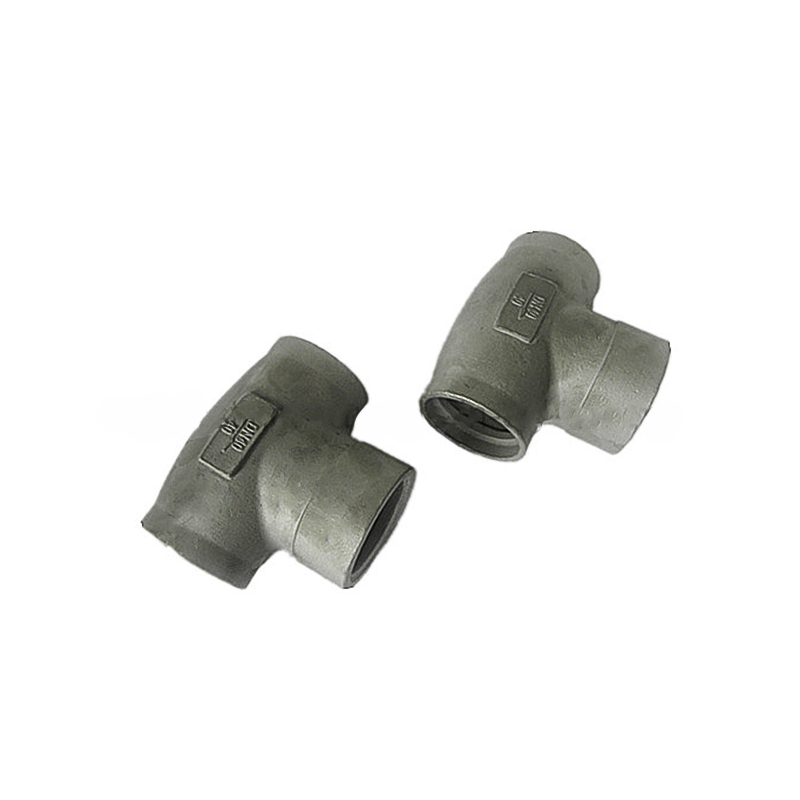
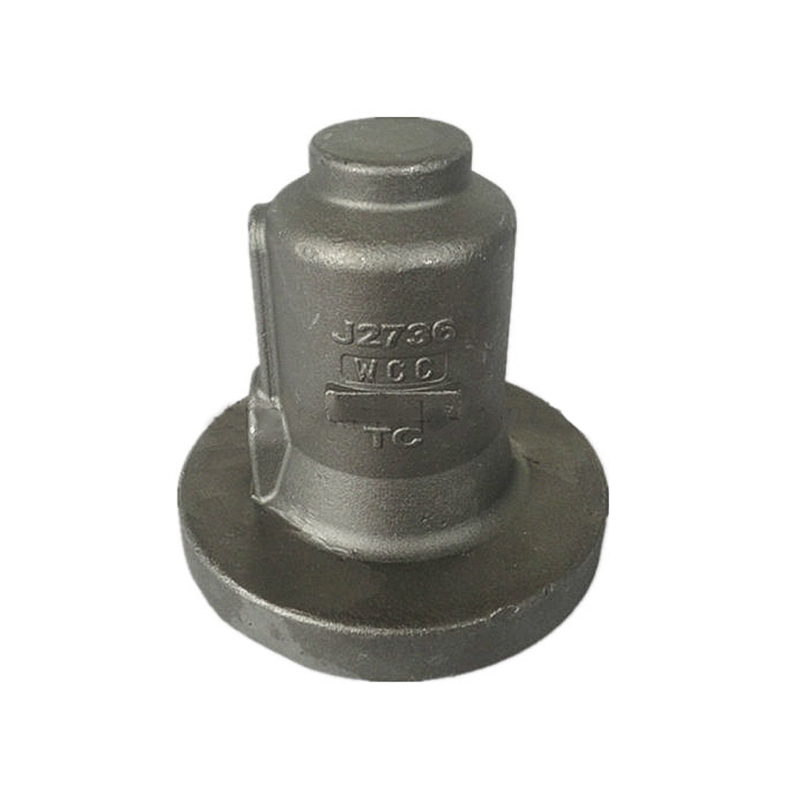
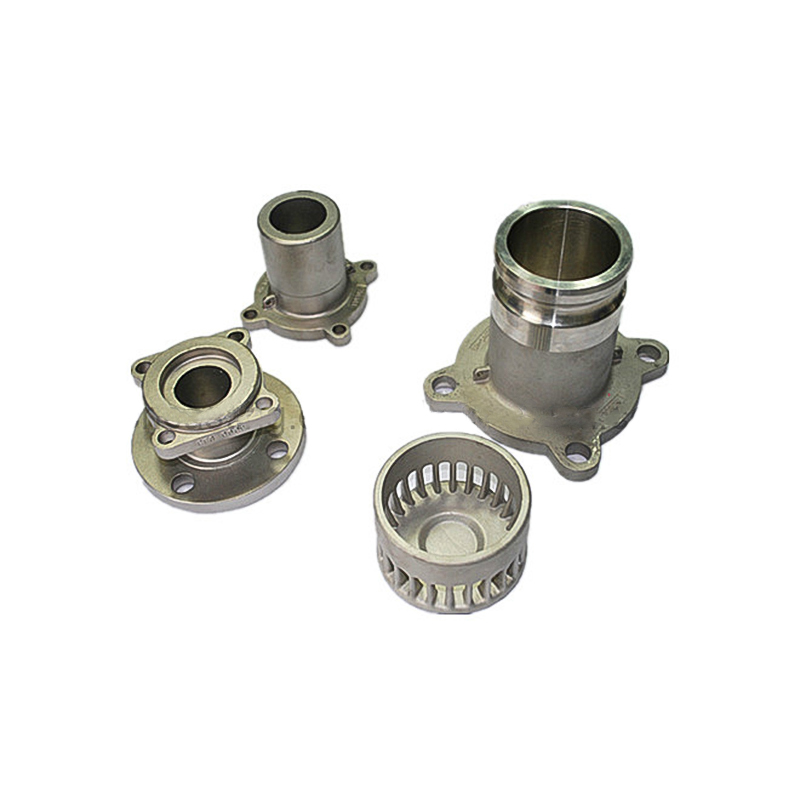
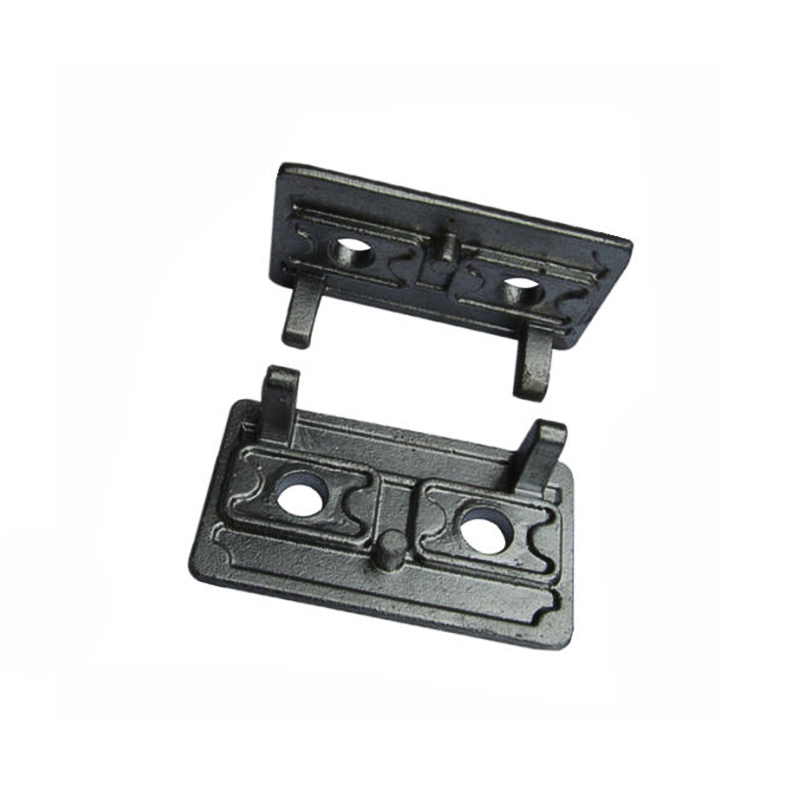
Selected Bearing Display

Contact Information
- Tel:+86-574-88067800/88067900
- Fax:+86-574-88067400
- Phone:+86-13967874638
- E-Mail:master@nbyifei.com
Products Links
Products Links
- Agricultural Machinery Casting Parts
- Auto Casting Parts
- Brass Die Casting Parts
- Casting Bucket Tooth And Accessory
- Container Casting Parts
- Investment Casting Parts
- Machinery Casting Parts
- Mining Machinery Casting Parts
- Railway And Train Casting Parts
- Sand Casting Parts
- Stamping & Forging Parts
- Valve Casting Parts
Contact Us
Copyright ©
Ningbo Hansheng Machinery Parts Co.,Ltd. All Rights Reserved
 Custom Die Castings Manufacturers
