

 English
 Deutsch
 简体中文
简体中文
Author: FTM
Date: Jul 08, 2026
How Does Die Casting Work? The Process Behind Auto Casting Parts
Die casting works by forcing molten metal into a reusable steel mold under high pressure, where it solidifies in seconds into a precise, near-finished part. The molten metal, typically aluminum, zinc, or magnesium, is injected at pressures ranging from roughly 1,000 to 20,000 psi (7 to 138 MPa), fills every detail of the mold cavity, cools rapidly, and is ejected as a part that often needs little more than trimming before it's ready for use. This combination of speed, repeatability, and dimensional accuracy is exactly why die casting is the standard process behind most auto casting parts, from engine blocks to transmission housings.
The sections below walk through each stage of the process, the difference between hot chamber and cold chamber machines, the alloys and pressures used for auto casting parts specifically, and how to judge casting quality.
The Die Casting Process, Step by Step
Every die casting cycle follows the same core sequence, regardless of the specific machine type or alloy used. Understanding these steps explains why die casting can turn out thousands of identical parts a day with minimal variation between them.
The Core Production Steps
- Clean and lubricate the two halves of the steel die, then close and clamp them together
- Melt metal ingots in a furnace and hold them at the ideal casting temperature for fluidity
- Meter molten metal into the shot chamber for that machine cycle
- Inject the metal into the die cavity using a hydraulic plunger at high pressure and speed
- Hold pressure while the die is water-cooled and the metal solidifies, often in under a second
- Open the die and eject the finished casting using ejector pins
- Trim excess flash and runners, then apply any required finishing such as anodizing or powder coating
The entire injection-to-solidification portion of the cycle can take just milliseconds to a few seconds, which is what allows a single die casting machine to produce thousands of identical parts in a single shift.
Hot Chamber vs. Cold Chamber Die Casting
The two casting families are split by where the metal gets melted. In hot chamber die casting, the furnace is built directly into the machine and a plunger pushes molten metal through a submerged "gooseneck" tube into the die. In cold chamber die casting, molten metal is ladled from a separate furnace into an unheated shot chamber before a hydraulic piston forces it into the die at high pressure.
Key Differences at a Glance
| Feature | Hot Chamber | Cold Chamber |
|---|---|---|
| Furnace location | Built into the machine | Separate, metal ladled in |
| Cycle speed | Fast, shot-to-shot in seconds | Slower due to ladling step |
| Suitable metals | Zinc, low-melting alloys | Aluminum, magnesium, brass |
| Typical injection pressure | 1,000 to 5,000 psi | 10,000 to 20,000 psi |
Aluminum's high melting point would damage a hot chamber's submerged gooseneck over time, which is why nearly all aluminum auto casting parts, including engine blocks and transmission housings, are produced using cold chamber die casting rather than the hot chamber method reserved for zinc and other low-melting-point alloys.
High-Pressure vs. Low-Pressure Die Casting for Auto Parts
Beyond the hot/cold chamber split, die casting is also categorized by how much pressure forces the metal into the mold, and this choice significantly affects which auto casting parts a process is suited for.
High-Pressure Die Casting (HPDC)
HPDC injects molten metal at 10,000 to 20,000 psi (roughly 30 to 70 MPa), giving it the fastest cycle times and highest production rates of any die casting method. It's the default choice for high-volume auto casting parts such as engine brackets, sensor housings, and motor housings, where speed and cost-per-part matter most.
Low-Pressure Die Casting (LPDC)
LPDC uses far gentler pressures, typically 2 to 15 psi (15 to 100 kPa), pushing molten metal upward into the die through a riser tube with low turbulence. This slower, calmer fill produces castings with fewer internal defects, which is why LPDC is the standard process for aluminum wheels and other structural components where mechanical integrity under load matters more than raw output speed.
As a general rule, if the pressure is too low for the part's wall thickness, the metal may not fully fill the mold before it cools, leaving incomplete sections or a weaker casting. Getting the pressure matched to the part geometry is one of the most important process decisions a die caster makes.
Common Auto Casting Parts and the Alloys Behind Them
Aluminum dominates automotive die casting because it delivers the strength-to-weight ratio, corrosion resistance, and thermal conductivity that modern vehicles need. In Japan alone, 76% of aluminum castings and 77% of die casting components are used in the automotive industry, underlining just how central this process is to how cars are actually built.
Frequently Die-Cast Auto Parts and Their Alloys
| Auto Casting Part | Typical Alloy |
|---|---|
| Engine block, cylinder head | ADC12, A356 |
| Pistons and high-wear parts | B390 (high-silicon) |
| Transmission housing | A380-T6 |
| Hydraulic cylinders, valve bodies | A413 |
| EV motor and battery housings | A380, ADC12 |
A die-cast aluminum transmission housing achieves roughly a 40% weight reduction versus a traditional cast iron equivalent, while still holding structural integrity under torque loads exceeding 200 Nm. That weight saving is not just a manufacturing detail: cutting a 1.3-ton car's weight by 10% cuts fuel consumption by about 8%, which is why automakers keep pushing more components from steel to die-cast aluminum.
How Quality Is Verified in Auto Casting Parts
Because auto casting parts often carry structural loads or seal fluids under pressure, quality control is not optional. Manufacturers validate dimensional accuracy and internal soundness before parts ever reach an assembly line.
Typical Quality Benchmarks
- Dimensional stability held to roughly ±0.05 mm on precision automotive housings
- Surface finish targets around Ra ≤1.6 µm for parts requiring smooth mating surfaces
- Porosity levels validated below roughly 0.1% through CMM and X-ray inspection
- Leak-tightness confirmed with a leak detector, with typical industry thresholds around 12 mL/min for low-pressure chambers and 8 mL/min for high-pressure chambers
These checks matter because a casting can pass a static strength test yet still fail once installed. Vibration from gear transmission and thermal cycling in real-world driving can reveal porosity or leak paths that a bench test alone would miss, which is why sealed components like transmission housings are typically tested well beyond their nominal design spec before approval.
Why Automakers Rely on Die Casting Over Other Methods
Compared with sand casting or CNC machining from billet, die casting offers a combination of advantages that's difficult to match for parts needed in high volume.
Advantages for Automotive Production
- Near-net-shape parts that need minimal secondary machining, cutting labor and material waste
- Complex geometries in one piece, replacing multi-part assemblies with a single casting
- High repeatability, with a single die capable of running for hundreds of thousands of cycles
- Strong recyclability, since more than 90% of aluminum castings can be reused, and up to 95% of cast aluminum auto parts already come from recycled material
- Thin-wall capability, with some processes achieving wall thicknesses as low as 2 mm while retaining tensile strength up to 250 MPa depending on alloy
Widespread use of aluminum die casting in vehicles is estimated to help save around 50 million tons of CO2 emissions every year through the fuel savings that come from lighter vehicles. That scale of impact is a direct result of a manufacturing process most drivers never think about, quietly shaping the parts under the hood every time a new model goes into production.
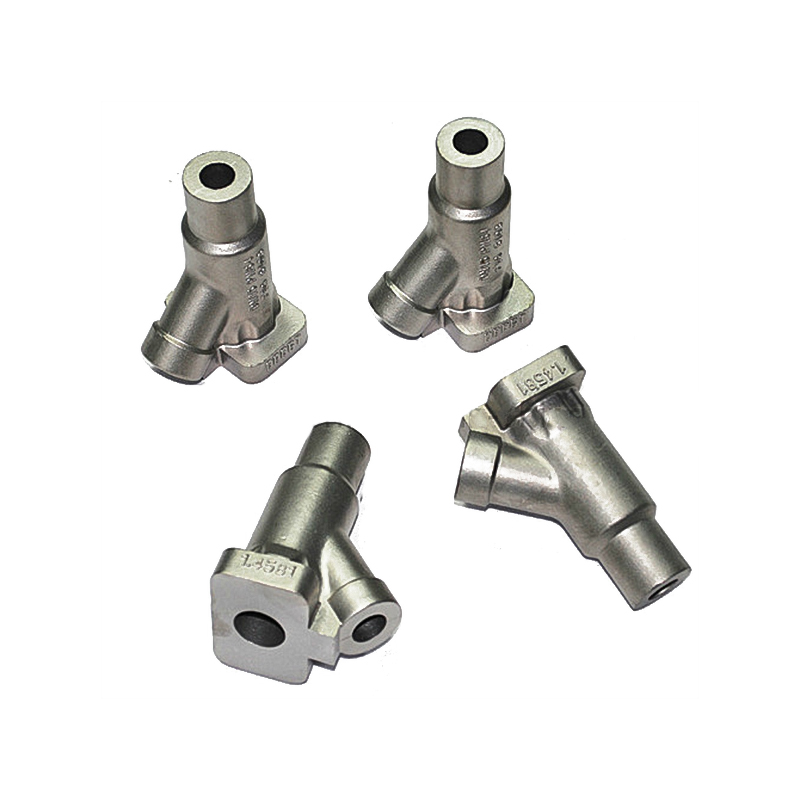
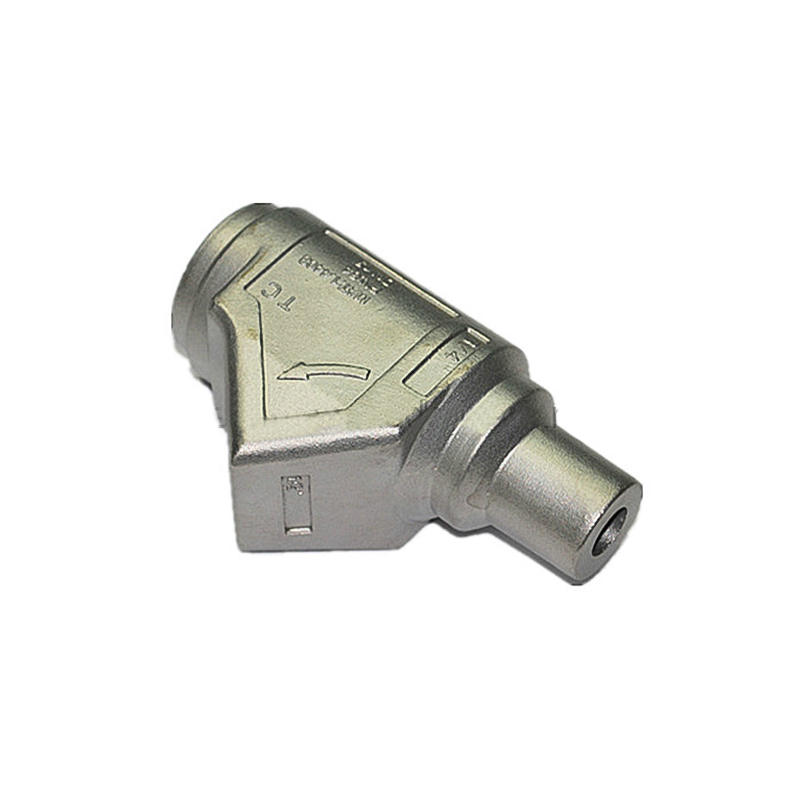
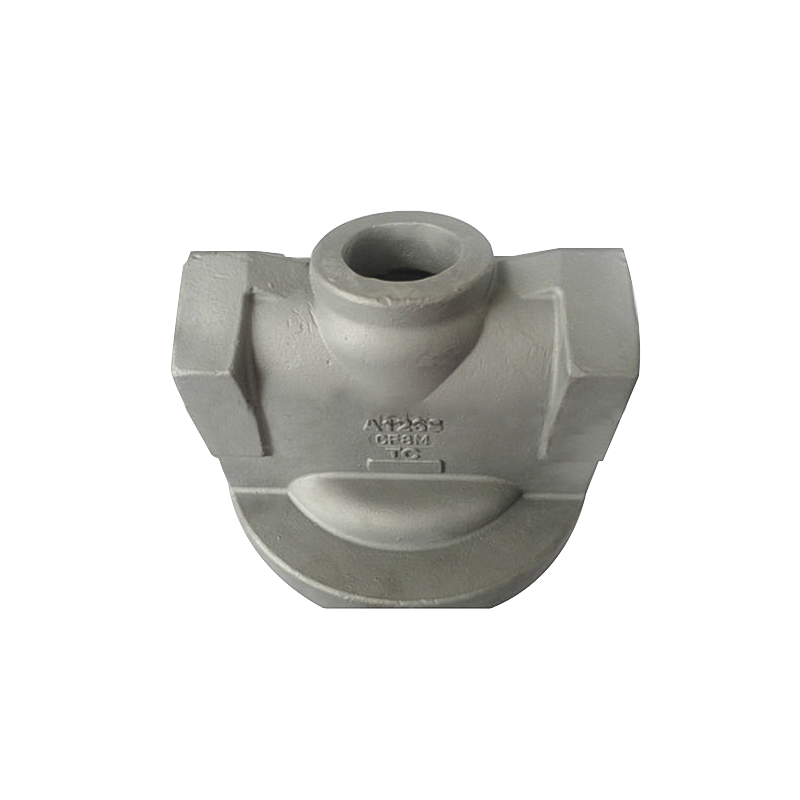
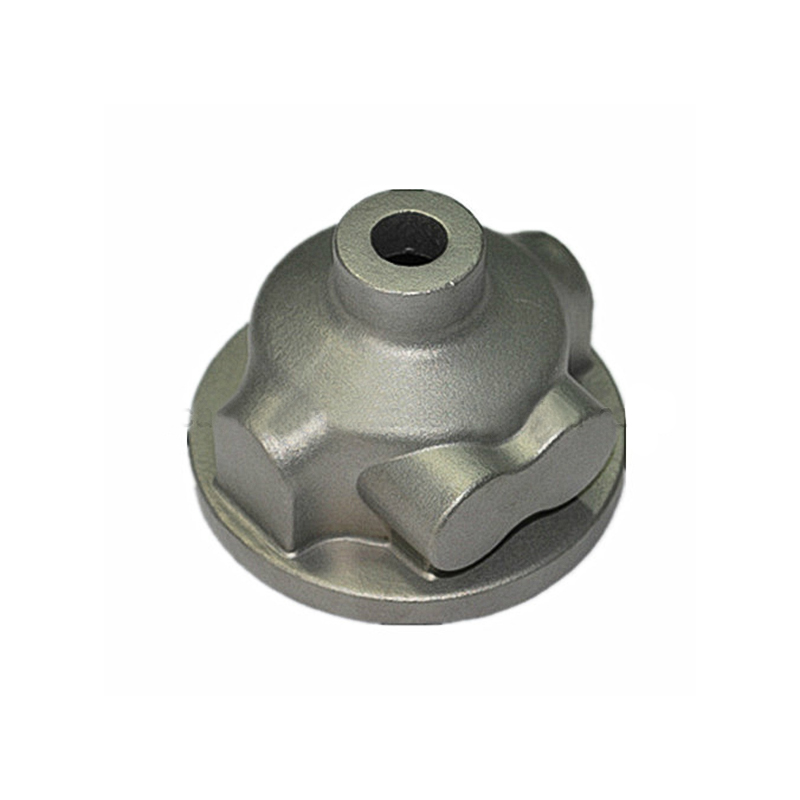
Selected Bearing Display

Contact Information
- Tel:+86-574-88067800/88067900
- Fax:+86-574-88067400
- Phone:+86-13967874638
- E-Mail:master@nbyifei.com
Products Links
Products Links
- Agricultural Machinery Casting Parts
- Auto Casting Parts
- Brass Die Casting Parts
- Casting Bucket Tooth And Accessory
- Container Casting Parts
- Investment Casting Parts
- Machinery Casting Parts
- Mining Machinery Casting Parts
- Railway And Train Casting Parts
- Sand Casting Parts
- Stamping & Forging Parts
- Valve Casting Parts
Contact Us
Copyright ©
Ningbo Hansheng Machinery Parts Co.,Ltd. All Rights Reserved
 Custom Die Castings Manufacturers
