

 English
 Deutsch
 简体中文
简体中文
Author: FTM
Date: Feb 04, 2026
How Investment Casting Parts Are Enhancing the Medical Device Industry
In the rapidly advancing world of medical technology, precision, reliability, and quality are paramount. The medical device industry relies on components that must meet stringent performance standards while ensuring patient safety and ease of use. Investment casting, also known as lost-wax casting, has emerged as a key manufacturing process that helps create complex, high-precision parts for medical devices. This versatile technique is increasingly being used in the production of medical components, offering distinct advantages that are enhancing the capabilities of medical devices across the board.
What is Investment Casting?
Investment casting is a precise and versatile manufacturing process used to create complex metal parts with a high degree of accuracy and intricate detail. The process involves creating a wax model of the part to be cast, coating it with a heat-resistant material (investment), and then heating it to remove the wax and form a mold. Molten metal is then poured into the mold to create the final part.
Investment casting is well-known for its ability to produce parts with excellent surface finish and dimensional accuracy, making it an ideal choice for industries like aerospace, automotive, and, of course, medical devices. The process can be used with a wide variety of metals, including stainless steel, titanium, and alloys, all of which are commonly used in medical device applications.
Why Investment Casting Parts Are Ideal for Medical Devices
High Precision and Complex Geometries
One of the primary reasons why Investment Casting Parts is so beneficial to the medical device industry is its ability to produce highly precise parts with intricate geometries. Many medical devices, such as surgical instruments, implants, and diagnostic tools, require parts that are not only small but also need to be designed with complex shapes, fine details, and tight tolerances. Traditional manufacturing methods, like machining or forging, can struggle to achieve the required level of precision and complexity without incurring higher costs or longer production times.
Investment casting, however, is well-suited to this task. The wax pattern used in the process can be made to replicate the exact shape of the final part, including intricate features like thin walls, deep cavities, and sharp corners. This allows manufacturers to produce medical components with a high degree of accuracy while minimizing material waste and reducing the need for further processing.
For example, parts like hip and knee implants, which require very precise dimensions to ensure proper functionality and fit, are often produced using investment casting. The ability to cast complex, geometrically challenging parts is particularly important in the medical device industry, where even slight deviations from specifications can compromise performance or safety.
Material Flexibility and Compatibility
Medical devices must often be made from materials that are biocompatible, corrosion-resistant, and capable of withstanding various stresses and strains. Investment casting offers a wide range of materials that are suitable for medical device manufacturing, including:
- Stainless Steel: Known for its corrosion resistance and strength, stainless steel is commonly used for surgical instruments, dental devices, and implants.
- Titanium and Titanium Alloys: Titanium is prized for its biocompatibility, making it a popular choice for implants and prosthetics.
- Cobalt-Chromium Alloys: These alloys offer excellent wear resistance and are used in components such as joint replacements and heart valve parts.
- Nickel Alloys: Often used in surgical instruments and devices that require strength and durability at high temperatures.
Investment casting allows manufacturers to use these materials without the need for additional processing steps like welding or heat treating. This flexibility ensures that the parts meet the required standards for both mechanical properties and biocompatibility, which is critical in the medical field.
Reduced Material Waste
In the medical device industry, where the cost of materials can be high, reducing material waste is a key concern. Investment casting is an inherently efficient process that minimizes waste. Since the wax used to create the molds is melted and reused, the amount of material that is discarded is significantly lower than in traditional manufacturing methods.
Moreover, the high precision of investment casting means that the final parts require less post-processing or finishing. With other methods, parts may need to be machined or polished, which can generate additional waste or costs. By producing parts with a high level of detail and precision right out of the mold, investment casting helps to reduce material consumption and lower overall production costs.
Consistency and Repeatability
Consistency is essential in the medical device industry, where even slight variations in part dimensions can affect the functionality and safety of the device. Investment casting offers a high level of repeatability, ensuring that each part produced is virtually identical to the last. The process allows manufacturers to create multiple parts from the same mold with minimal variations in size, shape, and surface finish.
This repeatability is especially important in the production of medical devices that require large volumes of components, such as disposable surgical tools or implantable devices. By using investment casting, manufacturers can maintain strict quality control standards while meeting production demands without compromising on quality.
Improved Strength and Durability
Medical devices often need to be able to withstand high-stress environments, especially in areas like orthopedics or cardiovascular applications. Investment casting produces parts with excellent strength, durability, and fatigue resistance, making it an ideal method for components that are subject to continuous wear and tear.
For example, joint replacement implants, such as knee or hip prosthetics, need to endure repeated movement and stress over extended periods. Investment casting ensures that these parts have the required mechanical properties to perform safely and effectively in the human body, including the ability to resist wear and corrosion.
Cost-Effectiveness for Complex Parts
While investment casting may not always be the cheapest option for simple parts, it offers significant cost savings when it comes to complex, precision-engineered components. The ability to produce intricate shapes in a single casting reduces the need for additional manufacturing steps such as machining, welding, or assembly. This not only shortens production times but also cuts labor and material costs.
For medical devices with intricate designs—like surgical instruments, catheters, and heart valve components—investment casting provides a more cost-effective solution than other manufacturing methods. By reducing the number of processes required, manufacturers can create these highly specialized components at a lower overall cost.
Applications of Investment Casting in the Medical Device Industry
Surgical Instruments
Investment casting is frequently used to produce high-precision surgical instruments such as forceps, scissors, and clamps. These instruments require tight tolerances, sharp edges, and corrosion resistance to ensure reliable performance during surgery. Investment casting enables manufacturers to create instruments with these qualities while maintaining cost-effectiveness and minimizing the need for post-production processing.
Implants and Prosthetics
Hip, knee, and dental implants, as well as prosthetic limbs, are commonly produced using investment casting. The process is particularly well-suited for manufacturing parts that need to be both lightweight and strong while meeting strict safety and biocompatibility standards. Materials like titanium and cobalt-chromium alloys are often used in these applications, ensuring the parts are durable and resistant to corrosion.
Diagnostic Devices
Medical devices used for diagnostics, such as imaging equipment components and sensors, benefit from the precision and accuracy provided by investment casting. The fine details and complex shapes needed for these components can be easily achieved using this casting method, allowing for reliable and consistent performance in diagnostic equipment.
Dental Devices
Dental implants, bridges, and crowns often require parts with intricate designs and precise measurements. Investment casting is ideal for producing these components, offering the required detail and durability while maintaining high aesthetic standards.
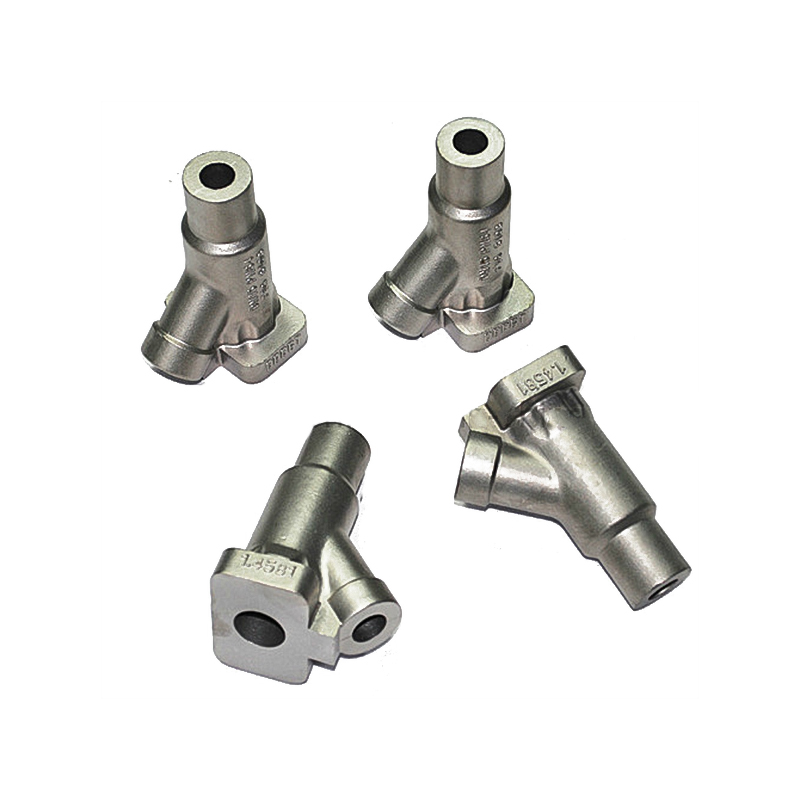
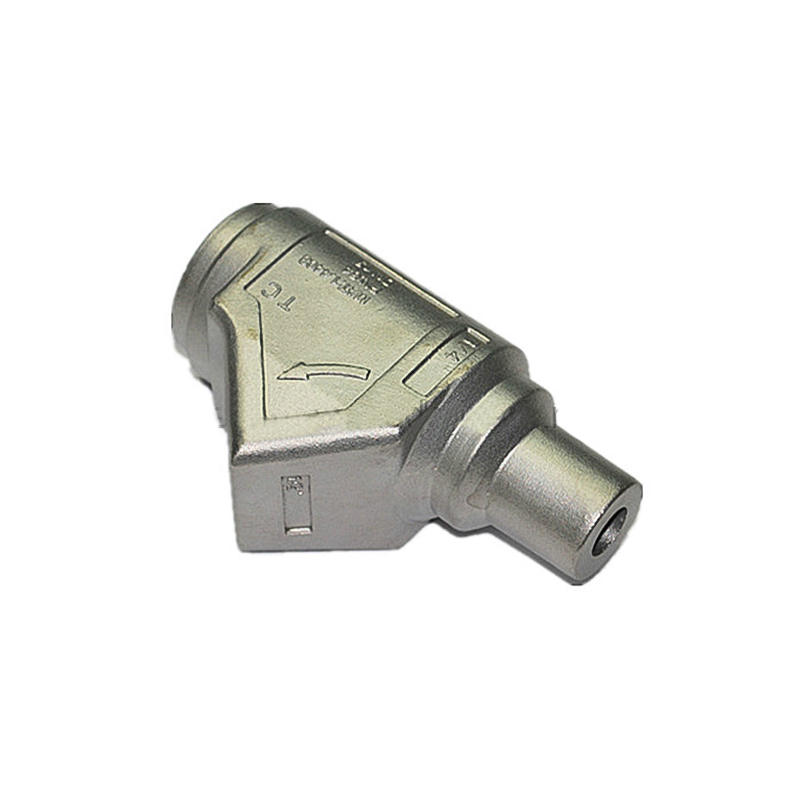
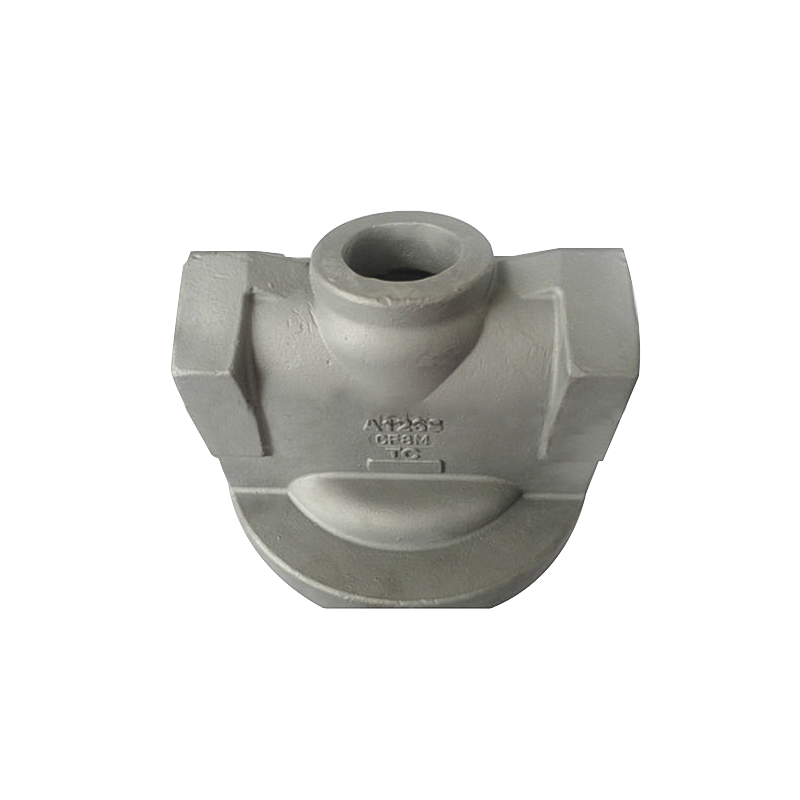
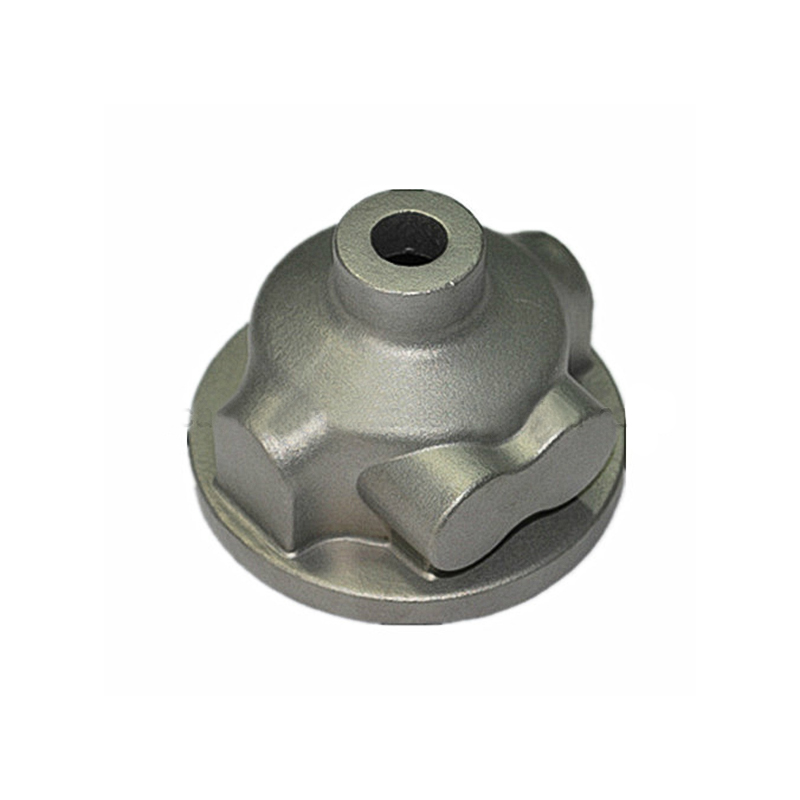
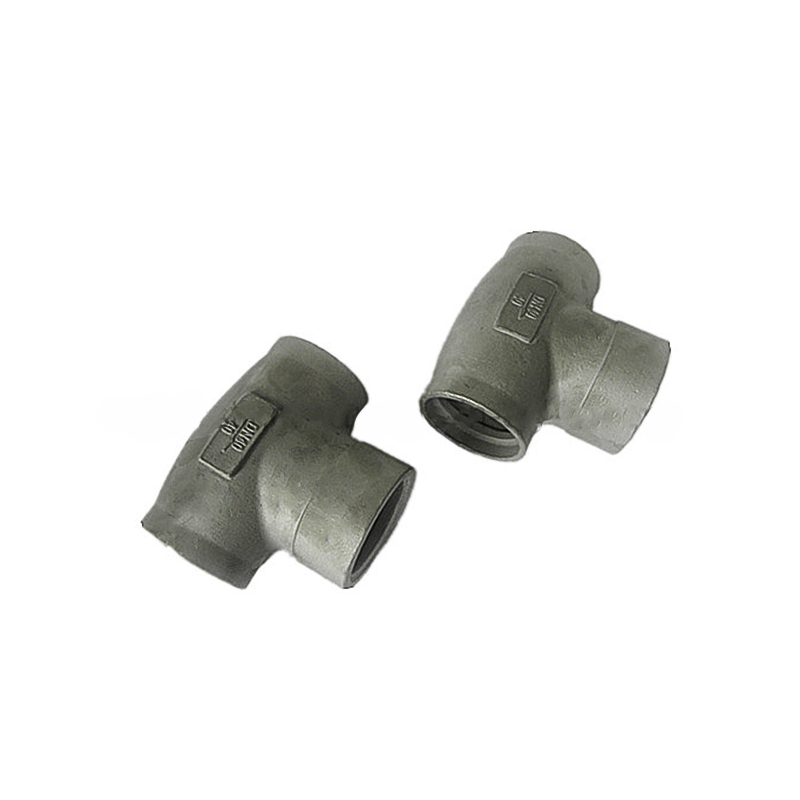
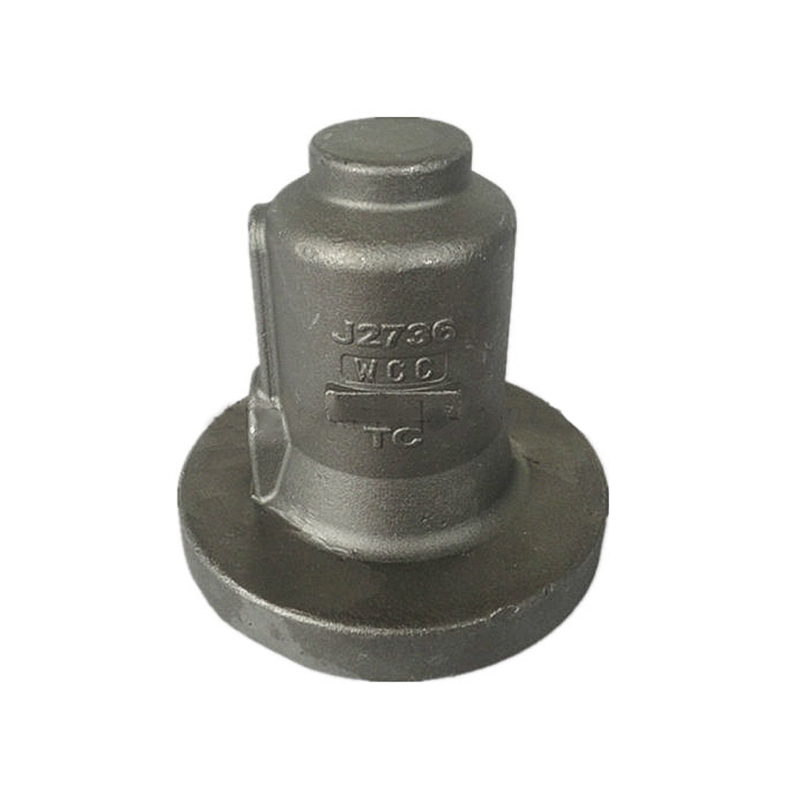
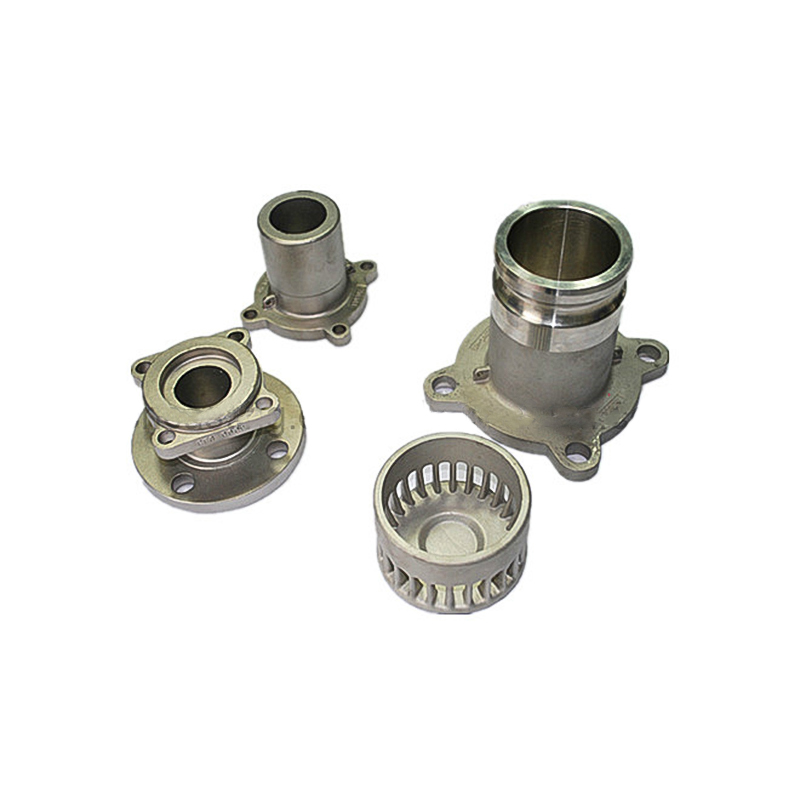
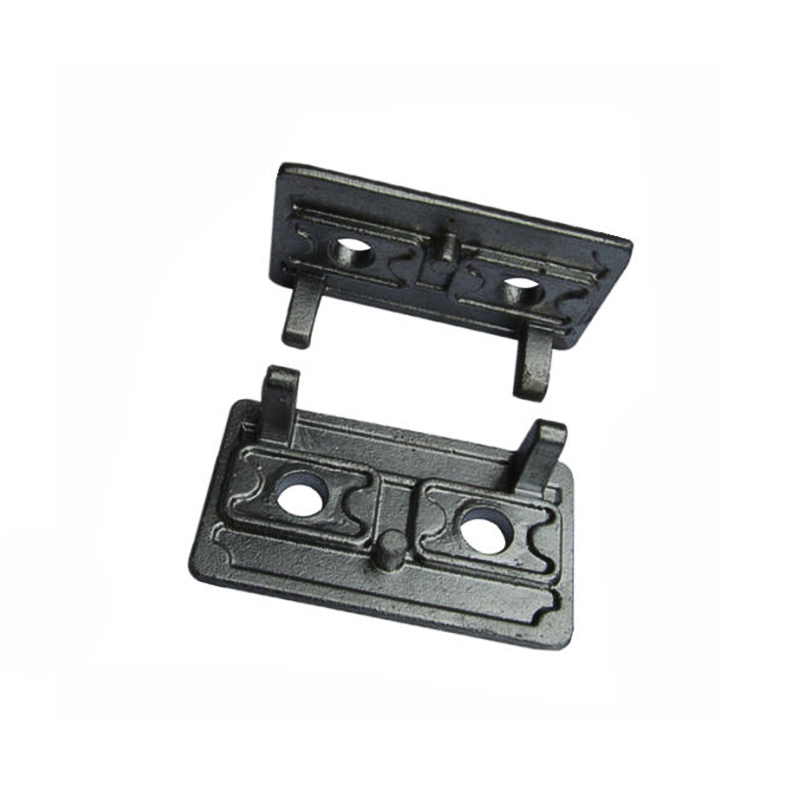
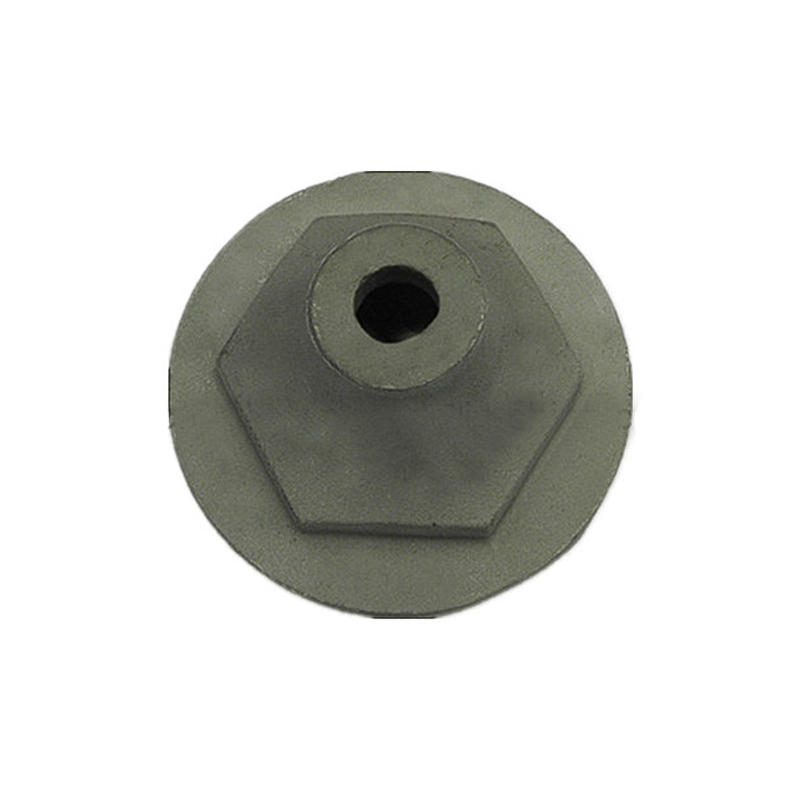
Selected Bearing Display

Contact Information
- Tel:+86-574-88067800/88067900
- Fax:+86-574-88067400
- Phone:+86-13967874638
- E-Mail:master@nbyifei.com
Products Links
Products Links
- Agricultural Machinery Casting Parts
- Auto Casting Parts
- Brass Die Casting Parts
- Casting Bucket Tooth And Accessory
- Container Casting Parts
- Investment Casting Parts
- Machinery Casting Parts
- Mining Machinery Casting Parts
- Railway And Train Casting Parts
- Sand Casting Parts
- Stamping & Forging Parts
- Valve Casting Parts
Contact Us
Copyright ©
Ningbo Hansheng Machinery Parts Co.,Ltd. All Rights Reserved
 Custom Die Castings Manufacturers
