

 English
 Deutsch
 简体中文
简体中文
Author: FTM
Date: Jan 21, 2026
Brass Die Casting Parts Reduce Production Time for Automotive Components
The automotive industry is constantly under pressure to produce vehicles more efficiently, reduce costs, and maintain high-quality standards. In this competitive landscape, manufacturers are continuously seeking ways to optimize production processes and improve component reliability. One technology that has significantly impacted automotive manufacturing is the use of Brass Die Casting Parts.
As a leading manufacturer and supplier of Brass Die Casting Parts, we have observed a growing trend among automotive OEMs and suppliers who are leveraging brass die casting to accelerate production while maintaining precision, durability, and cost-effectiveness. By integrating Brass Die Casting Parts into drivetrains, fuel systems, electrical connectors, and other critical components, manufacturers can achieve faster turnaround times without compromising on quality.
Understanding Brass Die Casting
Die casting is a manufacturing process in which molten metal is injected into a mold cavity under high pressure. When applied to brass, this technique offers a unique combination of precision, strength, and efficiency.
Brass Die Casting Parts are particularly well-suited for automotive applications due to several factors:
- High dimensional accuracy: Enables components to meet tight tolerances.
- Complex geometries: Allows the creation of intricate shapes without additional machining.
- Excellent corrosion resistance: Essential for fuel systems, electrical parts, and HVAC components.
- Reduced post-processing: Minimal machining or finishing is required compared to other metal fabrication methods.
These advantages directly contribute to reduced production time and enhanced performance in automotive manufacturing.
How Brass Die Casting Reduces Production Time
Traditional metal fabrication methods, such as machining from solid brass or forging, involve multiple steps, including cutting, shaping, and finishing. These processes are time-consuming, labor-intensive, and costly. In contrast, Brass Die Casting Parts streamline production in several ways:
One-Step Component Formation
Die casting allows for the direct creation of complex parts from molten brass in a single operation. This eliminates the need for multiple machining or assembly steps, enabling manufacturers to produce components faster.
For example, fuel injector housings or electrical connectors that might otherwise require several machined pieces can be produced as a single Brass Die Casting Part, significantly reducing assembly time.
Reduced Machining Requirements
Because die casting produces parts with high dimensional accuracy, many components require minimal secondary machining. This translates into:
- Fewer hours spent on lathes or CNC machines
- Reduced labor costs
- Shorter production cycles
Manufacturers benefit from faster throughput and can meet tight delivery schedules more easily.
Rapid Mold-Based Production
Die casting molds allow for repeated, consistent production of thousands of identical components. Once the mold is created, the cycle time per part can be as short as 30 to 90 seconds, depending on size and complexity.
Brass Die Casting Parts can therefore be produced in large quantities quickly, making them ideal for high-volume automotive production lines.
Reduced Assembly and Integration Time
By designing Brass Die Casting Parts to incorporate multiple features or sub-components into a single part, automotive manufacturers can reduce assembly steps. Fewer individual components mean less handling, fewer fasteners, and fewer chances for error during assembly.
This modular approach not only speeds up production but also improves reliability, as integrated parts reduce potential points of failure.
Advantages of Brass for Automotive Applications
Brass is a preferred material in die casting due to its combination of mechanical properties, corrosion resistance, and aesthetic appeal. Key advantages include:
- Corrosion Resistance: Essential for fuel systems, water-cooling components, and electrical connectors.
- Durability: Brass can withstand repeated stress and mechanical wear, extending component life.
- Thermal Conductivity: Ideal for heat-dissipating applications such as HVAC and engine components.
- Machinability: Even after casting, brass is easy to machine or finish for critical surfaces.
When used in die casting, brass provides a high-strength, low-maintenance solution that is perfect for modern automotive demands.
Key Automotive Applications of Brass Die Casting Parts
Brass Die Casting Parts are increasingly common in a wide range of automotive systems. Some of the primary applications include:
Fuel System Components
Brass die casting is ideal for fuel system components, including:
- Fuel injector housings
- Fuel rails
- Valve bodies
These parts require precision, corrosion resistance, and reliability under high pressure. Using Brass Die Casting Parts reduces both production time and the need for post-processing, allowing manufacturers to meet production targets faster.
Electrical and Electronic Components
Modern vehicles rely heavily on electrical systems, from battery terminals to connectors for sensors and wiring harnesses. Brass die casting provides:
- High conductivity for electrical parts
- Dimensional precision for tight-fitting connectors
- Corrosion resistance for long-term reliability
By producing electrical connectors as single Brass Die Casting Parts, manufacturers can reduce assembly steps and ensure consistent quality across high volumes.
Drivetrain and Transmission Components
Certain small drivetrain components, such as bushings, couplings, or gear housings, benefit from brass die casting due to its strength and wear resistance. The precision offered by Brass Die Casting Parts allows for tight tolerances and reduced friction, which enhances drivetrain efficiency.
HVAC and Engine Components
Brass is used in automotive heating, ventilation, and cooling systems due to its excellent thermal conductivity. Brass Die Casting Parts are employed in:
- Heat exchanger components
- Valve bodies
- Pump housings
The ability to produce complex shapes in a single casting reduces machining and assembly time, while maintaining high performance under temperature fluctuations.
Manufacturing Considerations for High-Quality Brass Die Casting Parts
To maximize the benefits of Brass Die Casting Parts, manufacturers follow strict quality and production standards:
- Material Selection: High-purity brass alloys with optimal mechanical and thermal properties are used.
- Precision Mold Design: Molds are engineered for uniform flow, minimal porosity, and repeatable accuracy.
- Controlled Casting Process: Temperature, pressure, and cooling rates are carefully monitored to prevent defects.
- Post-Processing and Inspection: Surface finishing, machining of critical areas, and dimensional inspections ensure consistency.
Adhering to these standards guarantees that Brass Die Casting Parts deliver high performance and long-term reliability.
Market Trends Driving Adoption
Several industry trends are increasing the demand for Brass Die Casting Parts in automotive manufacturing:
- Mass Production Requirements: High-volume vehicle production demands fast, consistent, and reliable component manufacturing.
- Electrification of Vehicles: Electric vehicles require precise brass components for electrical connectors and thermal management systems.
- Complex Component Designs: Modern automotive parts often require intricate shapes that are more efficiently produced via die casting than traditional machining.
- Cost and Time Efficiency: OEMs prioritize processes that reduce labor and machining time while maintaining quality.
- Sustainability Focus: Die casting generates less material waste compared to subtractive manufacturing, aligning with eco-friendly production goals.
These trends reinforce the growing role of Brass Die Casting Parts in automotive production globally.
Advantages for Automotive Manufacturers and Suppliers
Using Brass Die Casting Parts provides tangible benefits for OEMs and suppliers:
- Faster Production Cycles: Reduced machining and assembly times accelerate throughput.
- Lower Production Costs: Fewer steps and less labor-intensive processes reduce expenses.
- Consistent Quality: Mold-based production ensures uniformity across thousands of parts.
- Enhanced Reliability: Integrated designs reduce the number of components and potential failure points.
- Scalability: Large volumes can be produced efficiently without compromising precision.
These advantages make brass die casting a preferred choice for automotive component production.
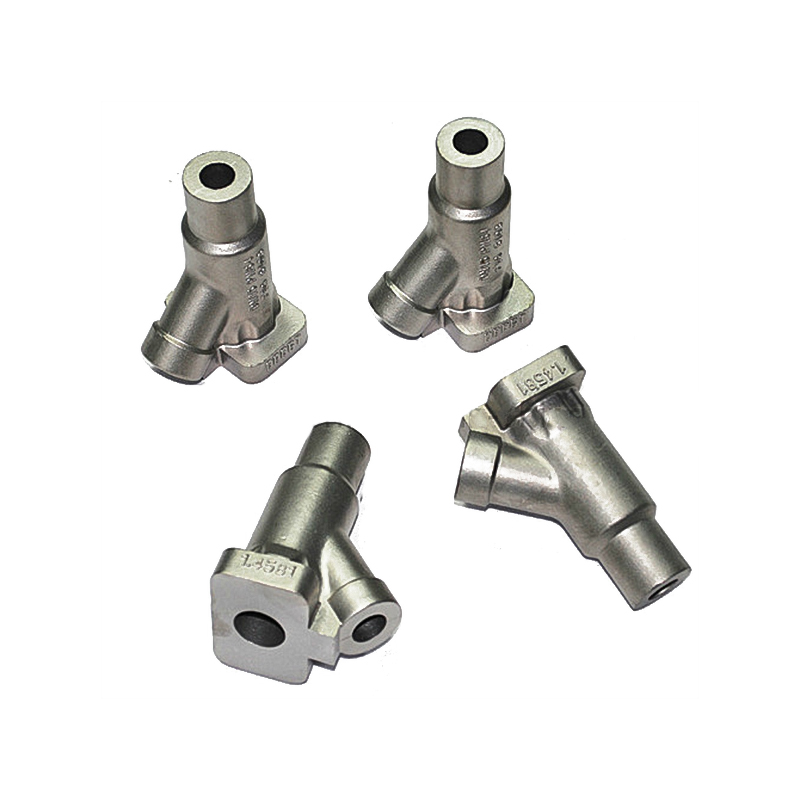
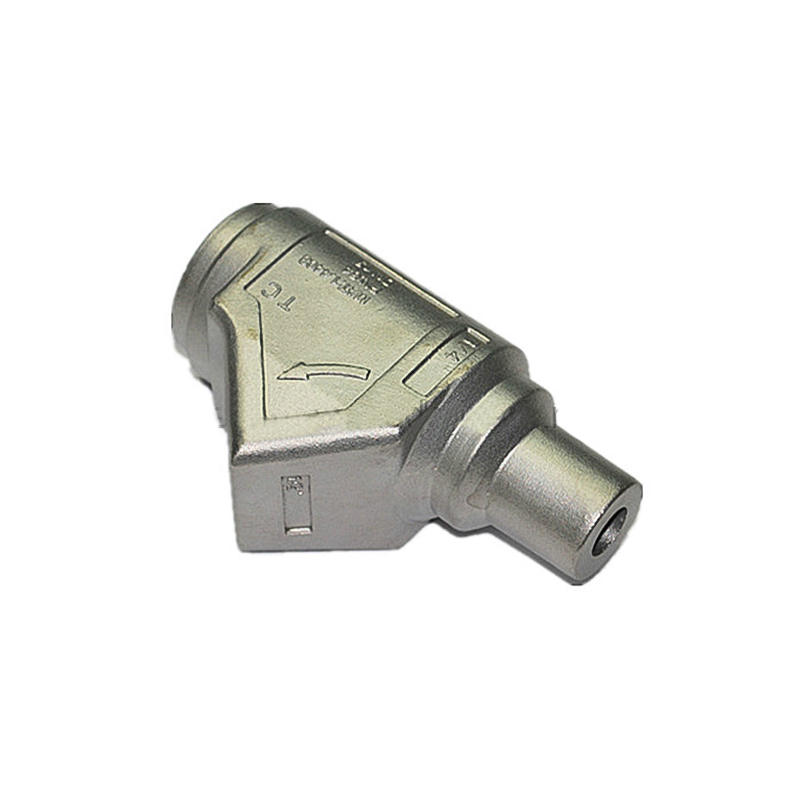
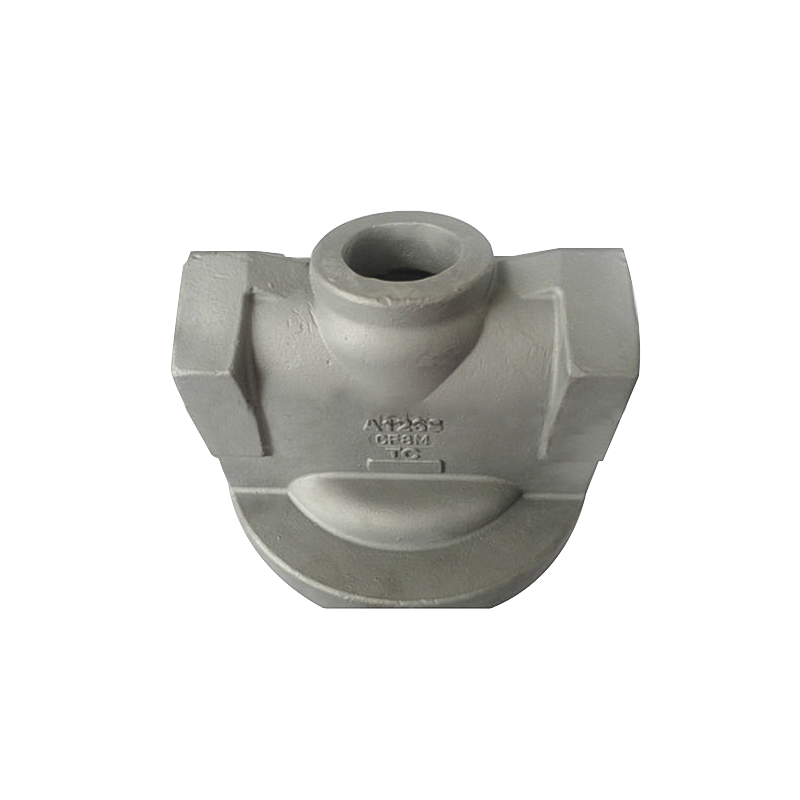
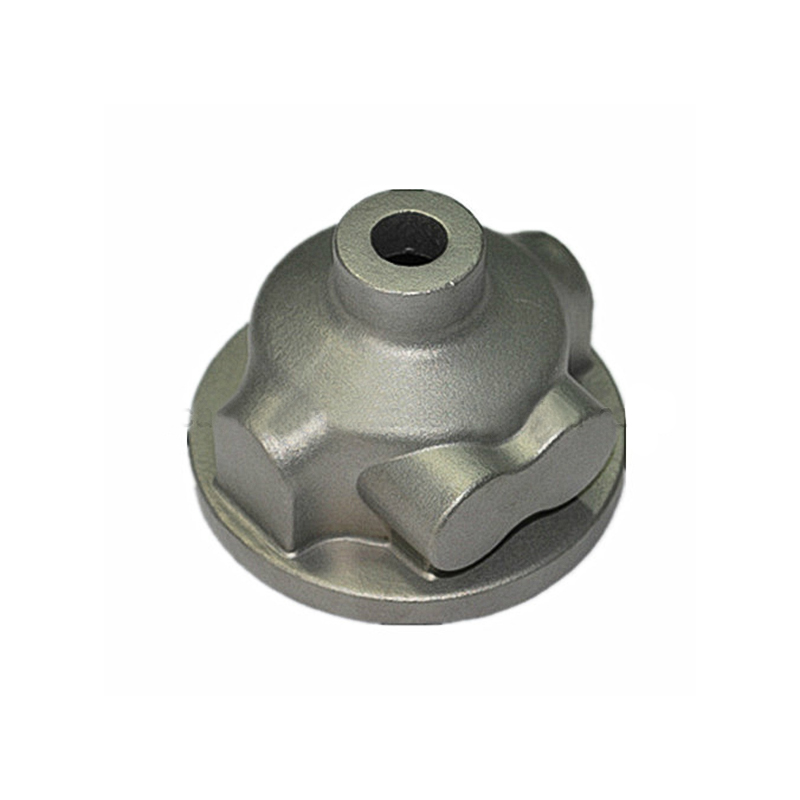
Selected Bearing Display
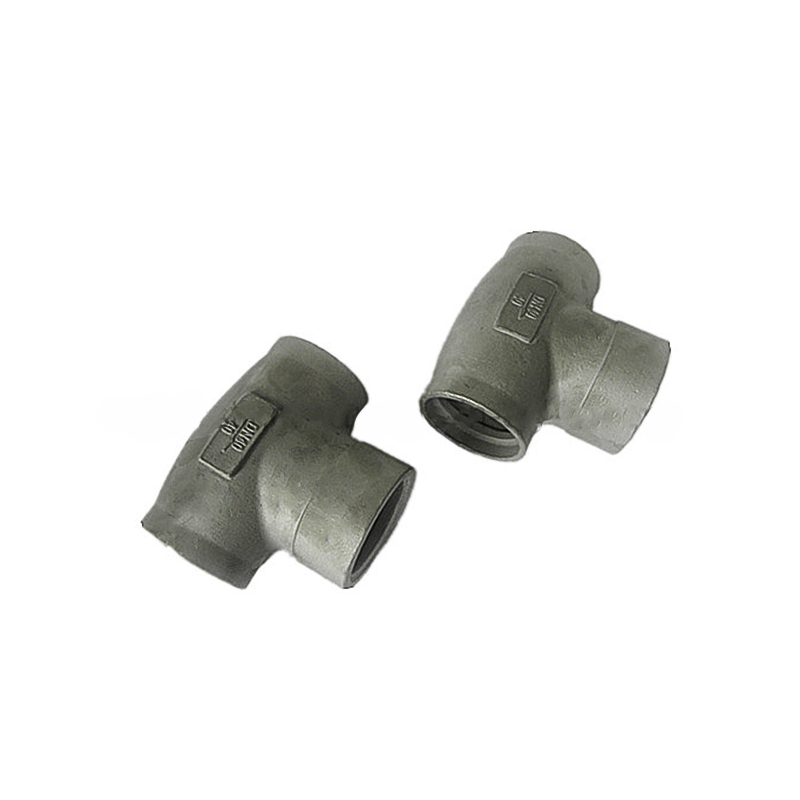
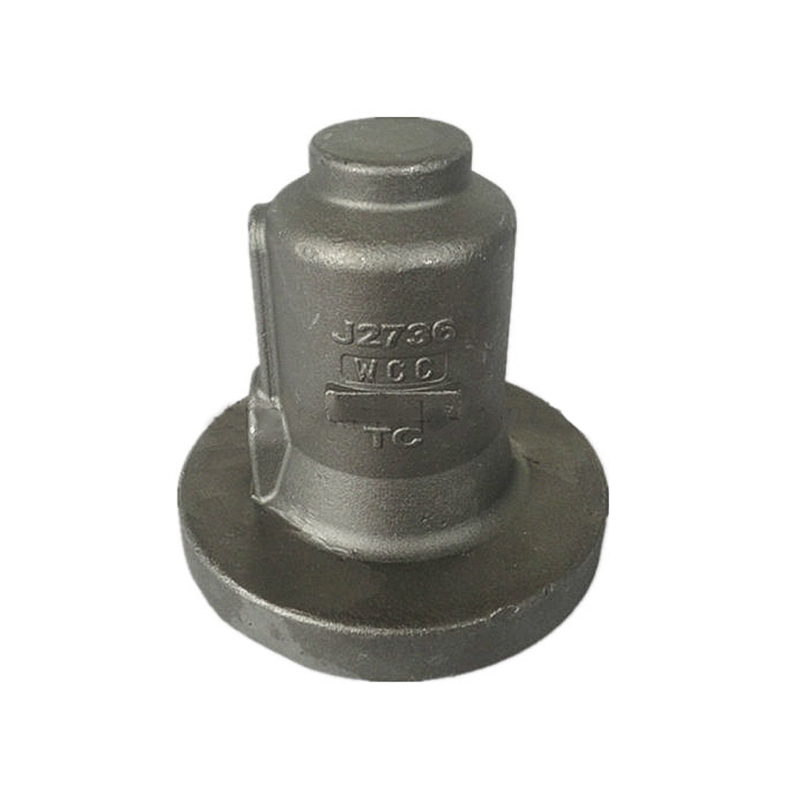
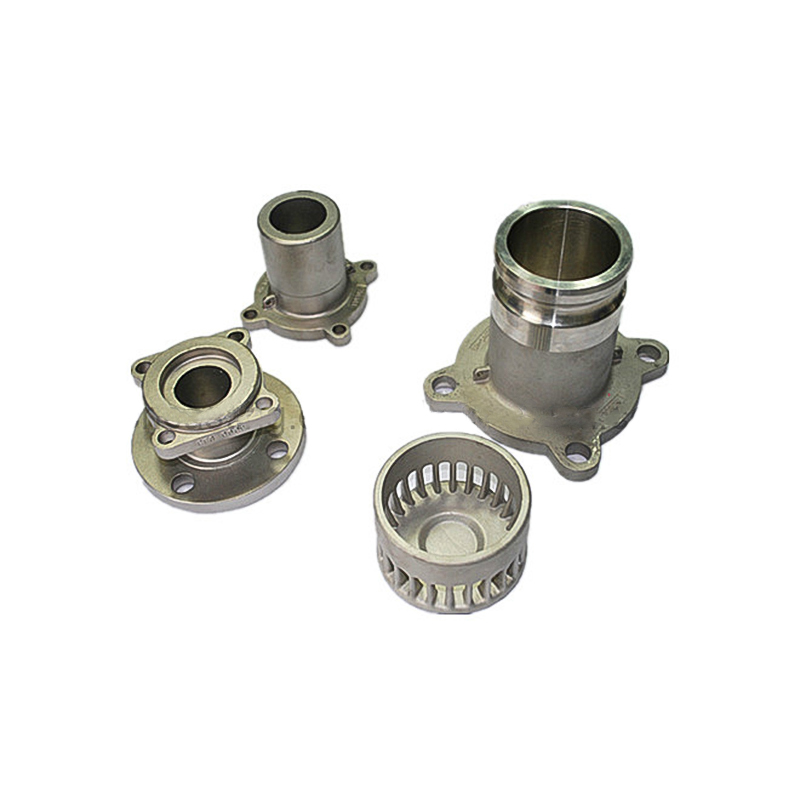
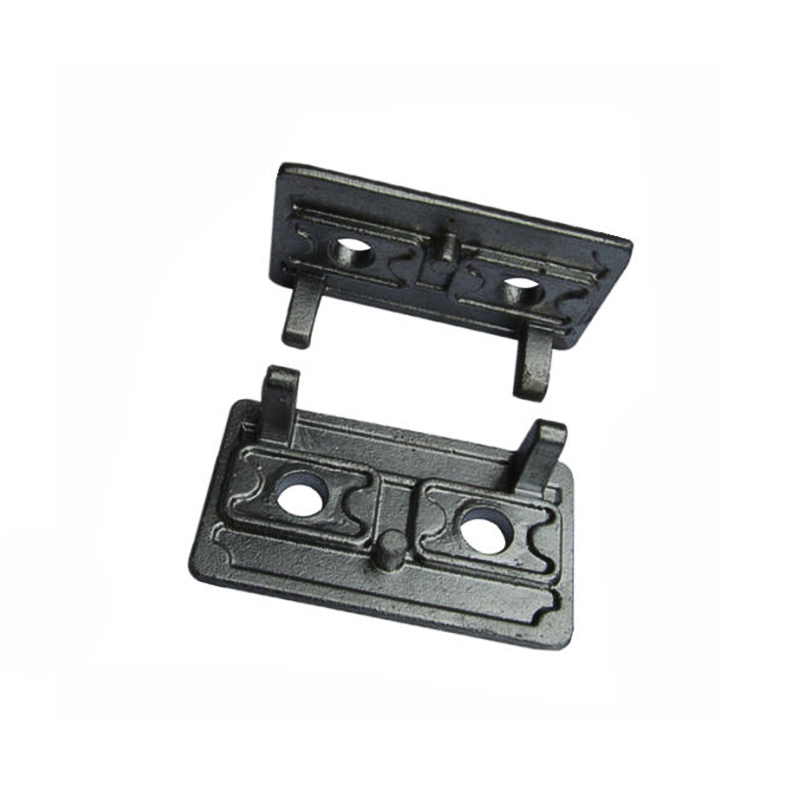

Contact Information
- Tel:+86-574-88067800/88067900
- Fax:+86-574-88067400
- Phone:+86-13967874638
- E-Mail:master@nbyifei.com
Products Links
Products Links
- Agricultural Machinery Casting Parts
- Auto Casting Parts
- Brass Die Casting Parts
- Casting Bucket Tooth And Accessory
- Container Casting Parts
- Investment Casting Parts
- Machinery Casting Parts
- Mining Machinery Casting Parts
- Railway And Train Casting Parts
- Sand Casting Parts
- Stamping & Forging Parts
- Valve Casting Parts
Contact Us
Copyright ©
Ningbo Hansheng Machinery Parts Co.,Ltd. All Rights Reserved
 Custom Die Castings Manufacturers
