

 English
 Deutsch
 简体中文
简体中文
Author: FTM
Date: Jan 14, 2026
How Auto Casting Parts Contribute to Weight Reduction in Automotive Designs
As the automotive industry continues to evolve, manufacturers are increasingly focused on improving fuel efficiency, reducing carbon emissions, and enhancing vehicle performance. One of the most effective ways to achieve these goals is by reducing the overall weight of vehicles. Lighter vehicles use less fuel, generate fewer emissions, and often offer better handling and acceleration. A key technology that plays a significant role in achieving weight reduction in modern automotive designs is auto casting parts. These parts, which are created using advanced casting techniques, contribute to the lightweighting of vehicles while maintaining strength, durability, and performance.
What Are Auto Casting Parts?
Auto casting parts are components produced through a casting process, in which liquid metal is poured into a mold to create the desired shape. This technique is widely used in the automotive industry for producing a range of parts, including engine blocks, transmission housings, wheel rims, suspension components, and more. The casting process allows for complex shapes and high precision, making it ideal for creating parts that need to meet stringent performance and safety standards.
The most common materials used in auto casting include:
- Aluminum: Known for its light weight, corrosion resistance, and excellent strength-to-weight ratio, aluminum is one of the most popular materials for auto casting parts. It is widely used in engine components, transmission cases, and body panels.
- Magnesium: Magnesium is even lighter than aluminum and is increasingly being used in the automotive sector, especially for parts that require high strength with minimal weight, such as transmission housings and wheels.
- Cast Iron: Though heavier than aluminum or magnesium, cast iron is still used in some applications, particularly for engine blocks and brake components, where its strength and durability are essential.
- Zinc: Zinc is often used for casting small parts like locks, latches, and housings, due to its ease of casting and good mechanical properties.
By utilizing these materials and the precision of the casting process, auto casting parts allow manufacturers to produce components that are lighter than traditional alternatives without compromising on strength or performance.
How Auto Casting Parts Contribute to Weight Reduction
Lightweight Materials for High-Performance Parts
The use of lightweight materials like aluminum and magnesium is one of the primary ways auto casting parts contribute to weight reduction. Traditional materials such as steel and cast iron are much heavier, and while they offer strength and durability, they add unnecessary weight to the vehicle. With the increasing demand for more fuel-efficient and environmentally friendly vehicles, lightweight casting materials have become essential in reducing overall vehicle weight.
For example, an aluminum engine block can weigh up to 50% less than its cast iron counterpart, which has a significant impact on the overall weight of the vehicle. By replacing steel or cast iron parts with aluminum or magnesium, manufacturers can significantly reduce the weight of the engine, transmission, and other critical components, contributing to better fuel efficiency and reduced carbon emissions.
Complex Geometries for Weight Optimization
Casting allows manufacturers to create complex geometries that would be difficult or impossible to achieve with other manufacturing methods, such as machining or forging. These intricate designs can help optimize the structure of automotive parts, ensuring that they are both lightweight and strong.
For example, aluminum or magnesium castings can be designed with thin walls in non-load-bearing areas, reducing weight without sacrificing strength where it is needed most. This is especially useful in components such as suspension arms, brackets, and housings, where intricate designs can be used to create parts that are lighter yet still capable of withstanding high stress and pressure.
In addition, casting enables the creation of parts with integrated features, such as mounting points, ribs, and channels, that would typically require multiple components in a traditional assembly. This not only reduces the number of parts but also allows for the reduction of material usage, further contributing to weight savings.
Integration of Multiple Parts into One Component
Auto casting techniques, particularly die casting and sand casting, offer the ability to integrate multiple parts into a single, unified component. This is particularly important in automotive design, where minimizing the number of parts in an assembly can lead to both weight reduction and simplification of the manufacturing process.
For example, an engine block or transmission housing can be cast as a single piece with built-in features like mounts, ducts, and support structures. This eliminates the need for separate parts and fasteners, which can add weight. By integrating multiple components into one, manufacturers can reduce the overall weight of the vehicle and improve the efficiency of the assembly process.
Enhanced Strength-to-Weight Ratio
One of the major advantages of auto casting is the ability to achieve a high strength-to-weight ratio. Advanced casting processes, such as high-pressure die casting, produce parts with a fine grain structure and excellent mechanical properties. This enables parts to be both lightweight and durable, making them suitable for high-stress applications.
For example, cast aluminum parts can be designed to handle the same loads as heavier steel components, but with much less weight. This is crucial for critical automotive components such as engine blocks, transmission cases, and wheel rims, where both strength and weight savings are essential.
Additionally, the use of materials like magnesium, which has an even better strength-to-weight ratio than aluminum, allows for further weight reduction while maintaining strength. Magnesium alloy castings are used in applications such as transmission housings, engine blocks, and even seat frames, where reducing weight is particularly important for fuel efficiency.
Benefits of Weight Reduction in Automotive Designs
Improved Fuel Efficiency and Reduced Emissions
One of the most immediate benefits of weight reduction in automotive designs is improved fuel efficiency. Lighter vehicles require less energy to move, meaning that the engine does not have to work as hard to accelerate or maintain speed. This translates to better fuel economy, which is a key factor in reducing the environmental impact of vehicles.
According to industry studies, every 10% reduction in vehicle weight can lead to a 6-8% improvement in fuel economy. This is especially important as manufacturers work to meet increasingly stringent fuel economy standards and reduce greenhouse gas emissions.
Enhanced Vehicle Performance
In addition to fuel efficiency, reducing vehicle weight can improve overall performance. Lighter vehicles generally offer better acceleration, handling, and braking, as less energy is required to move the vehicle. This can result in a more responsive and agile driving experience, particularly in performance and sports cars.
For example, lighter wheels made from cast aluminum or magnesium can reduce unsprung weight, improving handling and ride quality. Additionally, lighter body panels and chassis components allow for a more nimble and responsive vehicle, which can enhance both safety and driver satisfaction.
Cost Savings in Manufacturing
While lightweight materials like aluminum and magnesium may be more expensive than steel or cast iron, the long-term cost savings associated with weight reduction can be significant. Lighter vehicles often require smaller, more efficient engines, which can reduce manufacturing costs. Additionally, reducing weight can simplify the assembly process by integrating multiple parts into one, reducing the number of components that need to be produced and assembled.
For manufacturers, this means lower production costs and shorter lead times, which can result in higher profit margins. Consumers also benefit from lower costs, as lighter vehicles often come with improved fuel economy and longer-lasting components.
Improved Safety
Interestingly, reducing vehicle weight does not necessarily compromise safety. Modern casting technologies allow manufacturers to create parts that are both lightweight and strong, ensuring that critical safety features, such as crash structures and impact zones, are not compromised. In fact, lightweight vehicles often have improved crash performance due to better energy absorption and more efficient crumple zones.
By reducing the weight of non-critical components, manufacturers can allocate more weight to safety features without affecting the overall vehicle performance. This results in safer, more efficient vehicles.
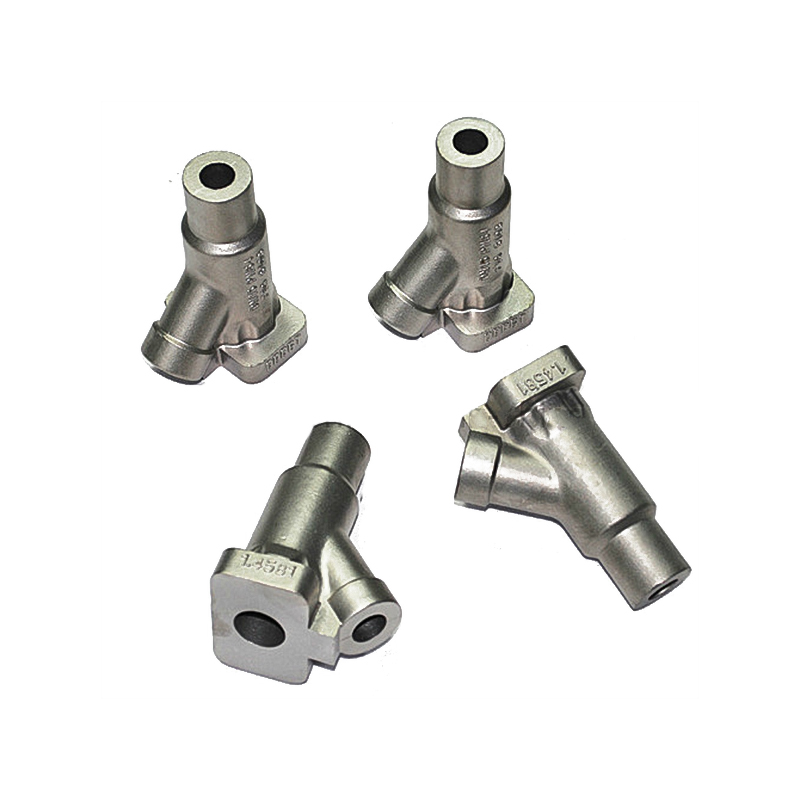
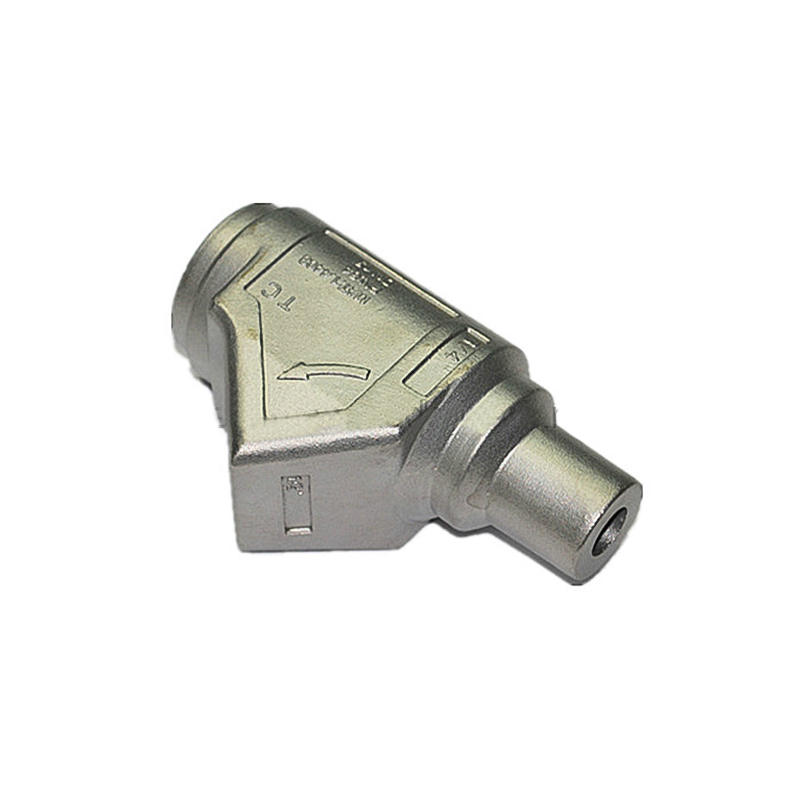
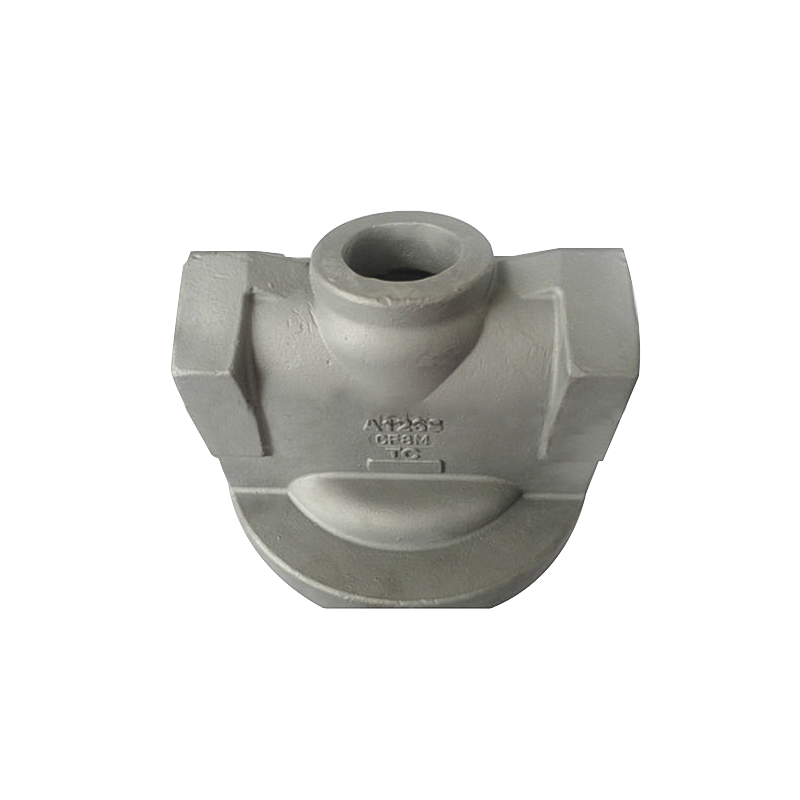
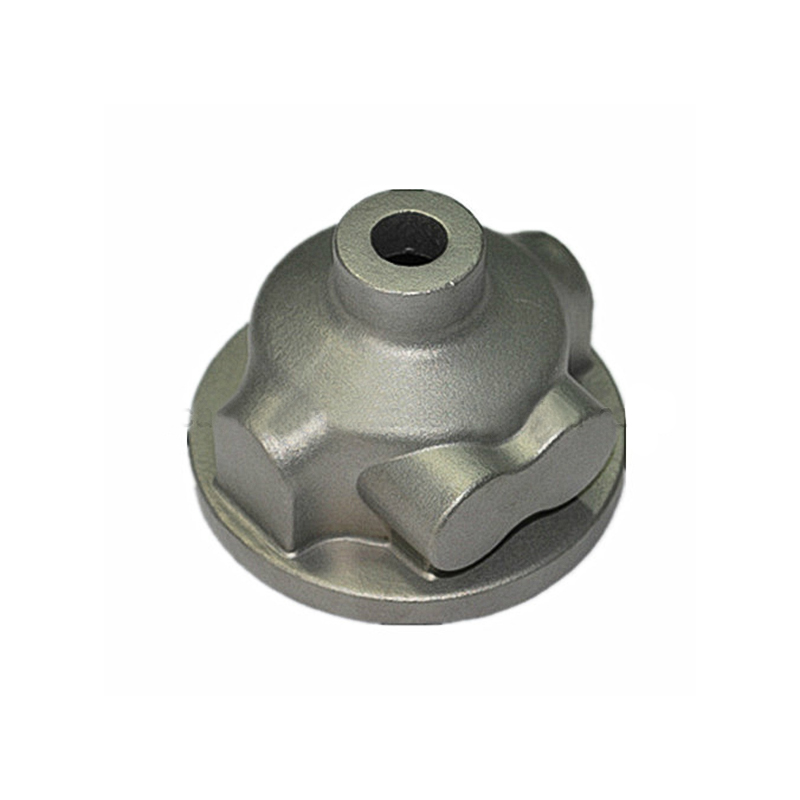
Selected Bearing Display

Contact Information
- Tel:+86-574-88067800/88067900
- Fax:+86-574-88067400
- Phone:+86-13967874638
- E-Mail:master@nbyifei.com
Products Links
Products Links
- Agricultural Machinery Casting Parts
- Auto Casting Parts
- Brass Die Casting Parts
- Casting Bucket Tooth And Accessory
- Container Casting Parts
- Investment Casting Parts
- Machinery Casting Parts
- Mining Machinery Casting Parts
- Railway And Train Casting Parts
- Sand Casting Parts
- Stamping & Forging Parts
- Valve Casting Parts
Contact Us
Copyright ©
Ningbo Hansheng Machinery Parts Co.,Ltd. All Rights Reserved
 Custom Die Castings Manufacturers
