

 English
 Deutsch
 简体中文
简体中文
Author: FTM
Date: Jan 07, 2026
How Agricultural Machinery Casting Parts Are Helping Farmers Adapt to Climate Change
As climate change continues to affect global weather patterns, agriculture is increasingly facing challenges in maintaining productivity and ensuring food security. Farmers are encountering more extreme weather conditions, such as droughts, floods, and temperature fluctuations, which can disrupt crop yields and make farming more unpredictable. In response to these challenges, technological innovations in agricultural machinery have become a key part of the solution, helping farmers cope with the changing environment. Among these innovations, the role of agricultural machinery casting parts is particularly significant.
Casting parts, which are integral components in farming machinery, are being designed and manufactured to enhance the durability, reliability, and efficiency of equipment used in agriculture. These advancements are providing farmers with the tools they need to adapt to unpredictable weather, manage resources more efficiently, and improve overall productivity.
The Role of Agricultural Machinery in Adapting to Climate Change
Agriculture is heavily influenced by climatic conditions, and farmers have always relied on weather patterns to determine the best times for planting, irrigation, and harvesting. However, with the increasing unpredictability of the weather due to climate change, farmers must adopt more flexible and efficient methods of farming to mitigate risks and maintain productivity. This has led to the development of more advanced agricultural machinery, which can help farmers cope with changing environmental conditions.
Farm equipment plays a vital role in ensuring that crops are planted, cultivated, and harvested efficiently. As climate change brings more frequent and severe weather events, there is a greater need for machinery that can withstand harsher conditions, work with less water, and function more effectively in challenging environments. Agricultural machinery casting parts are central to the performance and longevity of these machines, providing the strength and resilience needed for them to operate under demanding conditions.
What Are Agricultural Machinery Casting Parts?
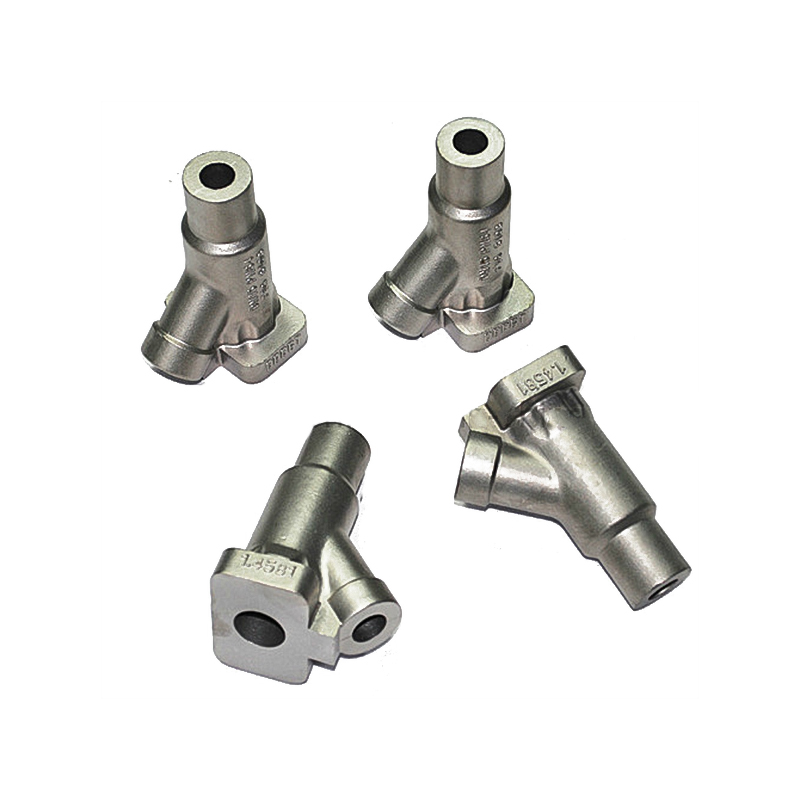
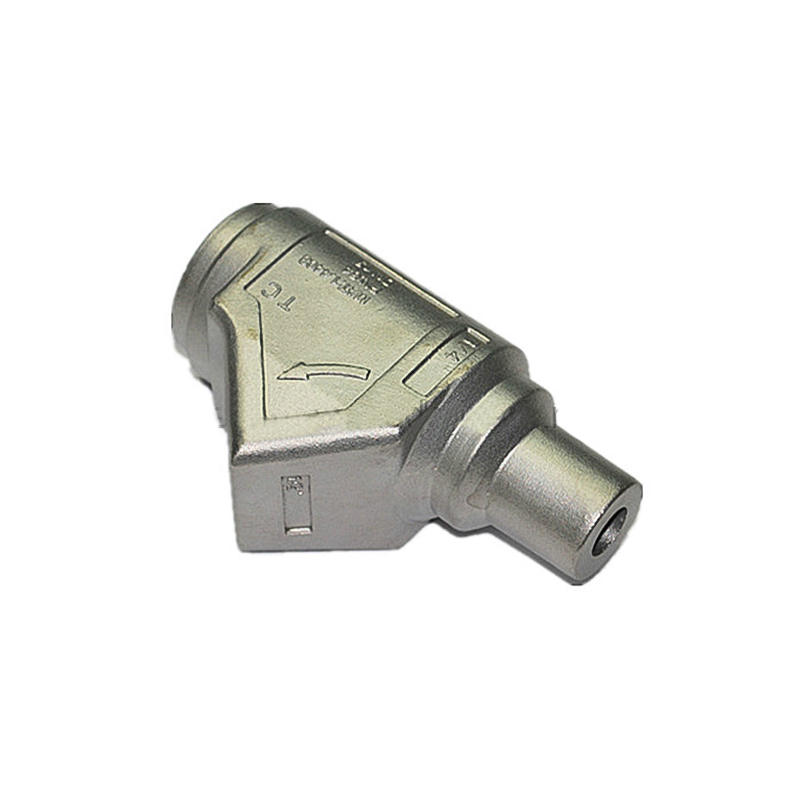
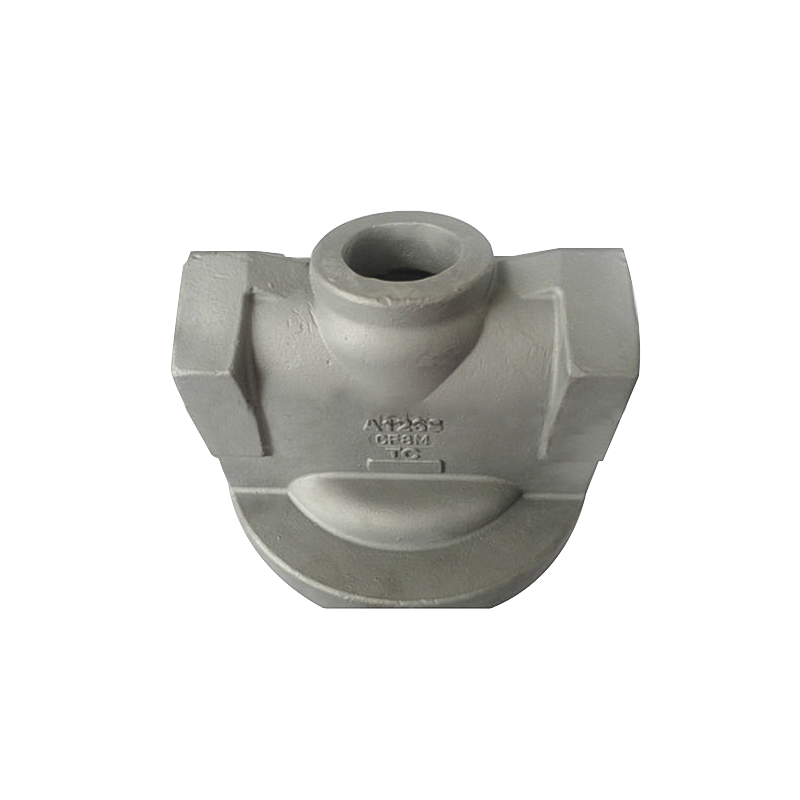
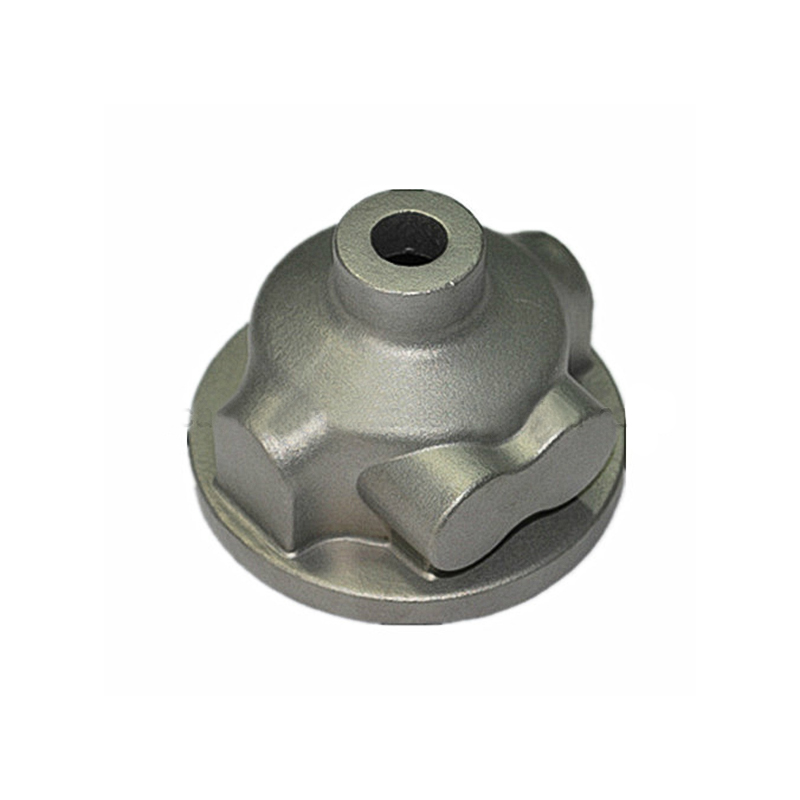
Casting parts are components made by pouring molten metal into a mold to create specific shapes that are essential to the functionality of agricultural machines. These parts are used in a wide range of agricultural equipment, such as tractors, combines, plows, seeders, and harvesters. Casting parts are critical in areas such as engine components, transmission systems, chassis, and structural supports.
Agricultural machinery casting parts are typically made from metals like cast iron, aluminum, and steel, which are known for their strength, durability, and resistance to wear. These materials are especially important in farming equipment, which is often exposed to rough conditions, heavy use, and constant exposure to the elements. The casting process allows manufacturers to create complex, high-strength components that can withstand high pressures, torque, and stress, ensuring that agricultural machinery remains operational for longer periods.
How Agricultural Machinery Casting Parts Are Helping Farmers Adapt
Enhancing Durability and Longevity
One of the most critical features of agricultural machinery casting parts is their ability to enhance the durability of the equipment. In regions where extreme weather conditions, such as droughts or floods, are becoming more common, machinery is exposed to harsher environments and must operate under more demanding conditions. Agricultural machines are often used for extended hours in challenging terrains, so they need to be robust enough to endure these harsh conditions.
Casting parts made from high-quality materials, such as high-strength cast iron or steel, ensure that farming equipment can endure the stress of frequent use. For example, tractor engines and transmission systems are often subjected to intense loads, and without durable components, machinery can break down or experience performance issues. The advanced casting techniques used to manufacture these parts allow for improved strength, resistance to wear, and better overall performance, reducing the frequency of repairs and downtime for farmers.
Improved Efficiency in Resource Use
In a climate-affected world, resource management is more important than ever. Water scarcity, for example, is becoming a significant issue for farmers, especially in areas prone to drought. To mitigate these challenges, farming machinery needs to operate more efficiently, using fewer resources while still maintaining high productivity levels. Casting parts are crucial in enhancing the efficiency of machinery used for irrigation, planting, and harvesting.
One way agricultural machinery casting parts help improve efficiency is by reducing the weight of machines, allowing them to work more effectively in the field. Lighter machines are easier to maneuver, require less fuel, and place less strain on the land. For example, casting parts used in components such as frames, chassis, and suspension systems are designed to be lighter and more robust, improving fuel efficiency and reducing overall operational costs.
Furthermore, better-performing casting parts in engines and hydraulic systems ensure that agricultural machinery can operate with precision, allowing for more accurate and efficient planting and harvesting. This reduces waste and ensures that the available resources are used optimally, which is especially important when water and other natural resources are scarce.
Resilience to Extreme Weather Conditions
With the increasing frequency and severity of extreme weather events, agricultural machinery must be able to perform under more demanding circumstances. For example, heavy rainfall and floods can cause machinery to become bogged down or damaged if not designed to handle wet conditions. On the other hand, extreme heat or drought can cause overheating or excessive wear on machinery that is not built to withstand such stress.
Agricultural machinery casting parts are designed to improve the resilience of equipment to extreme weather conditions. For instance, specialized casting materials are used to create components that are resistant to corrosion caused by rain, mud, or chemicals. Cast iron and steel are highly durable materials that can withstand exposure to harsh conditions, such as high temperatures or corrosive substances, ensuring that farming equipment remains functional and reliable, even in challenging environments.
Moreover, casting parts with improved heat resistance help engines and other components run at optimal temperatures, preventing overheating during hot weather and allowing machinery to continue working effectively despite high temperatures.
Customization for Specific Agricultural Needs
Different farming regions have unique challenges when it comes to climate change, and equipment needs to be customized to suit specific environments. Casting parts play a significant role in this customization process, as they can be designed to meet the exact specifications of different agricultural machinery. Whether it’s for handling rocky terrain, navigating flooded fields, or operating under drought conditions, casting parts are made to provide the right balance of strength, weight, and performance for each application.
For example, custom casting parts can be created for farming machinery used in areas with sandy soils, where machines must endure more abrasion and wear. Alternatively, casting parts designed for farming in flood-prone areas may need to incorporate materials resistant to corrosion and rust. The flexibility of the casting process allows manufacturers to create highly specialized components that help farmers tackle the specific challenges posed by climate change.
Reducing the Environmental Impact of Farming
As climate change accelerates, reducing the environmental footprint of farming has become a priority. Farmers are increasingly looking for ways to reduce emissions, minimize water usage, and lower the carbon footprint of their operations. The use of advanced agricultural machinery, with high-performance casting parts, plays a role in achieving these sustainability goals.
For instance, more efficient agricultural machinery can reduce fuel consumption, lower emissions, and minimize environmental damage. Improved casting materials and designs help create equipment that is more energy-efficient, ensuring that farming operations are more sustainable in the long run. This is particularly important in light of growing global demands for more sustainable farming practices, as well as regulations aimed at reducing agriculture’s environmental impact.
The Future of Agricultural Machinery Casting Parts
As climate change continues to reshape the agricultural landscape, the demand for innovative, durable, and efficient machinery will only increase. Agricultural machinery casting parts will continue to play a key role in helping farmers adapt to these changes, offering solutions that enhance the performance and sustainability of farming equipment.
The future of casting parts in agriculture will likely see further advancements in materials and manufacturing processes. For example, the development of more lightweight yet durable casting materials, such as advanced alloys and composites, will enable even greater fuel efficiency and machine performance. Moreover, as automation and precision farming technologies continue to grow, casting parts will be integrated into more advanced machinery designed to operate with higher precision and lower resource consumption.
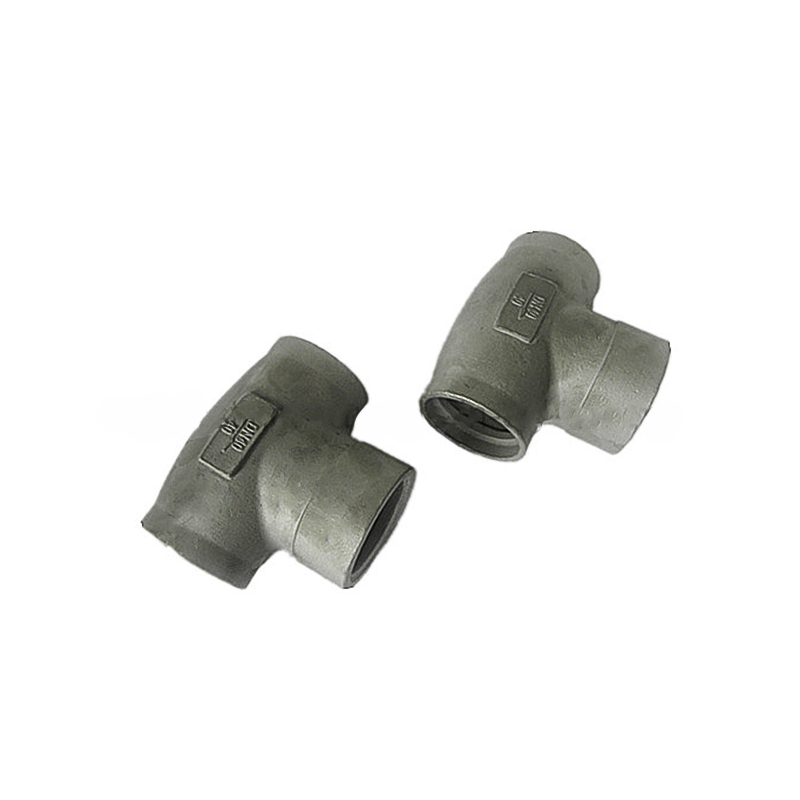
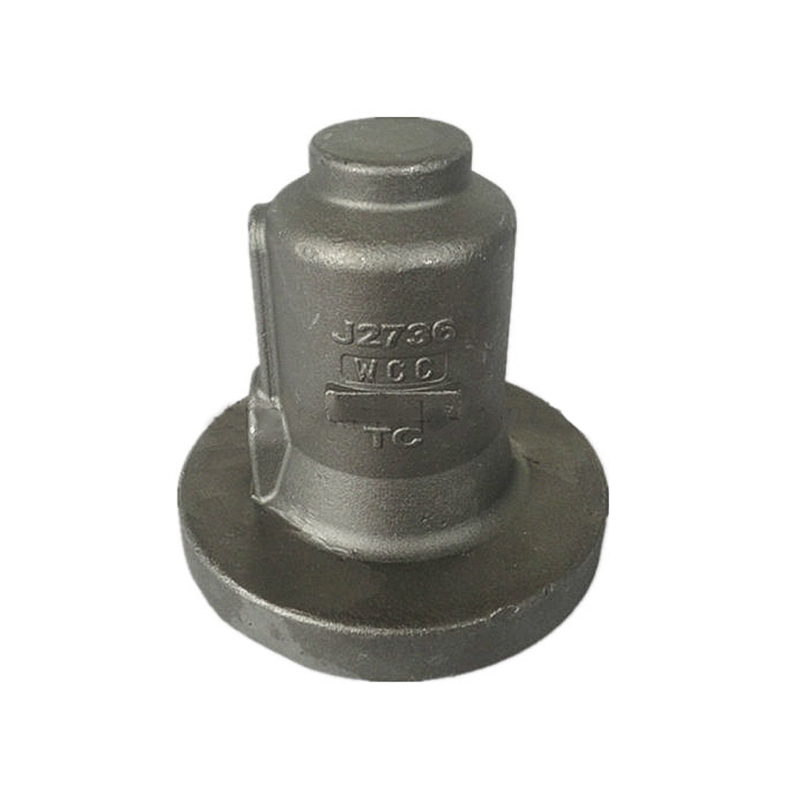
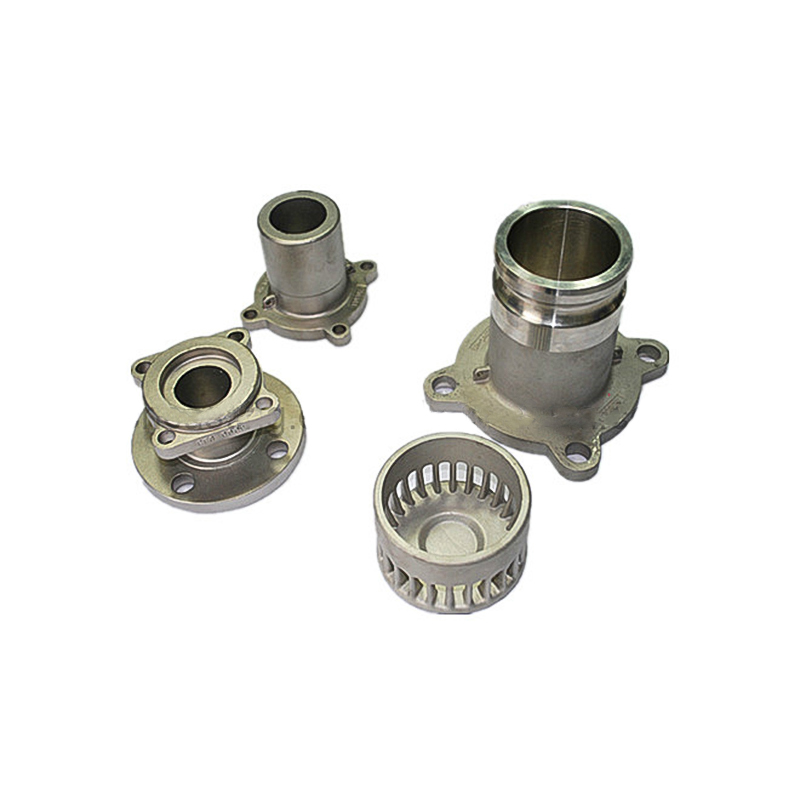
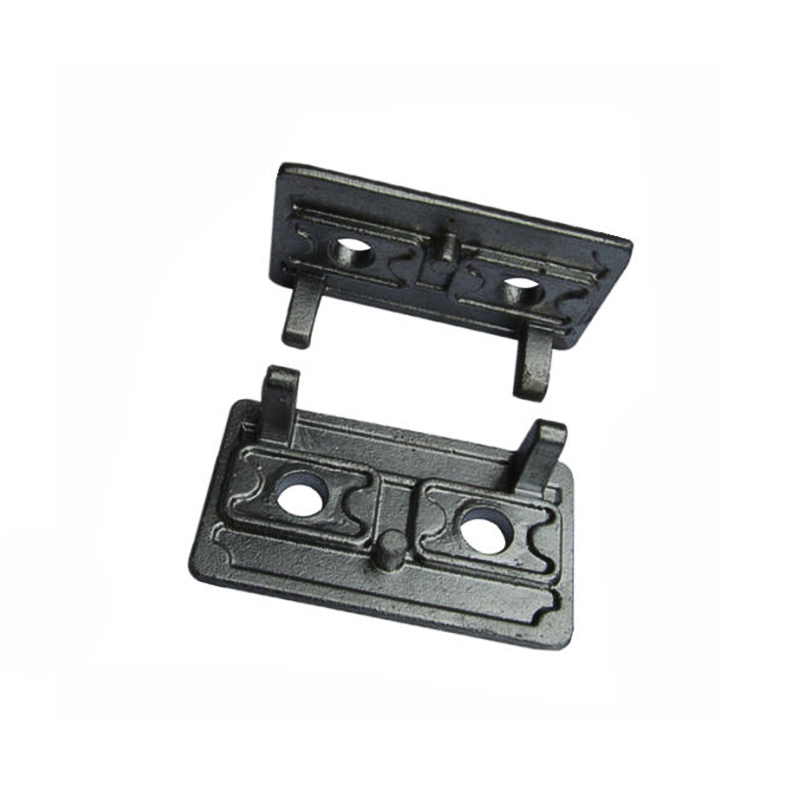
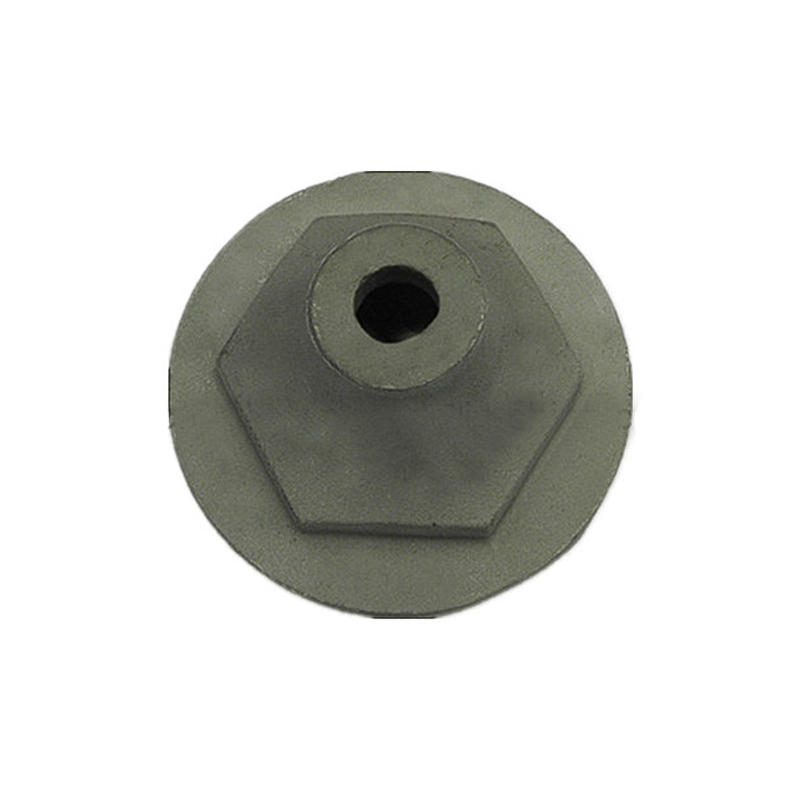
Selected Bearing Display

Contact Information
- Tel:+86-574-88067800/88067900
- Fax:+86-574-88067400
- Phone:+86-13967874638
- E-Mail:master@nbyifei.com
Products Links
Products Links
- Agricultural Machinery Casting Parts
- Auto Casting Parts
- Brass Die Casting Parts
- Casting Bucket Tooth And Accessory
- Container Casting Parts
- Investment Casting Parts
- Machinery Casting Parts
- Mining Machinery Casting Parts
- Railway And Train Casting Parts
- Sand Casting Parts
- Stamping & Forging Parts
- Valve Casting Parts
Contact Us
Copyright ©
Ningbo Hansheng Machinery Parts Co.,Ltd. All Rights Reserved
 Custom Die Castings Manufacturers
