

 English
 Deutsch
 简体中文
简体中文
Author: FTM
Date: Dec 31, 2025
Exploring the Role of Valve Body Parts in Automotive Transmission Systems
In modern vehicles, transmission systems play an essential role in transferring engine power to the wheels, enabling the vehicle to move smoothly and efficiently. Automotive transmission systems are complex assemblies that consist of several crucial components, and among the most important of these are valve body parts. These components are integral to the operation of automatic transmissions, ensuring that the vehicle's gears engage and disengage smoothly, and that the power is transmitted correctly.
What is a Valve Body in an Automotive Transmission?
The valve body is a central component in automatic transmission systems. It is essentially the control center for the transmission, directing hydraulic fluid to the correct places in the transmission to control gear shifts and various other operations. In simple terms, the valve body determines when and how the transmission shifts gears by controlling the flow of transmission fluid through the system.
The valve body contains a series of valve body parts, such as solenoids, valves, springs, and hydraulic circuits, which work together to regulate fluid pressure and manage the shifting process. These parts are carefully engineered to ensure the precise operation of the transmission.
The Function of Valve Body Parts in Automotive Transmissions
The valve body is responsible for several critical functions in an automatic transmission system, and its parts are crucial in achieving smooth and reliable gear shifting. Let’s take a closer look at how valve body parts work together to facilitate transmission operation:
1. Controlling Hydraulic Fluid Flow
The valve body’s primary function is to control the flow of hydraulic fluid within the transmission. The transmission fluid is essential for lubricating various internal components, but more importantly, it serves as the medium through which hydraulic pressure is applied to shift gears. The valve body parts, including valves and solenoids, direct the hydraulic fluid to different components, allowing the gears to shift in a smooth and timely manner.
By regulating fluid flow, valve body parts ensure that the proper amount of pressure is applied to the clutches and bands within the transmission, allowing the vehicle to smoothly transition between gears without hesitation or jerking.
2. Gear Shift Control
Automatic transmissions rely on precise timing to ensure smooth gear changes. Valve body parts control the timing of these shifts by managing the hydraulic pressure that engages and disengages the clutches. When the vehicle is accelerating or decelerating, the valve body adjusts the flow of transmission fluid to allow the appropriate gear to engage.
For instance, when a vehicle is accelerating, the valve body directs hydraulic fluid to the appropriate channels to engage the lower gears. As the vehicle reaches higher speeds, the valve body shifts the fluid flow to engage higher gears. This seamless control of gear shifts ensures that the engine operates within its optimal range, providing smooth acceleration and deceleration.
3. Preventing Gear Slippage
Valve body parts also play a key role in preventing gear slippage. Gear slippage occurs when the transmission fails to engage a gear properly, causing a delay in power transmission from the engine to the wheels. This can lead to rough driving experiences, decreased fuel efficiency, and in extreme cases, damage to the transmission.
By regulating the flow of fluid to the transmission’s internal clutches, valve body parts ensure that the gears remain engaged securely, preventing slippage and ensuring a smooth driving experience. Proper fluid pressure management is essential for avoiding the complications associated with slippage, and this is where the precision of valve body components comes into play.
4. Regulating Pressure for Optimal Performance
The valve body parts also help regulate the pressure within the transmission system to ensure that all components function efficiently. Hydraulic pressure plays a vital role in shifting gears, applying force to the various clutches, and maintaining a balanced flow of fluid throughout the system.
When a vehicle is under heavy acceleration or load, valve body parts ensure that the pressure within the transmission system is increased to handle the added stress. Similarly, when the vehicle is idling or cruising at steady speeds, the pressure is lowered to reduce strain on the transmission components. This regulation of pressure helps to extend the life of the transmission and optimize overall performance.
Key Valve Body Parts in Automotive Transmission Systems
The valve body is made up of several different components, each of which plays a specific role in controlling the hydraulic system. Some of the key parts within the valve body include:
1. Solenoids
Solenoids are electromagnetic components that control the flow of fluid within the valve body. When an electrical current is applied, the solenoid opens or closes a valve, allowing hydraulic fluid to flow to the appropriate area. Solenoids play a crucial role in shifting gears and controlling the timing of gear changes. These components are often electrically controlled by the transmission control module (TCM) or engine control module (ECM), ensuring precise control over the shifting process.
2. Valves
Valves are mechanical components inside the valve body that direct the flow of hydraulic fluid to specific areas of the transmission. Different types of valves, including pressure relief valves, check valves, and shift valves, regulate fluid pressure and ensure that fluid flows in the correct direction at the right time. The valves ensure that the clutches and bands engage smoothly, facilitating seamless gear shifts.
3. Springs
Springs are used in valve bodies to provide tension to various components, helping to regulate the pressure of the hydraulic fluid. Springs are often used in conjunction with valves and solenoids to maintain the correct pressure levels. In some cases, they may act as a return mechanism for a valve or solenoid, allowing it to return to its neutral position after a shift.
4. Valve Body Plates and Gaskets
The valve body plates and gaskets serve to enclose the various components of the valve body and maintain proper fluid flow within the system. These plates are typically made from durable metals such as aluminum, while gaskets are used to create a tight seal, preventing fluid leaks. Proper sealing is essential for maintaining the efficiency and longevity of the transmission.
5. Hydraulic Circuits
Hydraulic circuits within the valve body guide the flow of transmission fluid through the system. These circuits are designed to ensure that fluid is directed to the appropriate valves, solenoids, and clutch components at the correct time, facilitating smooth shifting and proper operation of the transmission.
Importance of Valve Body Parts in Transmission Performance
The role of valve body parts in the performance of an automotive transmission system cannot be overstated. These components are responsible for the precise control of fluid pressure and flow, ensuring that gear shifts occur seamlessly and that the vehicle operates efficiently under various conditions. Here are some key reasons why valve body parts are critical for transmission performance:
1. Improved Shifting Performance
Well-functioning valve body parts ensure that gear shifts occur smoothly and at the right time. This leads to improved acceleration, smoother deceleration, and a more comfortable driving experience overall. Properly controlled hydraulic pressure, managed by valve body parts, minimizes any jerking or rough shifting, which can negatively affect the driving experience.
2. Enhanced Fuel Efficiency
When the transmission shifts correctly, the engine operates at the most efficient RPM range, which leads to better fuel efficiency. Valve body parts ensure that the transmission responds appropriately to changes in driving conditions, allowing the engine to work at its peak performance while maintaining optimal fuel economy.
3. Extended Transmission Life
Proper fluid management and pressure regulation by valve body parts help reduce the strain on the internal components of the transmission. By ensuring smooth shifting and preventing gear slippage, valve body parts contribute to the longevity of the transmission, reducing the likelihood of premature failure or the need for costly repairs.
Common Problems with Valve Body Parts
Like all automotive components, valve body parts can wear out or malfunction over time. Some common problems that can occur with valve body parts include:
-
Delayed shifting: This can occur if the valve body parts fail to regulate fluid pressure or direct fluid to the appropriate areas.
-
Harsh or rough shifting: If the valves or solenoids are malfunctioning, the vehicle may experience rough or erratic shifting, causing discomfort for the driver.
-
Fluid leaks: Damaged gaskets or improperly sealed plates can lead to fluid leaks, which may result in low fluid levels and poor transmission performance.
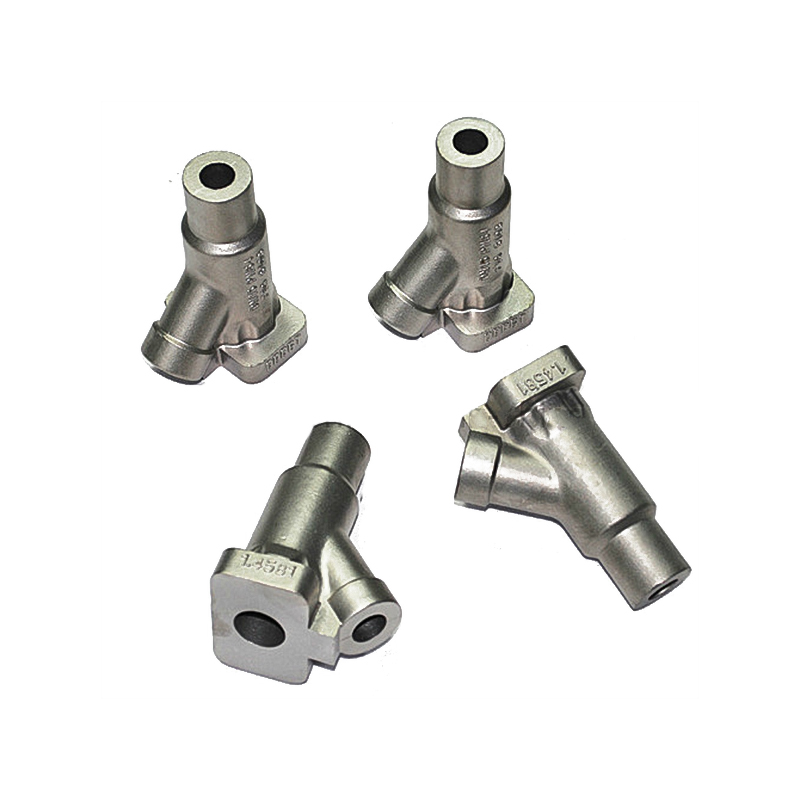
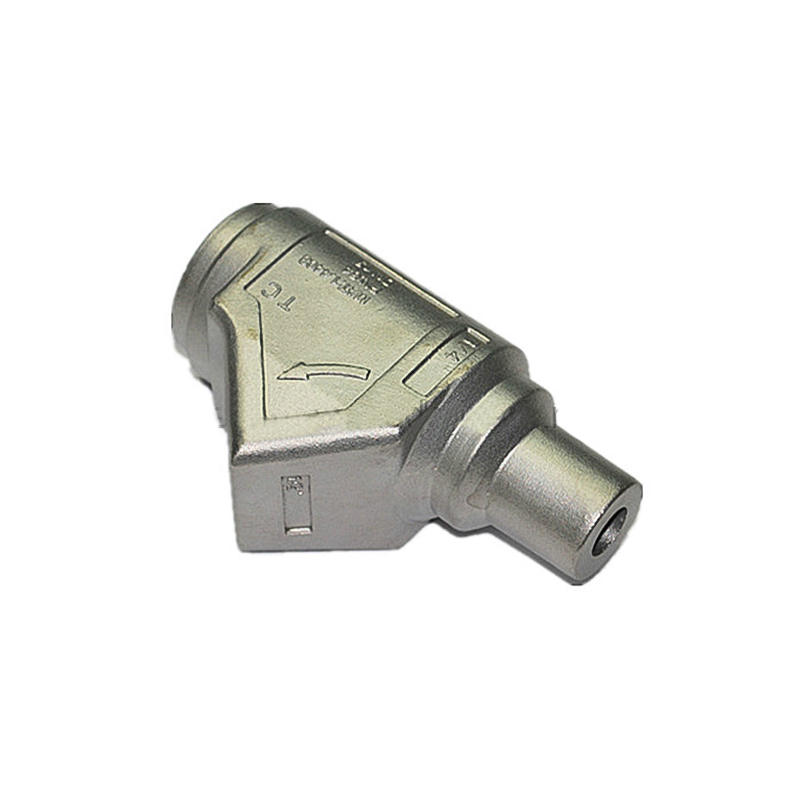
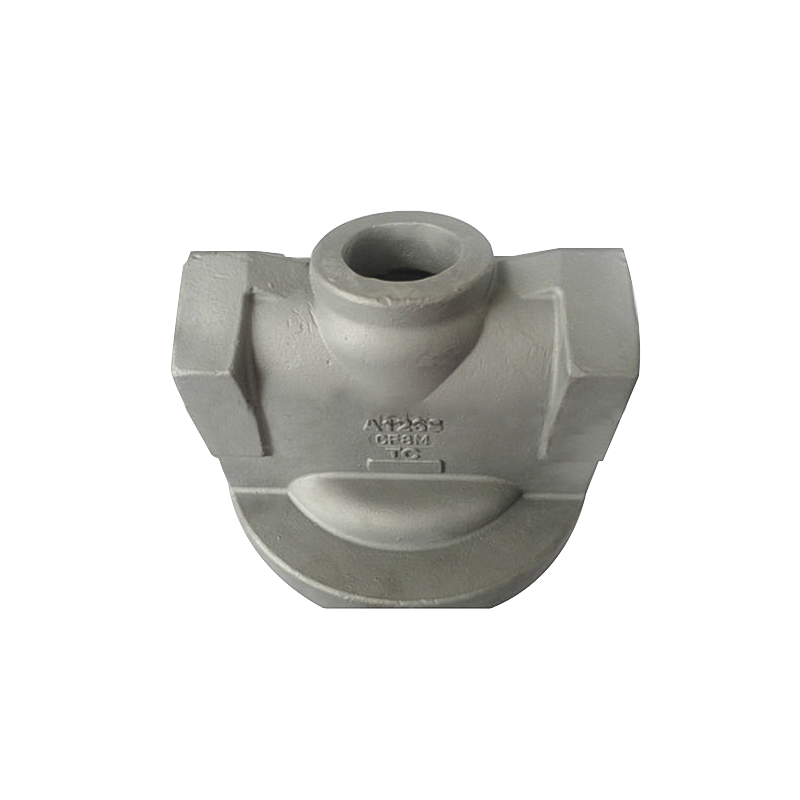
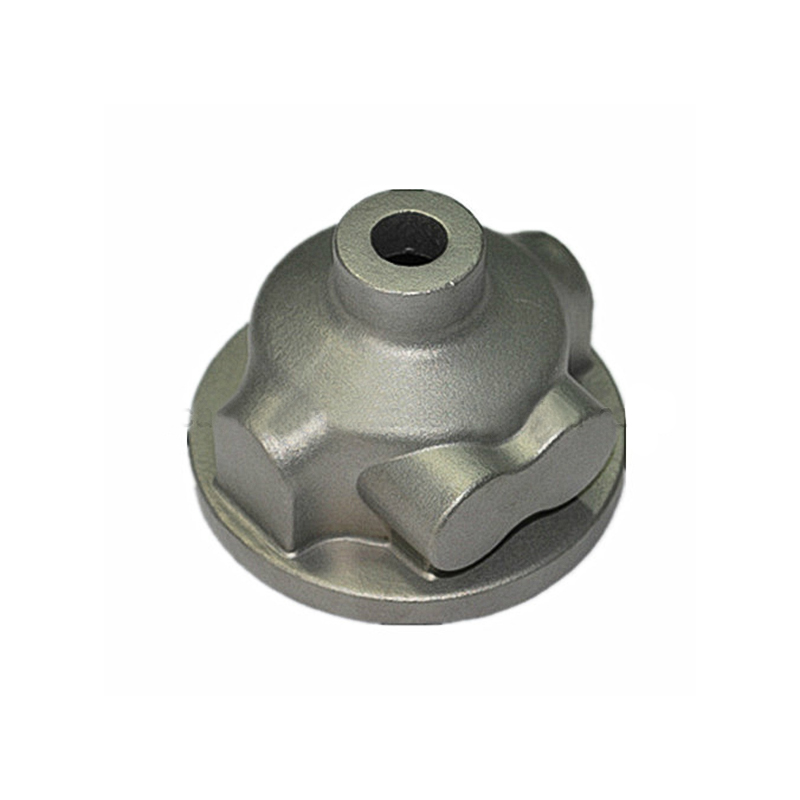
Selected Bearing Display

Contact Information
- Tel:+86-574-88067800/88067900
- Fax:+86-574-88067400
- Phone:+86-13967874638
- E-Mail:master@nbyifei.com
Products Links
Products Links
- Agricultural Machinery Casting Parts
- Auto Casting Parts
- Brass Die Casting Parts
- Casting Bucket Tooth And Accessory
- Container Casting Parts
- Investment Casting Parts
- Machinery Casting Parts
- Mining Machinery Casting Parts
- Railway And Train Casting Parts
- Sand Casting Parts
- Stamping & Forging Parts
- Valve Casting Parts
Contact Us
Copyright ©
Ningbo Hansheng Machinery Parts Co.,Ltd. All Rights Reserved
 Custom Die Castings Manufacturers
