

 English
 Deutsch
 简体中文
简体中文
Author: FTM
Date: Dec 24, 2025
Why Sand Casting Parts Are Essential for High-Quality Industrial Applications
In the world of manufacturing, precision, durability, and cost-efficiency are key drivers of success in industrial applications. Among the many techniques used to create parts for industrial machinery, vehicles, and other equipment, sand casting stands out as one of the most versatile and reliable methods for producing high-quality components. This centuries-old technique continues to be integral in various industries due to its adaptability, ability to handle complex shapes, and cost-effectiveness.
Understanding Sand Casting: A Traditional Yet Effective Technique
Sand casting is a metal casting process that involves creating a mold from sand, into which molten metal is poured to form a part. The process starts with the creation of a mold from a mixture of sand, clay, and water. The mold is shaped according to the design specifications, and molten metal is poured into it. Once the metal cools and solidifies, the mold is broken away, revealing the cast part.
While sand casting is one of the oldest methods of casting, it remains a popular choice for industrial applications due to its flexibility, cost-effectiveness, and ability to produce parts in a wide range of sizes, from small intricate components to large, complex parts.
Advantages of Sand Casting in Industrial Applications
The popularity of sand casting in industrial settings can be attributed to several key advantages:
Cost-Effectiveness
One of the most significant benefits of sand casting is its cost-efficiency. The materials used to create sand molds are relatively inexpensive, making it an affordable option for manufacturers, especially when producing large volumes of parts. Sand casting is an ideal solution for industries that need to produce parts in medium to large quantities without incurring the high costs associated with more advanced casting techniques like die casting or investment casting.
Moreover, sand molds can be reused, which further reduces the cost of production, especially for high-volume orders. The ability to produce multiple parts with the same mold also makes sand casting a highly cost-effective process for manufacturers.
Versatility and Flexibility
Sand casting is highly versatile, making it suitable for a wide range of industrial applications. It can be used to cast nearly any metal, including iron, steel, aluminum, bronze, and brass, which makes it a go-to method for many industries.
Furthermore, the process allows manufacturers to create parts of various sizes, shapes, and complexities. Whether the part requires intricate details, thin walls, or large dimensions, sand casting can accommodate these demands. This versatility is especially valuable in industries such as aerospace, automotive, and energy, where precision and complexity are often required.
Complex Shapes and Geometries
Another reason why sand casting is essential for industrial applications is its ability to create complex shapes and geometries that might not be possible with other manufacturing methods. The use of sand as a mold material allows for greater flexibility in design, making it easier to create parts with intricate internal cavities, undercuts, and complex surface features.
For instance, in the aerospace industry, sand casting is frequently used to produce engine components that require precise and detailed internal passages. Similarly, in the automotive industry, sand casting is used for creating engine blocks, cylinder heads, and other parts that require complex geometries.
Durability and Strength
Sand casting parts are known for their strength and durability, making them well-suited for high-performance applications. Once the metal cools and solidifies, it forms a dense, strong part that can withstand the stresses and demands of industrial machinery and equipment.
Parts produced through sand casting can handle the mechanical stresses, high temperatures, and harsh operating environments typically found in industries such as automotive, aerospace, and energy production. Additionally, sand-cast parts can be further treated through processes like heat treatment, surface hardening, or coatings to enhance their mechanical properties, ensuring their long-lasting performance.
Key Industries Benefiting from Sand Casting
Automotive Industry
The automotive industry is one of the largest consumers of sand casting parts. Sand casting is widely used to manufacture components such as engine blocks, cylinder heads, crankshafts, transmission housings, and brake components. The automotive industry values sand casting for its ability to produce complex parts with high strength and accuracy at a relatively low cost.
For example, the process is ideal for producing large engine blocks, which require both structural integrity and the ability to withstand high temperatures. The versatility of sand casting also allows for customization, enabling manufacturers to produce parts with unique geometries that meet specific performance requirements.
Aerospace Industry
In the aerospace industry, where precision and reliability are paramount, sand casting plays a crucial role in producing components such as turbine blades, engine housings, and structural elements. These parts must withstand extreme temperatures, high stresses, and rigorous operating conditions, which makes sand casting a suitable method for creating durable, high-performance parts.
Sand casting is particularly useful for manufacturing complex parts with internal cavities, such as turbine blades, which require high precision and excellent material properties. The flexibility and cost-effectiveness of sand casting also allow for rapid prototyping, enabling aerospace engineers to test new designs before moving to more expensive and time-consuming production methods.
Energy and Power Generation
In the energy sector, sand casting is widely used to create parts for power plants, including turbine components, valve bodies, pump housings, and other equipment that must endure high pressures, temperatures, and harsh environments. The ability to cast large, heavy-duty parts with high strength makes sand casting an essential technique for producing critical components in power generation equipment.
The durability and wear resistance of sand-cast parts also make them ideal for use in environments where equipment is subject to frequent cycles of heating and cooling, such as steam turbines or gas turbines in power plants. Furthermore, the cost-effectiveness of sand casting is particularly beneficial for the energy industry, where producing high-quality parts at a competitive price is crucial.
Heavy Machinery and Equipment
Heavy machinery and equipment used in construction, mining, and manufacturing also rely heavily on sand casting. Components such as gears, axles, housings, and brackets are often produced using sand casting due to the technique's ability to create large, durable parts that can withstand the harsh conditions of industrial machinery.
These parts must endure mechanical stresses, abrasive wear, and high pressures, making the strength and durability of sand casting a perfect match for the needs of the heavy equipment industry. The ability to produce these parts efficiently and cost-effectively makes sand casting a preferred choice for manufacturers of heavy machinery.
The Sand Casting Process: How It Works
The sand casting process involves several key steps:
- Pattern Creation: A pattern of the part is made from a material such as metal or plastic. The pattern is an exact replica of the part to be cast.
- Mold Preparation: The pattern is placed into a mold box, and the sand is packed around it to create a mold. The sand is typically mixed with a binder to hold its shape during the molding process.
- Molten Metal Pouring: Once the mold is prepared, molten metal is poured into the cavity created by the pattern. The metal fills the mold, taking the shape of the part.
- Cooling and Solidification: The molten metal cools and solidifies within the mold, forming the final part.
- Mold Removal: Once the metal has cooled, the sand mold is broken away, and the cast part is removed.
- Finishing: The cast part may undergo additional processes, such as cleaning, machining, or surface treatment, to meet the required specifications.
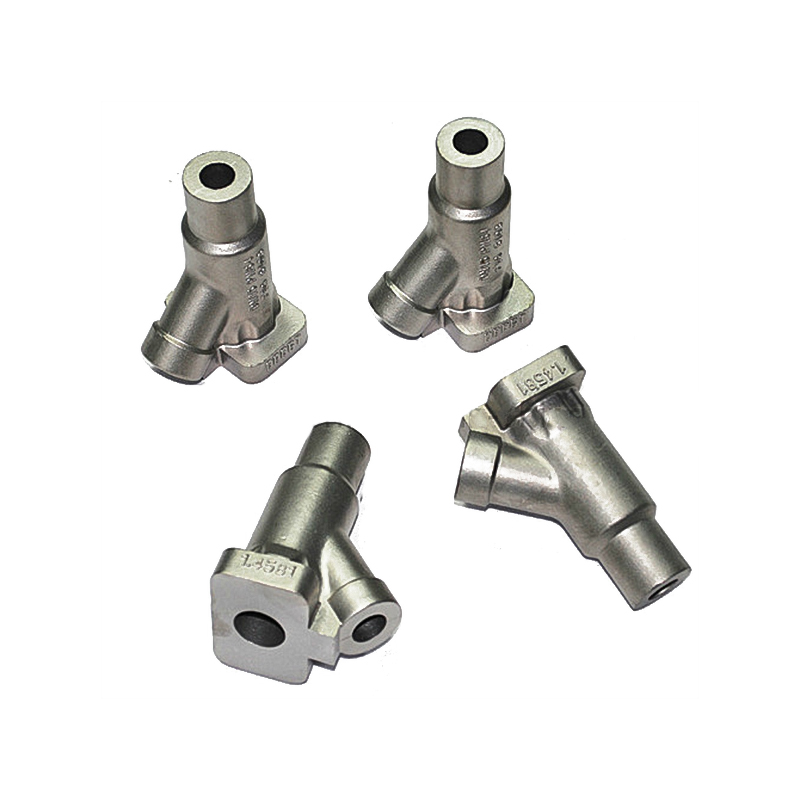
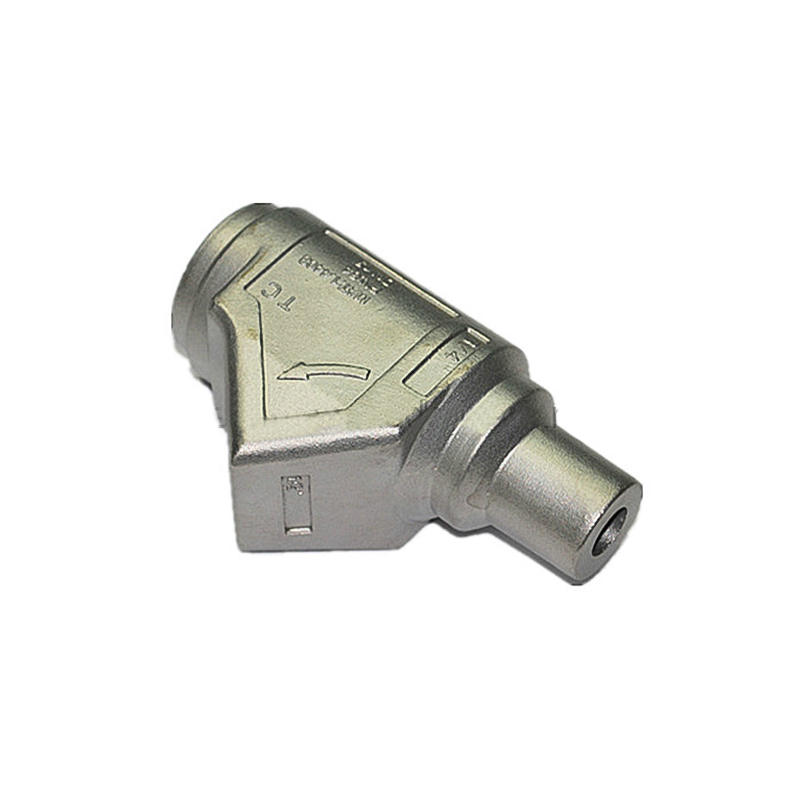
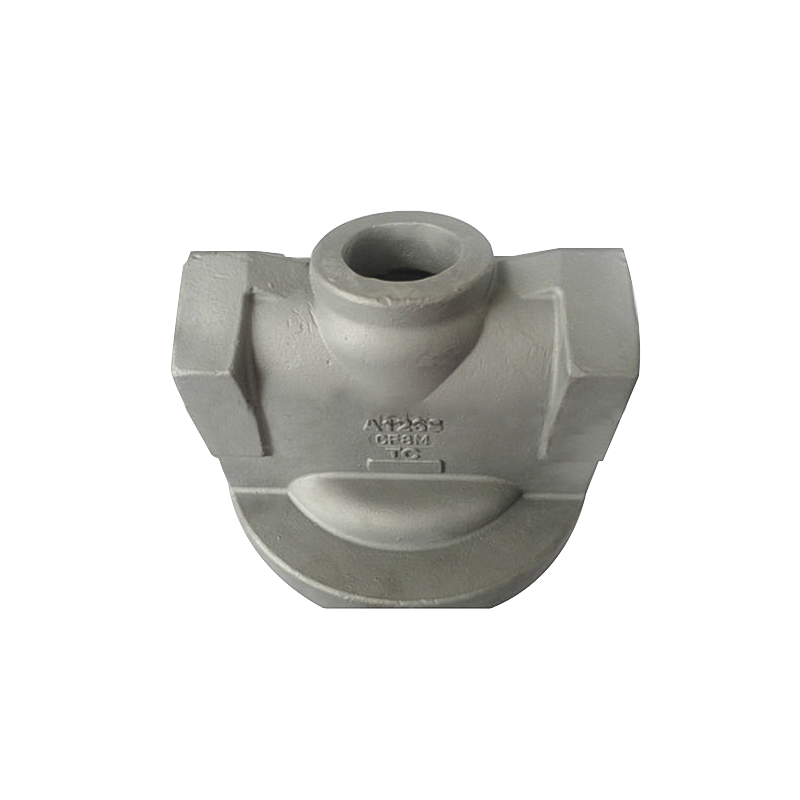
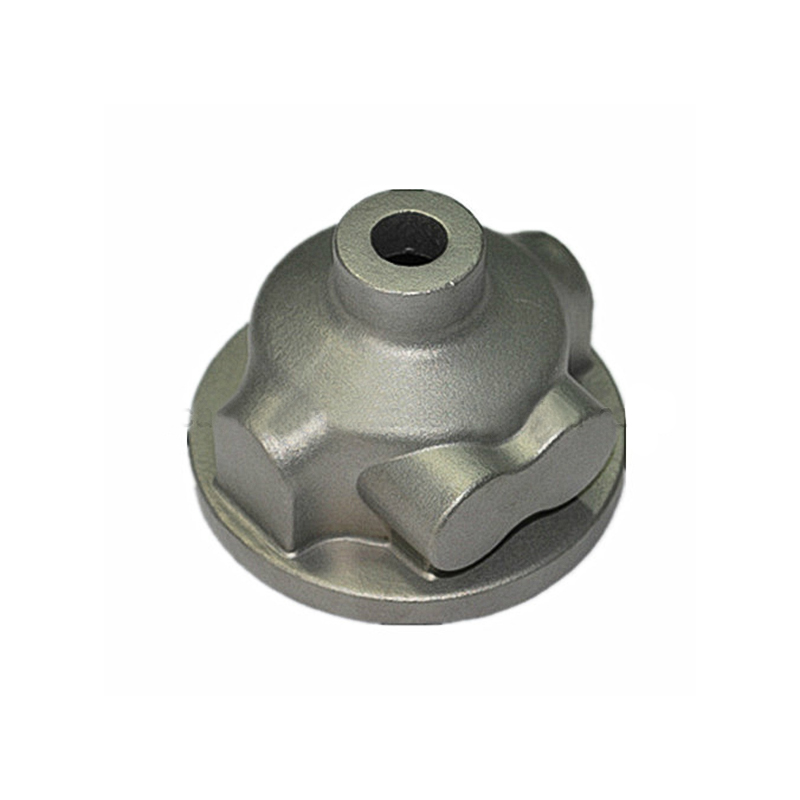
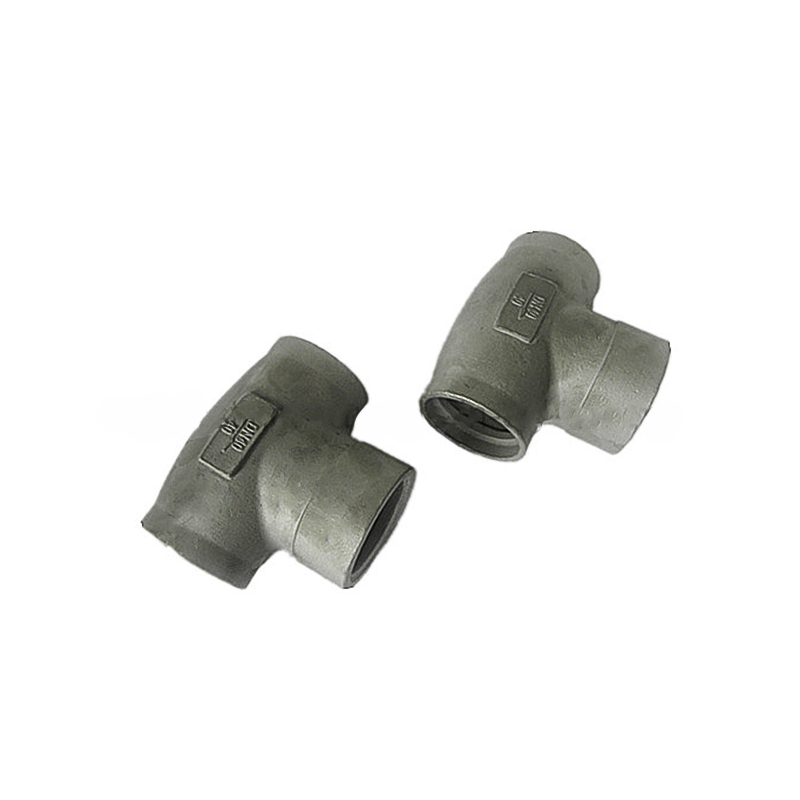
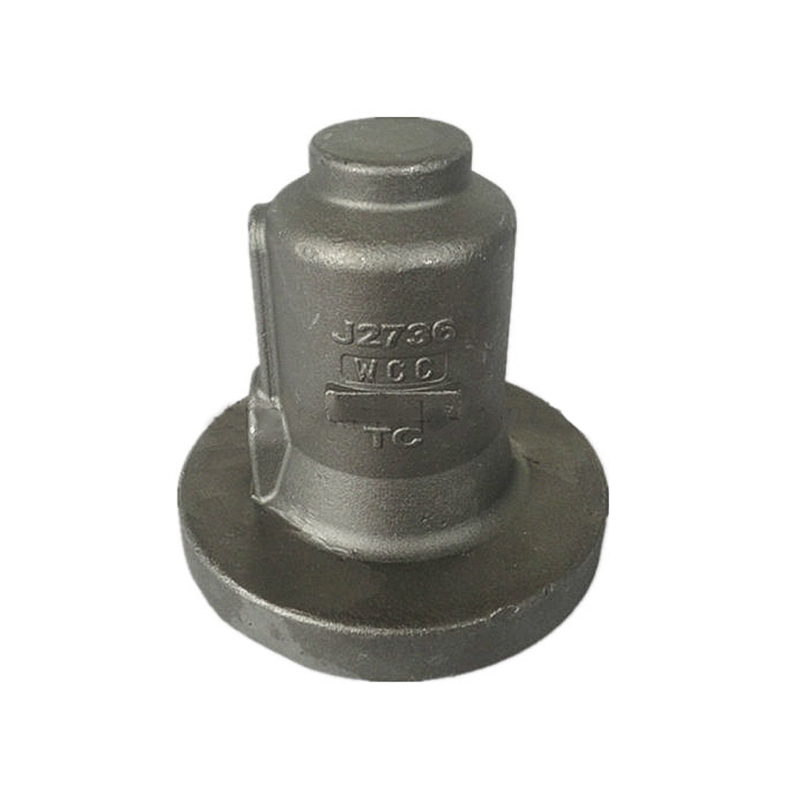
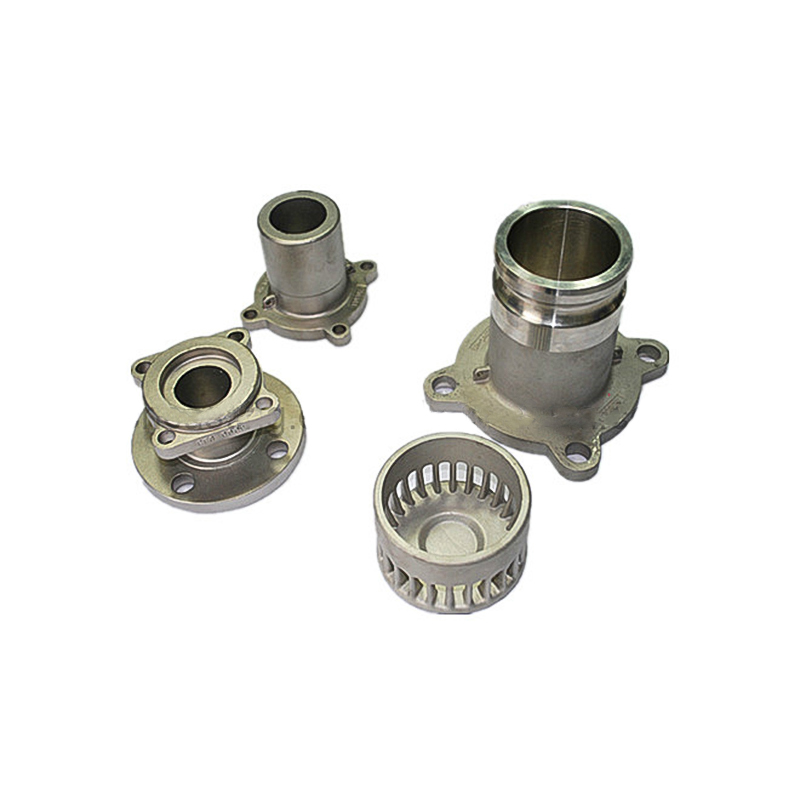
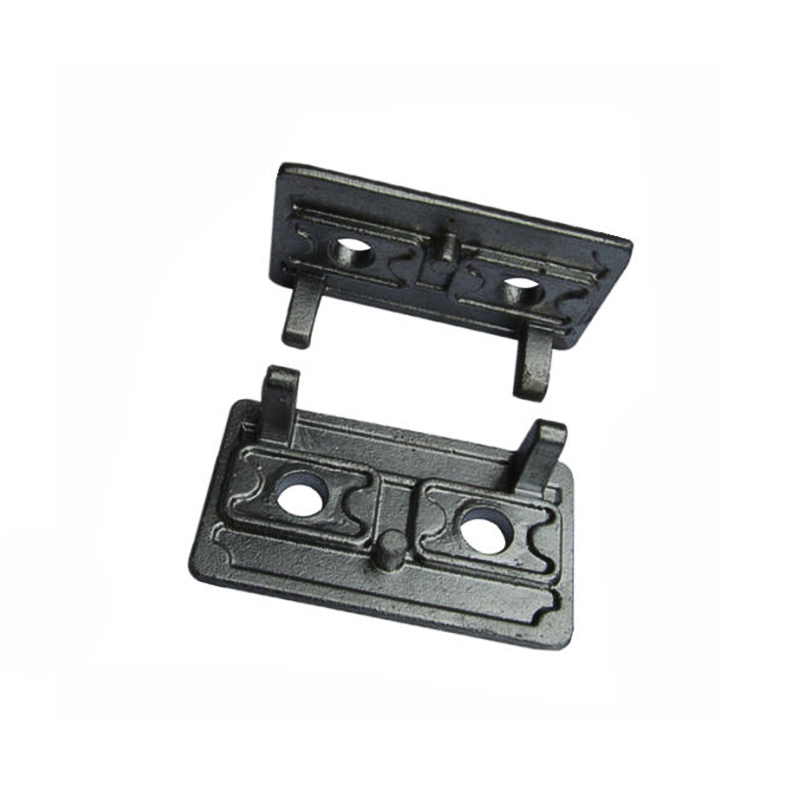
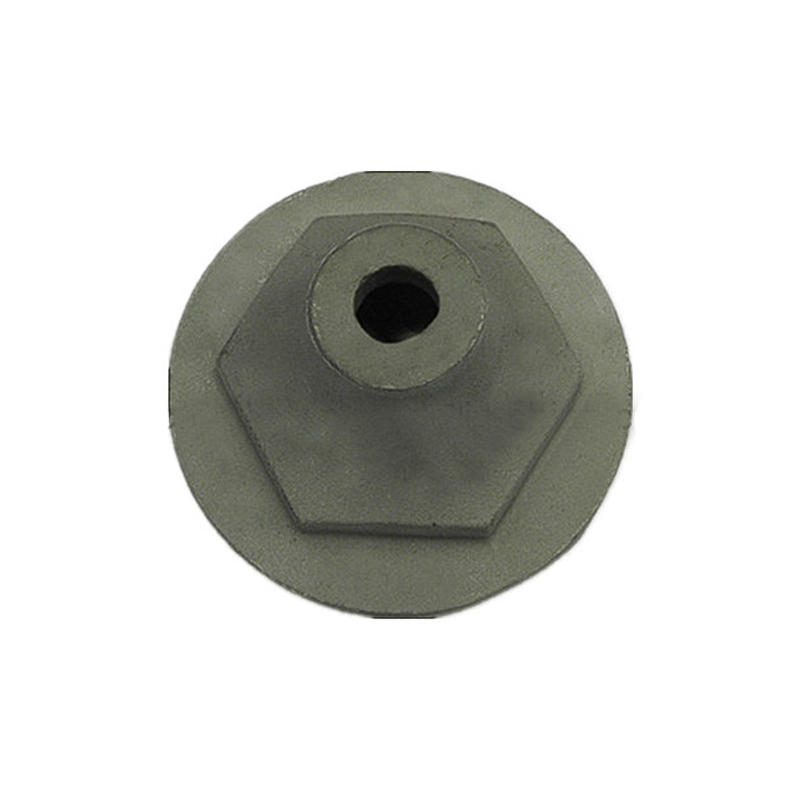
Selected Bearing Display

Contact Information
- Tel:+86-574-88067800/88067900
- Fax:+86-574-88067400
- Phone:+86-13967874638
- E-Mail:master@nbyifei.com
Products Links
Products Links
- Agricultural Machinery Casting Parts
- Auto Casting Parts
- Brass Die Casting Parts
- Casting Bucket Tooth And Accessory
- Container Casting Parts
- Investment Casting Parts
- Machinery Casting Parts
- Mining Machinery Casting Parts
- Railway And Train Casting Parts
- Sand Casting Parts
- Stamping & Forging Parts
- Valve Casting Parts
Contact Us
Copyright ©
Ningbo Hansheng Machinery Parts Co.,Ltd. All Rights Reserved
 Custom Die Castings Manufacturers
