

 English
 Deutsch
 简体中文
简体中文
Author: FTM
Date: Dec 17, 2025
Exploring the Different Types of Railway Parts and Their Functions in Train Operations
The railway industry is a complex and highly interconnected system, with a wide range of components working together to ensure safe, efficient, and reliable transportation. Railway parts, whether they are related to the train itself or the rail infrastructure, play a crucial role in the smooth operation of both freight and passenger services. Understanding these components, how they function, and how they interact is vital for anyone involved in the rail industry—whether as an operator, maintenance technician, or even a curious rail enthusiast.
Locomotive Parts
The locomotive is the powerhouse of the train, responsible for providing the necessary force to move the train along the tracks. The locomotive's performance depends on several critical parts that are responsible for generating and controlling power, braking, and stability.
Key Locomotive Parts and Functions:
-
Engine (or Prime Mover): The heart of the locomotive, typically powered by diesel or electricity. It converts energy into mechanical power to drive the train forward.
-
Traction Motors: These motors are linked to the wheels and directly responsible for the train's propulsion, transferring power from the engine to the wheels.
-
Cooling System: Locomotives, especially diesel-powered ones, generate substantial heat. The cooling system regulates temperature to prevent engine overheating.
-
Air Brake System: This system is used for stopping the train. Air is compressed and released to activate the brakes on each car in the train.
-
Fuel System: The fuel system ensures that the engine receives the correct amount of fuel (diesel, electric power, or other energy sources), maintaining consistent operation.
Railway Track Parts
The railway track is the foundation upon which the entire train system operates. Comprising of rails, sleepers, fastenings, and other components, the track needs to be designed and maintained meticulously to ensure smooth, safe travel.
Key Railway Track Parts and Functions:
-
Rails: Made of high-quality steel, rails are the primary path for the train’s wheels. They provide the track's surface and are carefully aligned to minimize wear and tear.
-
Rail Fastenings: These are the components that secure the rails to the rail ties or sleepers. Fastenings help to ensure the rails remain stable, and they must be maintained to prevent track displacement.
-
Sleepers (Ties): Sleepers are the horizontal supports that hold the rails in place. Made of wood, concrete, or steel, they distribute the weight of the train evenly across the track structure.
-
Ballast: A layer of crushed stones or gravel laid beneath the track, ballast supports the weight of the track and helps to drain water away from the track base, preventing erosion.
Train Car Parts
While the locomotive is essential for movement, the train cars—whether they are passenger cars, freight cars, or specialized units—also play an integral role in the train’s operation. Each type of car has a set of specific parts that serve distinct functions.
Key Train Car Parts and Functions:
-
Wheels and Axles: These are the contact points between the train and the track. The axles connect the wheels and allow them to rotate, enabling the train to move. Wheel wear is closely monitored to maintain safe operation.
-
Suspension System: This system absorbs the shock and vibration caused by the movement of the train, ensuring comfort for passengers and stability for freight. It includes springs, shock absorbers, and dampers.
-
Couplers: These devices are used to link individual cars together, creating a continuous train. Couplers also allow for easy disconnection of cars for maintenance or other operational needs.
-
Brake System: Train cars are equipped with individual braking systems, which work alongside the locomotive's brakes to ensure safe and efficient stopping. Modern trains often feature air brakes or electromagnetic brakes for quick and reliable braking.
Signal and Communication Systems
Effective communication and signaling are critical to maintaining train safety, especially in systems with multiple trains running on the same tracks. Signal systems help regulate the flow of trains, ensuring safe distances between them and preventing accidents.
Key Signal and Communication Parts:
-
Signals: Located along the tracks, signals provide visual cues to train operators about the status of the track ahead. These can be red (stop), yellow (caution), or green (go), helping operators make decisions about speed and stopping.
-
Interlocking Systems: Interlocking signals and switches ensure that train routes are clear and prevent conflicting movements. These systems lock signals and switches in place, ensuring safe passage through junctions.
-
Train Control Systems: Modern railways use communication-based train control (CBTC) systems to monitor and manage train speeds and positions in real-time, enhancing safety and efficiency. Positive Train Control (PTC) systems are a safety technology that helps prevent train accidents by automating speed regulation.
-
Onboard Communication Systems: These systems allow communication between the train operator, dispatchers, and control centers, ensuring smooth operations and the ability to respond quickly in emergencies.
Electrical and Power Supply Parts
Trains, especially electric trains, rely heavily on an efficient and reliable power supply to maintain operations. The electrical parts of the train ensure that power is distributed where it’s needed for propulsion, lighting, and various onboard systems.
Key Electrical Parts:
-
Pantograph (for Electric Trains): The pantograph is a device that collects electricity from overhead wires and supplies power to the train. It is mounted on the roof of the train and must be maintained to ensure consistent power supply.
-
Transformer and Rectifier: For trains running on electric power, the transformer converts high-voltage power into a usable form for the train’s systems. Rectifiers are used to convert alternating current (AC) to direct current (DC) for propulsion motors.
-
Battery Systems: Trains use batteries for backup power and to operate non-essential systems, such as lighting, when the primary power supply is unavailable.
Maintenance and Repair Parts
Maintenance and repair are critical to ensuring that trains remain safe and operational over time. Railway companies must regularly inspect and replace parts to prevent breakdowns and ensure smooth service.
Key Maintenance Parts:
-
Track Inspection Tools: These include rail grinders, track scanners, and other diagnostic equipment that ensure the track remains in good condition and can withstand the weight of trains.
-
Train Parts for Maintenance: Parts such as wheelsets, brake components, and suspension elements are often replaced during routine maintenance to ensure optimal performance and safety.
-
Lubrication Systems: These are used to keep moving parts such as axles, bearings, and wheels functioning smoothly. Proper lubrication helps prevent excessive wear and tear, which can lead to malfunctions.
Safety and Security Components
Railways are highly regulated industries where safety is the top priority. Various safety parts help prevent accidents, ensure the protection of passengers, and improve the overall security of rail operations.
Key Safety Components:
-
Automatic Train Protection (ATP) Systems: These systems automatically apply the brakes if the train is approaching a signal at an unsafe speed, preventing potential collisions.
-
Fire Suppression Systems: Trains are equipped with onboard fire suppression systems, including fire extinguishers, sprinklers, and smoke detectors, which help mitigate the risk of fires in the event of an emergency.
-
Emergency Exits and Evacuation Systems: Modern trains are equipped with emergency exit doors, alarm systems, and public address systems to ensure that passengers can quickly evacuate in the event of an emergency.
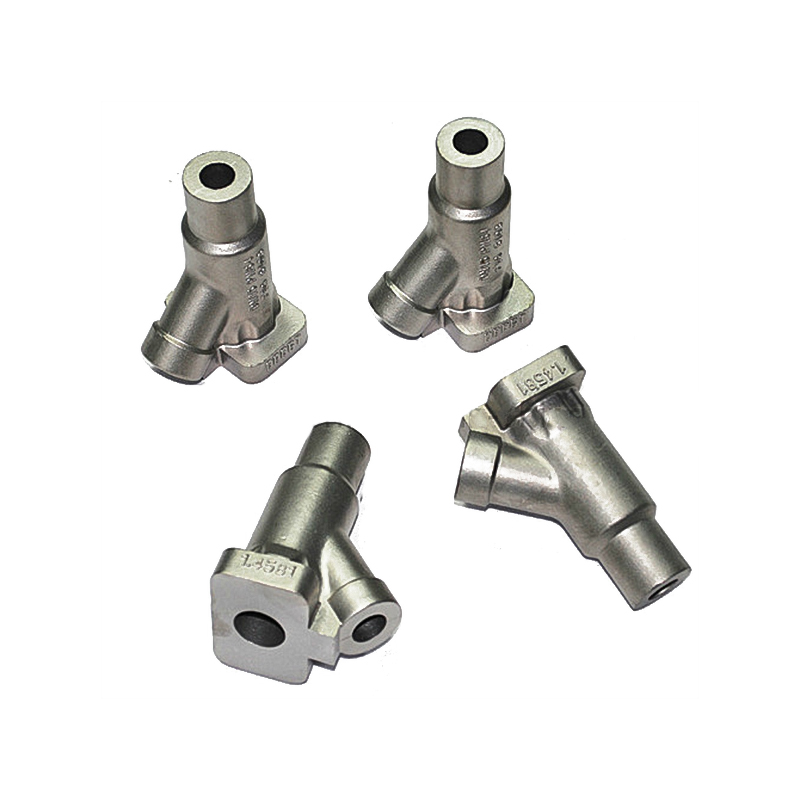
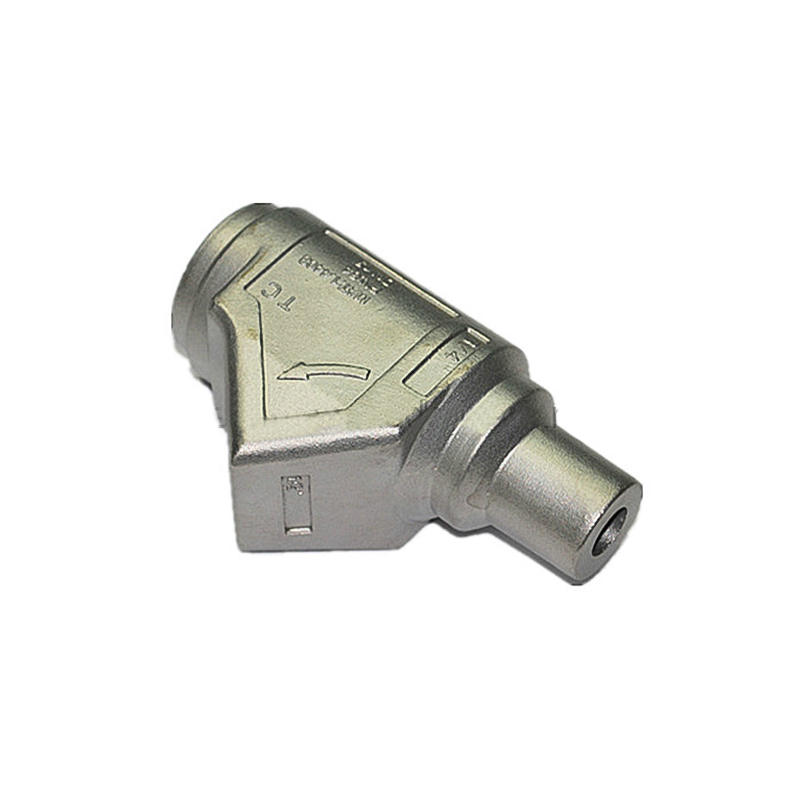
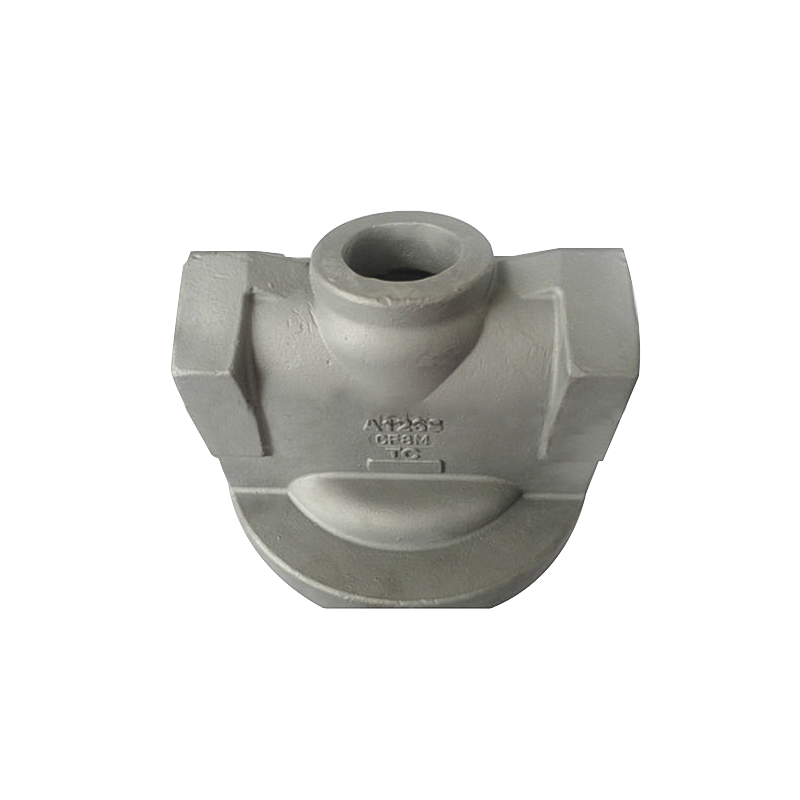
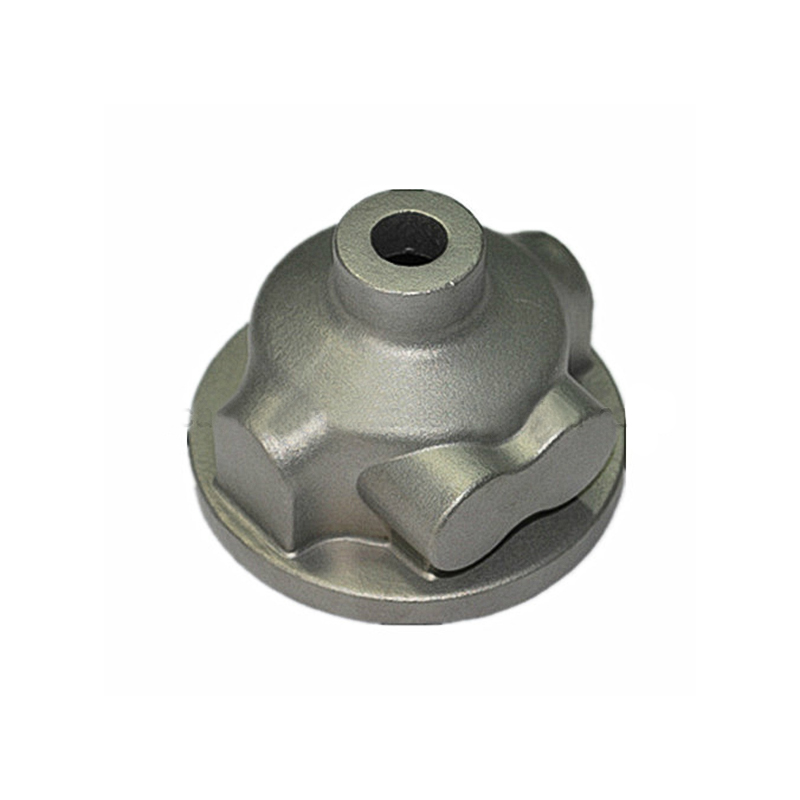
Selected Bearing Display
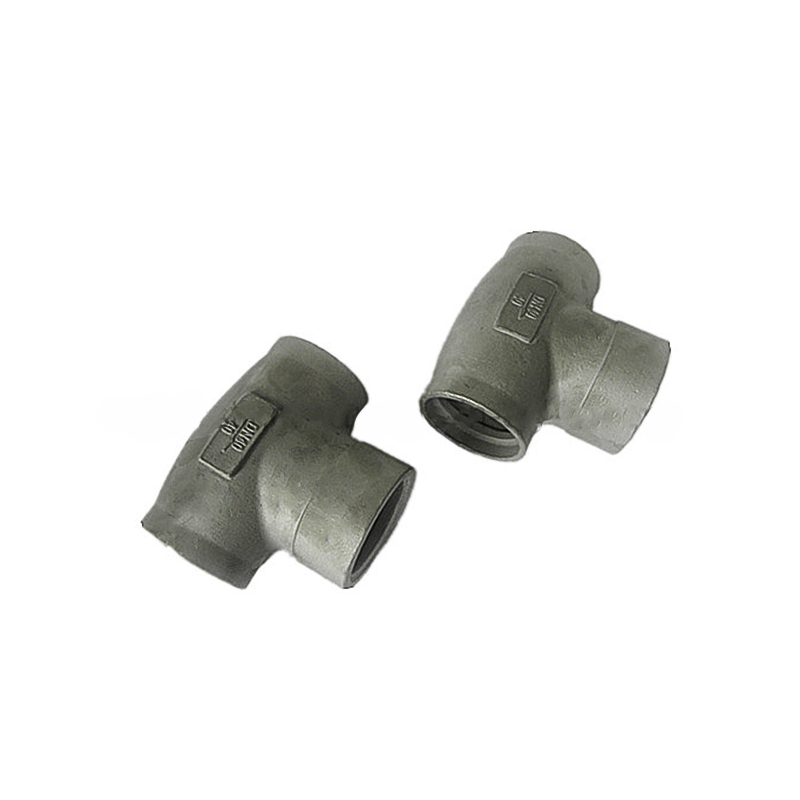
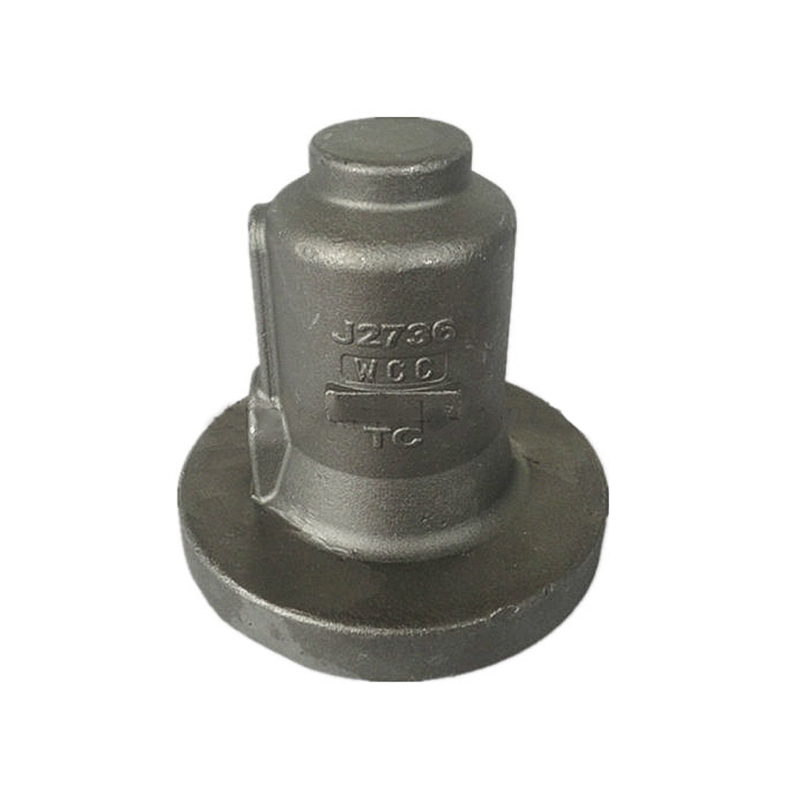
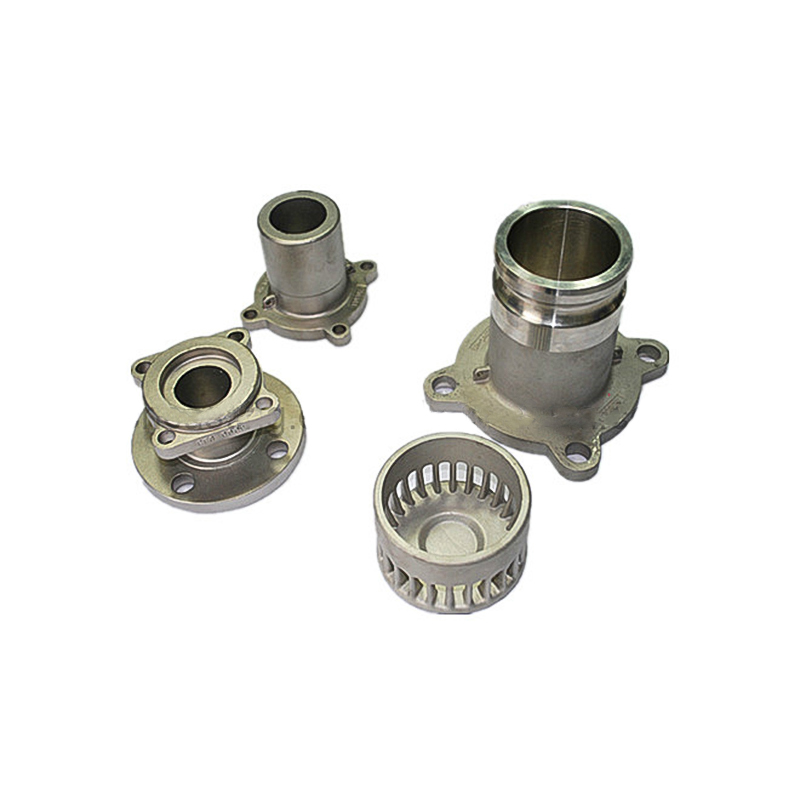
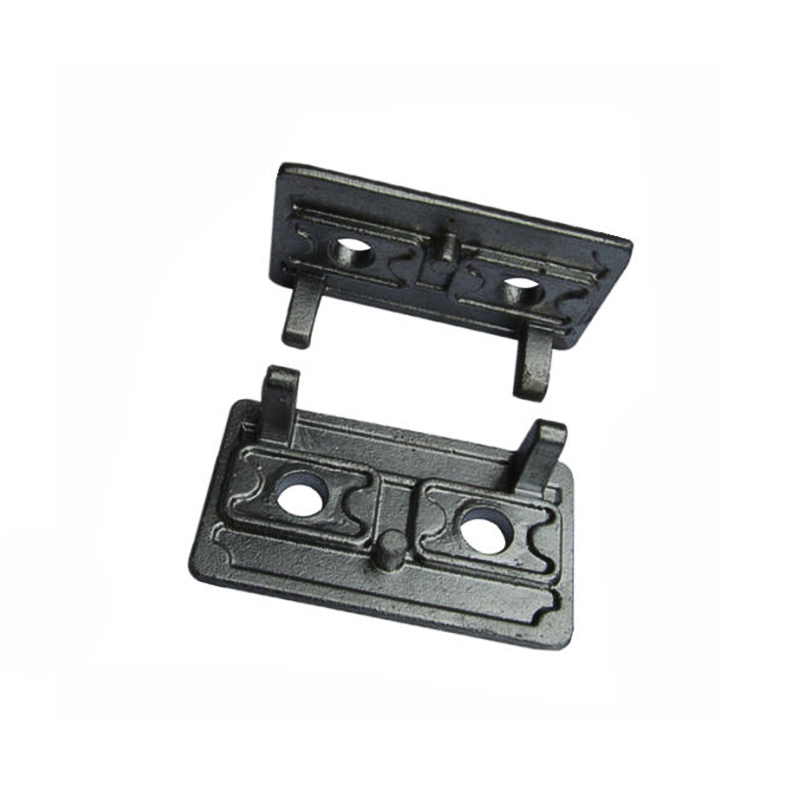

Contact Information
- Tel:+86-574-88067800/88067900
- Fax:+86-574-88067400
- Phone:+86-13967874638
- E-Mail:master@nbyifei.com
Products Links
Products Links
- Agricultural Machinery Casting Parts
- Auto Casting Parts
- Brass Die Casting Parts
- Casting Bucket Tooth And Accessory
- Container Casting Parts
- Investment Casting Parts
- Machinery Casting Parts
- Mining Machinery Casting Parts
- Railway And Train Casting Parts
- Sand Casting Parts
- Stamping & Forging Parts
- Valve Casting Parts
Contact Us
Copyright ©
Ningbo Hansheng Machinery Parts Co.,Ltd. All Rights Reserved
 Custom Die Castings Manufacturers
