

 English
 Deutsch
 简体中文
简体中文
Author: FTM
Date: Dec 10, 2025
Why Investment Casting Parts Are Becoming the Go-To for Complex Metal Parts
In the manufacturing world, the demand for complex metal parts with high precision, durability, and performance has never been greater. Industries such as aerospace, automotive, medical devices, and energy are increasingly relying on innovative casting techniques to meet these demands. Among the various casting methods, investment casting stands out as one of the most versatile and efficient options for producing intricate metal components. Known for its ability to create complex shapes with tight tolerances, investment casting is quickly becoming the go-to method for manufacturing high-quality, precision metal parts.
Understanding Investment Casting
Investment casting, also known as the lost-wax casting process, has been used for centuries but has evolved considerably over time. The process involves creating a detailed wax model of the part to be cast, which is then coated with a heat-resistant ceramic shell. After the wax is melted away, molten metal is poured into the mold, forming the desired part. This method allows for the production of parts with intricate geometries, smooth surfaces, and minimal post-processing.
The key benefit of investment casting is its ability to produce complex shapes that would be challenging or impossible to achieve with traditional manufacturing techniques such as machining or die casting. Whether it's a turbine blade for an aircraft engine, a medical implant, or a component for a high-performance vehicle, investment casting offers a level of precision and versatility that is unmatched by many other methods.
Advantages of Investment Casting for Complex Metal Parts
Investment casting has gained significant traction in recent years due to its many advantages, especially when it comes to producing complex metal parts. Below are some of the key reasons why investment casting is increasingly becoming the preferred choice for manufacturers.
Precision and Accuracy
One of the main reasons investment casting is favored for complex metal parts is its ability to deliver high levels of precision. The process allows manufacturers to create parts with intricate details and tight tolerances, often in the range of ±0.005 inches. This precision is essential in industries where parts must fit together perfectly or perform critical functions under extreme conditions.
For example, in the aerospace industry, where components such as turbine blades must endure extreme heat and pressure, even the smallest deviations in design can lead to failure. Investment casting provides the accuracy needed to produce these components with minimal variation, ensuring they meet rigorous quality standards.
Ability to Cast Complex Geometries
Investment casting allows for the production of parts with highly complex geometries, including thin walls, hollow sections, and intricate internal features. These shapes are often difficult or impossible to achieve using traditional methods like machining, forging, or die casting.
The ability to produce complex geometries is particularly beneficial in industries like aerospace, where components like turbine blades and exhaust nozzles must have detailed features to enhance performance and efficiency. These parts often require internal cooling channels or curved surfaces that can only be effectively produced through investment casting.
Material Versatility
Investment casting is compatible with a wide range of metals, including high-performance alloys such as stainless steel, titanium, cobalt-based alloys, and nickel-based superalloys. These materials are often used in industries that demand parts capable of withstanding high temperatures, corrosion, and wear, such as aerospace, automotive, and energy production.
The ability to work with such a diverse array of materials is another reason investment casting is preferred for producing complex metal parts. Manufacturers can select the material that best suits the performance requirements of the part, whether it needs to be lightweight, heat-resistant, or resistant to corrosive environments.
Reduced Waste and Material Savings
In traditional manufacturing methods like machining, much of the raw material is cut away, resulting in significant material waste. Investment casting, on the other hand, is a near-net-shape process, meaning the final part is produced with minimal waste. This is especially important when working with expensive alloys, as it helps reduce material costs.
Additionally, because the casting process allows for the creation of parts with intricate details, there is less need for post-processing such as machining, which further reduces material waste and manufacturing time.
Cost-Effectiveness for Large Volumes
While investment casting may have higher initial tooling costs, it can be highly cost-effective for large production runs. The process is ideal for producing parts in medium to large quantities, as the molds used in investment casting can be reused multiple times, reducing the cost per part.
In industries like automotive, where high-volume production is essential, investment casting can be an attractive solution. For instance, manufacturers of engine components, such as pistons and valve components, can use investment casting to produce large quantities of precise, high-quality parts at a lower cost per unit.
Superior Surface Finish
Investment casting provides an excellent surface finish, which often eliminates the need for extensive post-casting machining. This is particularly beneficial for industries where surface quality is critical, such as the medical and aerospace industries. Parts produced through investment casting typically have smooth surfaces with minimal defects, reducing the time and cost associated with additional finishing processes.
In applications where smooth surfaces are essential for functionality, such as in medical implants or turbine blades, the ability to produce parts with a high-quality finish straight out of the mold is a significant advantage.
Design Flexibility
The investment casting process offers great design flexibility, enabling manufacturers to create parts with complex internal structures, varying thicknesses, and detailed external features. This flexibility allows designers to optimize parts for performance, weight reduction, and material efficiency.
For example, in the automotive industry, engineers can use investment casting to create lighter, stronger components that help improve vehicle performance and fuel efficiency. The ability to cast intricate designs, such as lightweight brackets or components with complex internal passages, can contribute to significant improvements in overall vehicle design.
Industries Benefiting from Investment Casting Parts
Investment casting has found widespread use across a variety of industries due to its versatility and ability to produce complex, high-precision parts. Some of the key industries benefiting from investment casting include:
Aerospace
The aerospace industry is one of the largest consumers of investment casting parts. Components like turbine blades, housings, and structural components are commonly produced using this technique. The need for lightweight, heat-resistant, and high-strength materials in aerospace applications makes investment casting the ideal choice for producing these critical parts.
Automotive
In the automotive sector, investment casting is used to produce a range of components, including engine parts, brackets, and valve seats. The ability to produce parts with complex shapes and tight tolerances allows for improved performance and reduced weight, which is crucial for fuel efficiency and vehicle longevity.
Medical Devices
Investment casting plays a crucial role in the production of medical devices such as surgical instruments, implants, and prosthetics. The process allows for the creation of highly detailed and biocompatible parts, which are essential in medical applications where precision and reliability are critical.
Energy
In the energy sector, particularly in power generation, investment casting is used to produce components like turbine blades, valve bodies, and heat exchangers. These parts must withstand extreme conditions, including high temperatures and pressure, making investment casting an ideal choice for producing durable, high-performance components.
Industrial Equipment
Investment casting is also widely used in the production of industrial equipment parts such as pumps, valves, and gears. The ability to create complex parts with minimal waste and high strength makes it an attractive option for manufacturers of industrial machinery.
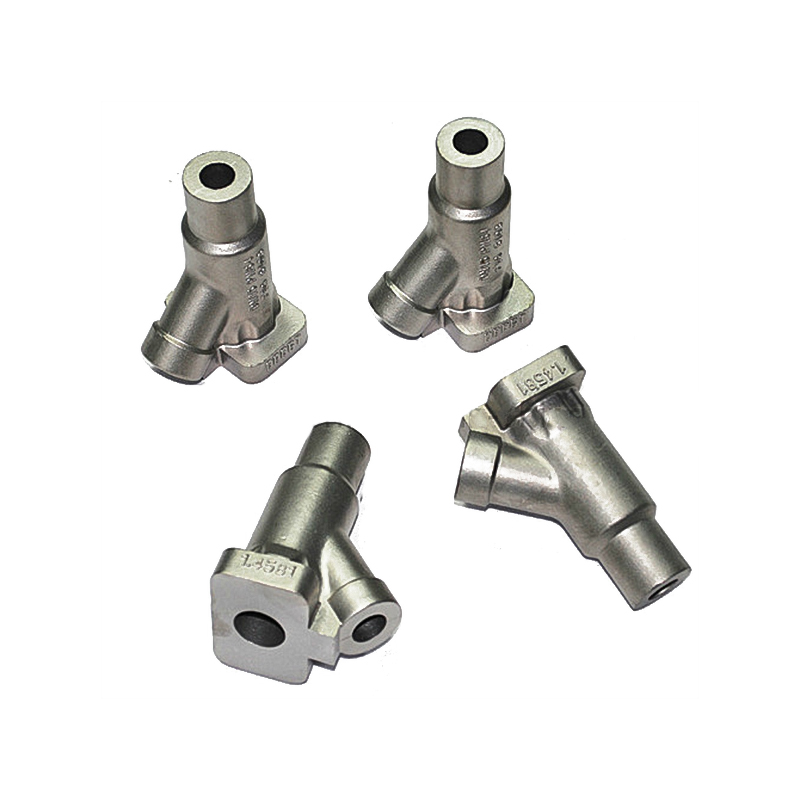
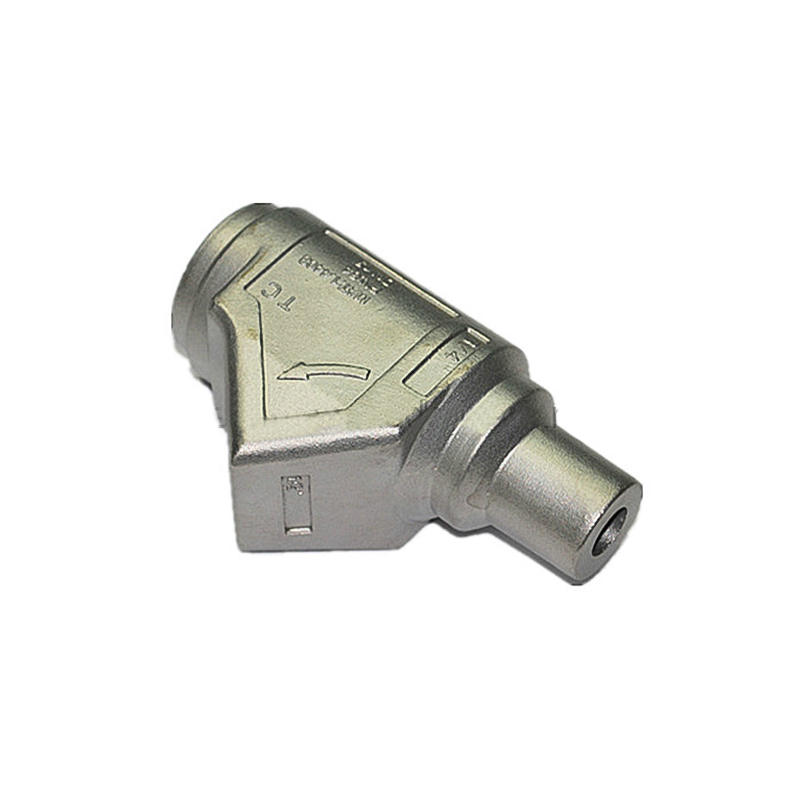
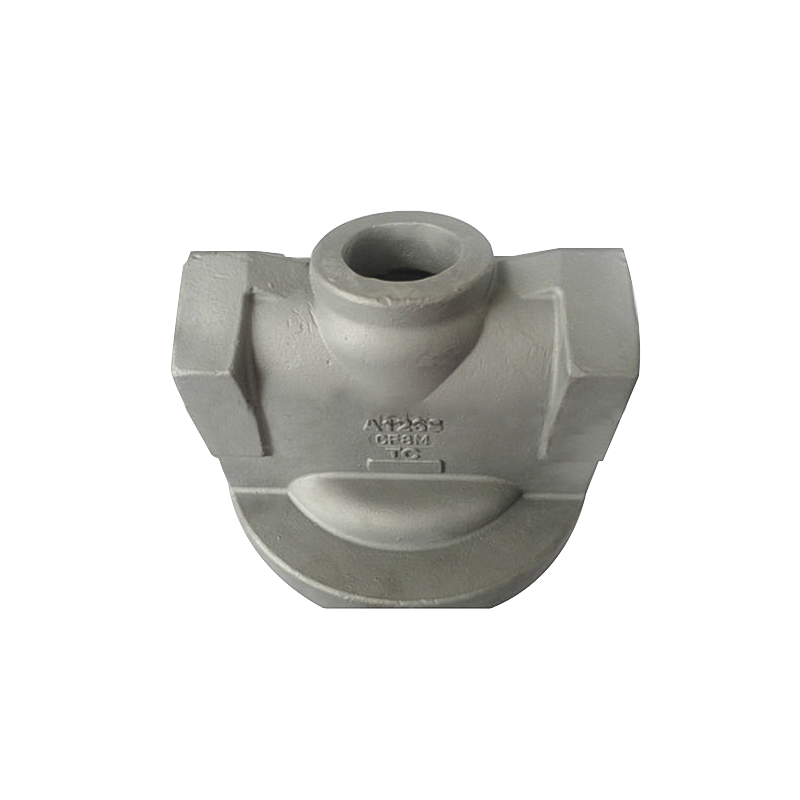
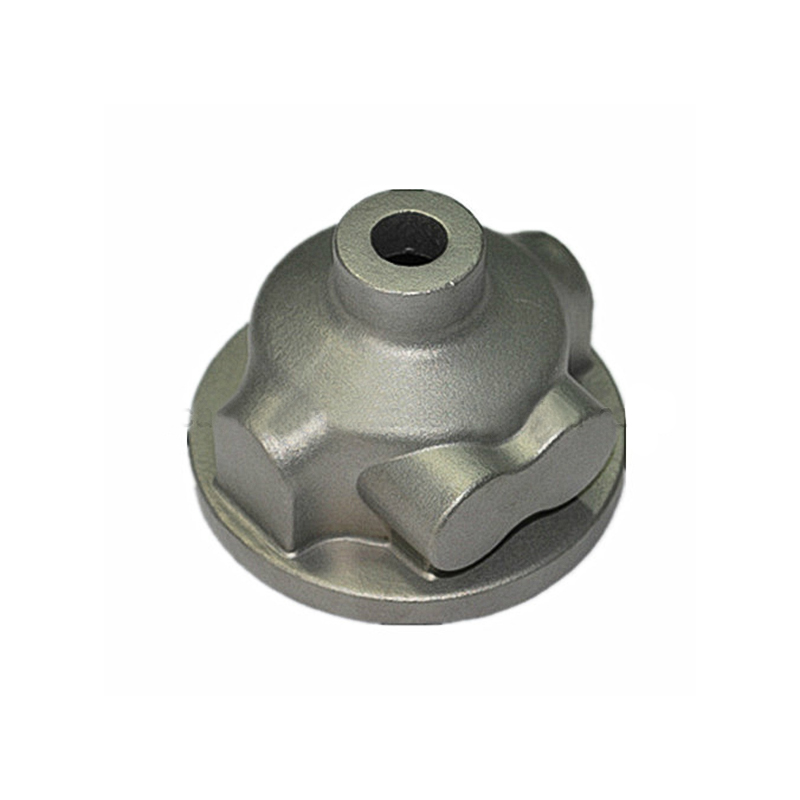
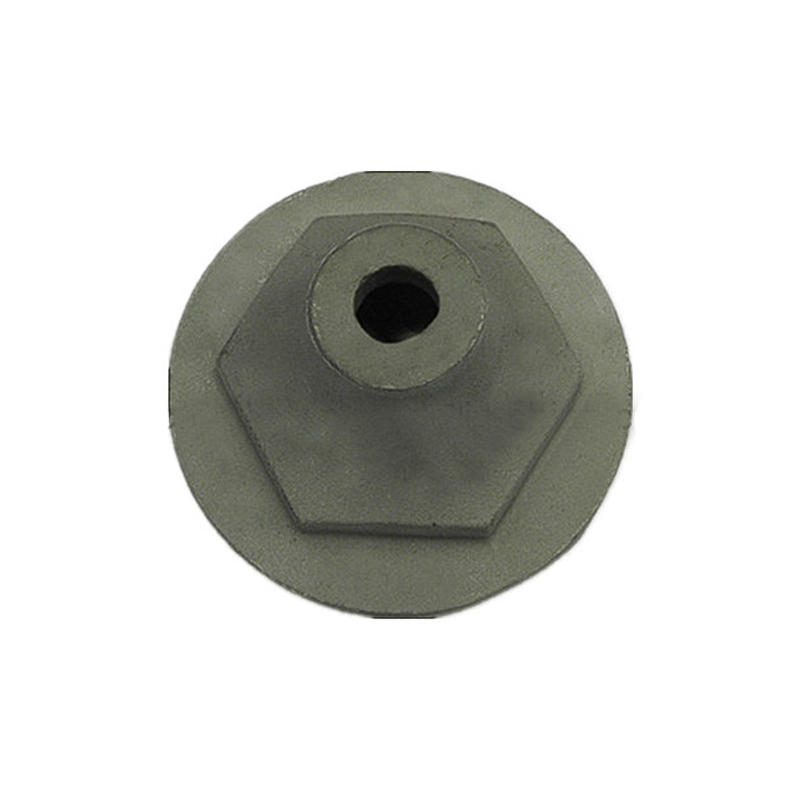
Selected Bearing Display
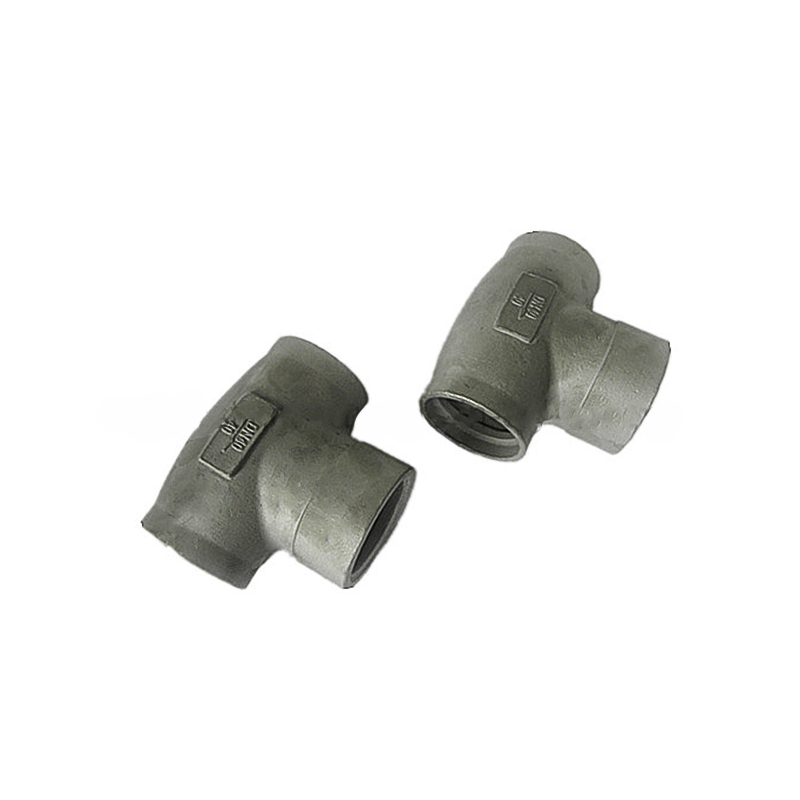
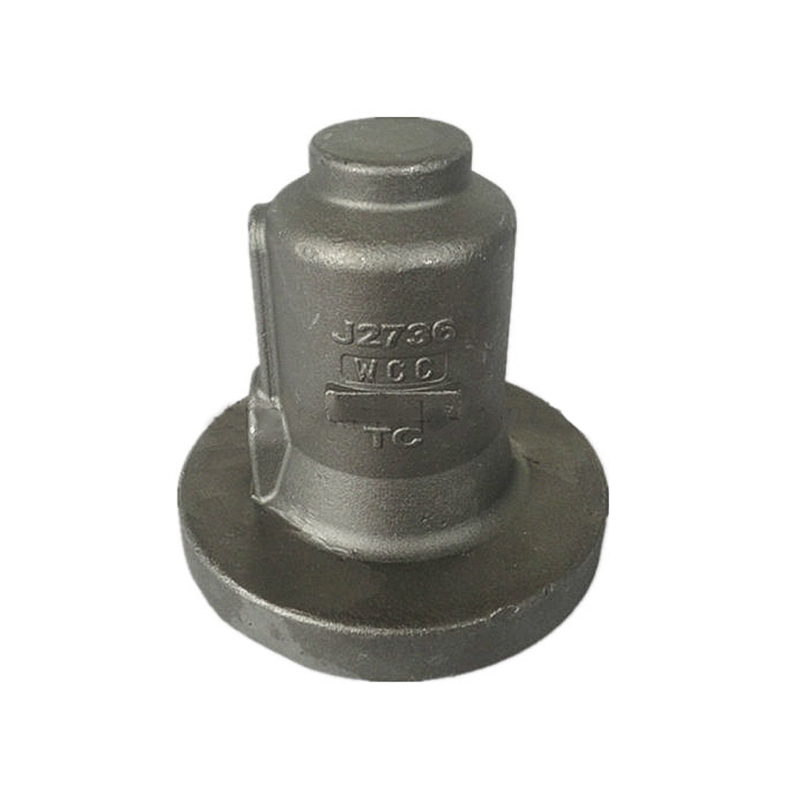
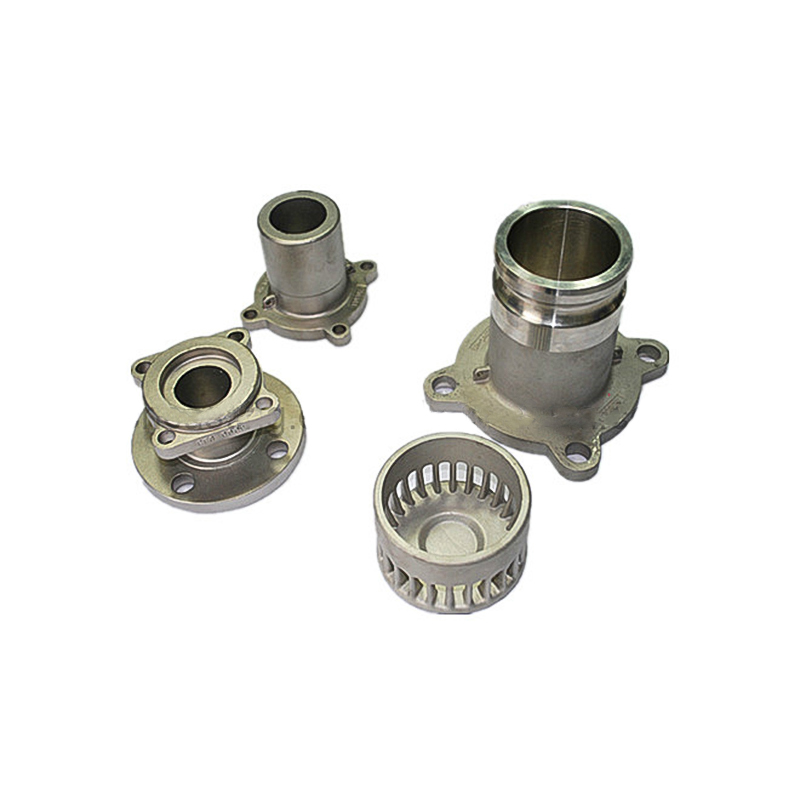
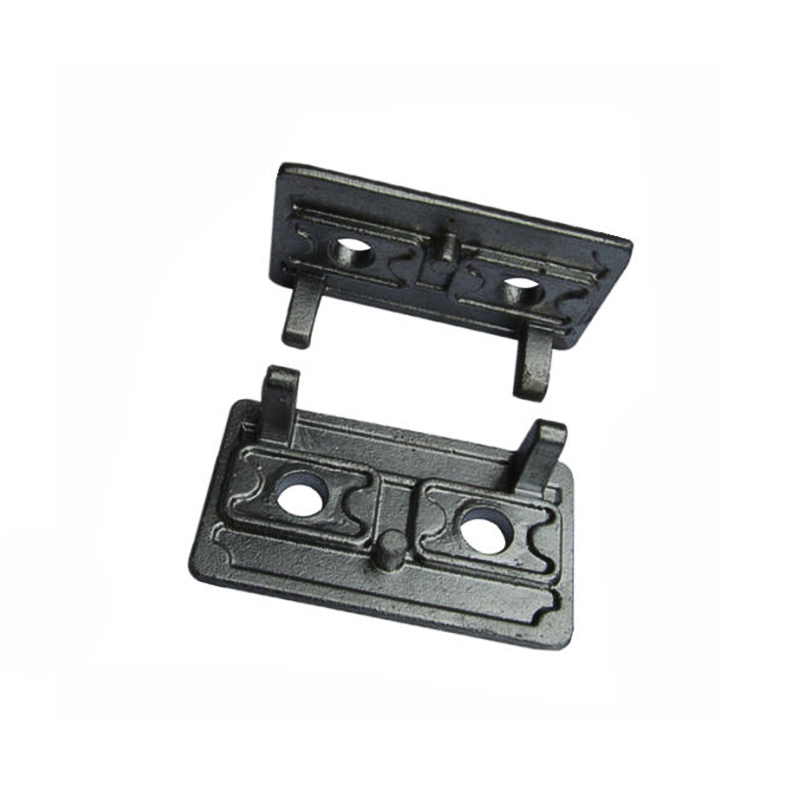

Contact Information
- Tel:+86-574-88067800/88067900
- Fax:+86-574-88067400
- Phone:+86-13967874638
- E-Mail:master@nbyifei.com
Products Links
Products Links
- Agricultural Machinery Casting Parts
- Auto Casting Parts
- Brass Die Casting Parts
- Casting Bucket Tooth And Accessory
- Container Casting Parts
- Investment Casting Parts
- Machinery Casting Parts
- Mining Machinery Casting Parts
- Railway And Train Casting Parts
- Sand Casting Parts
- Stamping & Forging Parts
- Valve Casting Parts
Contact Us
Copyright ©
Ningbo Hansheng Machinery Parts Co.,Ltd. All Rights Reserved
 Custom Die Castings Manufacturers
