

 English
 Deutsch
 简体中文
简体中文
Author: FTM
Date: Dec 03, 2025
How to Choose the Right Agricultural Machinery Parts for Your Farming Equipment
Farming has evolved significantly over the years, with modern agricultural machinery becoming a central element in enhancing productivity, reducing labor, and improving overall efficiency. However, like any other mechanical system, agricultural machinery requires regular maintenance and, in some cases, part replacement to ensure optimal performance. The importance of choosing the right agricultural machinery parts cannot be overstated. Using the wrong parts can lead to inefficiencies, increased downtime, and even damage to your equipment, which can have a significant impact on your farming operations.
Why Choosing the Right Agricultural Machinery Parts Matters
Selecting the right parts for your agricultural machinery is critical to maintaining the performance, efficiency, and longevity of your equipment. Incorrect or poor-quality parts can lead to:
- Decreased Performance: Using the wrong parts can cause your machinery to work inefficiently, leading to reduced productivity.
- Increased Downtime: Faulty parts may cause breakdowns, resulting in costly downtime and delays in your operations.
- Higher Maintenance Costs: Poor-quality or mismatched parts tend to wear out faster, leading to frequent repairs or replacements.
- Damage to Other Components: A wrong part may put excessive strain on other components, causing more extensive damage over time.
To avoid these issues, it is essential to select parts that are compatible with your specific equipment, meet your performance needs, and are durable enough to withstand the demanding environment of farming.
Factors to Consider When Choosing Agricultural Machinery Parts
Compatibility with Your Equipment
One of the most important factors to consider when choosing agricultural machinery parts is compatibility. Every farming equipment, from tractors to combines, has a unique set of specifications and requirements. Using parts that are not designed for your specific model can lead to poor performance and even damage the equipment.
- Manufacturer Specifications: Always refer to the manufacturer’s manual or website for the exact specifications and recommended parts for your machinery. This will ensure that you choose parts designed to fit and function optimally with your equipment.
- Model and Serial Numbers: Be sure to have your machinery's model and serial numbers on hand when ordering parts. These numbers will help suppliers provide the exact replacement parts required for your equipment.
2. Quality of Parts
The quality of agricultural machinery parts is crucial for the efficiency and longevity of your equipment. While cheaper parts may seem like an attractive option, they often come with trade-offs in terms of performance, durability, and reliability.
- Genuine vs. Aftermarket Parts: Genuine parts are those produced by the original manufacturer and are specifically designed for your equipment. Aftermarket parts, on the other hand, are made by third-party manufacturers. While aftermarket parts can be more affordable, it’s important to verify that they meet the same quality standards as the original parts. If you're unsure, opting for genuine parts is often the safest choice.
- Material Quality: Choose parts made from high-quality materials that can withstand the tough conditions of farming. For example, steel or reinforced polymers are commonly used for critical parts like gears, bearings, and hydraulic systems.
3. Durability and Longevity
Farming equipment is often subject to harsh conditions, including heavy loads, rough terrain, and varying weather. Therefore, the parts you choose must be durable enough to handle these demands over an extended period.
- Wear Resistance: Select parts with high wear resistance, especially for components like belts, chains, and tires that are subject to continuous friction and pressure.
- Corrosion Resistance: Parts that are exposed to moisture or chemicals need to be resistant to corrosion to maintain their performance and longevity. Stainless steel or coated components are often ideal for parts exposed to these conditions.
- Heat Resistance: Agricultural machinery parts that deal with high engine temperatures, such as radiators and engine components, should be able to handle elevated temperatures without losing functionality.
4. Performance Requirements
Consider the performance requirements of your machinery when selecting parts. For instance, a combine harvester requires parts that can handle high-speed, heavy-duty tasks, while an irrigation pump may need components designed for efficiency and longevity with minimal wear. Understanding the specific needs of your equipment will help you choose parts that will optimize performance.
- Load and Power Ratings: Make sure the parts you choose can handle the load and power output required for your equipment. For example, a tractor’s transmission parts should be able to manage the torque generated by the engine without failure.
- Efficiency: Some parts, such as filters, belts, or nozzles, are designed to improve the efficiency of your equipment. Ensure that you choose parts that enhance fuel efficiency, reduce energy consumption, or provide better crop yields.
5. Cost vs. Value
While it’s tempting to choose the cheapest agricultural machinery parts available, this approach can lead to long-term costs due to poor performance and frequent replacements. Instead, focus on the value of the parts in terms of durability, reliability, and long-term cost savings.
- Upfront Cost vs. Lifespan: High-quality parts may come with a higher initial cost but tend to last longer and perform better over time. This can lead to fewer replacements and reduced downtime, which ultimately saves money.
- Warranty and Support: Parts that come with a manufacturer’s warranty or support are often worth the investment, as they provide peace of mind and protection against defective components.
6. Supplier Reputation
Choosing a reputable supplier for your agricultural machinery parts is essential. A trusted supplier will offer high-quality parts, provide valuable customer support, and ensure that you get the correct parts for your equipment.
- Authorized Dealers: Consider sourcing your parts from authorized dealers or official distributors of well-known brands. They often carry genuine, high-quality parts that are guaranteed to work with your machinery.
- Customer Reviews: Check online reviews or ask other farmers about their experiences with specific suppliers. Positive feedback and good customer service can give you confidence in your purchase.
7. Lead Time and Availability
When it comes to farming, time is often of the essence. Machinery downtime can delay planting, harvesting, or other crucial tasks, which can negatively impact your crop yields and profits. Therefore, it’s important to choose suppliers who can deliver parts quickly and efficiently.
- Inventory and Delivery: Ensure that the parts you need are readily available. Some parts may need to be ordered in advance, especially if they are specialized or rare. Suppliers with a reliable inventory system and fast delivery options can help reduce downtime.
- Local vs. International Suppliers: While international suppliers may offer competitive prices, local suppliers often provide quicker delivery times and better support.
8. Environmental Considerations
Sustainability is becoming increasingly important in farming operations. Consider choosing agricultural machinery parts that are environmentally friendly and contribute to sustainable farming practices.
- Eco-Friendly Materials: Look for parts made from recyclable or environmentally friendly materials that help reduce the environmental impact of your farming operations.
- Energy Efficiency: Many modern agricultural parts are designed with energy efficiency in mind. These parts help reduce fuel consumption and emissions, making your operations more eco-friendly.
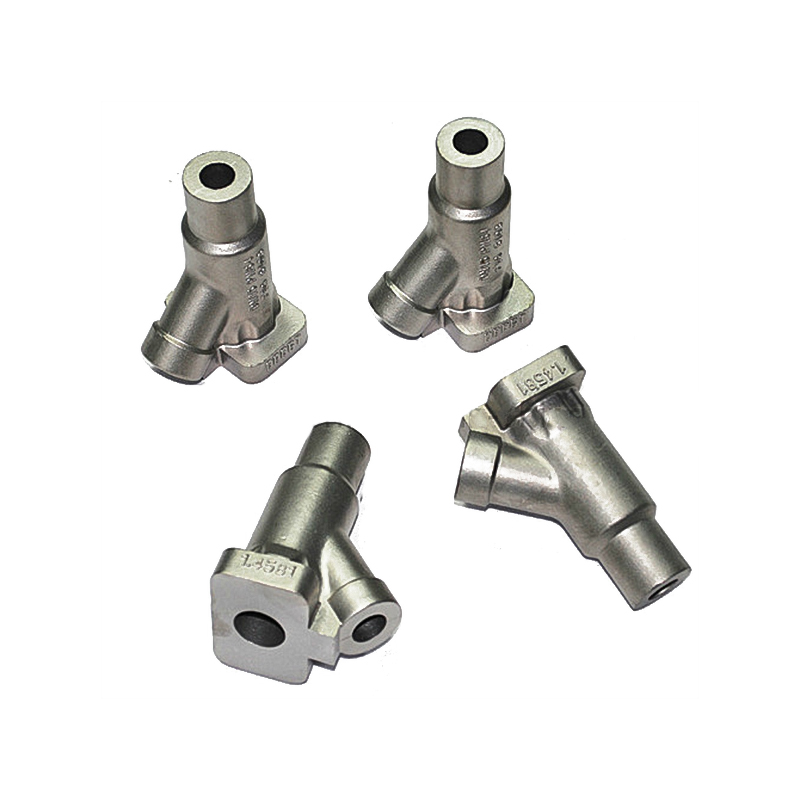
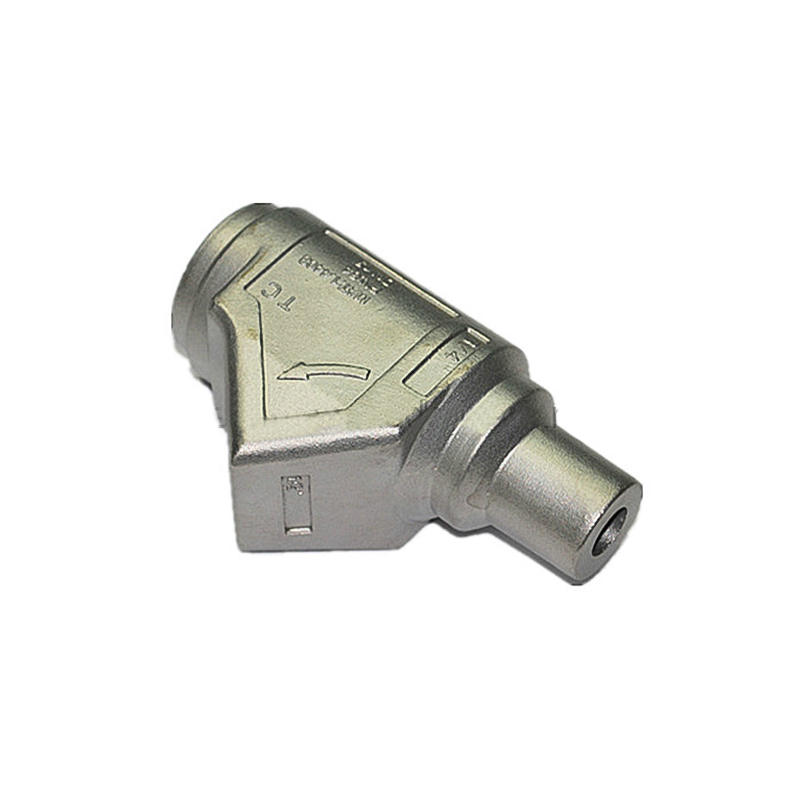
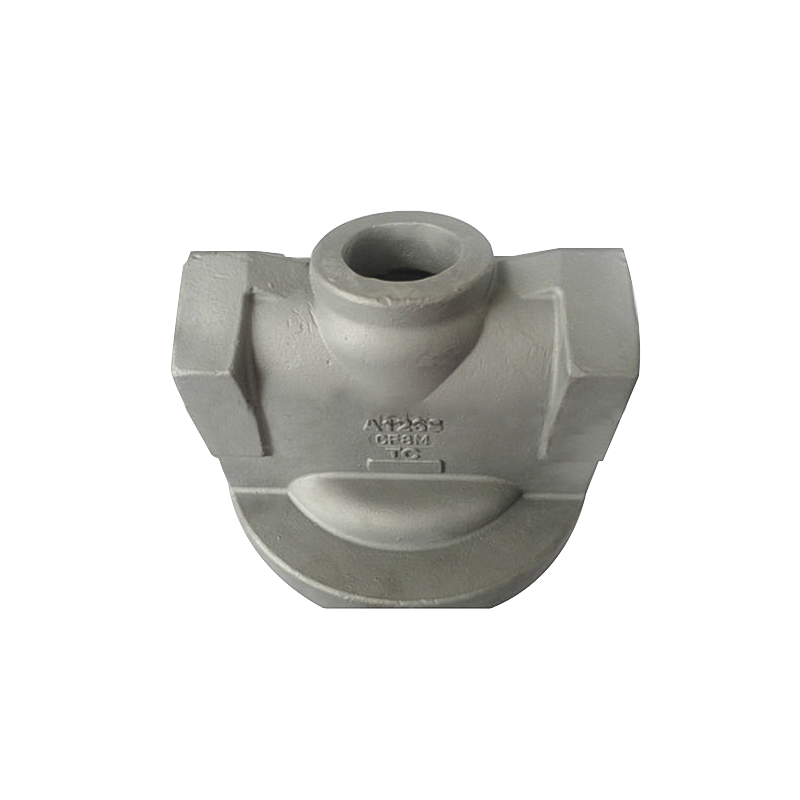
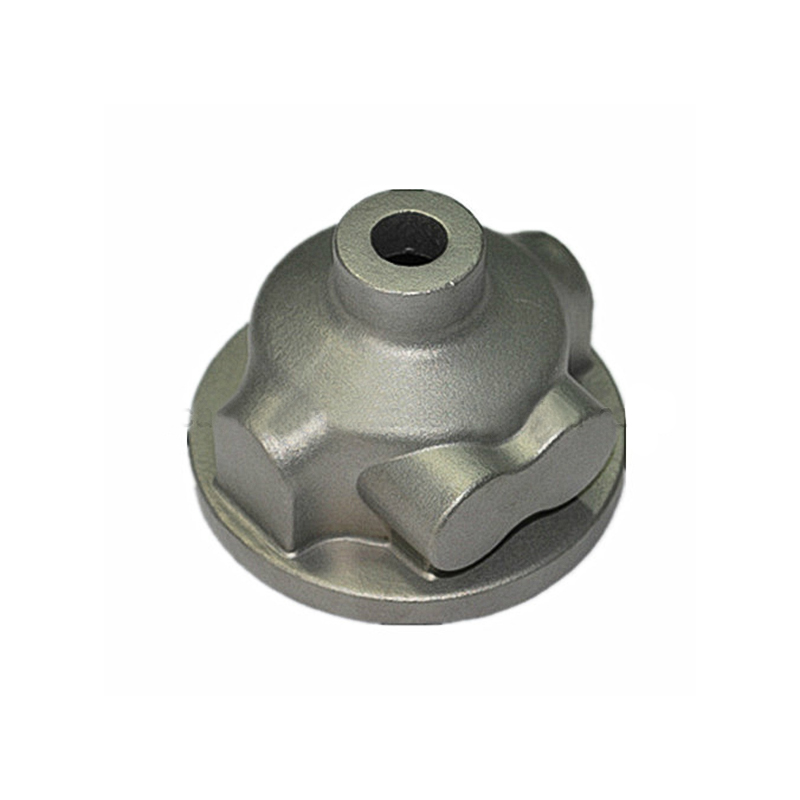
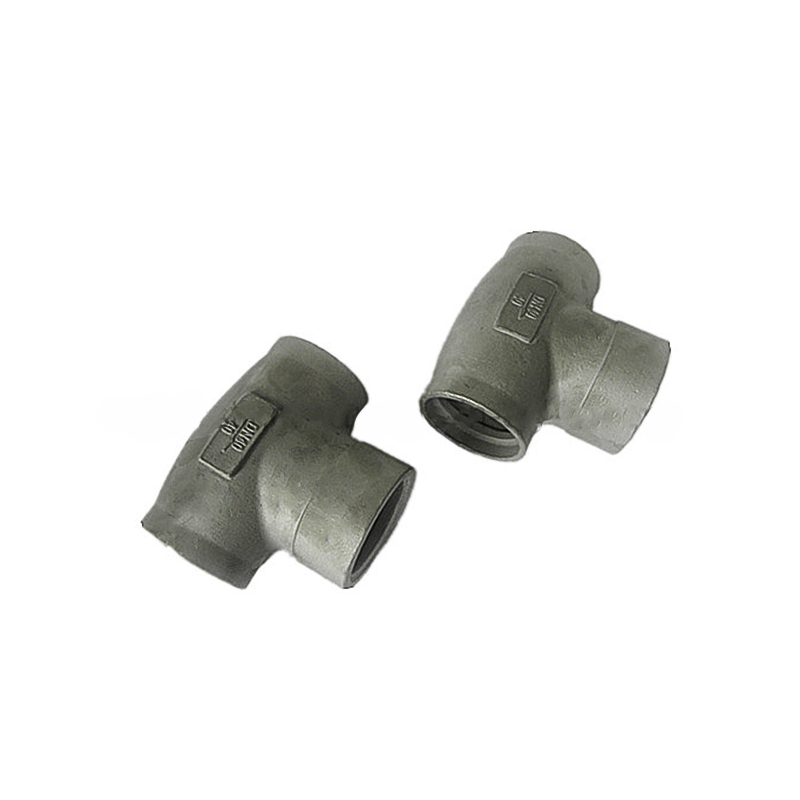
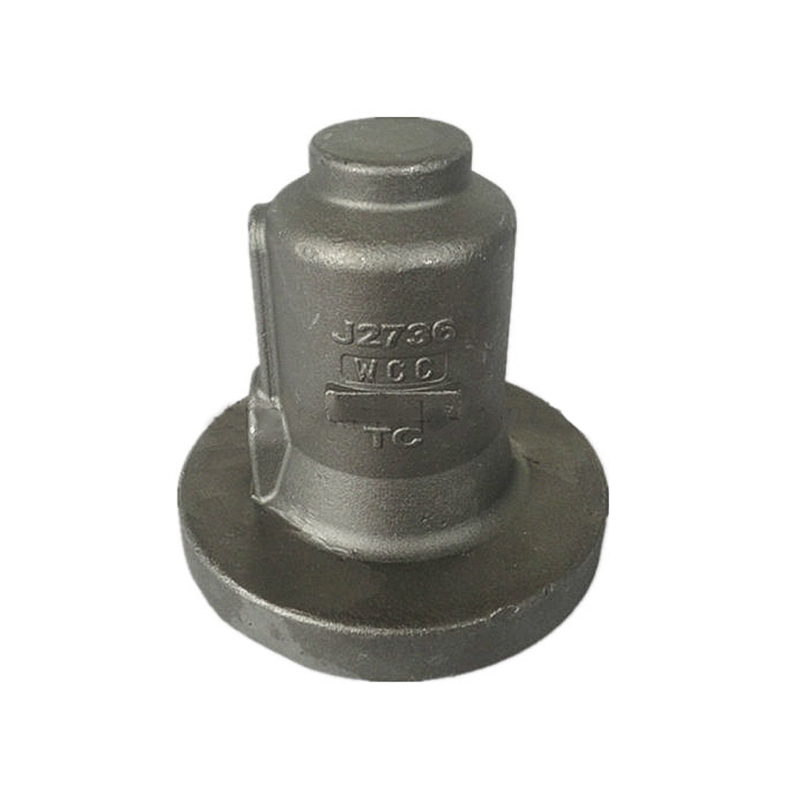
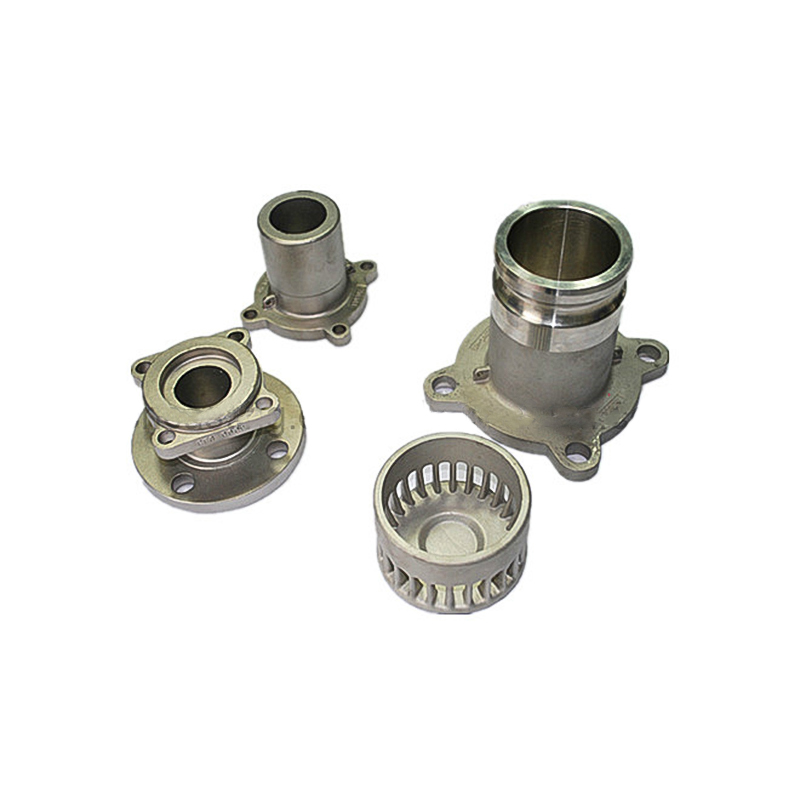
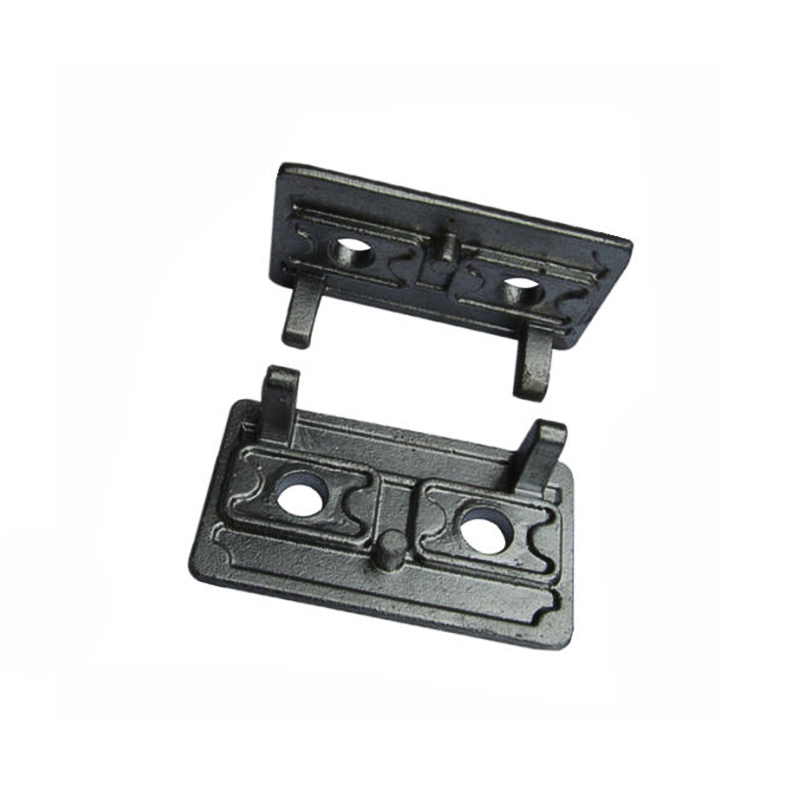
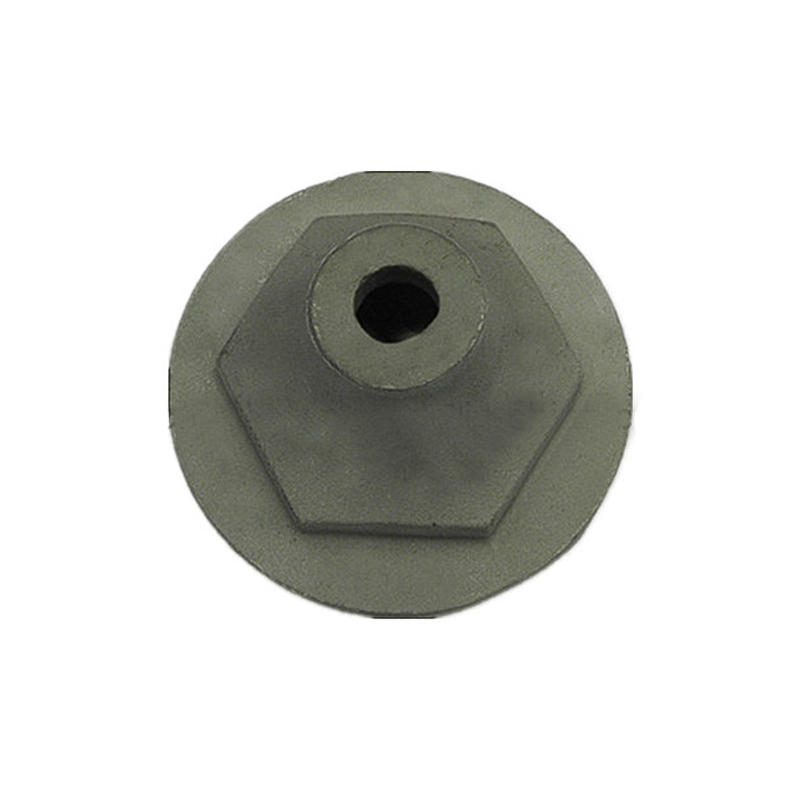
Selected Bearing Display

Contact Information
- Tel:+86-574-88067800/88067900
- Fax:+86-574-88067400
- Phone:+86-13967874638
- E-Mail:master@nbyifei.com
Products Links
Products Links
- Agricultural Machinery Casting Parts
- Auto Casting Parts
- Brass Die Casting Parts
- Casting Bucket Tooth And Accessory
- Container Casting Parts
- Investment Casting Parts
- Machinery Casting Parts
- Mining Machinery Casting Parts
- Railway And Train Casting Parts
- Sand Casting Parts
- Stamping & Forging Parts
- Valve Casting Parts
Contact Us
Copyright ©
Ningbo Hansheng Machinery Parts Co.,Ltd. All Rights Reserved
 Custom Die Castings Manufacturers
