

 English
 Deutsch
 简体中文
简体中文
Author: FTM
Date: Jun 17, 2026
Brass Die Casting: Process, Benefits, and High-Precision Parts
Brass die casting is one of the most efficient methods for producing complex, dimensionally accurate metal parts at medium-to-high volumes. It forces molten brass alloy into a hardened steel mold under pressures typically ranging from 1,500 to 25,000 psi, yielding parts with tight tolerances (±0.05 mm in many cases), excellent surface finish, and superior mechanical properties compared to sand casting or machining from bar stock. For industries ranging from plumbing and electrical hardware to automotive and decorative hardware, brass die casting parts deliver a combination of strength, corrosion resistance, and machinability that few other processes can match at comparable cost.
How the Brass Die Casting Process Works
Brass die casting uses the hot-chamber or cold-chamber process depending on the alloy's melting point and zinc content. Most standard brass alloys — with melting points between 900°C and 940°C — are processed using the cold-chamber die casting method, because their higher melting temperatures would damage the submerged injection system used in hot-chamber machines.
Step-by-Step Cold-Chamber Process
- Melting: Brass alloy (typically C85700, C87300, or similar) is melted in a separate furnace and held at 900–960°C.
- Ladling: A measured shot of molten brass is manually or automatically ladled into the cold-chamber injection sleeve.
- Injection: A hydraulic plunger forces the molten metal into the clamped die at pressures of 1,500–25,000 psi. Fill time is typically 10–100 milliseconds.
- Solidification: The brass solidifies under pressure in the water-cooled steel die. Cycle times range from 15 seconds to several minutes depending on part size and wall thickness.
- Ejection: Ejector pins push the solidified part from the die. The part is then trimmed, quenched if needed, and moved to secondary operations.
- Secondary operations: Deburring, CNC machining of critical features, surface finishing (polishing, plating, lacquering), and quality inspection complete the production sequence.
A well-maintained cold-chamber die can produce 50,000 to 150,000 shots before requiring refurbishment, making brass die casting highly cost-effective for production runs above 500–1,000 pieces.
Common Brass Alloys Used in Die Casting
The choice of brass alloy directly determines the mechanical properties, corrosion resistance, and machinability of the finished die casting part. Not all brass grades are equally suitable for die casting — alloys with higher zinc content and lower melting points are generally preferred.
| Alloy (UNS) | Composition (approx.) | Tensile Strength | Key Advantage | Typical Use |
|---|---|---|---|---|
| C85700 | Cu 58–64%, Zn 32–40%, Pb ≤1% | 310–380 MPa | Good fluidity, low porosity | Plumbing fittings, valves |
| C87300 | Cu 94–96%, Si 3.5–4.5% | 380–450 MPa | Lead-free, high strength | Potable water, food-grade parts |
| C36000 (Free-Cutting) | Cu 61.5%, Zn 35.5%, Pb 3% | 340–415 MPa | Excellent machinability | Precision parts, connectors |
| C86300 (Manganese Bronze) | Cu 60–66%, Zn 22–28%, Mn/Al/Fe | 620–760 MPa | Very high strength | Gears, bushings, heavy load parts |
For applications involving drinking water or food contact, lead-free alloys such as C87300 or bismuth-silicon brass are now mandated in many markets, including under the U.S. Safe Drinking Water Act (NSF/ANSI 61) and Europe's EN 1254 plumbing standards.
Key Industries and Applications for Brass Die Casting Parts
Brass die casting parts appear across a wide range of industries wherever a combination of corrosion resistance, electrical conductivity, and precision geometry is required. Below are the most significant application sectors.
Plumbing and Water Systems
This is the single largest market for brass die casting parts globally. Typical parts include ball valve bodies, gate valves, faucet bodies, pipe fittings, compression fittings, and pressure regulators. Brass outperforms stainless steel in dezincification-resistant grades and costs 30–50% less for equivalent plumbing components at medium production volumes.
Electrical and Electronics
Brass's high electrical conductivity (approximately 28% IACS for standard alloys) and excellent solderability make it ideal for electrical connectors, terminal blocks, plug pins, switchgear components, and grounding hardware. Die casting allows these parts to be produced with integrated mounting features and complex internal geometry that would be prohibitively expensive to machine.
Automotive Components
In automotive applications, brass die casting parts are used for fuel system fittings, coolant connectors, sensor housings, hydraulic line fittings, and HVAC valve components. The material's ability to withstand continuous operating temperatures up to 200°C and resist corrosion from fuel, coolant, and road salts makes it a durable choice for underhood environments.
Decorative Hardware and Architectural Fittings
Door handles, lock cylinders, cabinet hardware, bathroom accessories, and lighting fixtures frequently use brass die casting for its aesthetic appeal and surface finish quality. Die-cast brass parts can be polished to a mirror finish, brushed, antique-finished, or plated with chrome, nickel, or gold to meet premium design specifications.
Industrial and Gas Equipment
Gas regulators, manifold bodies, pneumatic fittings, hydraulic couplings, and metering valve bodies are routinely produced as brass die castings. The material's non-sparking properties (brass does not produce friction sparks) make it a safety requirement in explosive atmospheres such as oil refineries and chemical plants.
Brass Die Casting vs Other Manufacturing Methods
Understanding when brass die casting is the right choice — and when it isn't — prevents costly manufacturing decisions. The table below compares die casting against the most common alternatives for producing brass parts.
| Method | Typical Tolerance | Min. Volume | Tooling Cost | Surface Finish | Best For |
|---|---|---|---|---|---|
| Die Casting | ±0.05–0.1 mm | 500–1,000 pcs | High ($3,000–$30,000+) | Excellent (Ra 1.6–3.2 µm) | Medium-high volume, complex shapes |
| Sand Casting | ±0.5–1.5 mm | 1 pc | Low ($200–$2,000) | Rough (Ra 12–25 µm) | Prototypes, large or unique parts |
| Investment Casting | ±0.1–0.3 mm | 50–200 pcs | Medium ($1,500–$10,000) | Good (Ra 3.2–6.3 µm) | Complex, low-to-medium volume |
| CNC Machining (Bar Stock) | ±0.01–0.05 mm | 1 pc | None (program cost only) | Excellent (Ra 0.8–1.6 µm) | Prototypes, very tight tolerances |
| Forging | ±0.1–0.5 mm | 1,000+ pcs | High ($5,000–$50,000+) | Moderate (requires machining) | High-strength structural parts |
Die casting becomes cost-competitive above approximately 1,000 units, at which point the tooling cost is amortized and the per-part price drops well below CNC machining or investment casting for equivalent complexity.
Tolerances and Quality Standards for Brass Die Casting Parts
Dimensional control is one of the primary reasons engineers specify brass die casting over sand casting. However, achievable tolerances depend on feature type, location relative to the parting line, and whether secondary machining is applied.
- Linear tolerances as-cast: ±0.05 mm for dimensions up to 25 mm; ±0.10–0.15 mm for dimensions from 25–100 mm. Features crossing the parting line carry wider tolerances (±0.20–0.40 mm) due to die half alignment variation.
- Hole tolerances: Cored holes achieve ±0.05–0.10 mm; drilled holes added in secondary machining achieve ±0.02–0.05 mm.
- Surface roughness: As-cast finish is typically Ra 1.6–3.2 µm. Post-machining achieves Ra 0.8 µm or better.
- Draft angles: A minimum of 0.5°–1° draft per side is required on all vertical walls for ejection. Internal features may require 1.5°–3° draft.
Quality inspection of brass die casting parts commonly references ASTM B176 (standard specification for zinc-alloy die castings, also used as a quality benchmark for brass die castings) and ISO 8062 for casting dimensional tolerances. Critical applications such as gas fittings additionally require pressure testing per EN 13828 or ASME B16.18.
Surface Finishing Options for Brass Die Cast Parts
The natural gold appearance and corrosion resistance of brass make it one of the most versatile materials for surface finishing. The right finish depends on the application environment, aesthetic requirements, and end-use regulations.
- Polishing: Mirror or satin polishing is standard for decorative hardware (door handles, bathroom fittings). Achieves Ra ≤ 0.2 µm on suitable alloys.
- Electroplating: Chrome, nickel, gold, or tin plating adds wear resistance and controls electrical contact resistance for connector applications.
- Lacquering / clear coating: Prevents tarnishing of polished decorative parts without altering appearance. Common for lighting and architectural hardware.
- Powder coating: Applied for color differentiation and additional corrosion protection in outdoor or industrial environments.
- As-cast / tumble-deburred: Many functional parts (valve bodies, fittings) ship with only deburring and passivation, relying on brass's natural corrosion resistance without additional treatment.
- Antique / patina finish: Chemical treatment darkens the surface for vintage-look decorative hardware. Popular in architectural and furniture hardware markets.
Design Guidelines for Brass Die Casting Parts
Designing a part correctly for the die casting process prevents costly tooling revisions and ensures consistent part quality. The following guidelines apply specifically to brass die casting:
Wall Thickness
Maintain uniform wall thickness wherever possible, ideally between 1.5 mm and 5 mm for most brass alloys. Walls thinner than 1.2 mm risk incomplete fill (cold shuts); walls thicker than 6 mm increase cycle time and risk porosity from extended solidification. Where thick sections are unavoidable, coring out mass reduces porosity risk and saves material cost.
Radii and Fillets
Sharp internal corners are stress concentration points in both the part and the die. A minimum internal radius of 0.5 mm (preferably 1.0 mm) at all corners significantly extends die life and reduces stress cracking in the casting. External corners can be sharper but benefit from at least 0.3 mm radius.
Undercuts and Side Actions
External undercuts require side-action (slide) mechanisms in the die, increasing tooling cost by 20–40% per slide. Where design allows, replacing external undercuts with draft-compliant features or moving them to the parting line eliminates this cost. Internal undercuts generally require loose pieces or collapsible cores, which further increase complexity.
Inserts and Threaded Features
Threads can be cast-in for coarse pitches (M6 and coarser) or machined post-cast for precision applications. Steel or stainless inserts can be cast-in-place for high-load threaded connections, improving thread durability significantly compared to threads tapped directly into brass.
How to Select a Brass Die Casting Supplier
Supplier selection significantly impacts part quality, lead time, and total cost of ownership. Use the following criteria to evaluate potential brass die casting partners:
- Material certification: Confirm the supplier provides material test reports (MTRs) with each batch, verifying alloy composition against the specified UNS or EN designation. For lead-free applications, RoHS and NSF/ANSI 61 compliance documentation is essential.
- In-house die making: Suppliers who build and maintain their own tooling in-house offer faster revision cycles and better accountability for die longevity. Outsourced tooling introduces lead time risk and divided responsibility.
- Quality management system: ISO 9001:2015 certification is the baseline. For automotive parts, IATF 16949 certification indicates higher process control maturity. Request PPAP (Production Part Approval Process) documentation for critical applications.
- Inspection capability: CMM (coordinate measuring machine) inspection, spectrometer-based alloy verification, and pressure testing equipment should all be available in-house for functional parts.
- Minimum order quantities (MOQs): Most dedicated brass die casting suppliers set MOQs at 500–2,000 pieces per run. Confirm whether prototype or low-volume options (sand casting or machining first articles) are available before committing to production tooling.
- DFM (Design for Manufacturability) support: A capable supplier reviews your design before tooling begins, flagging features that increase cost or risk without functional benefit. This review stage typically costs nothing and can save thousands in tooling revisions.
For reference, lead times for new brass die casting tooling typically run 4–8 weeks from design approval to first article samples, with production lead times of 3–6 weeks per batch thereafter for established tooling.
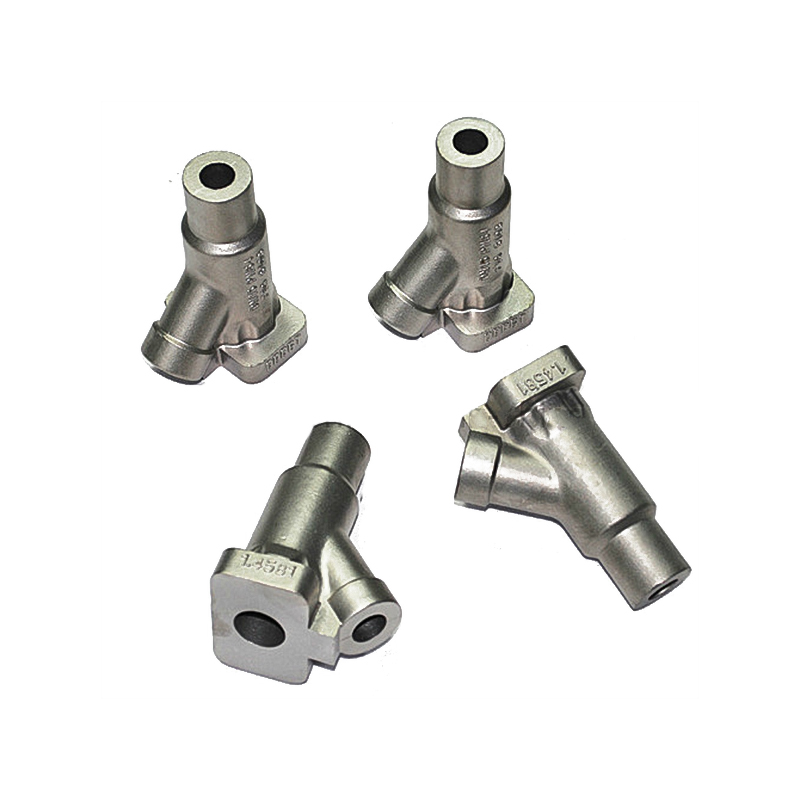
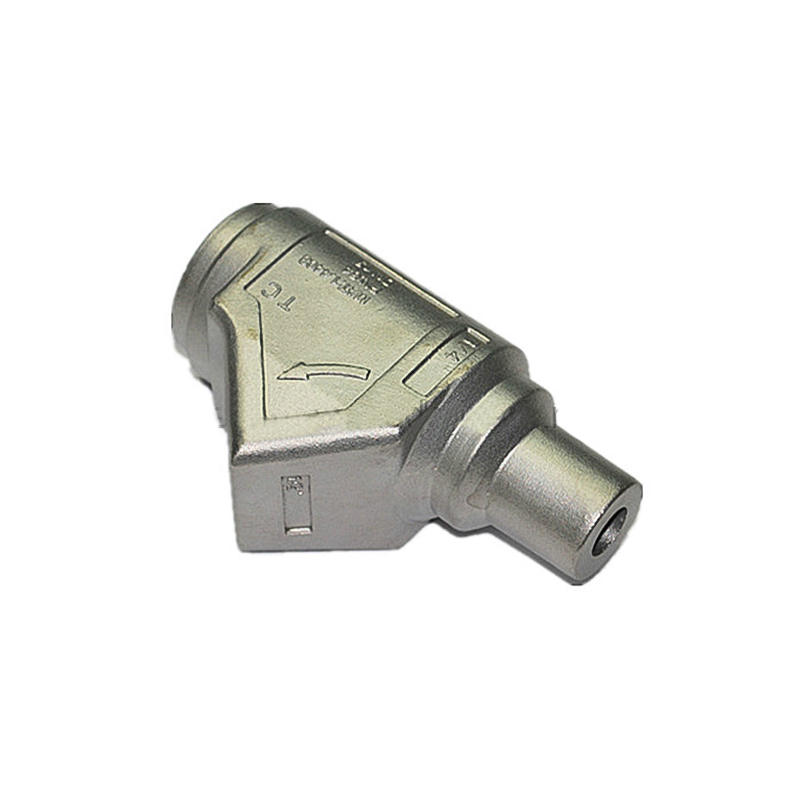
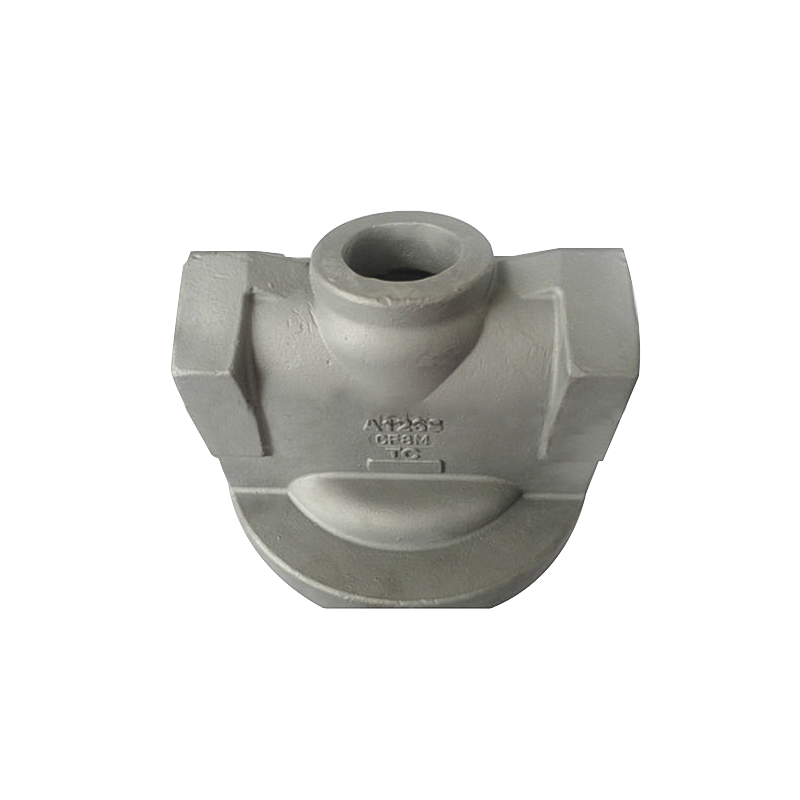
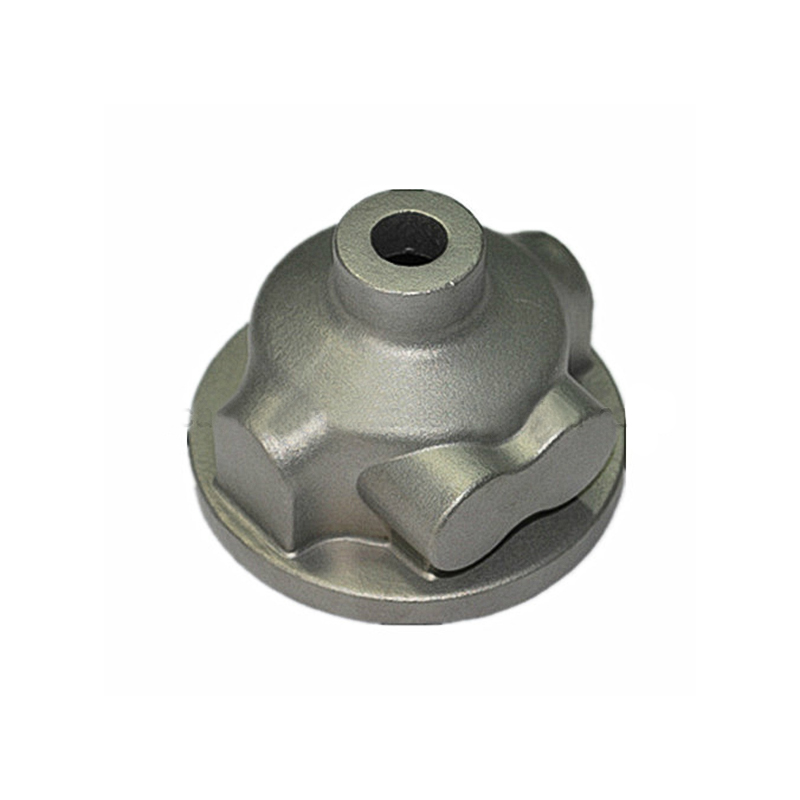
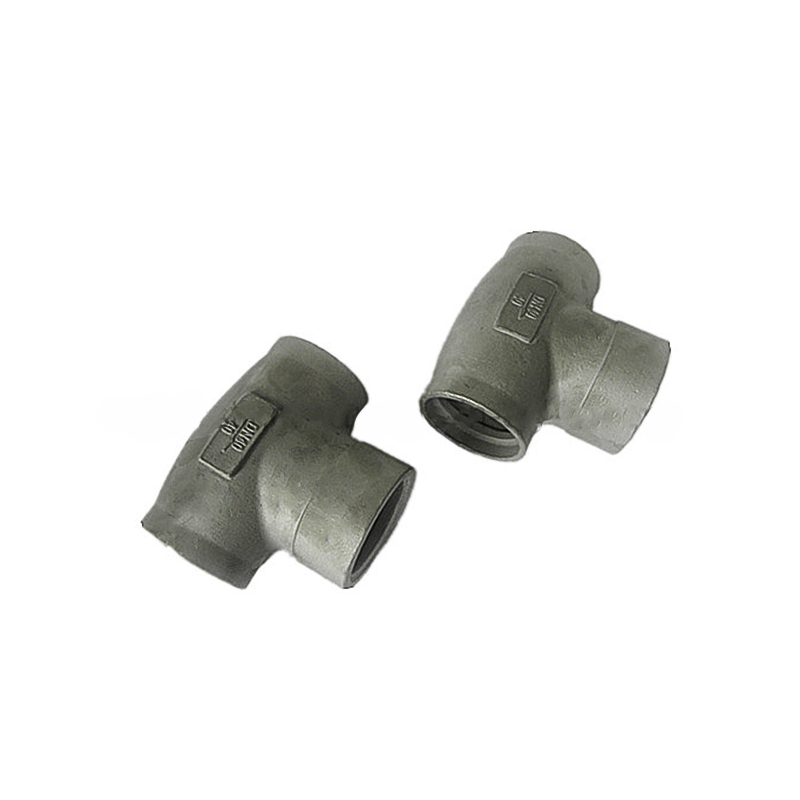
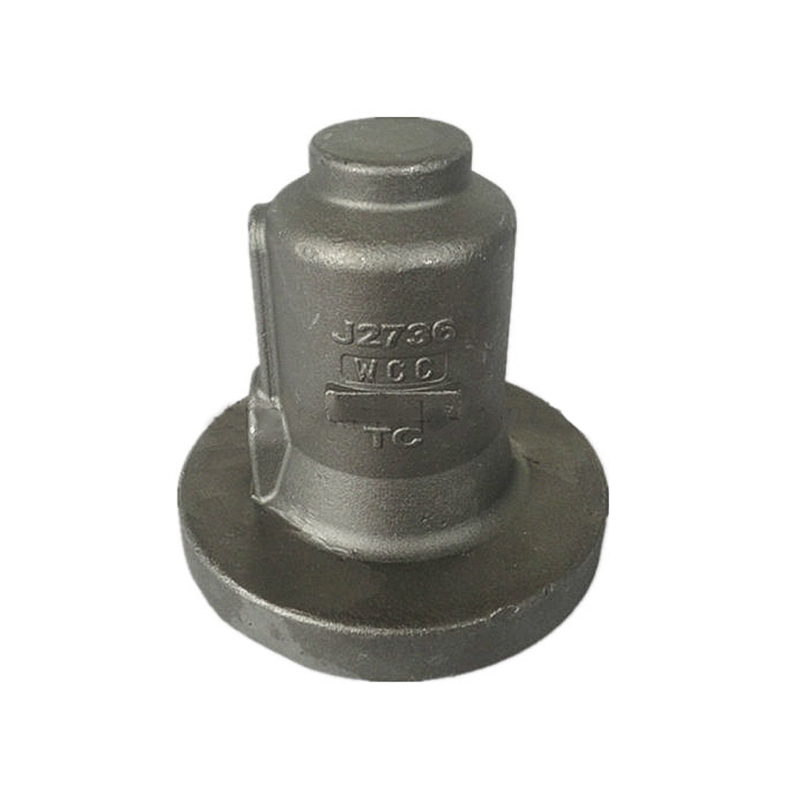
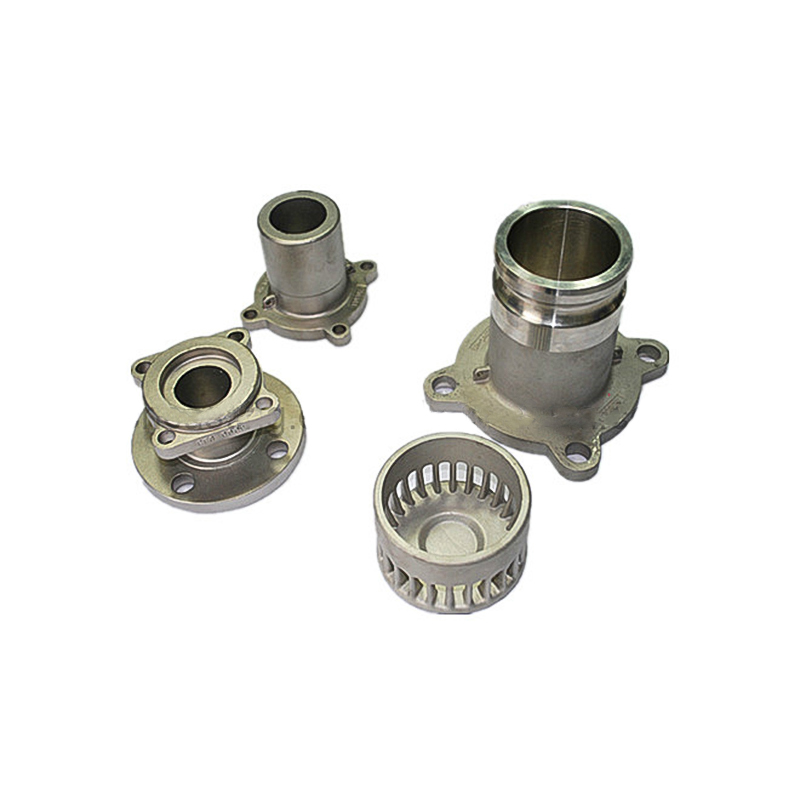
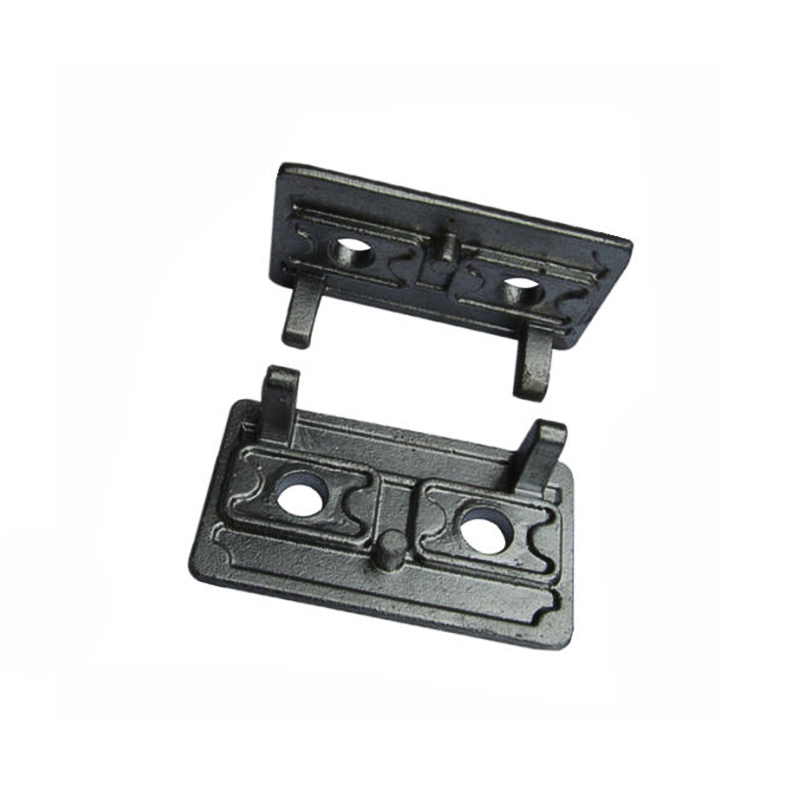
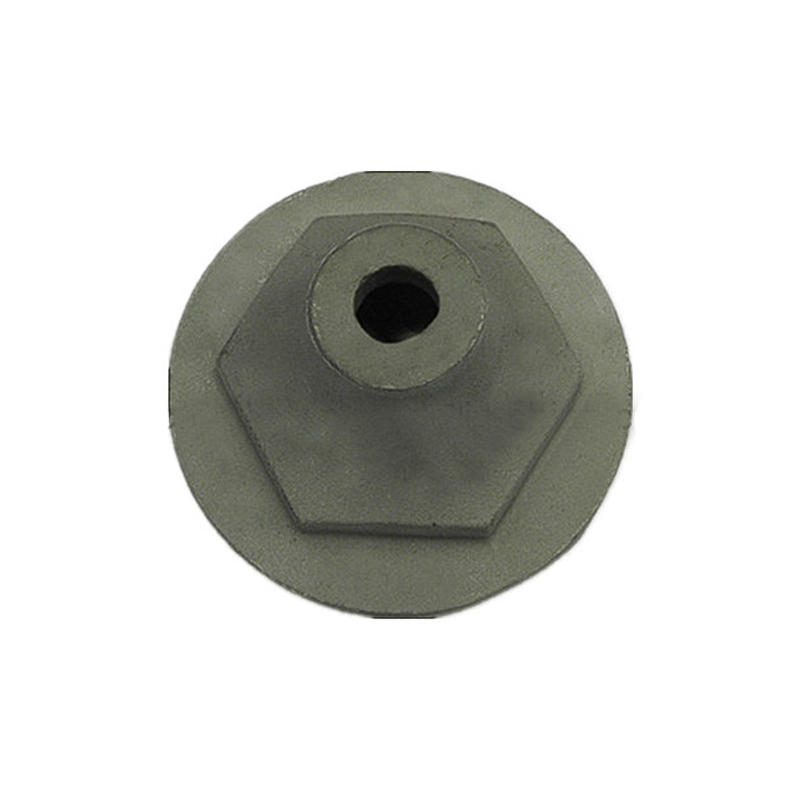
Selected Bearing Display

Contact Information
- Tel:+86-574-88067800/88067900
- Fax:+86-574-88067400
- Phone:+86-13967874638
- E-Mail:master@nbyifei.com
Products Links
Products Links
- Agricultural Machinery Casting Parts
- Auto Casting Parts
- Brass Die Casting Parts
- Casting Bucket Tooth And Accessory
- Container Casting Parts
- Investment Casting Parts
- Machinery Casting Parts
- Mining Machinery Casting Parts
- Railway And Train Casting Parts
- Sand Casting Parts
- Stamping & Forging Parts
- Valve Casting Parts
Contact Us
Copyright ©
Ningbo Hansheng Machinery Parts Co.,Ltd. All Rights Reserved
 Custom Die Castings Manufacturers
