

 English
 Deutsch
 简体中文

Author: FTM
Date: Oct 22, 2026
how are molds and casts formed: Applications, Selection Criteria, and Practical Guidance
Most people first meet the words “mold” and “cast” in the fossil collections of a natural history museum. A fossil mold is an impression left in rock by a shell, leaf, or bone, and a fossil cast is the material that later fills that impression. The same vocabulary turns up every day in a metal foundry. Here, a mold is the negative cavity that shapes the outside of a part, and a cast is the metal component that solidifies inside it. This article looks at how molds and casts are formed in manufacturing, from the original pattern to the finished industrial part.
The core principle behind mold and cast formation
A casting begins long before molten metal reaches the foundry floor. First, the required part geometry is made into a pattern, an object that acts as the positive of the final part. The pattern is then surrounded by a mold material. Once the mold material hardens or is compacted, the pattern is withdrawn, leaving a hollow cavity. Molten metal poured into this cavity fills every detail, and when it solidifies, the final casting is removed.
This sequence can be summarized in four steps:
- Design a pattern that includes shrinkage allowance and draft angles.
- Form a mold cavity around the pattern.
- Pour or inject molten metal into the cavity.
- Allow the metal to cool, then separate the cast part from the mold.
All casting processes follow the same logic, but the way the mold is formed differs significantly.
Expendable and permanent molds
From a foundry perspective, mold formation falls into two families:
| Aspect | Expendable mold | Permanent mold |
|---|---|---|
| Mold material | Sand, ceramic shell, plaster | Tool steel, cast iron, copper alloy |
| Mold life | Single use | Thousands or more cycles |
| Process examples | Sand casting, investment casting | Die casting, gravity permanent mold |
| Typical surface finish | Rougher, process dependent | Smoother, tightly controlled |
| Production volume | Prototype to medium series | High volume |
A useful way to think about the two ideas is to remember that the mold is formed first and the cast is formed second. Even when the total process takes seconds, as in die casting, the cause-and-effect order remains the same. The quality of the mold determines the quality of the cast. No amount of surface treatment can correct a mold cavity that was formed incorrectly.
How sand molds and casts are formed
Sand casting starts with a pattern, often made of wood, resin, or metal. The pattern is placed in a molding box known as a flask, and sand mixed with a binder is compacted around it. After the sand is packed in two halves, the cope on top and the drag below, the pattern is split along the parting line and withdrawn. The resulting cavity is a mold, and it carries the exact negative geometry of the cast part.
- Compact molding sand around the pattern in a flask.
- Remove the pattern carefully to avoid damaging the cavity.
- Cut gates, runners, and risers into the sand.
- Set cores where internal passages are required.
- Pour molten metal into the mold and allow it to solidify.
- Break the sand mold away to release the finished sand casting.
Sand molds are not uniform. The sand can be green sand, sodium silicate bonded sand, or resin-coated sand. Each material affects how faithfully the mold cavity reproduces fine detail and how smoothly the metal flows. For exterior shapes, a two-part mold is normally enough. For pipe fittings, cylinders, motor housings, and valve bodies, cores must be formed in the same sand and positioned before the mold is closed.
Because the sand mold is destroyed during the process, sand casting is a classic expendable mold method. It is especially useful for larger parts where a permanent die would be too expensive or impractical.
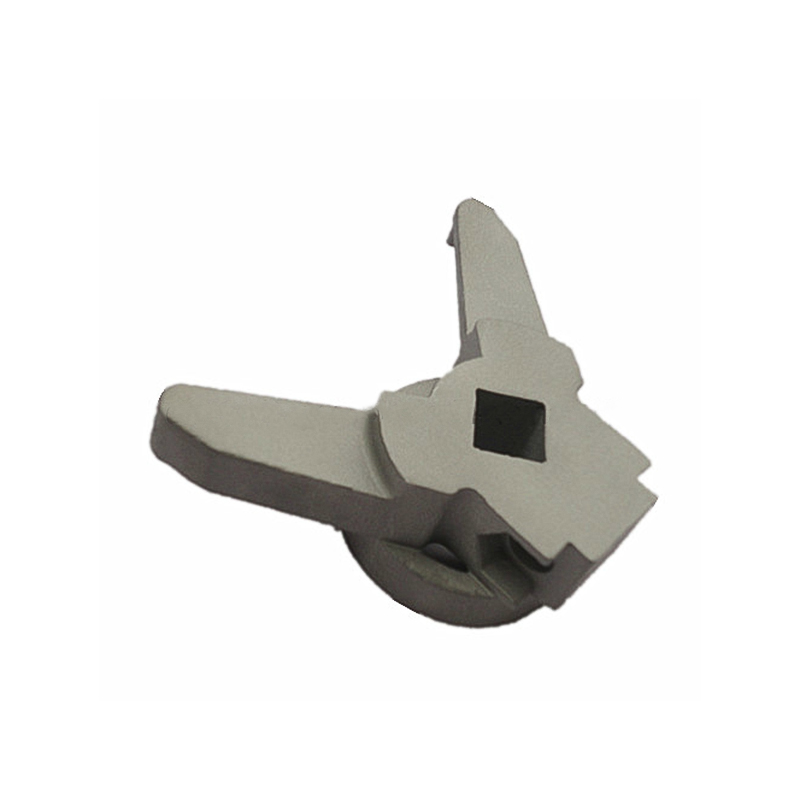 Sand Casting Machine Parts for Complex and Large ComponentsThis sand casting part offers low-cost flexibility for complex, larger metal components, contrasting with the expendable mold context and highlighting its practical value.View Product →
How investment casting molds and casts are formed
Investment casting, also called lost-wax casting, forms a mold through a very different route. The pattern is not removed by pulling it out. It is melted away. This makes it possible to form molds for highly intricate parts, thin walls, and complex internal passageways.
- Inject wax into a metal die to create a wax pattern, often with many parts attached to a central wax sprue.
- Dip the wax pattern in ceramic slurry and coat it with fine sand.
- Build up several ceramic layers until a strong shell forms around the wax.
- Heat the shell to melt and drain the wax out.
- Fire the shell at high temperature to harden the ceramic.
- Pour molten metal into the fired shell.
- Remove the ceramic shell after cooling to get the casting.
The ceramic shell must have strength at high temperature and enough permeability for air to escape. Shell thickness depends on part weight and metal temperature. Because the wax pattern is destroyed, investment casting does not need draft angles as large as sand casting, which opens design freedom for engineers.
Since the ceramic shell is broken away, the investment casting mold is also expendable. The process is prized for excellent accuracy, smooth surfaces, and complex details in stainless steel, alloy steels, aluminum, and copper alloys.
 Machined Investment Casting Component with Added PrecisionThis precision investment casting part gains tighter tolerances through machining, complementing the permanent molding discussion and showcasing custom manufacturing capabilities.View Product →
How permanent molds and die-cast parts are formed
Permanent molding reverses the approach. Instead of creating an expendable mold around a pattern, the mold cavity is machined directly into a block of tool steel. In die casting, the two halves of a die are clamped together, molten metal is injected under high pressure, and the casting solidifies quickly. When the die opens, the cast part is ejected.
The mold is formed by machining, grinding, and polishing the die cavity. It must be designed with correct draft, ejection, and cooling channels. A durable die is only as accurate as the machining program and tooling behind it. Because a permanent mold can run for hundreds of thousands of cycles, it becomes an important part of the production system itself.
- High repeatability for production runs.
- Smooth as-cast surfaces.
- Fast cycle times for aluminum, zinc, and brass alloys.
- Higher initial tooling cost, often offset by lower unit cost.
Permanent mold processes still produce a cast, but the mold remains intact and ready for the next shot. In many cases, casting is followed by CNC machining to bring bores, threads, and sealing faces to final tolerance.
What makes a mold trustworthy and a cast sound
Forming a mold is only half the story. The same mold can produce a good casting or a defective one, depending on how the metal is poured, cooled, and fed. Shrinkage, gas porosity, hot tears, and misruns often trace back to mold design, gating, or pouring temperature.
Experienced foundries pay attention to several factors:
- Shrinkage allowance built into the pattern or die.
- Smooth runner systems that deliver clean metal.
- Cores that create accurate internal passages.
- Cooling control that avoids stress and distortion.
- Post-casting machining that refines critical dimensions.
- Final inspection and surface treatment according to customer requirements.
This is why choosing a manufacturer is not just about the casting machine. A reliable partner understands how mold materials, alloy behavior, and geometry interact. If you want to see the step-by-step movement from pattern to finished part, this guide to how sand casting works explains the sequence from the perspective of an actual foundry process.
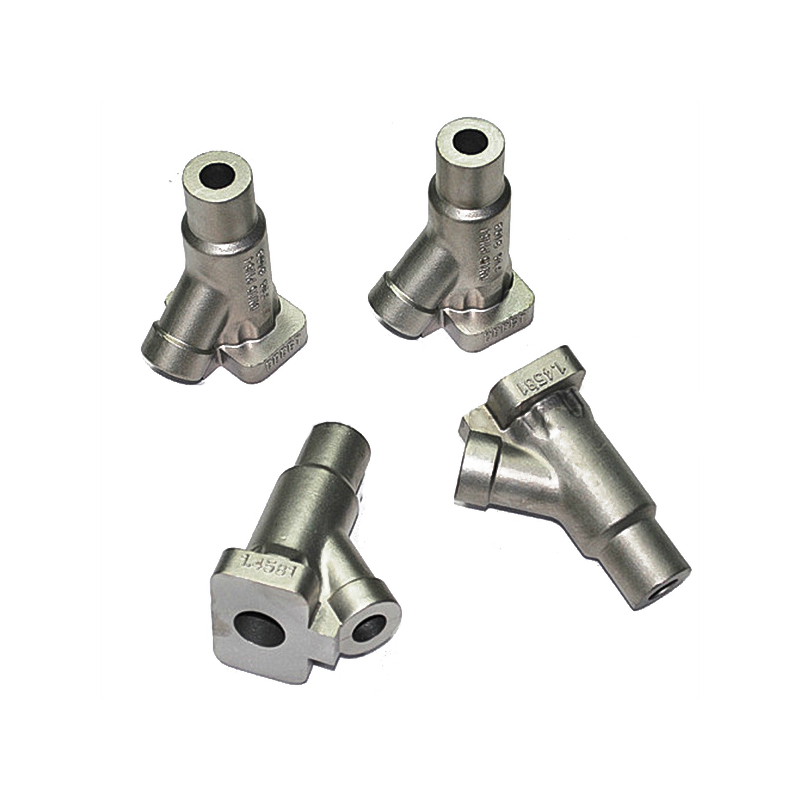
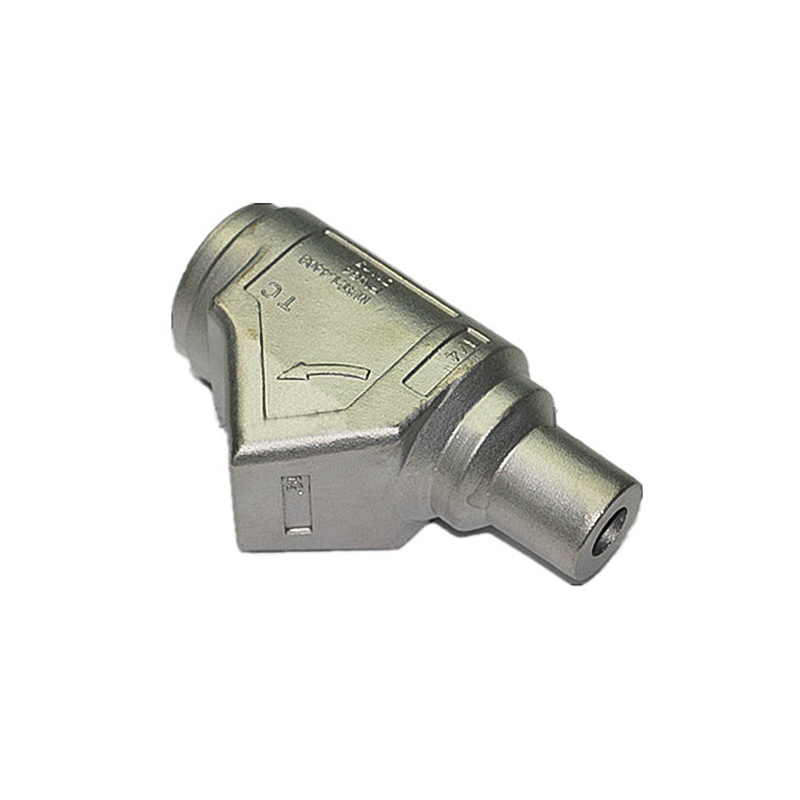
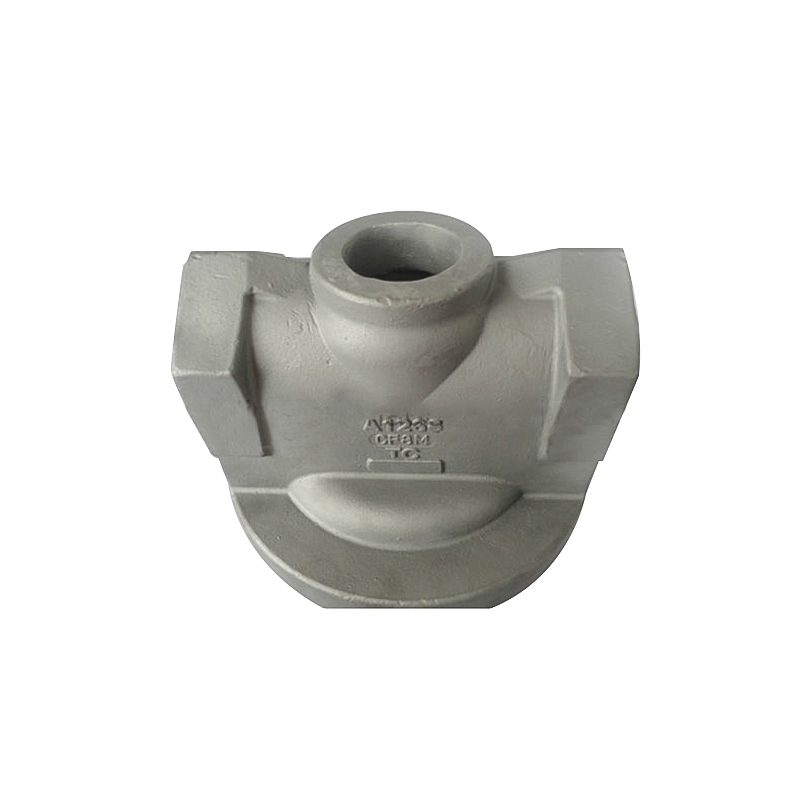
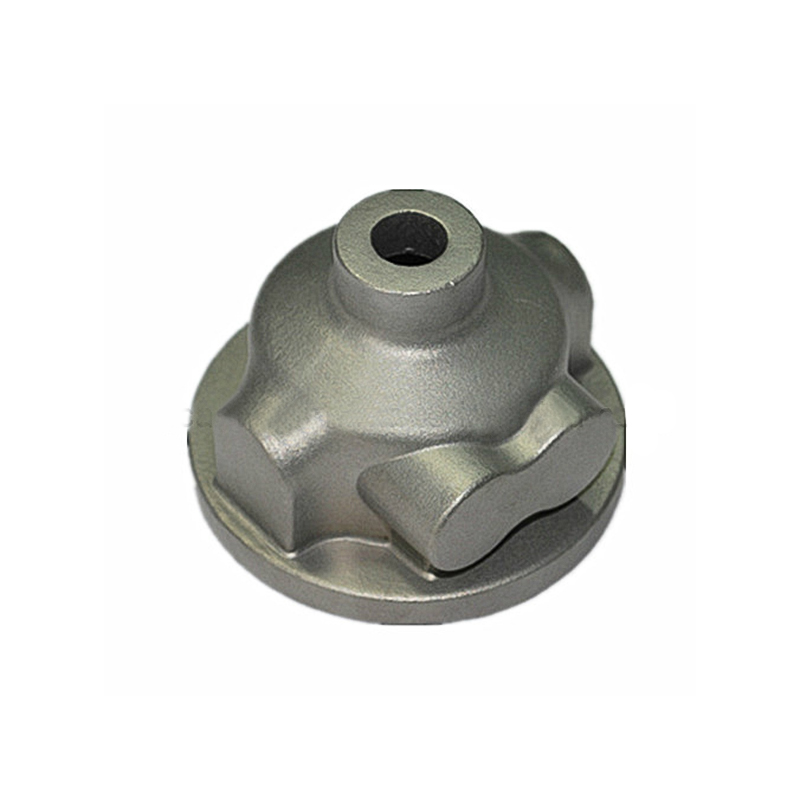
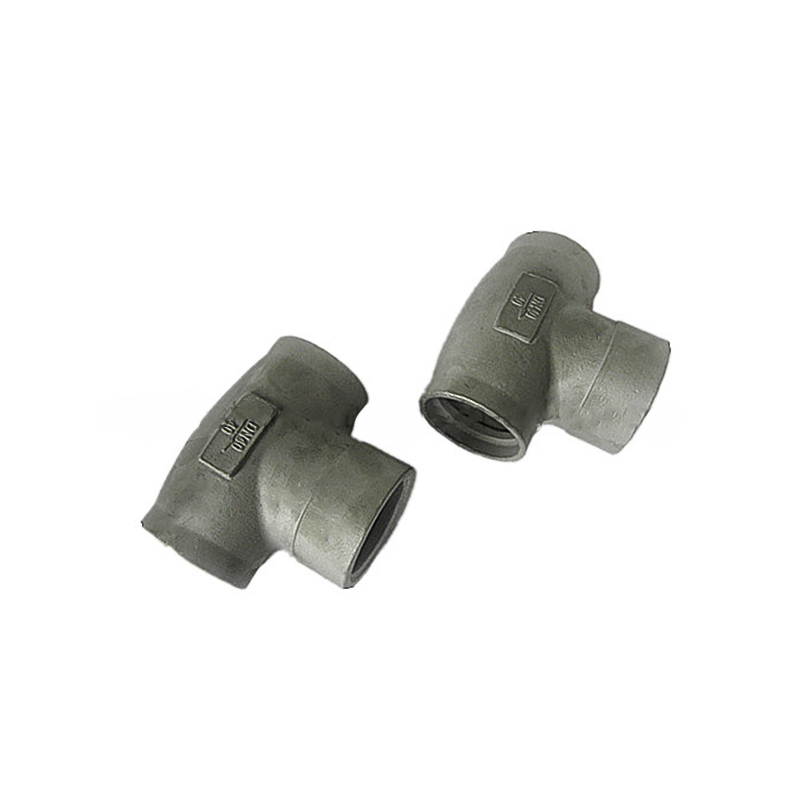
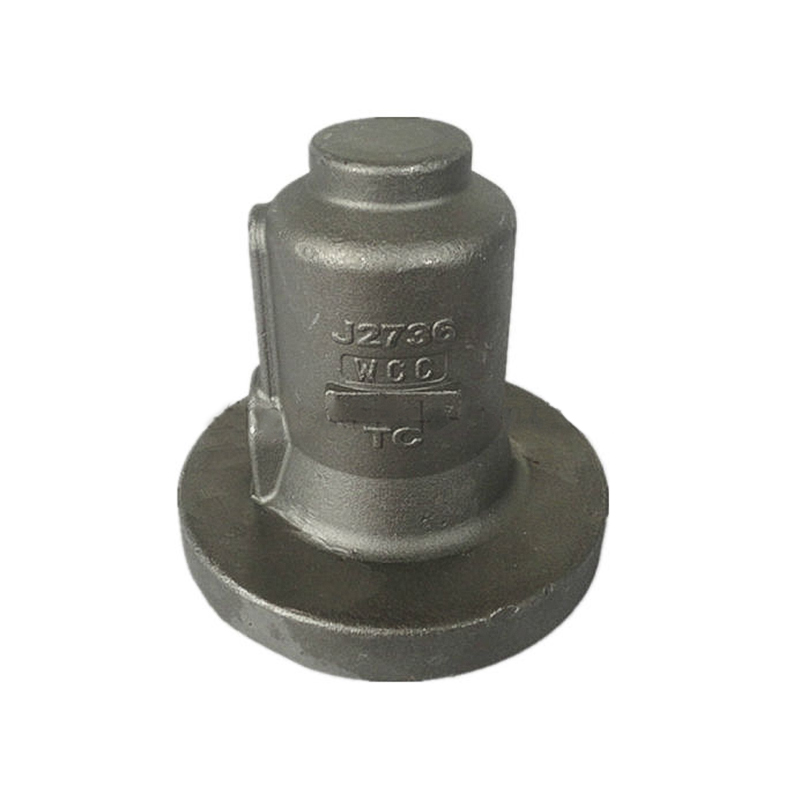
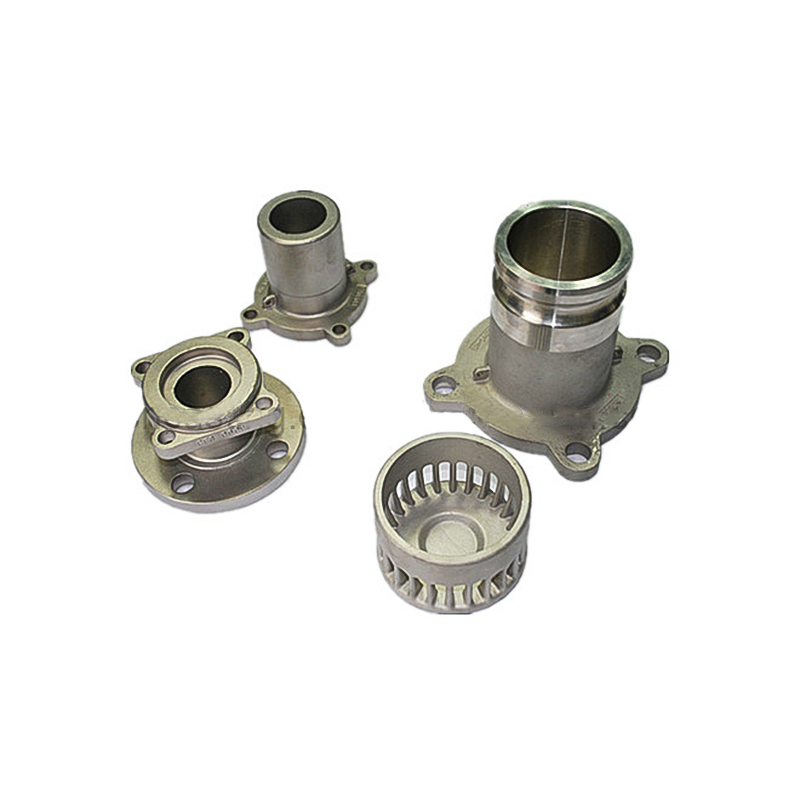
At Ningbo Hansheng Machinery Parts Co., Ltd., we form molds for sand casting, investment casting, and permanent mold processes, then machine the resulting castings to customer requirements. Whether the part is for a train, a pump, a construction machine, or an agricultural implement, the same principle holds: make the mold well, and the cast follows.
Selected Bearing Display

Contact Information
- Tel:+86-574-88067800/88067900
- Fax:+86-574-88067400
- Phone:+86-13967874638
- E-Mail:master@nbyifei.com
Products Links
Products Links
- Agricultural Machinery Casting Parts
- Auto Casting Parts
- Brass Die Casting Parts
- Casting Bucket Tooth And Accessory
- Container Casting Parts
- Investment Casting Parts
- Machinery Casting Parts
- Mining Machinery Casting Parts
- Railway And Train Casting Parts
- Sand Casting Parts
- Stamping & Forging Parts
- Valve Casting Parts
Contact Us
Copyright ©
Ningbo Hansheng Machinery Parts Co.,Ltd. All Rights Reserved
 Custom Die Castings Manufacturers
