

 English
 Deutsch
 简体中文
简体中文
Author: FTM
Date: Feb 25, 2026
How Investment Casting Enhances Precision in Railway Brake Systems
In the global transportation landscape, the railway industry remains the backbone of logistics and passenger travel. From high-speed passenger trains to heavy-haul freight locomotives, the priority is always the same: safety. When we discuss safety in rail, the conversation inevitably turns to the braking system. The ability to stop a train weighing thousands of tons with pinpoint accuracy requires components that are not just strong, but exceptionally precise.
In recent years, the manufacturing of Railway And Train Casting Parts has undergone a significant evolution. One of the standout methods contributing to this shift is investment casting. By utilizing this ancient yet modernized "lost-wax" process, manufacturers are producing Railway parts that meet the rigorous demands of 21st-century rail infrastructure.
The Critical Role of Braking in Modern Rail
A train's braking system is a complex network of air compressors, valves, levers, and shoes. Unlike a car, where a simple hydraulic press stops the wheels, a train requires a synchronized effort across dozens of cars. If a single valve in the braking assembly fails or a lever is slightly out of alignment due to a manufacturing defect, the consequences can be catastrophic.
Historically, many Railway parts were made using sand casting. While sand casting is effective for large, chunky components like engine blocks or heavy frames, it often struggles with the intricate internal geometries required for modern pneumatic braking systems. This is where investment casting steps in to fill the gap.
What is Investment Casting for Railway Components?
Investment casting involves creating a wax pattern of the part, coating it in a ceramic shell, and then melting the wax away to leave a hollow mold. Molten metal is then poured into this shell. Because the wax pattern is made from a high-precision metal die, the resulting metal part is an almost perfect replica of the original design.
For Railway And Train Casting Parts, this process offers a level of detail that other methods simply cannot match. It allows for thinner walls, tighter tolerances, and smoother surface finishes—all of which are vital for components that handle high-pressure air and repetitive mechanical stress.
How Investment Casting Enhances Brake System Precision
Superior Dimensional Tolerances
In a braking system, components like valve bodies and air distributors have internal channels that must align perfectly. A deviation of even a millimeter can cause air turbulence or pressure drops, leading to "brake lag." Investment casting provides tolerances as tight as 0.1mm, ensuring that every part fits into the assembly with surgical precision. This reduces the need for expensive and time-consuming secondary machining.
Complex Internal Geometries
Modern rail brakes utilize sophisticated pneumatic logic. The parts involved often have curved internal passages to direct airflow efficiently. Traditional sand casting cannot easily create these hollow, curved interiors without using complex sand cores, which often shift during the pour. Investment casting uses ceramic cores or specialized wax patterns that remain stable, allowing for the creation of intricate Railway parts that are lighter and more efficient.
Exceptional Surface Finish
The smoother the surface of a casting, the less friction it generates. In braking levers and pivot points, a rough surface can lead to premature wear or "snagging." Investment casting produces a surface finish that is significantly smoother than sand casting (often reaching 3.2 Ra or better). This smoothness reduces friction, extends the life of the part, and ensures that the brakes engage and disengage fluidly.
Material Integrity and Strength
Railway environments are harsh. Parts are subjected to extreme temperature fluctuations, salt spray, and constant vibration. Investment casting allows for the use of a wide range of high-performance alloys, including stainless steel and specialized carbon steels. The controlled cooling process in investment casting leads to a more uniform grain structure in the metal, which enhances the fatigue resistance of Railway And Train Casting Parts.
Key Components Benefiting from High-Precision Casting
Several specific Railway parts within the braking assembly have seen massive improvements through investment casting:
- Brake Valve Bodies: The "brain" of the air brake system, requiring complex internal air paths.
- Brake Shoe Holders: These must be perfectly aligned to ensure even wear on the brake pads and the wheel surface.
- Slack Adjusters: Mechanical devices that maintain the proper distance between the brake shoe and the wheel as the shoe wears down.
- Pneumatic Connectors: High-pressure fittings that must be leak-proof under extreme vibrations.
Why "Precision" Equals "Cost Savings" for Operators
While the initial cost of an investment cast part might be higher than a sand-cast part, the long-term ROI (Return on Investment) for railway operators is undeniable.
Reduced Machining Costs
Because investment casting produces parts that are "near-net-shape," the amount of metal that needs to be ground or milled away is minimal. This saves hours of labor and reduces material waste.
Lower Maintenance Frequency
Precision-cast parts wear more evenly. When a brake system is perfectly aligned, the mechanical stress is distributed as designed, rather than concentrating on a single weak point. This results in longer intervals between scheduled maintenance, keeping trains on the tracks and out of the repair shop.
Enhanced Safety Records
In the B2B world of railway supply, reputation is everything. Providing Railway And Train Casting Parts that never fail due to manufacturing defects is the best way to secure long-term contracts with national rail authorities and private logistics giants.
The Future: Smart Casting and Innovation
As we look toward 2026 and beyond, the integration of digital design with investment casting is taking precision to the next level. 3D-printed wax patterns now allow manufacturers to prototype new brake component designs in days rather than months. This agility allows for constant refinement of Railway parts, making them lighter and more responsive to the digital braking commands used in modern "smart trains."
Setting the Standard for Rail Safety
Precision is not a luxury in the railway industry; it is a fundamental requirement. By leveraging investment casting, manufacturers can provide Railway And Train Casting Parts that exceed the safety standards of today while preparing for the demands of tomorrow.
Whether it is improving the airflow in a valve or ensuring the durability of a pivot pin, investment casting ensures that when the engineer pulls the brake handle, the system responds exactly as intended—every single time.
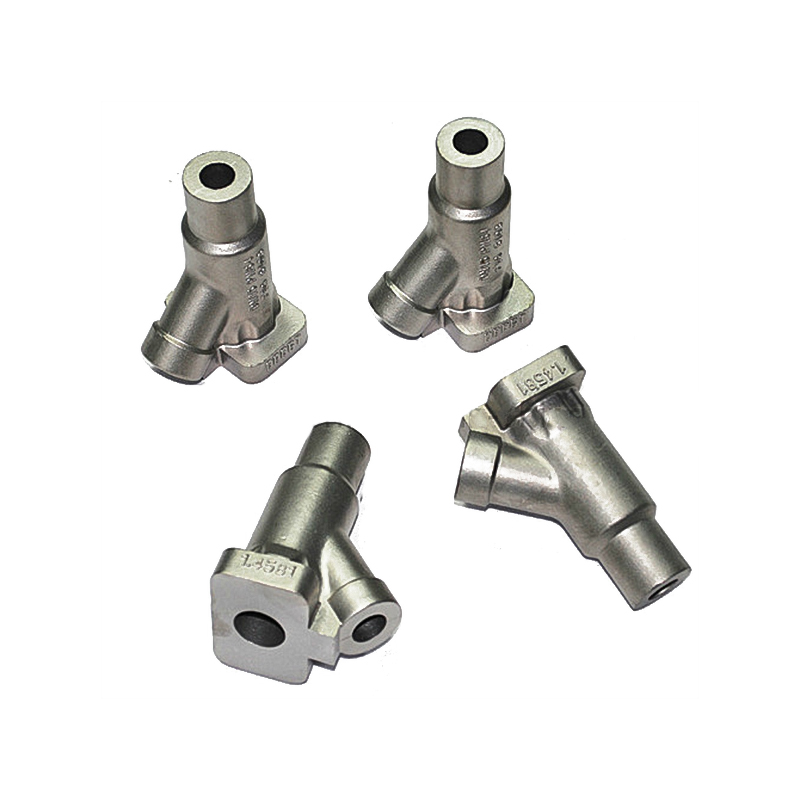
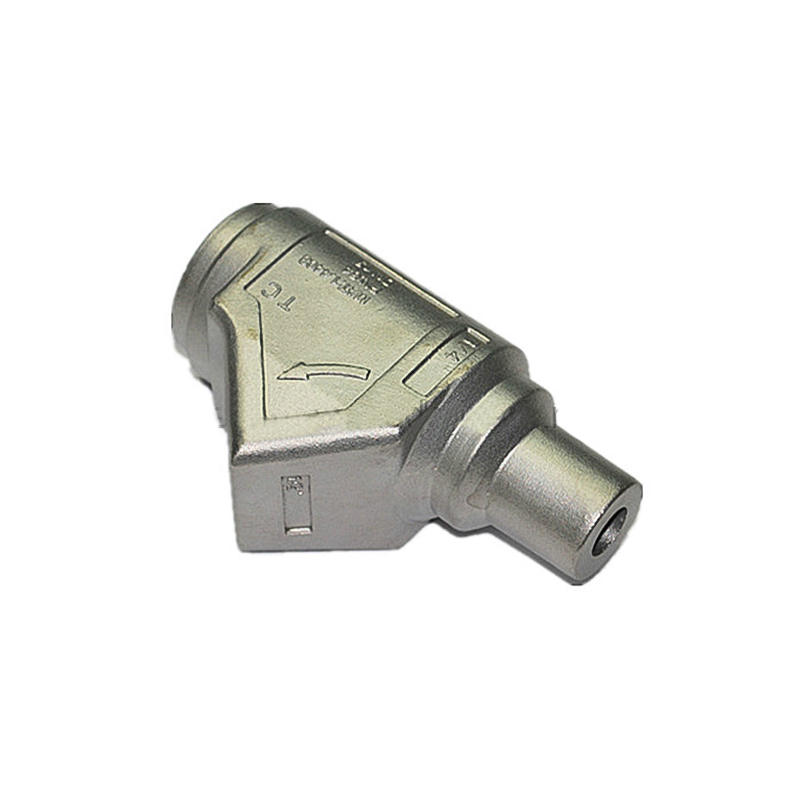
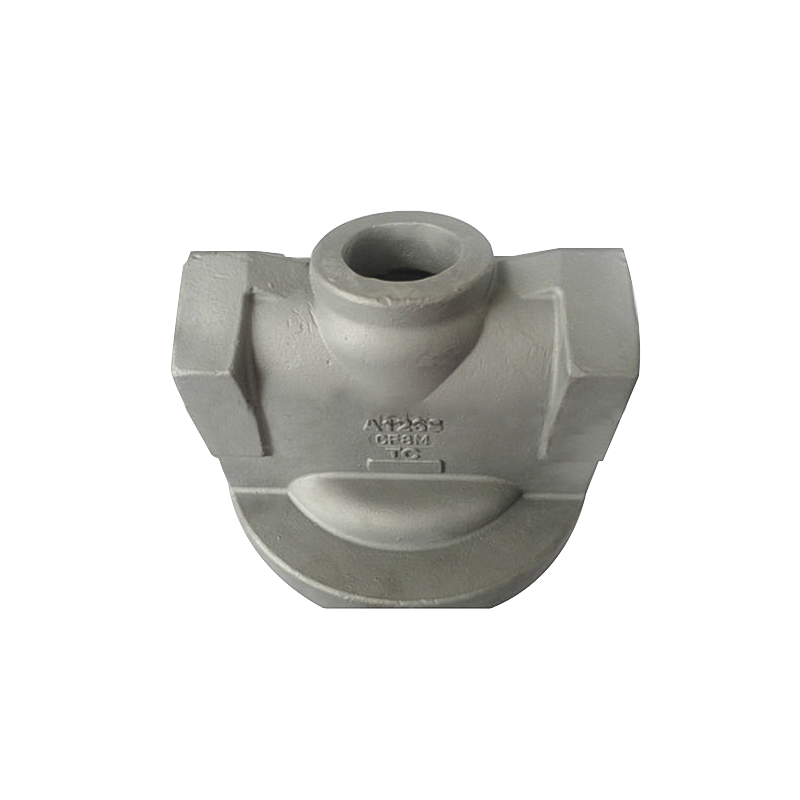
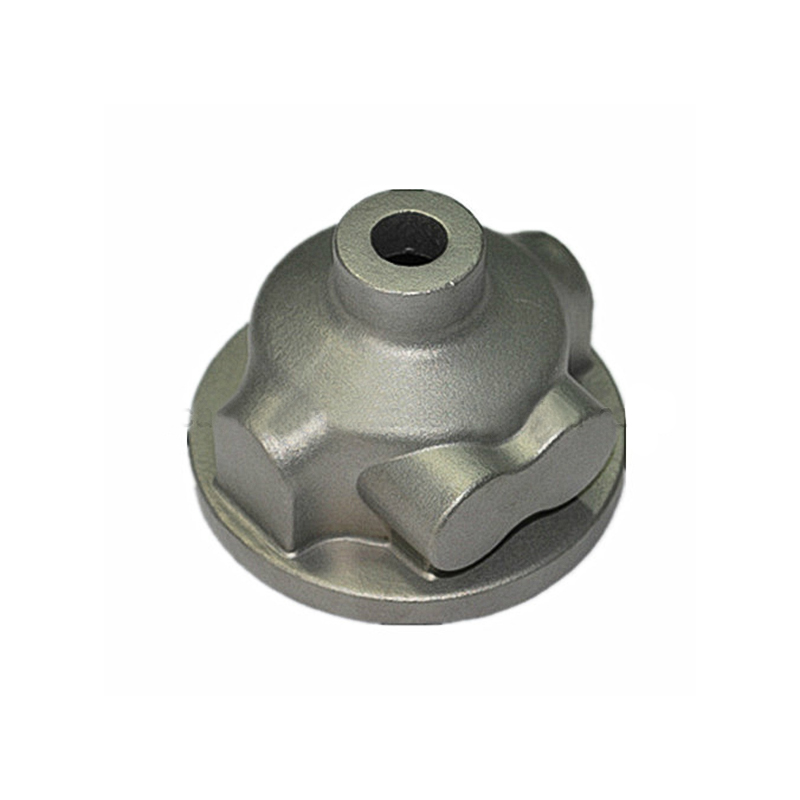
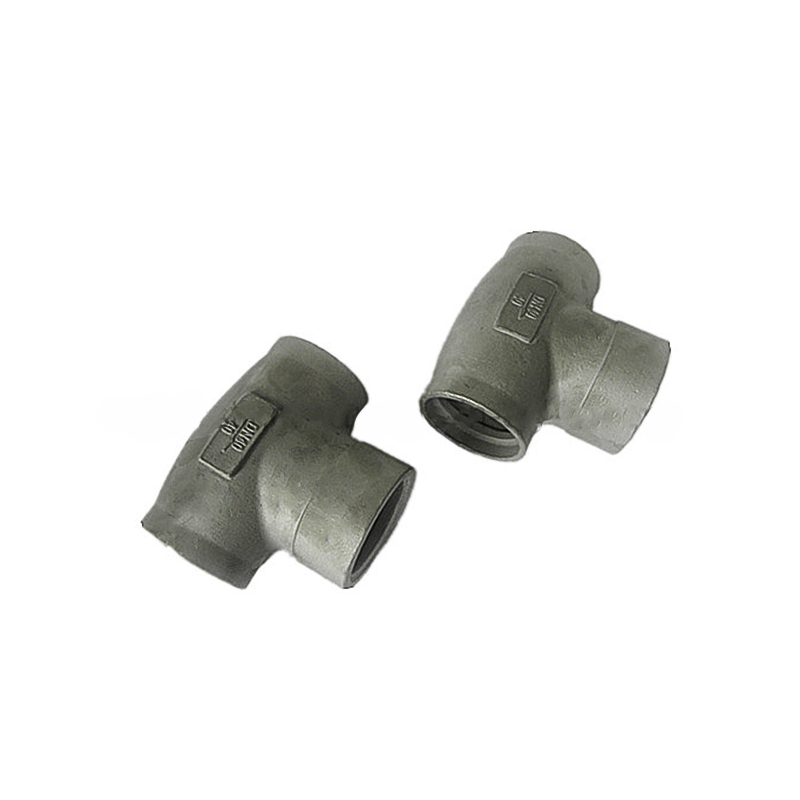
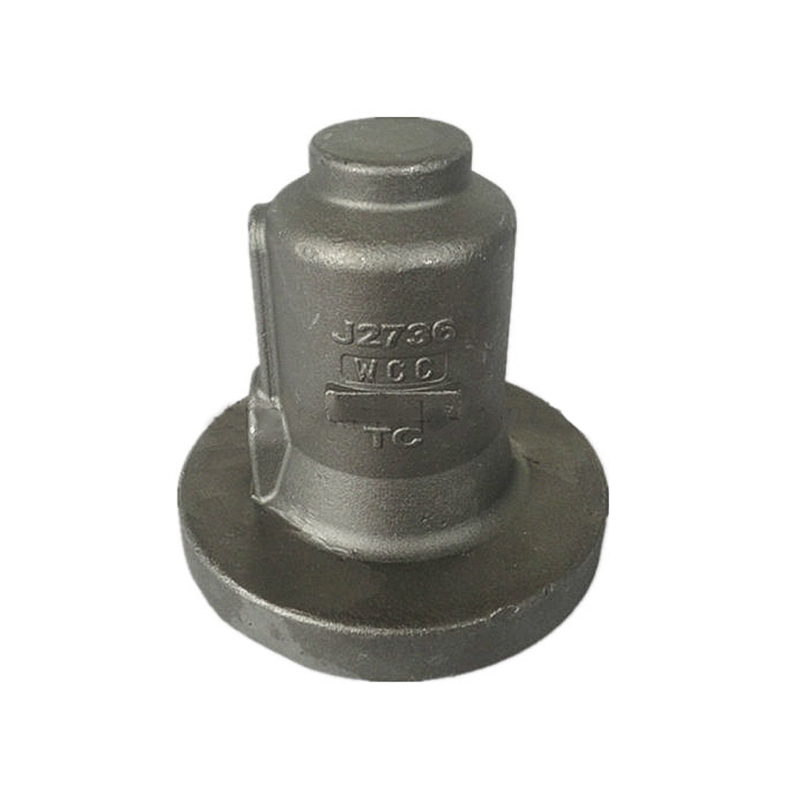
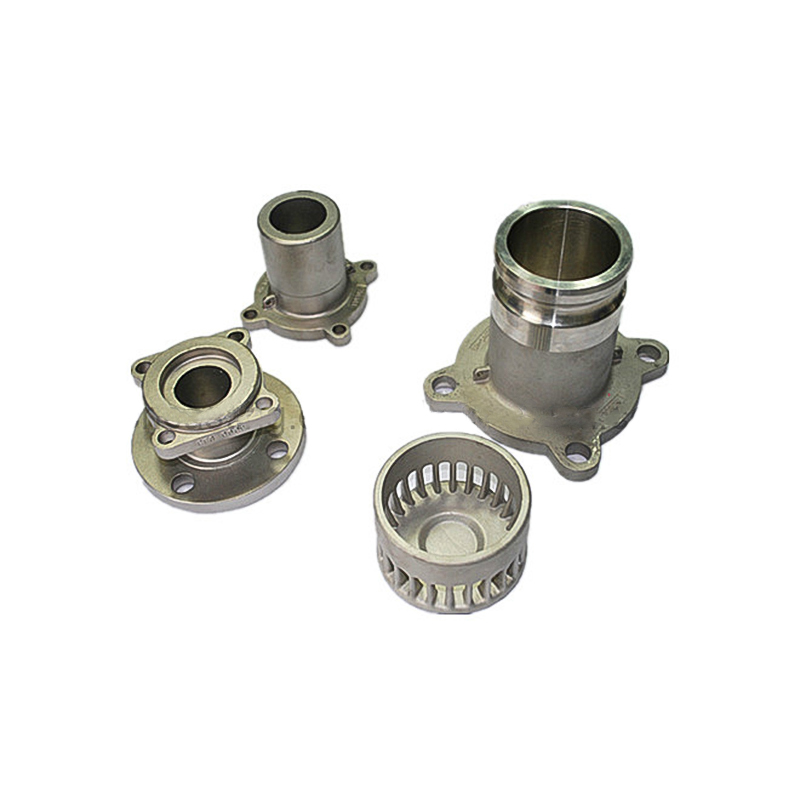
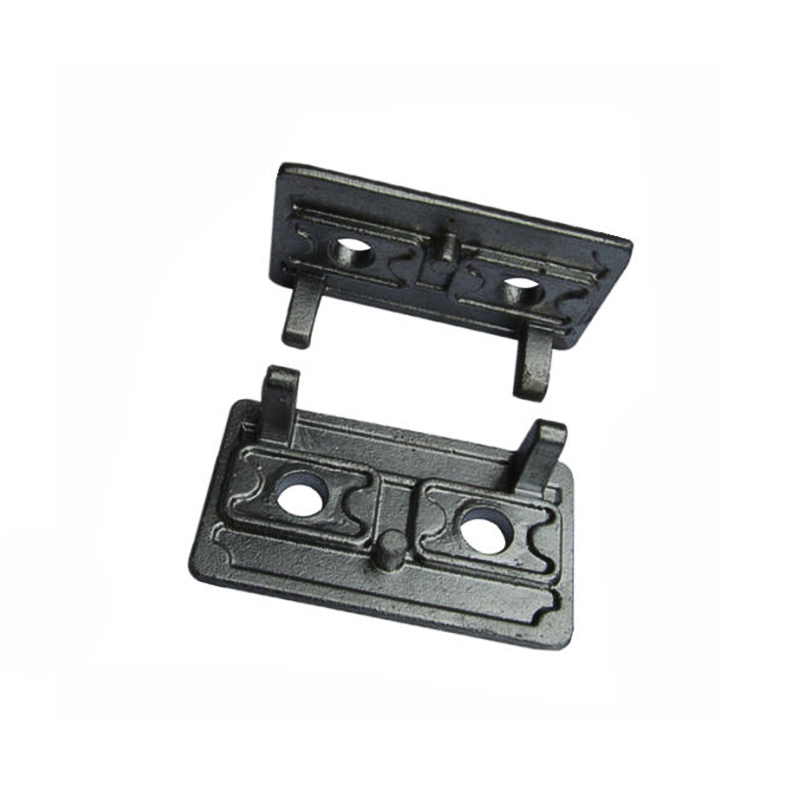
Selected Bearing Display

Contact Information
- Tel:+86-574-88067800/88067900
- Fax:+86-574-88067400
- Phone:+86-13967874638
- E-Mail:master@nbyifei.com
Products Links
Products Links
- Agricultural Machinery Casting Parts
- Auto Casting Parts
- Brass Die Casting Parts
- Casting Bucket Tooth And Accessory
- Container Casting Parts
- Investment Casting Parts
- Machinery Casting Parts
- Mining Machinery Casting Parts
- Railway And Train Casting Parts
- Sand Casting Parts
- Stamping & Forging Parts
- Valve Casting Parts
Contact Us
Copyright ©
Ningbo Hansheng Machinery Parts Co.,Ltd. All Rights Reserved
 Custom Die Castings Manufacturers
