

 English
 Deutsch
 简体中文
简体中文
Author: FTM
Date: Feb 18, 2026
How to Choose the Right Mining Machinery Casting Parts for Your Mining Equipment
In the mining industry, selecting the right mining machinery casting parts is crucial for ensuring the longevity, performance, and efficiency of mining equipment. The harsh and demanding environments in which mining equipment operates make it necessary to use parts that are both durable and reliable. Mining machinery casting parts are used in various heavy-duty mining equipment, such as excavators, crushers, and drills, and they play a key role in improving operational efficiency and minimizing downtime.
What Are Mining Machinery Casting Parts?
Mining machinery casting parts are components made using casting techniques, where molten metal is poured into molds to form parts with specific shapes and mechanical properties. These parts are typically used in mining equipment that undergoes heavy stress, including machinery like crushers, conveyors, mills, and other material handling systems.
The casting process allows for the production of complex and intricate shapes that would be difficult or impossible to achieve with traditional machining. These parts are designed to withstand the extreme conditions found in mining environments, such as high impact forces, abrasion, and high temperatures.
Key Considerations When Choosing Mining Machinery Casting Parts
Choosing the right mining machinery casting parts for your mining equipment requires careful consideration of several key factors. These factors will help you ensure that the parts you select can withstand the demanding conditions of mining operations and deliver reliable performance over time.
Material Selection
One of the most important factors in selecting mining machinery casting parts is the material used to make the part. The material determines the strength, wear resistance, and overall performance of the casting part. Common materials used for mining machinery casting parts include:
- Cast Iron: Cast iron is one of the most common materials for mining machinery casting parts. It offers excellent wear resistance and strength, making it ideal for parts that need to withstand heavy impacts, such as crusher parts, hammer mills, and gearboxes.
- Steel: Steel castings are widely used in mining equipment due to their high tensile strength and durability. Steel parts are typically used in applications where high impact and high load resistance are required, such as in excavators, bulldozers, and haul trucks.
- Alloy Steel: Alloy steel, often used in high-stress applications, offers enhanced hardness and wear resistance. It is commonly used for mining machinery parts that are exposed to abrasive materials and high temperatures.
- High Chromium Cast Iron: High chromium cast iron is often used for parts that require exceptional abrasion resistance. This material is ideal for crushers, grinding mills, and other parts exposed to wear from high levels of friction and abrasive materials.
Choosing the right material ensures that the casting parts can withstand the harsh conditions of mining while providing the necessary strength and durability.
Load-Bearing Capacity
Mining equipment, especially large machines, is subjected to constant heavy loads and stresses. When selecting casting parts, it is essential to consider the load-bearing capacity of the material. Mining machinery parts must be able to handle dynamic loads, such as the weight of the equipment, as well as static loads, such as the weight of the material being moved.
The casting parts should have sufficient strength to withstand the forces acting on them without deforming or failing. Always check the load-bearing specifications for the casting parts to ensure they meet the requirements of your mining equipment's operation.
Wear Resistance
In mining operations, equipment parts are often exposed to abrasive materials, which can quickly wear down components. Wear resistance is therefore a critical factor in selecting mining machinery casting parts. The material's hardness and ability to resist abrasion will determine how long the part can perform under these demanding conditions.
For example, crushers, mills, and screens experience significant wear as they process rocks, ores, and other materials. Parts made from materials such as high chromium cast iron or alloy steel are often chosen for their superior wear resistance, helping to extend the life of the equipment and reduce maintenance costs.
Impact Resistance
Mining machinery often operates in environments where parts are subjected to high-impact forces, such as when equipment is used to break rocks or move heavy materials. The ability of casting parts to absorb and resist impact is crucial to ensure that the equipment continues to operate safely and efficiently.
Impact resistance is particularly important for parts such as crusher hammers, liners, and teeth, which face repeated impacts during mining operations. The material chosen should be able to withstand these forces without cracking or breaking.
Corrosion Resistance
Mining operations often take place in harsh environments where parts are exposed to moisture, chemicals, and high humidity. Corrosion resistance is therefore an important consideration when selecting mining machinery casting parts.
Parts made from materials such as stainless steel or corrosion-resistant alloys are ideal for applications where equipment may be exposed to corrosive elements. These materials help ensure that the parts maintain their structural integrity and performance over time, even in challenging environmental conditions.
Dimensional Accuracy
Dimensional accuracy is essential when selecting mining machinery casting parts. Parts that do not fit correctly can cause misalignment, vibration, or increased wear, leading to premature failure and costly repairs. High-quality casting parts are produced with precision to meet strict tolerances, ensuring that they fit seamlessly into the equipment.
Advanced casting methods, such as investment casting or die casting, can achieve high dimensional accuracy, making them suitable for complex and detailed parts. Always ensure that the casting parts meet the required specifications for your mining equipment's design.
Manufacturing Process
The manufacturing process used to create mining machinery casting parts affects their quality, performance, and cost. Several casting methods are available, including:
- Sand Casting: This is a cost-effective process for producing large parts, commonly used for mining machinery components such as housings and frames.
- Investment Casting: Ideal for producing intricate and detailed parts with high dimensional accuracy, investment casting is often used for mining machinery parts that require precise tolerances.
- Die Casting: Die casting is used for high-volume production of small to medium-sized parts that require a smooth surface finish and dimensional accuracy.
The manufacturing process should be chosen based on the complexity of the part, the required tolerances, and the production volume. Ensure that the casting method is suitable for the specific needs of your mining equipment.
Cost Considerations
Cost is an important factor to consider when selecting mining machinery casting parts. While it may be tempting to choose the least expensive option, it is essential to weigh the cost against the durability, performance, and lifespan of the parts. High-quality casting parts may have a higher upfront cost, but they can offer significant savings in the long run by reducing downtime and minimizing maintenance costs.
When evaluating costs, also consider factors such as material availability, manufacturing lead times, and any potential customizations required for your mining equipment.
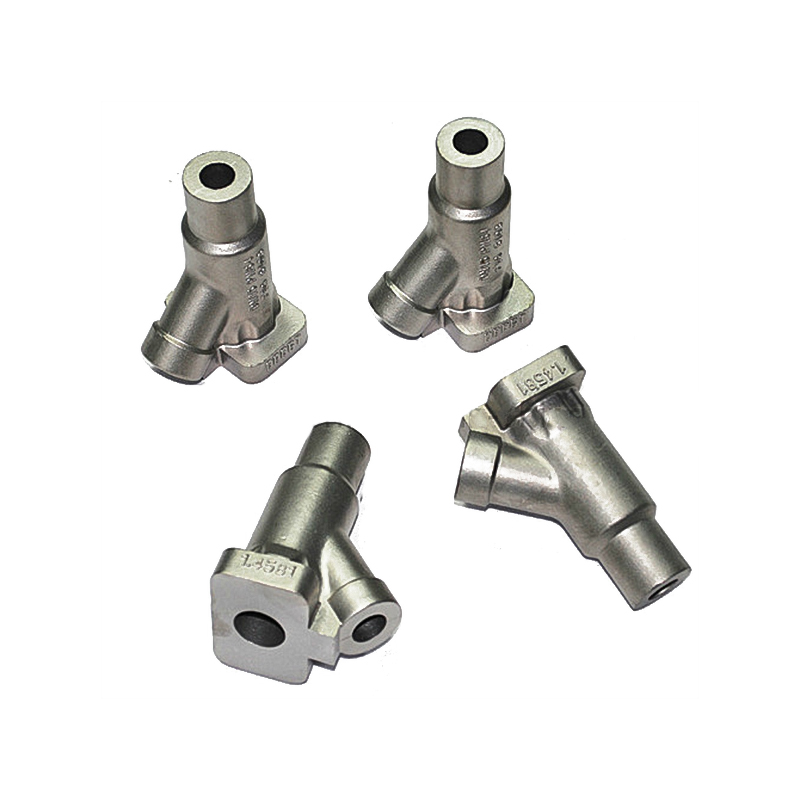
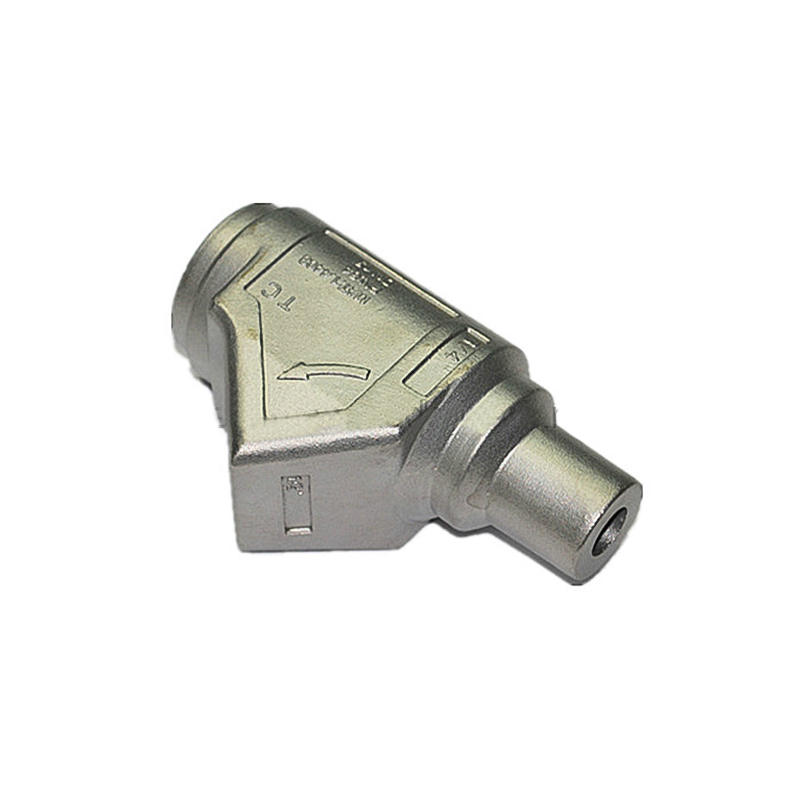
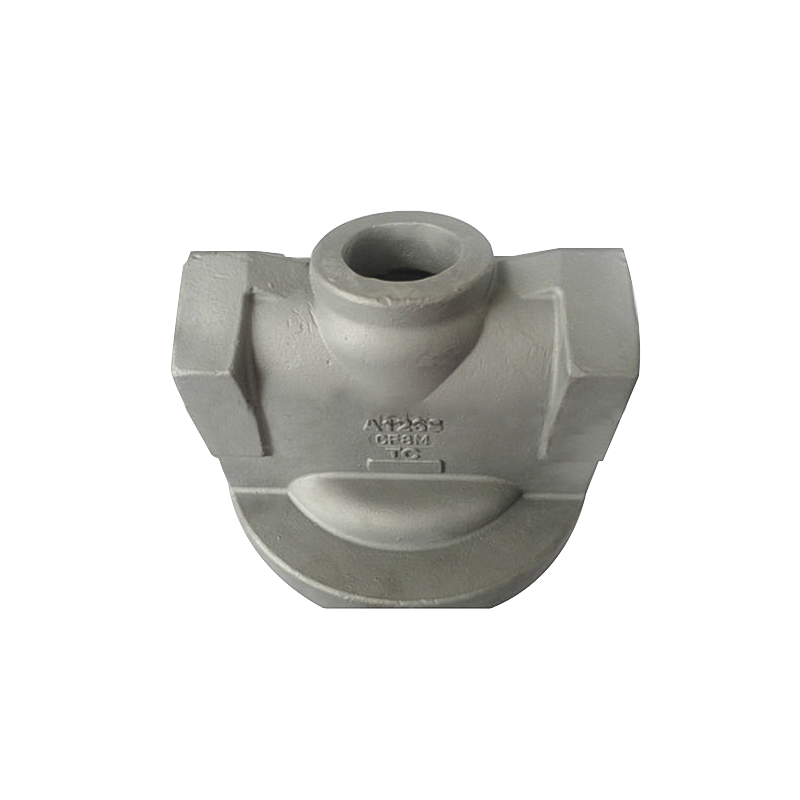
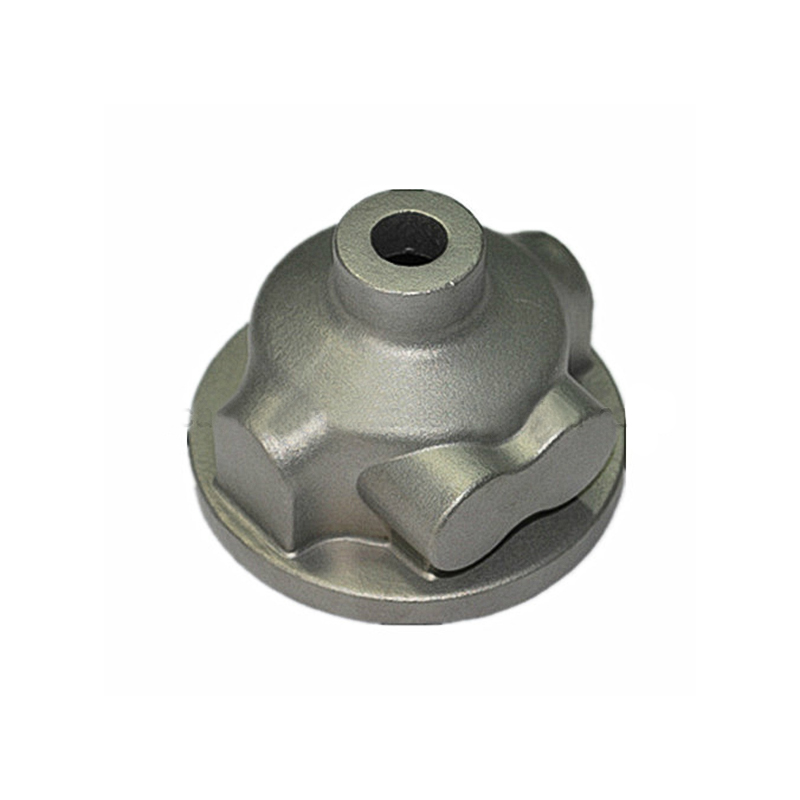
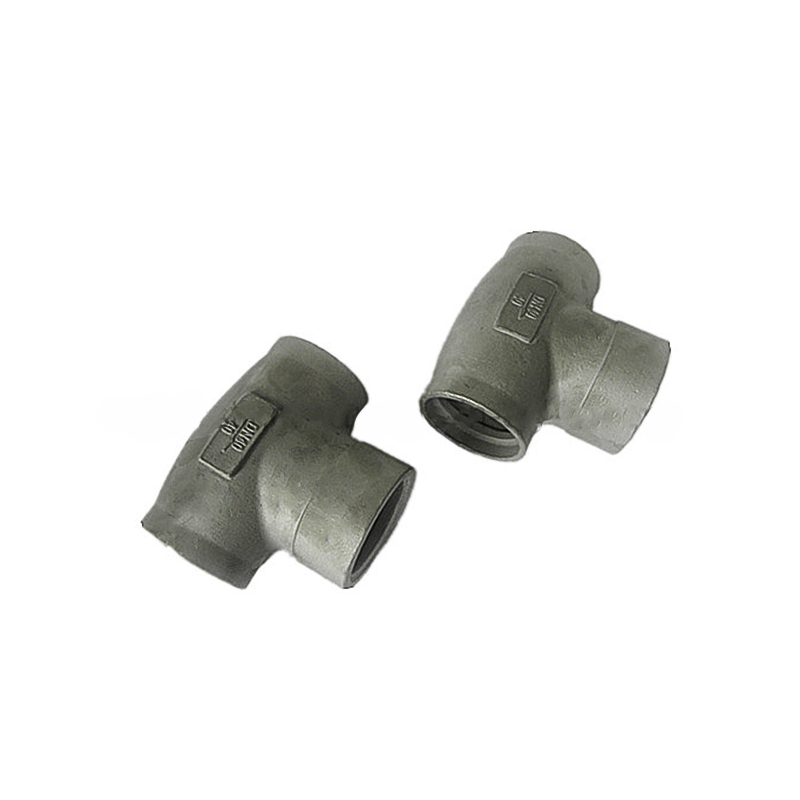
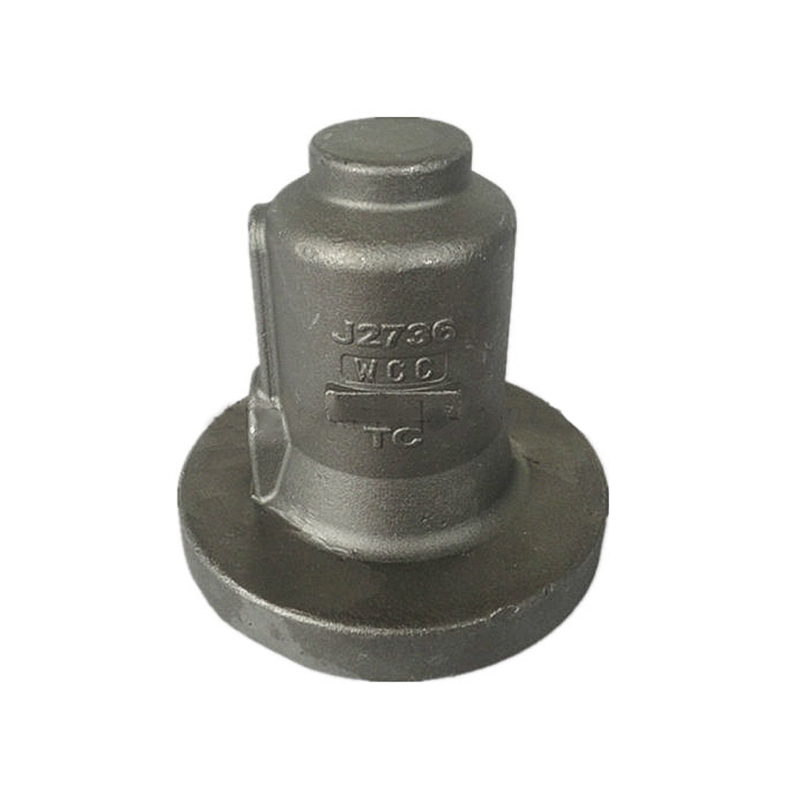
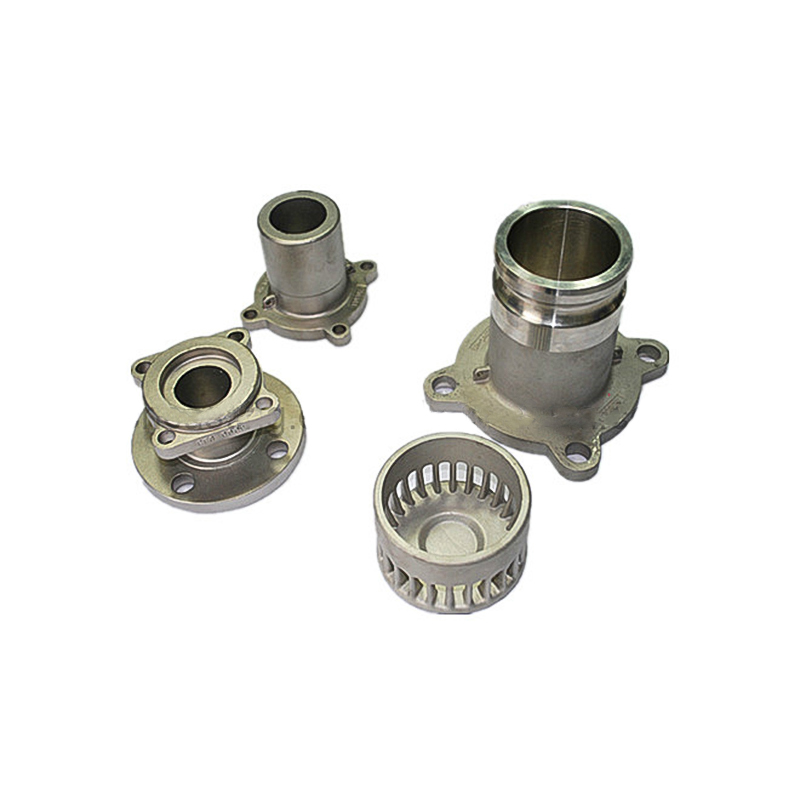
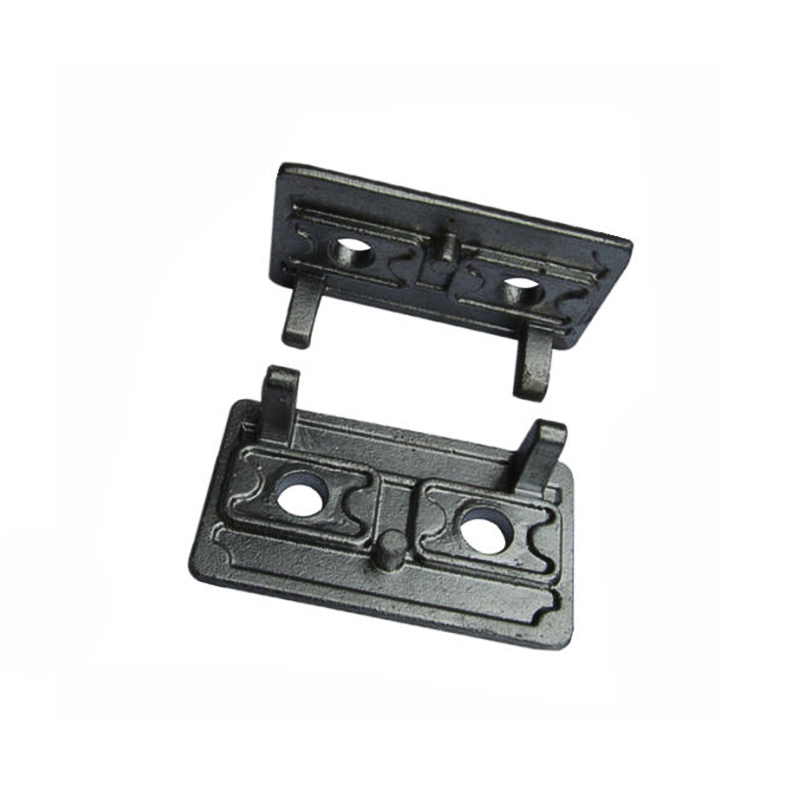
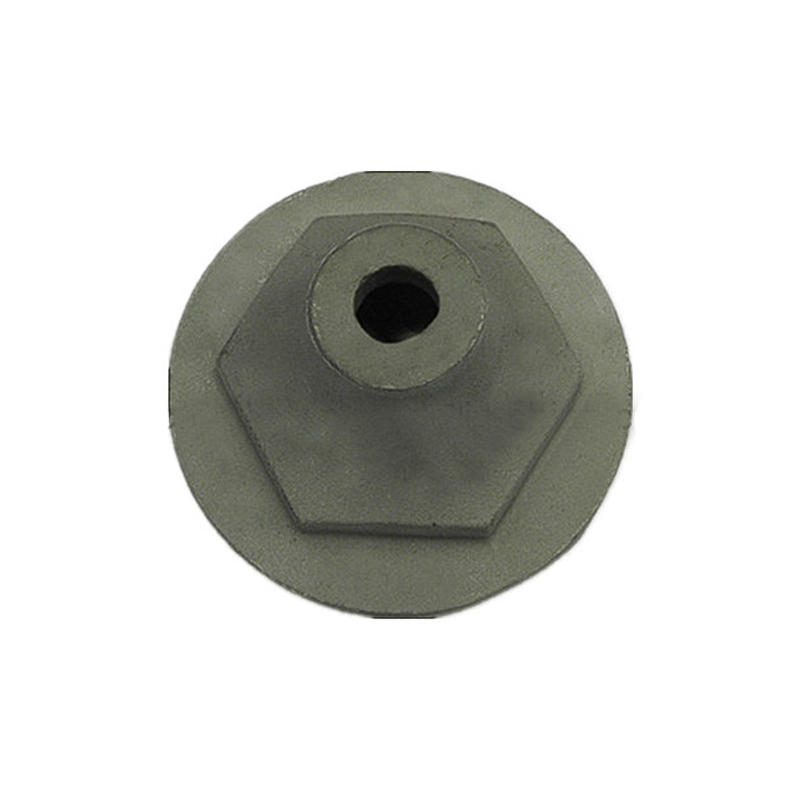
Selected Bearing Display

Contact Information
- Tel:+86-574-88067800/88067900
- Fax:+86-574-88067400
- Phone:+86-13967874638
- E-Mail:master@nbyifei.com
Products Links
Products Links
- Agricultural Machinery Casting Parts
- Auto Casting Parts
- Brass Die Casting Parts
- Casting Bucket Tooth And Accessory
- Container Casting Parts
- Investment Casting Parts
- Machinery Casting Parts
- Mining Machinery Casting Parts
- Railway And Train Casting Parts
- Sand Casting Parts
- Stamping & Forging Parts
- Valve Casting Parts
Contact Us
Copyright ©
Ningbo Hansheng Machinery Parts Co.,Ltd. All Rights Reserved
 Custom Die Castings Manufacturers
