

 English
 Deutsch
 简体中文
简体中文
Author: FTM
Date: Feb 11, 2026
Key Considerations When Selecting Machinery Casting Parts for Heavy-Duty Use
When it comes to heavy-duty machinery, selecting the right components is crucial to ensuring reliable performance, durability, and efficiency. Among the various components, machinery casting parts play a vital role in supporting the functionality of complex industrial systems. These parts are typically made from metal and used in a variety of heavy-duty applications such as automotive, construction, mining, and manufacturing machinery.
What Are Machinery Casting Parts?
Machinery casting parts are components made by pouring molten metal into molds to create shapes that meet specific mechanical properties. These parts are used in machinery to carry out various functions, ranging from supporting heavy loads to facilitating rotational movement. The process of casting allows for the creation of intricate and complex shapes that would be difficult to achieve using other manufacturing techniques.
The casting process involves several steps, including preparing the mold, melting the metal, pouring it into the mold, and allowing it to solidify. Once solidified, the casting part is then removed from the mold and finished through processes like machining, polishing, and heat treatment to enhance its performance.
Key Considerations When Selecting Machinery Casting Parts
Choosing the right machinery casting parts for heavy-duty use requires a thorough understanding of your specific needs. Below are the most important factors to consider during the selection process:
Material Selection
The material used to manufacture machinery casting parts has a direct impact on their strength, durability, and performance. For heavy-duty applications, selecting the right material is crucial. Some commonly used materials for machinery casting parts include:
- Cast Iron: Known for its strength and wear resistance, cast iron is often used for parts that must handle high-impact stresses, such as gears, housings, and frames.
- Steel: Steel castings are highly versatile and offer excellent tensile strength, making them ideal for components that will endure heavy loads and high temperatures.
- Aluminum: Lighter than steel, aluminum is used in applications where weight reduction is important, but the material still needs to provide strength and corrosion resistance.
- Nickel Alloys: Nickel-based alloys are used for parts that need to withstand extreme temperatures and corrosive environments, such as in aerospace and power generation industries.
Choosing the appropriate material ensures that the machinery casting part can withstand the forces and environmental conditions it will be exposed to in its intended application.
Load-Bearing Capacity
The load-bearing capacity of machinery casting parts is essential when selecting components for heavy-duty use. These parts must be able to withstand significant forces, such as compression, tension, and shear stress. If the casting part is not capable of bearing the required load, it may fail prematurely, leading to costly downtime and repairs.
When assessing load-bearing capacity, consider the following:
- Static Loads: The maximum load the part will endure when stationary or under fixed conditions.
- Dynamic Loads: The load experienced by the part when it is in motion or subjected to varying forces.
Ensure that the selected casting part has a load-bearing capacity that exceeds the expected forces it will encounter in operation.
Impact and Fatigue Resistance
Heavy-duty machinery often operates under extreme conditions, and parts are exposed to constant shock, vibrations, and fluctuating loads. For this reason, the machinery casting parts you select must have excellent impact and fatigue resistance.
Impact resistance refers to the ability of the material to withstand sudden force or shock without breaking or deforming. Fatigue resistance, on the other hand, refers to the ability of the material to resist failure after being subjected to repeated or cyclical loading.
Materials such as steel and cast iron typically offer good resistance to both impact and fatigue, making them popular choices for heavy-duty applications.
Dimensional Accuracy
Dimensional accuracy is an important factor in ensuring that machinery casting parts fit correctly in their intended application. Parts that are too large or too small can cause misalignment, reducing the efficiency and safety of the machinery. On the other hand, parts with good dimensional accuracy will ensure proper alignment, leading to smoother operation and less wear on the machinery.
Precision casting processes, such as investment casting, can achieve high dimensional accuracy, especially for parts with complex geometries or thin walls. When selecting casting parts, check that the manufacturer can meet the required tolerances for your application.
Corrosion Resistance
Heavy-duty machinery parts are often exposed to harsh environments, including moisture, chemicals, and high temperatures. For this reason, selecting machinery casting parts with strong corrosion resistance is essential to ensure the longevity of the components.
Materials such as stainless steel, aluminum, and certain alloys are known for their excellent corrosion resistance. If your machinery operates in environments where corrosion is a concern, consider selecting casting parts made from materials with built-in corrosion resistance or applying protective coatings to the parts.
Heat Resistance
In heavy-duty applications, parts often operate at elevated temperatures, which can affect their mechanical properties. Heat-resistant casting parts are crucial in industries such as power generation, steel manufacturing, and automotive, where machinery components experience high thermal stresses.
Materials like heat-treated steel and nickel alloys offer excellent heat resistance. Additionally, certain casting techniques, such as investment casting, can improve the heat resistance of the parts by minimizing porosity and ensuring a smooth, defect-free surface.
Manufacturing Process
The casting process used to create machinery parts plays a significant role in their overall quality and performance. Different casting methods include:
- Sand Casting: A versatile and cost-effective process used for producing large parts.
- Die Casting: Best for high-volume production of small to medium-sized parts with high precision.
- Investment Casting: Ideal for producing intricate and detailed parts with high dimensional accuracy.
Choose a manufacturing process that aligns with the complexity, volume, and performance requirements of your machinery casting parts.
Cost Considerations
Cost is always an important factor in the selection of machinery casting parts. While it is tempting to go for cheaper options, selecting low-cost casting parts may compromise on quality, which can lead to higher repair and maintenance costs in the long run.
Consider the total cost of ownership, which includes not only the initial purchase price but also factors such as maintenance, durability, and performance over time. It is often more cost-effective to invest in higher-quality machinery casting parts that will last longer and perform better under heavy-duty conditions.
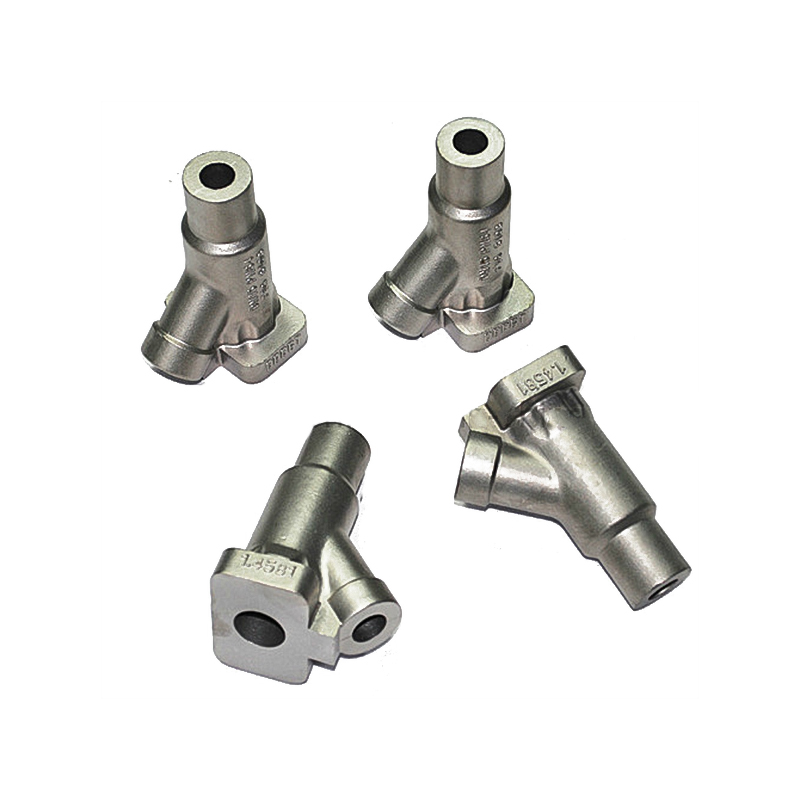
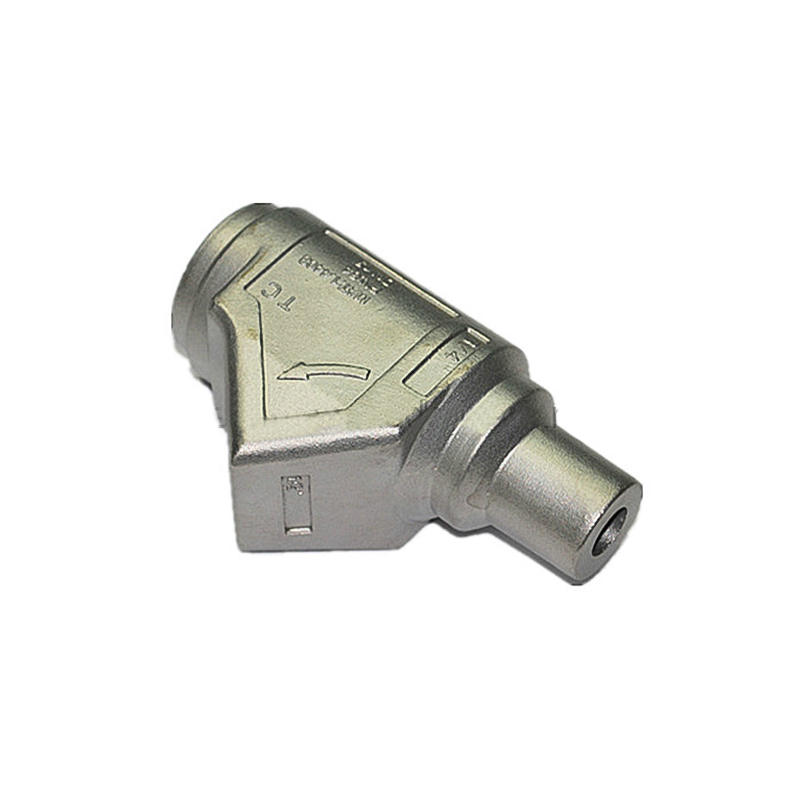
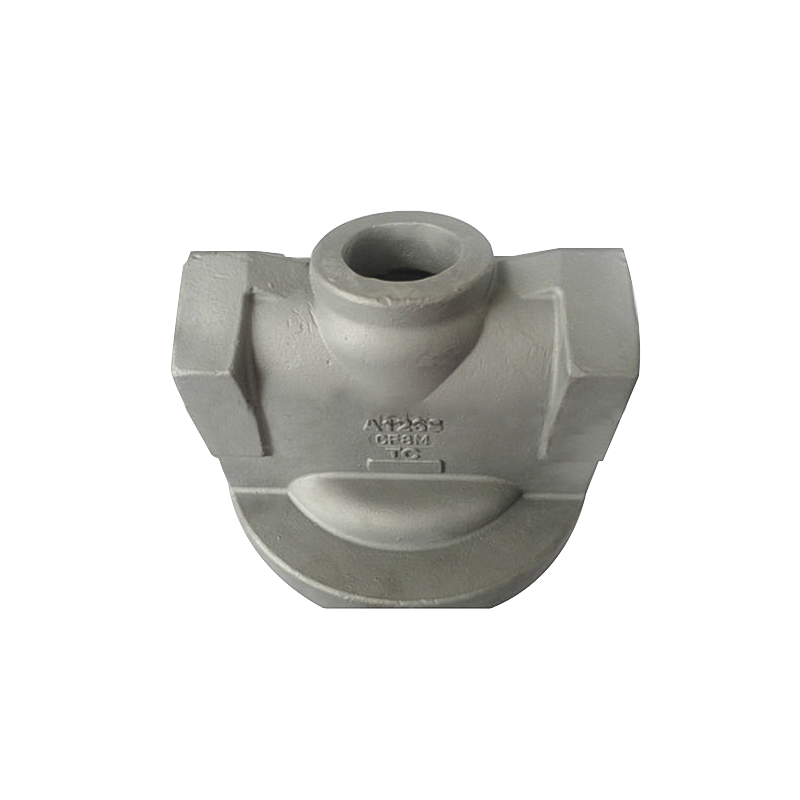
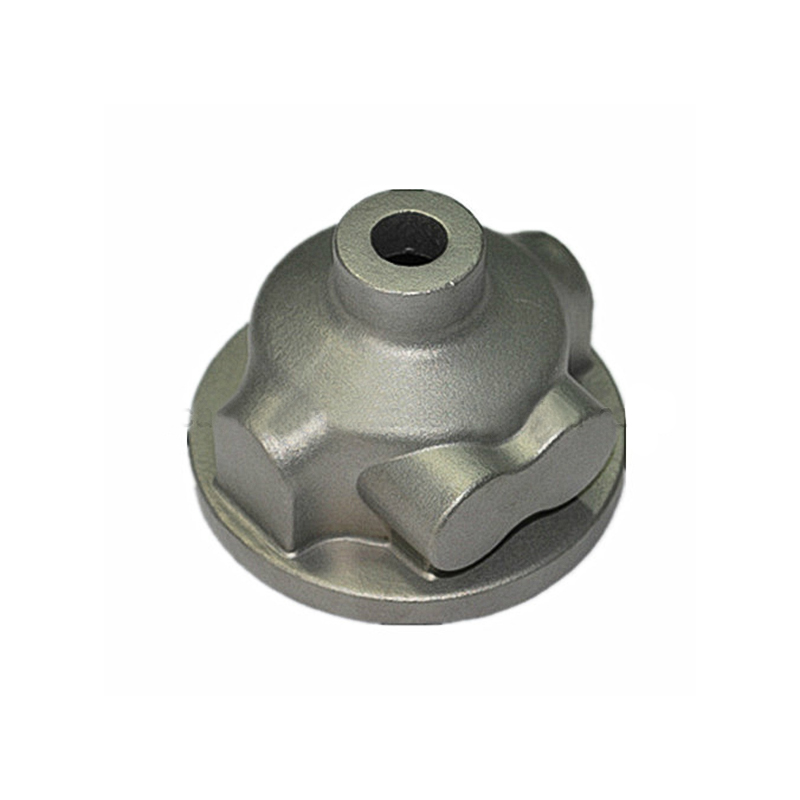
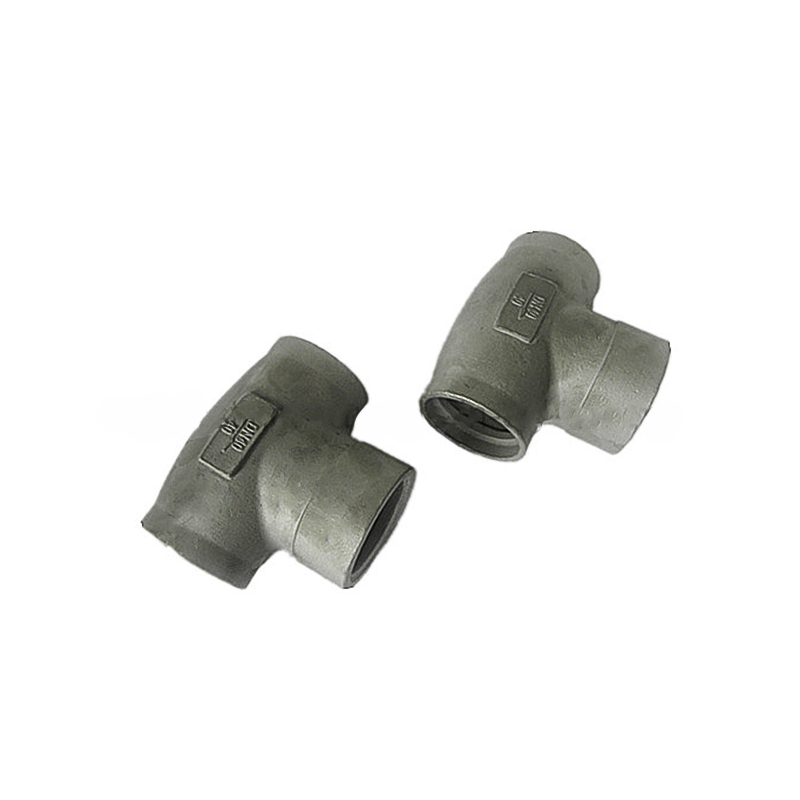
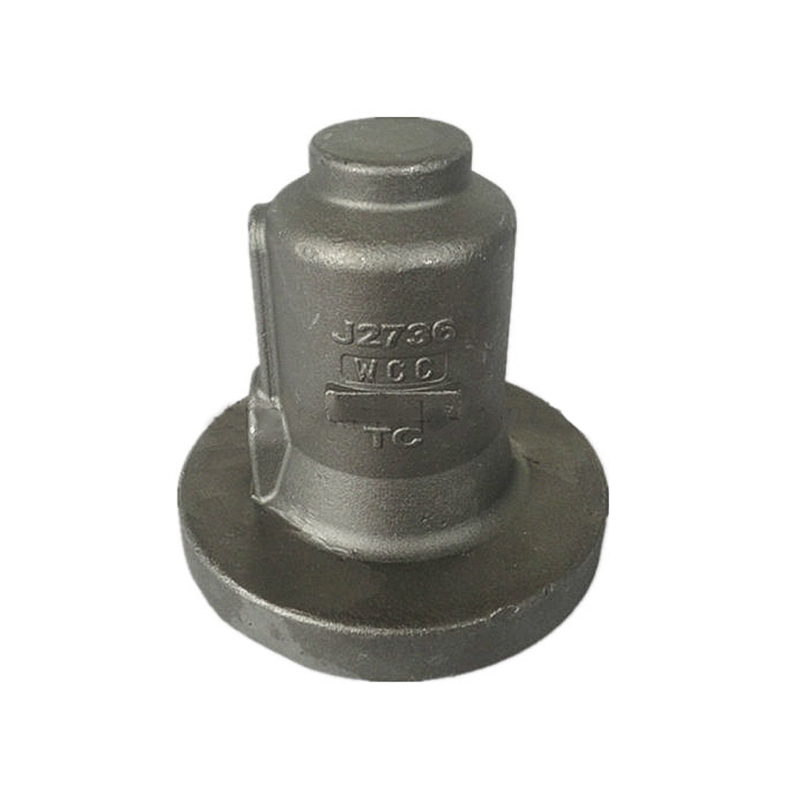
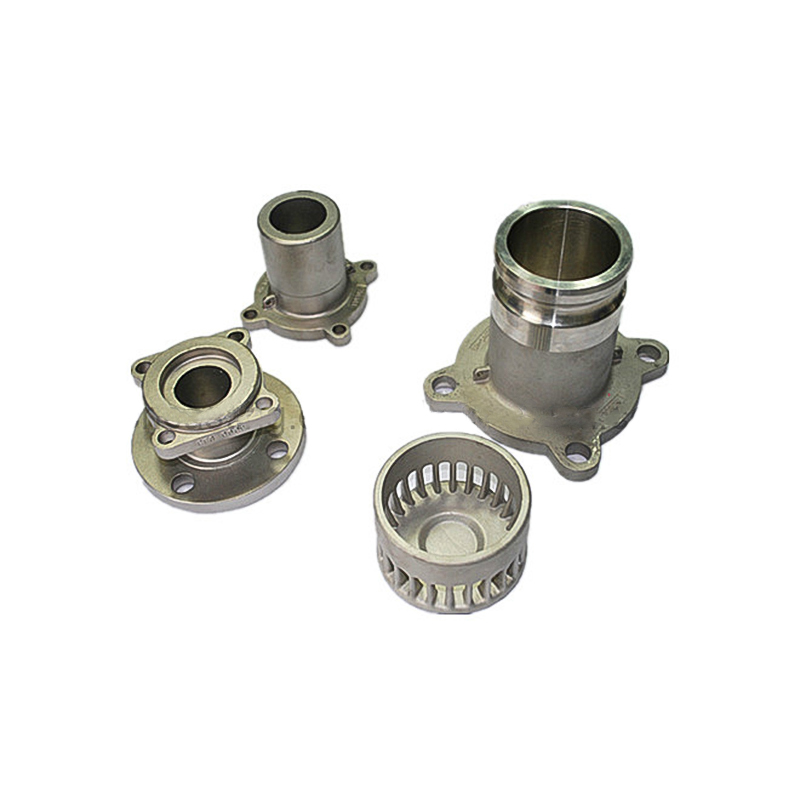
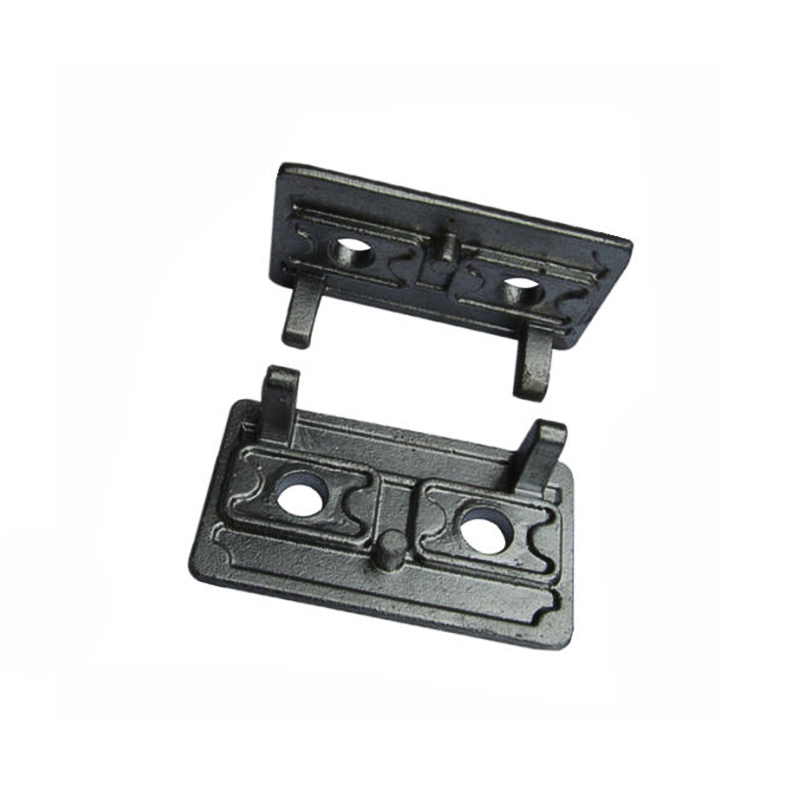
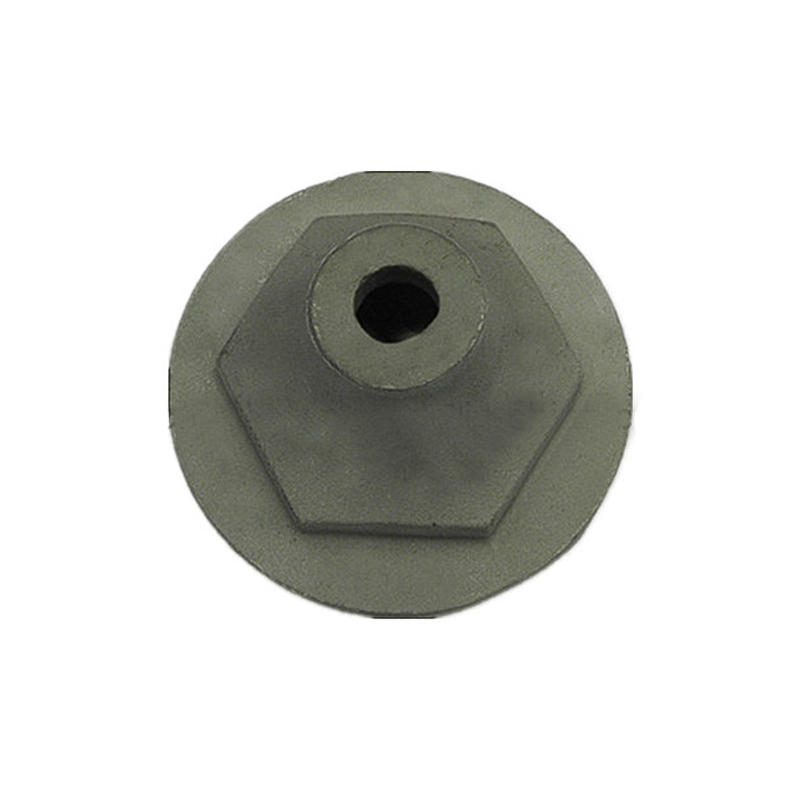
Selected Bearing Display

Contact Information
- Tel:+86-574-88067800/88067900
- Fax:+86-574-88067400
- Phone:+86-13967874638
- E-Mail:master@nbyifei.com
Products Links
Products Links
- Agricultural Machinery Casting Parts
- Auto Casting Parts
- Brass Die Casting Parts
- Casting Bucket Tooth And Accessory
- Container Casting Parts
- Investment Casting Parts
- Machinery Casting Parts
- Mining Machinery Casting Parts
- Railway And Train Casting Parts
- Sand Casting Parts
- Stamping & Forging Parts
- Valve Casting Parts
Contact Us
Copyright ©
Ningbo Hansheng Machinery Parts Co.,Ltd. All Rights Reserved
 Custom Die Castings Manufacturers
