

 English
 Deutsch
 简体中文
简体中文
Author: FTM
Date: Aug 05, 2026
Investment Casting Materials Explained: From Wax Patterns to Metal Alloys
Investment casting uses a combination of wax, ceramic, and metal alloys to produce near-net-shape parts with tight tolerances and smooth surface finishes. The wax forms the initial pattern, the ceramic shell becomes the mold, and the chosen metal alloy determines the final part's mechanical properties. Getting each material right is critical — an incompatible shell or the wrong alloy can cause defects that are expensive to fix downstream.
This process is trusted across aerospace, medical, and industrial sectors precisely because the material stack is well-understood and controllable. Below is a practical breakdown of every key material involved, what role it plays, and what drives the selection decision.
Pattern Materials: Where Every Part Begins
The pattern defines the exact geometry of the final casting. It must replicate the desired shape with precision and then be fully removable from the ceramic shell without cracking it.
Wax (Standard Choice)
Wax is used in over 90% of investment casting operations. It is injected into a metal die at low pressure, solidifies quickly, and melts out cleanly during dewaxing — typically at 150–175°C in an autoclave. The most common wax blends include:
- Paraffin-based wax — cost-effective and widely available; used for general-purpose patterns
- Microcrystalline wax — finer grain structure, better surface finish, used for detailed features
- Filled wax — contains cross-linked polymer or resin fillers to reduce shrinkage and improve dimensional stability
- Water-soluble wax — used for internal cores and passages that standard wax cannot form
A typical wax pattern shrinks about 0.5–2.0% from die to final ceramic mold, depending on wax type, injection temperature, and part geometry. Foundries account for this with compensated tooling dimensions.
Plastic and Rapid Prototype Patterns
For prototypes or short runs where tooling is not justified, 3D-printed patterns in polystyrene or similar burnout resins are used instead of wax. These are burned out during firing rather than melted. Lead times drop from weeks to days, but burnout must be managed carefully to avoid cracking the ceramic shell from excessive gas pressure during combustion.
Ceramic Shell Materials: The Mold That Holds the Metal
The ceramic shell is built up layer by layer around the wax pattern through repeated dipping and stuccoing. It must withstand thermal shock, high pouring temperatures, and the weight of molten metal without cracking.
Slurry Binders
The slurry binds the refractory particles into a coherent layer. Two binder types dominate:
- Colloidal silica (ethyl silicate) — the most common binder; provides excellent green and fired strength, compatible with most alloys
- Sodium silicate — lower cost but less dimensionally stable; used in non-critical applications
Refractory Fillers and Stucco
Each coat uses a combination of fine slurry particles (for detail) and coarser stucco (for mechanical strength). Common refractory materials are:
| Material | Role in Shell | Key Advantage | Typical Alloys Paired With |
|---|---|---|---|
| Fused silica | Slurry and stucco | Low thermal expansion, smooth finish | Steel, aluminum, copper alloys |
| Zircon (zirconium silicate) | Prime coat filler | Excellent surface finish, chemically inert | Superalloys, stainless steel |
| Alumina (Al₂O₃) | Backup coat stucco | High-temperature stability | Titanium, high-temp nickel alloys |
| Mullite | Backup coat filler | Good creep resistance at high temps | Carbon steel, alloy steel |
| Yttria (Y₂O₃) | Prime coat for reactive alloys | Inert to titanium and reactive metals | Titanium alloys |
A finished shell typically consists of 5 to 15 layers built over 2–5 days, reaching a wall thickness of 6–12 mm. The exact count depends on part size and the alloy being poured.
Metal Alloys Used in Investment Casting Parts
Investment casting is one of the most versatile casting processes precisely because it accommodates a wide range of metals — from low-melting aluminum to exotic superalloys above 1,400°C. The alloy selection directly shapes the ceramic shell design, pouring temperature, and post-processing requirements.
Stainless Steel and Carbon Steel
Steel is the most widely cast material in investment casting. 316L and 17-4 PH stainless steels are especially common for parts requiring corrosion resistance, such as valves, pump housings, and marine hardware. Carbon and low-alloy steels are used for structural parts requiring high strength at lower cost. Pouring temperatures range from 1,550–1,650°C.
Nickel-Based Superalloys
Nickel superalloys such as Inconel 713, IN-738, and René 80 are cast for jet engine components — turbine blades, vanes, and combustor parts — where temperatures exceed 1,000°C in service. These alloys retain strength at high temperatures but are among the most demanding to cast, requiring precise mold temperatures and vacuum or controlled atmosphere melting to avoid oxidation.
Aluminum Alloys
A356 and 356.0 aluminum are frequently investment cast for aerospace brackets, electronics housings, and automotive components where weight is a primary constraint. Aluminum's low pouring temperature (~720°C) makes it more forgiving on ceramic shells, but shrinkage of around 3.5–6% requires careful riser and gating design.
Titanium Alloys
Ti-6Al-4V is the dominant titanium alloy in investment casting, used for orthopedic implants, aerospace frames, and high-performance sporting goods. Titanium is extremely reactive in its molten state and will attack standard silica shells. This forces the use of yttria or alumina face coats and vacuum induction skull melting to prevent contamination. Titanium casting requires significant process discipline but yields parts with an exceptional strength-to-weight ratio.
Cobalt-Based Alloys
Cobalt-chrome alloys (e.g., CoCrMo) are investment cast for dental restorations, surgical implants, and wear-resistant industrial components. These alloys offer excellent biocompatibility, hardness, and corrosion resistance, making them irreplaceable in medical casting.
Copper and Brass Alloys
Beryllium copper, silicon bronze, and various brass alloys are investment cast for electrical connectors, valves, and decorative hardware. Copper alloys produce excellent detail reproduction and are often chosen for complex thin-wall geometries in consumer or marine applications.
How Alloy Choice Drives Material Decisions Throughout the Process
The metal alloy being poured is not an isolated variable — it governs almost every other material decision in the process. The table below summarizes the material dependencies across key alloy families:
| Alloy Family | Pouring Temp (°C) | Shell Face Coat | Melting Environment | Wax Type |
|---|---|---|---|---|
| Stainless / Carbon Steel | 1,550–1,650 | Zircon or fused silica | Air or inert gas | Filled wax |
| Nickel Superalloys | 1,400–1,550 | Zircon or alumina | Vacuum | Standard or filled wax |
| Aluminum | 700–760 | Fused silica | Air | Standard wax |
| Titanium | 1,650–1,720 | Yttria or alumina | High vacuum | Filled wax |
| Cobalt-Chrome | 1,450–1,550 | Zircon | Vacuum or inert gas | Standard or filled wax |
Typical Investment Casting Parts by Material
Material selection is rarely academic — it follows application requirements. Here is how the most common investment casting part families map to specific alloys in practice:
- Turbine blades and vanes — Nickel superalloys (IN-713, René 80); must retain strength at 900–1,100°C service temperature
- Orthopedic implants (hip cups, knee components) — Ti-6Al-4V or CoCrMo; biocompatibility and fatigue resistance are non-negotiable
- Valves, pump bodies, and impellers — 316L stainless steel; corrosion resistance in fluid-handling environments
- Aerospace structural brackets — A356 aluminum or Ti-6Al-4V; minimum weight with structural integrity
- Firearms components (triggers, hammers, receivers) — 17-4 PH stainless steel; tight tolerances and hardness after heat treatment
- Dental crowns and bridges — CoCrMo; precise fit, wear resistance, and biocompatibility
- Marine hardware and decorative fittings — Silicon bronze or brass; corrosion resistance and fine surface detail
What to Prioritize When Choosing Investment Casting Materials
Selecting materials for an investment cast part involves balancing several constraints simultaneously. Here is a practical checklist of the key considerations:
- Service environment — Temperature, chemical exposure, and mechanical load determine the alloy class
- Regulatory requirements — Medical and aerospace parts must meet ASTM, AMS, or ISO standards that constrain alloy chemistry
- Geometry complexity — Thin walls (<1.5 mm) and internal passages favor high-fluidity alloys and water-soluble wax cores
- Post-processing needs — Parts requiring machining favor free-machining alloys; heat-treated parts need alloys with predictable response curves
- Volume and cost — Premium alloys (titanium, superalloys) add significant material and process cost; confirm the application justifies it
Working backwards from the end-use requirements — rather than defaulting to the cheapest or most available material — consistently produces better outcomes in dimensional accuracy, surface finish, and part longevity.
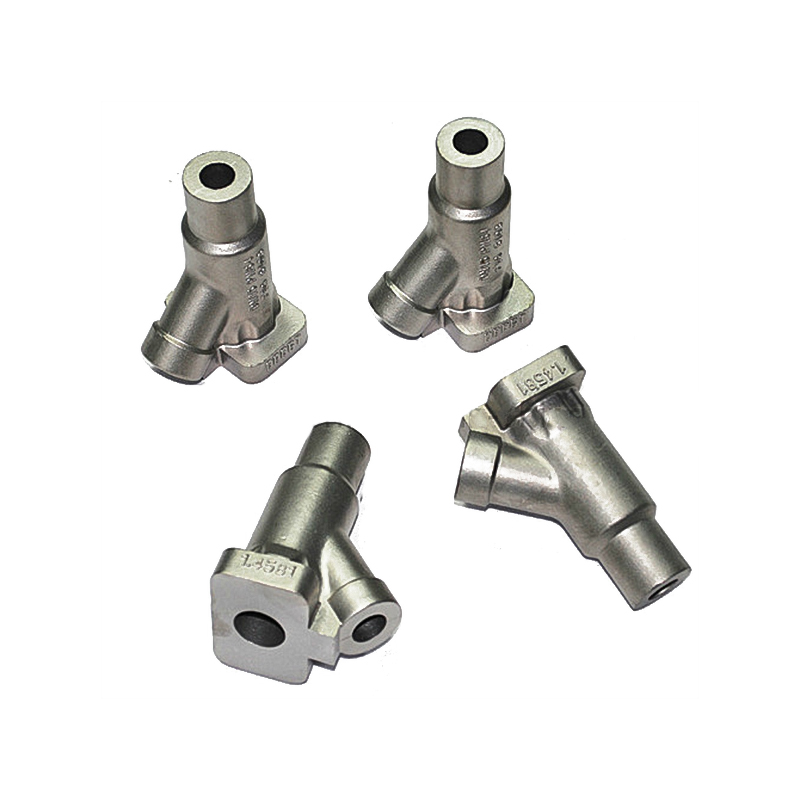
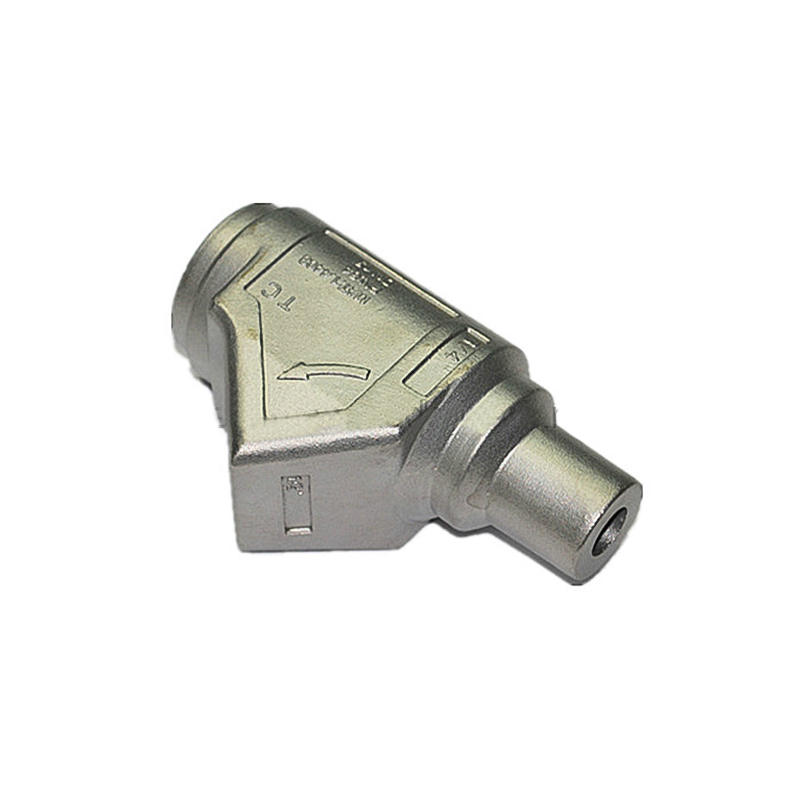
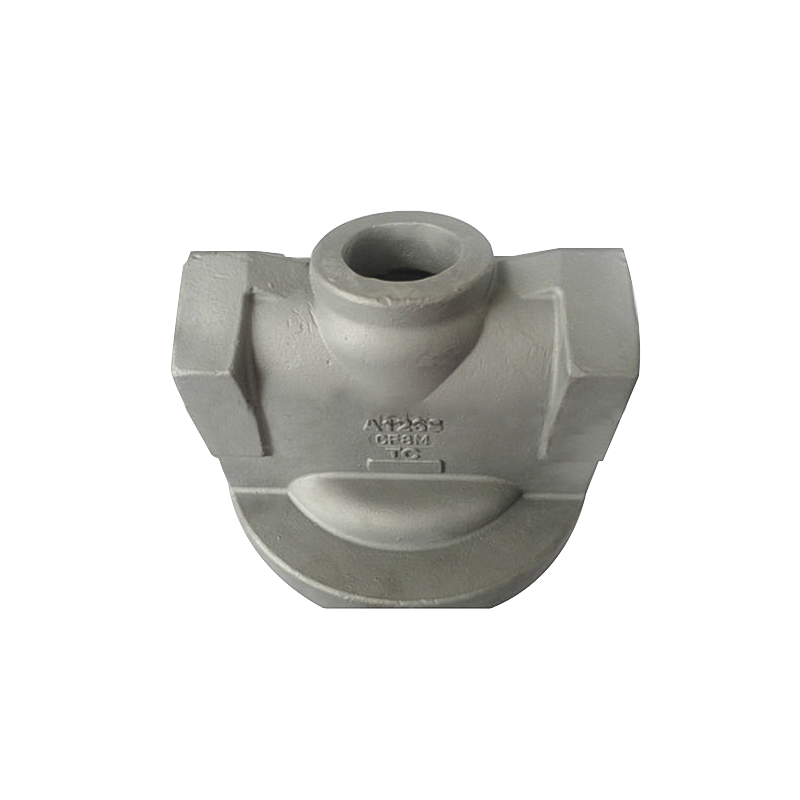
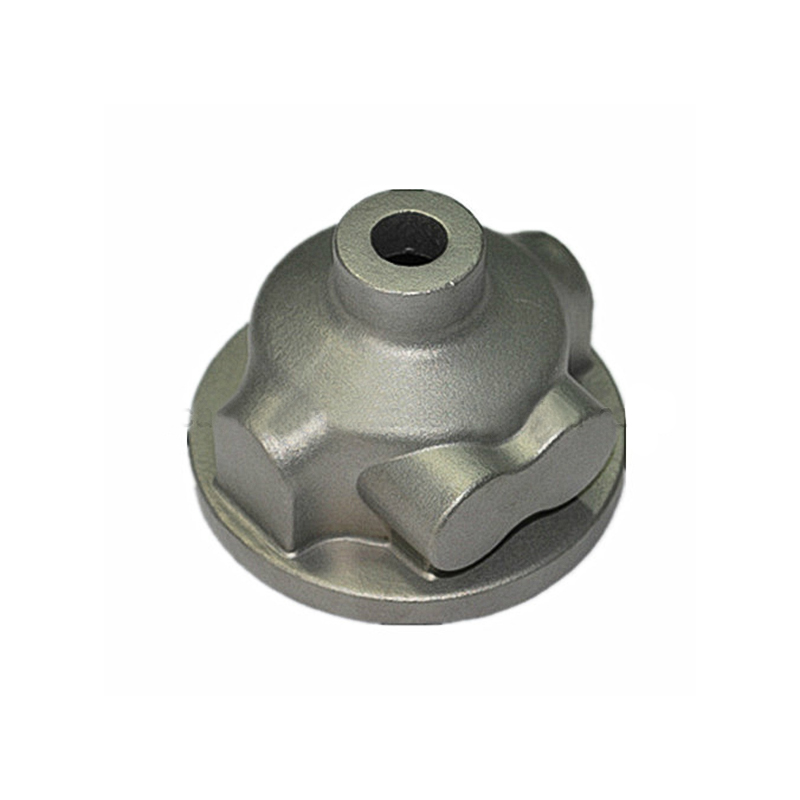
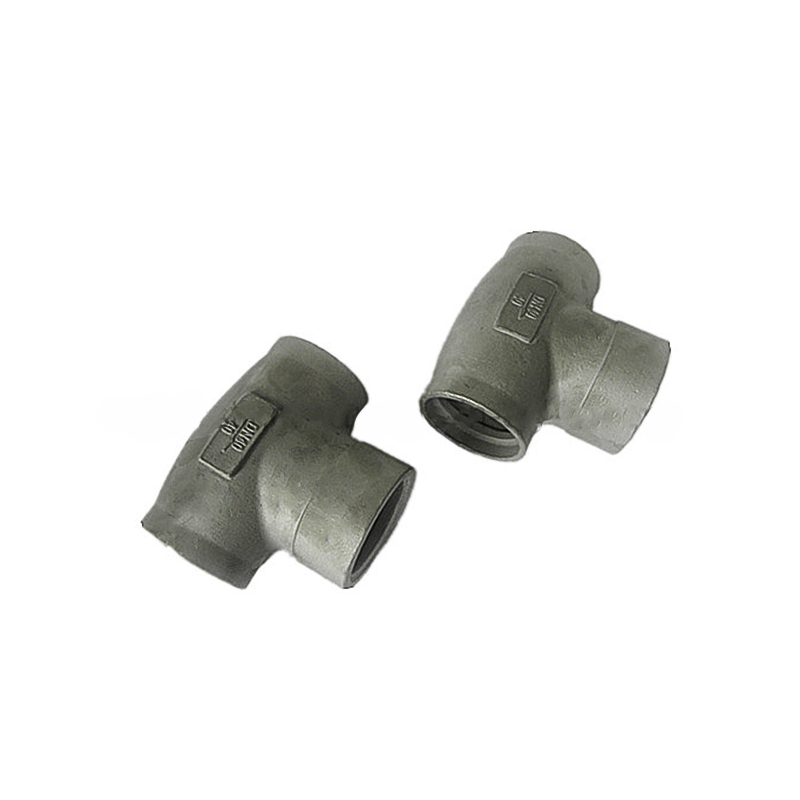
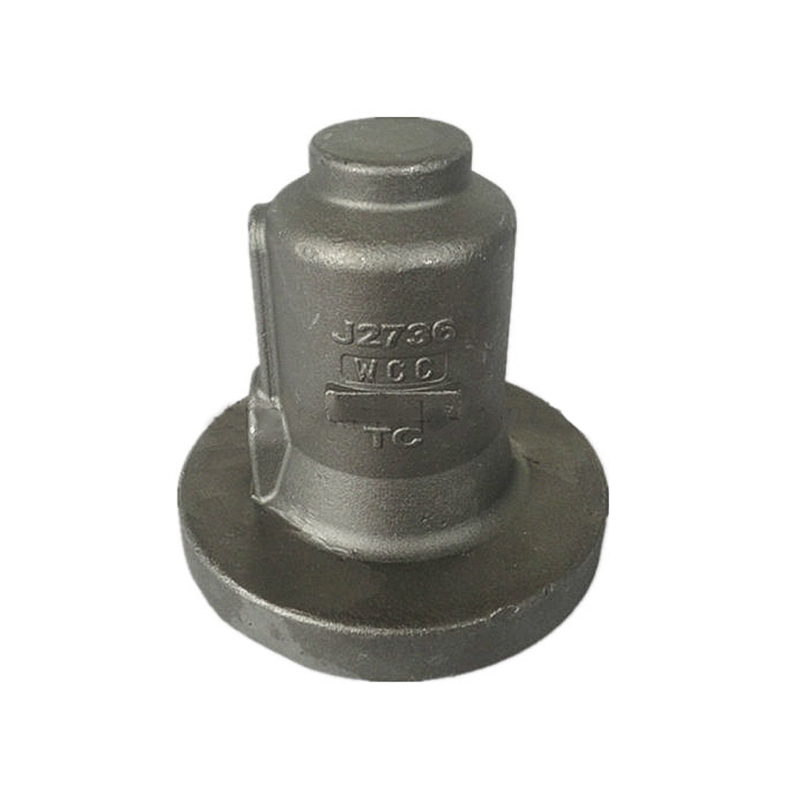
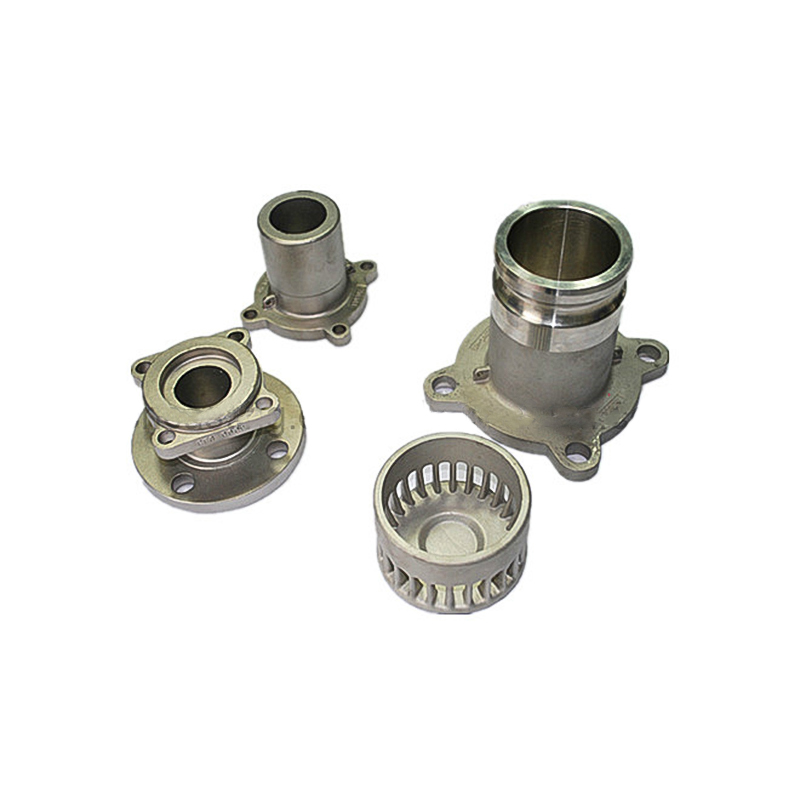
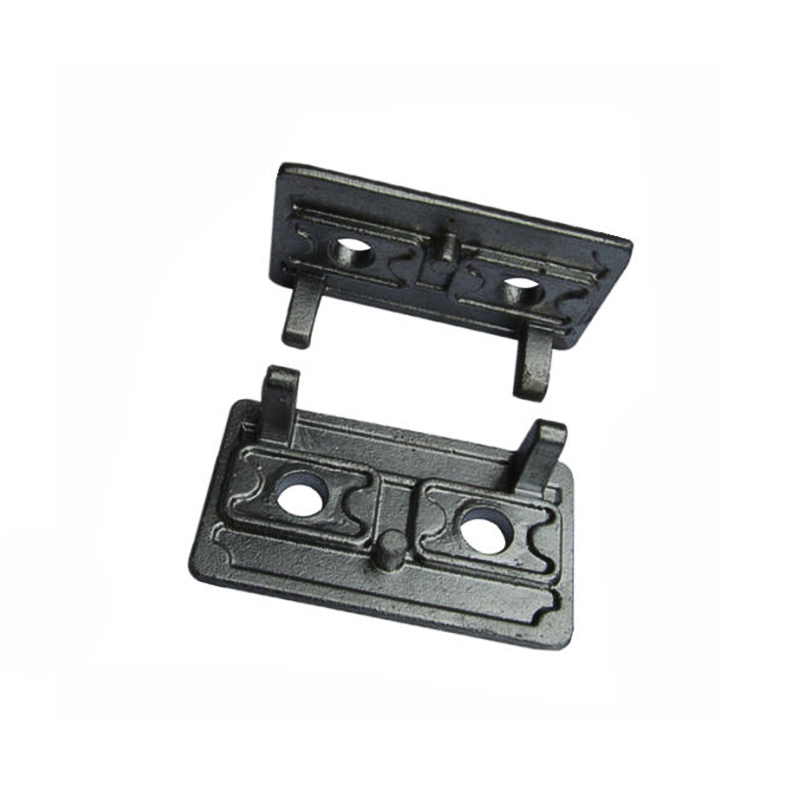
Selected Bearing Display

Contact Information
- Tel:+86-574-88067800/88067900
- Fax:+86-574-88067400
- Phone:+86-13967874638
- E-Mail:master@nbyifei.com
Products Links
Products Links
- Agricultural Machinery Casting Parts
- Auto Casting Parts
- Brass Die Casting Parts
- Casting Bucket Tooth And Accessory
- Container Casting Parts
- Investment Casting Parts
- Machinery Casting Parts
- Mining Machinery Casting Parts
- Railway And Train Casting Parts
- Sand Casting Parts
- Stamping & Forging Parts
- Valve Casting Parts
Contact Us
Copyright ©
Ningbo Hansheng Machinery Parts Co.,Ltd. All Rights Reserved
 Custom Die Castings Manufacturers
