

 English
 Deutsch
 简体中文
简体中文
Author: FTM
Date: Aug 12, 2026
Types of Casting Explained: Selecting the Right Process for Machinery Casting Parts
The Process Decision Behind Every Machinery Casting Part
You have an approved drawing for a gear housing, a valve body, or a pump casing, and the next step is deciding how to produce it. In many cases, casting is the obvious route: it creates complex internal passages and near-net shapes that would be expensive to machine from solid stock. The real question is which casting process to specify. For machinery casting parts, the answer usually comes down to four variables: material, quantity, dimensional tolerance, and surface finish requirements.
Sand casting, investment casting, and die casting are the processes most suppliers use, with permanent mold and low-pressure casting filling the gap between sand and die casting on cost and volume. There is no single "best" process. The right choice balances tooling cost against per-piece cost and machining cost against casting precision.
Main Types of Casting Processes for Machinery Parts
Sand Casting
Sand casting is the most flexible and widely used casting process. A pattern is pressed into a sand-and-binder mixture to create a mold, then molten metal is poured into the cavity. Because sand molds are destroyed to remove each casting, tooling is simple and inexpensive. This is why sand casting suits large parts, short production runs, and materials such as cast iron, steel, aluminum, and copper alloys.
The downside is that dimensional accuracy is moderate and the as-cast surface is rough. Typical tolerances run around +/-0.5 mm per 25 mm, depending on part size, so critical surfaces normally carry a machining allowance. As with the sand casting process explained in more detail, it remains the default choice for housings, frames, flanges, and other structural components. If your drawing calls for a medium-volume mechanical part that will be CNC-finished, custom machine parts made by sand casting can be a cost-effective starting point.
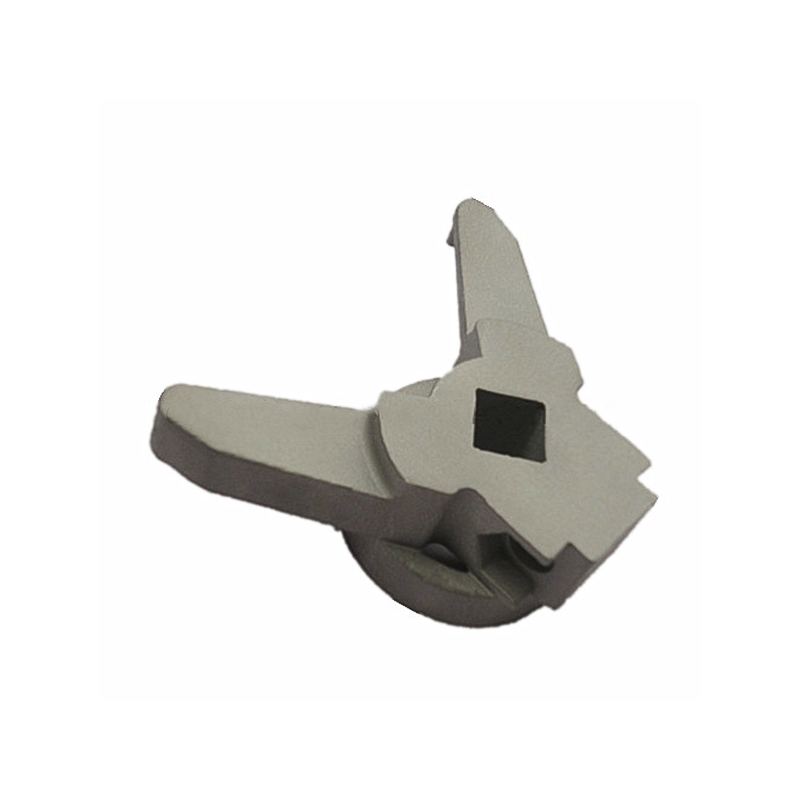 Custom Machine Parts by Sand Casting Process Manufacturers, Factory - Ningbo HanNingbo Hansheng Machinery Parts Co.,Ltd. is China custom Machine Parts by Sand Casting Process manufacturers and Machine Parts by Sand Ca...View Product →
Investment Casting
Investment casting, often called lost-wax casting, builds a wax pattern that is coated with ceramic slurry to form a shell. After the wax is melted out, the shell is fired and filled with molten metal. The result is a smooth surface, tighter tolerances, and almost unlimited geometric freedom, including thin walls and internal passages.
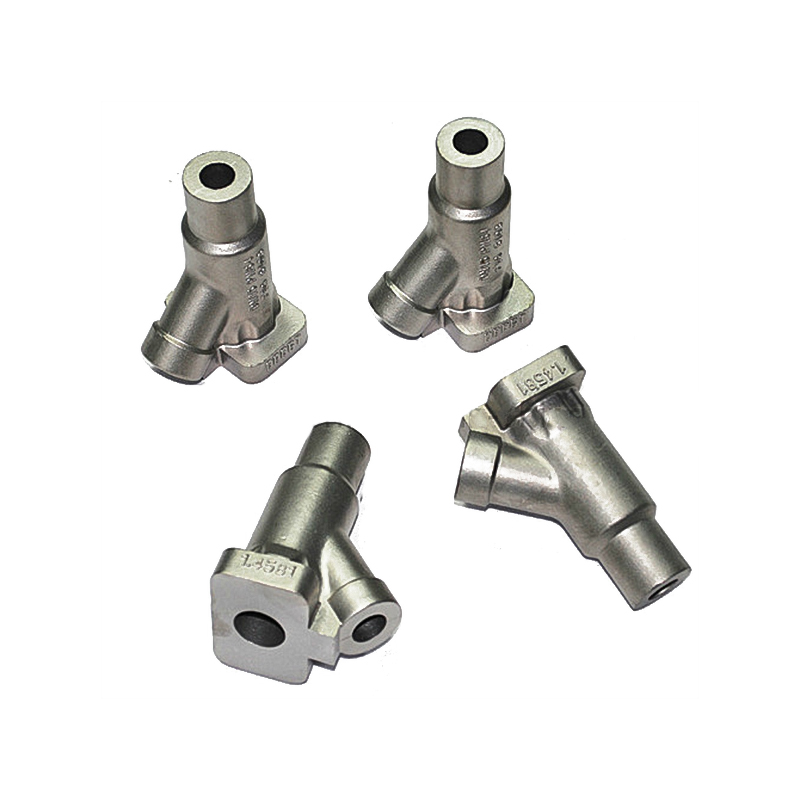
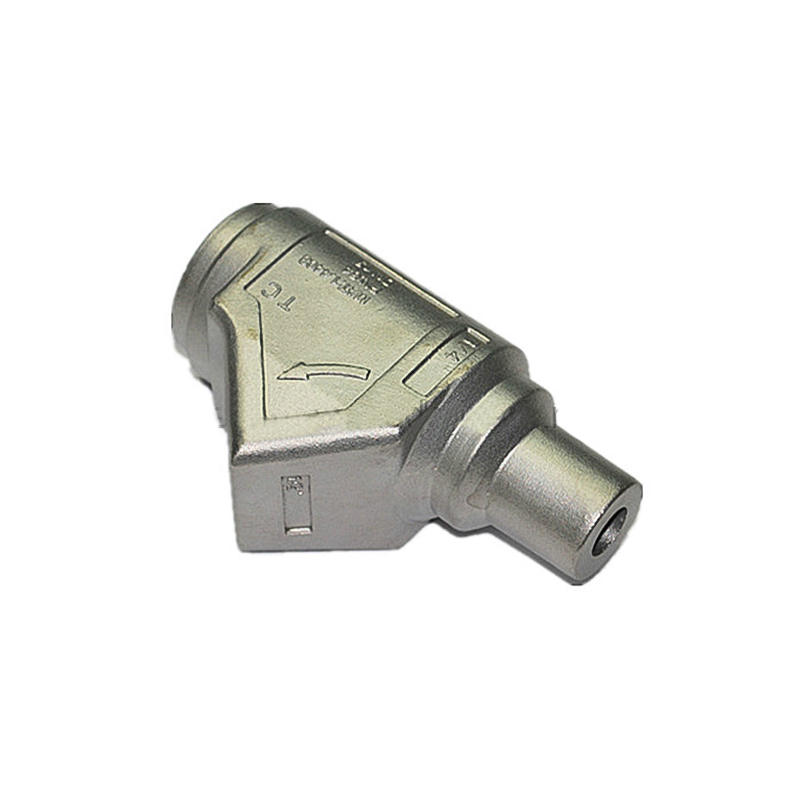
The trade-off is a higher cost per part compared with sand casting, but that cost is frequently offset by less machining. Stainless steel, alloy steel, aluminum, and tool steel parts are all common candidates. Pumps, valve trim, engine components, and rail fastening hardware are typical end uses. For parts that require both precision and mechanical strength, machining investment casting parts is a route we see often in custom production work.
Die Casting
Die casting forces molten metal into a hardened steel die at high pressure, achieving extremely consistent dimensions and thin walls. Because the die is fully reusable, die casting becomes economical when production volumes reach tens of thousands of parts per year. Aluminum, zinc, magnesium, and brass alloys dominate this process.
The main drawbacks are high tooling cost and long lead times for die manufacture. The process also has a limited maximum part size and is less suitable for high-melting-point alloys such as steel. Housings, brackets, motor end bells, and small transmission parts are typical. Brass die castings are common in electrical and hardware applications, while aluminum die castings are standard in automotive components.
Permanent Mold Casting
Permanent mold casting uses a reusable metal mold with no pressure, relying on gravity to fill the cavity. It offers better surface finish and mechanical properties than sand casting, with a much lower tooling cost than high-pressure die casting. Aluminum, magnesium, and copper alloys are commonly cast this way.
This process suits medium production runs, typically from hundreds to tens of thousands of parts, and produces items such as manifolds, gear blanks, brackets, and cylinder heads. It is not ideal for highly complex internal geometries because cores are difficult to extract from a fixed metal mold.
Low-Pressure Casting
Low-pressure casting works like permanent mold casting but uses low-pressure air to push molten metal up into the mold. The controlled fill reduces turbulence and porosity, giving denser parts with better mechanical strength. Aluminum wheels, cylinder heads, and structural automotive parts are the best-known applications.
For machinery casting parts that must hold hydraulic or pneumatic pressure, low-pressure casting is often worth the higher equipment investment. However, cycle times are longer than die casting, which raises per-part cost at very high volumes.
Centrifugal Casting
Centrifugal casting pours molten metal into a rotating mold, and centrifugal force pushes the metal outward against the mold wall. This produces a dense, clean microstructure with few inclusions or gas defects. It is the method of choice for cylindrical parts like bearings, bushings, sleeves, pipes, and rings made from bronze, cast iron, or steel.
It is less flexible for non-cylindrical shapes, but for rotating machinery components, its integrity and wear resistance are hard to beat.
Other Processes You May Encounter
Beyond these six, you may see lost-foam casting, shell molding, plaster casting, and vacuum casting. These are usually selected for niche applications: lost-foam casting for complex engine blocks, shell molding for moderate volumes of small steel parts, and plaster or vacuum casting for low-volume precision prototypes. They all have a place, but for most industrial machinery parts the six processes above cover the majority of decisions.
Choosing the Right Casting Process: A Practical Framework
Start your decision with production quantity, then part size, then required tolerances, then material. If you need one-off or low-volume parts in a large size, sand casting is usually the only sensible choice. If you need thousands of small precision parts with consistent properties, die casting wins on economics. If your part has complex geometry in stainless steel or high-alloy material and you want to avoid machining, investment casting is the strongest candidate. Permanent mold and low-pressure casting sit in the middle.
The table below summarizes the most relevant differences for machinery casting parts.
| Process | Typical Materials | Tolerance | Surface Finish | Production Volume | Relative Cost | Typical Machinery Parts |
|---|---|---|---|---|---|---|
| Sand casting | Iron, steel, aluminum, copper alloys | +/-0.25 to 2.5 mm | Rough | Low to medium | Low tooling, low per part | Housings, frames, flanges, valve bodies |
| Investment casting | Alloy steel, stainless steel, aluminum | +/-0.1 to 0.2% of dimension | Smooth | Low to high | Medium tooling, higher per part | Pump impellers, valve trim, connectors |
| Die casting | Aluminum, zinc, brass | +/-0.05 to 0.25 mm | Very smooth | High | High tooling, low per part | Housings, brackets, small transmission parts |
| Permanent mold | Aluminum, copper alloys | +/-0.1 to 0.5 mm | Smooth | Medium | Medium tooling, medium per part | Manifolds, gear blanks, brackets |
| Low-pressure | Aluminum | +/-0.1 to 0.5 mm | Smooth | Medium to high | Higher tooling, lower per part | Wheels, cylinder heads, pressure housings |
| Centrifugal | Bronze, steel, cast iron | +/-0.25 to 1.5 mm | Medium | Medium | Specialized tooling | Bushings, rings, sleeves, pipes |
When a heavy-duty application exposes a casting to high stress, impact, or wear, you should also check material grade and heat treatment options. Our article on key considerations for heavy-duty machinery casting parts goes into material and testing details.
Machinery Casting Parts Across Industries
Casting is not a single-industry technology. It is the backbone of many mechanical systems, and the right process varies by service conditions.
- Agricultural machinery: gears, trencher teeth, open spelter sockets, and linkage parts often come from sand casting, investment casting, or closed-die forging. Casting gives these parts the complex shapes needed to attach to frames and drivelines.
- Automotive and off-road vehicles: alloy steel forged and cast parts appear in brake systems, steering components, and suspension brackets. Weight reduction requirements increasingly push engineers toward thin-wall aluminum castings.
- Mining and construction equipment: bucket teeth, adapters, and wear parts are cast or forged in abrasion-resistant alloy steel. They must survive severe impact and repetitive loading.
- Railway and train systems: brake components, couplers, and mounting brackets are investment cast in alloy steel for predictable strength and fatigue life.
- Valves and fluid control: valve bodies, bonnets, and trim are sand or investment cast in carbon steel, stainless steel, and alloy steel to handle high pressure and corrosive media. For example, alloy steel casting valve parts
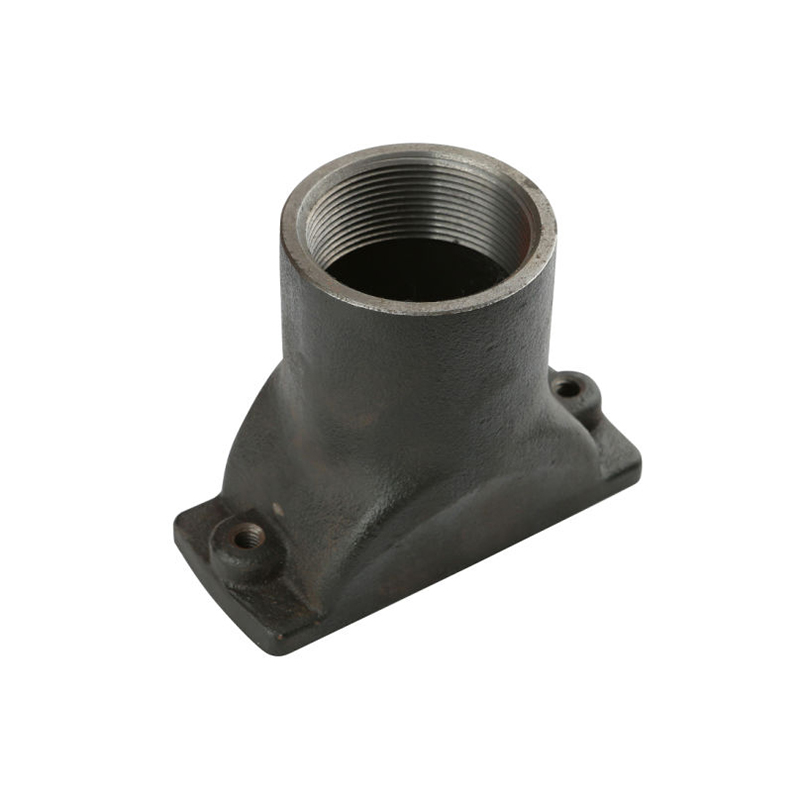 Custom Alloy Steel Casting Valve Parts Manufacturers, Factory - Ningbo Hansheng Ningbo Hansheng Machinery Parts Co.,Ltd. is China custom Alloy Steel Casting Valve Parts manufacturers and Alloy Steel Casting Valve Part...View Product → are produced to withstand high-pressure service and are often finished with CNC machining.
 - General machinery: motor frames, pump casings, flanges, shafts, and connecting components are made across the full spectrum of casting processes.
What to Look for in a Machinery Casting Partner
Once the process is selected, the supplier determines whether the part actually delivers on the drawing's requirements. A good casting partner should be able to control three things: pattern and die quality, melt metallurgy, and post-casting machining.
Patterns and dies are the starting point. If the tooling is inaccurate, every casting inherits the error. A supplier that builds tooling in-house, or works with a trusted toolmaker, can catch geometry issues before mass production. Melt and pouring control is equally important because it determines porosity, inclusions, and mechanical properties. Finally, because most castings need at least some machining, a partner with CNC capability can supply ready-to-assemble parts and minimize double handling costs.
Ningbo Hansheng Machinery Parts Co., Ltd., the manufacturer behind the nbyifei.com brand, has operated since 2003 with a 5,000-square-meter facility that specializes in sand casting, investment casting, die casting, and forged parts. The company's quality system is built around ISO 9001:2000, and most of its output goes to OEM and industrial customers in North America and Europe. For an engineer evaluating how precision casting factories ensure quality, these are the practical points to verify: tooling ownership, in-house machining, inspection practices, and export experience.
Conclusion
Selecting the right casting process for machinery parts is a matter of matching geometry, material, volume, and required precision. Sand casting offers flexibility and low tooling cost; investment casting handles complex parts with tight tolerances; die casting delivers consistency at high volumes; permanent mold and low-pressure casting fill the middle ground; and centrifugal casting excels for round parts. An experienced supplier helps you weigh these trade-offs and can also provide the machining that turns a rough casting into a finished component. By starting with a clear process comparison and verifying the supplier's quality and manufacturing capabilities, you can avoid expensive trial-and-error and get to production with confidence.
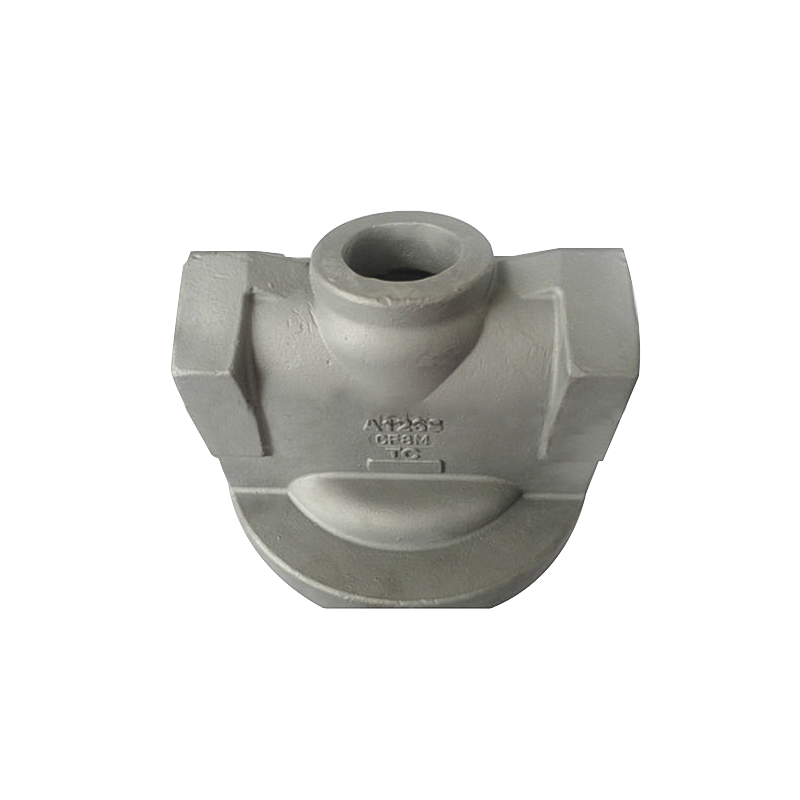
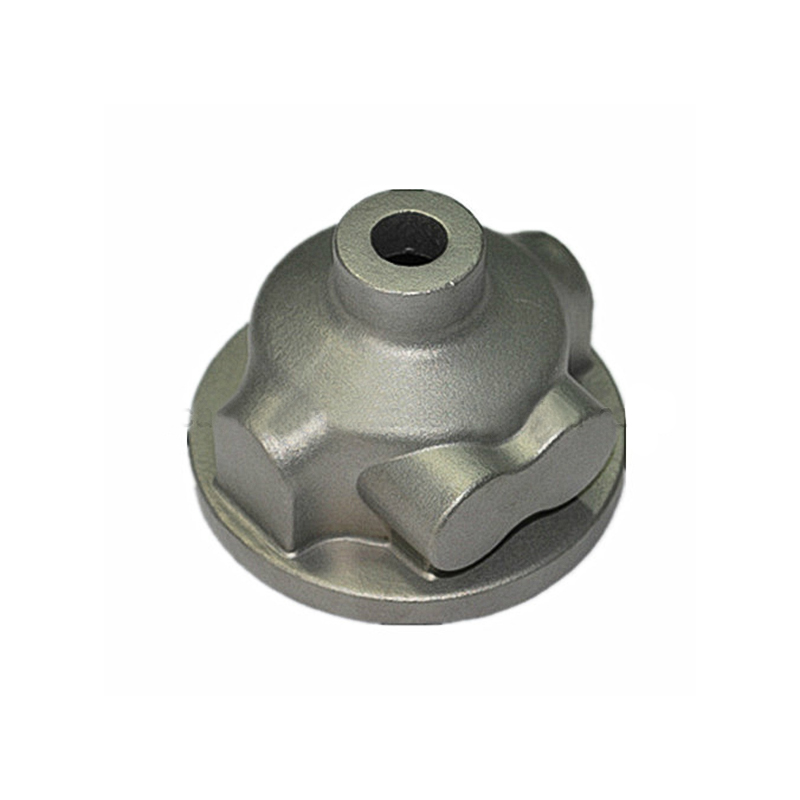
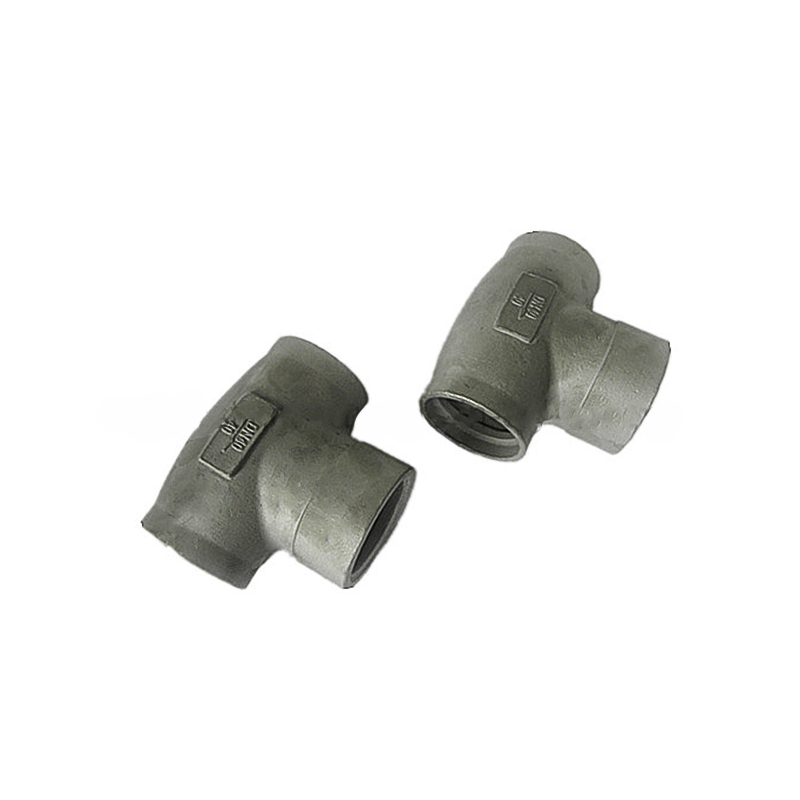
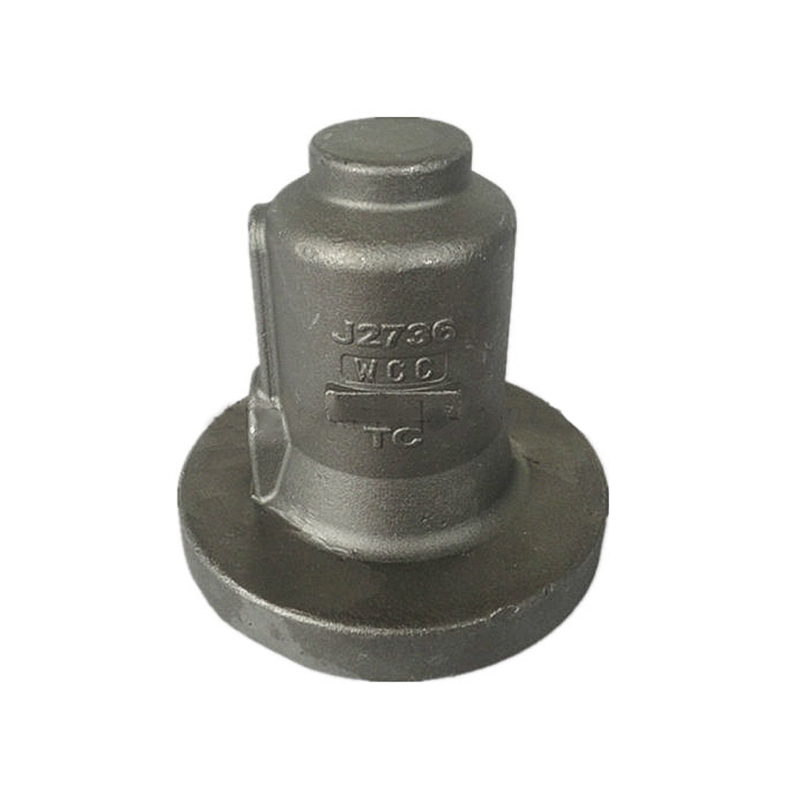
Selected Bearing Display

Contact Information
- Tel:+86-574-88067800/88067900
- Fax:+86-574-88067400
- Phone:+86-13967874638
- E-Mail:master@nbyifei.com
Products Links
Products Links
- Agricultural Machinery Casting Parts
- Auto Casting Parts
- Brass Die Casting Parts
- Casting Bucket Tooth And Accessory
- Container Casting Parts
- Investment Casting Parts
- Machinery Casting Parts
- Mining Machinery Casting Parts
- Railway And Train Casting Parts
- Sand Casting Parts
- Stamping & Forging Parts
- Valve Casting Parts
Contact Us
Copyright ©
Ningbo Hansheng Machinery Parts Co.,Ltd. All Rights Reserved
 Custom Die Castings Manufacturers
