

 English
 Deutsch
 简体中文
简体中文
Author: FTM
Date: Apr 15, 2026
What Is Sand Casting Process? How It Works & Parts Made
Sand casting is a metal casting process in which molten metal is poured into a mold cavity formed by compacting sand around a pattern of the desired part. Once the metal solidifies, the sand mold is broken apart to reveal the finished casting. It is the most widely used casting method in the world, accounting for over 70% of all metal castings produced globally, and is capable of producing parts ranging from a few grams to tens of thousands of kilograms. Its dominance comes from low tooling costs, broad material compatibility, and the ability to cast highly complex geometries that would be difficult or impossible to machine from solid stock.
The Sand Casting Process: Step by Step
Sand casting follows a defined sequence of operations. Each step directly affects the dimensional accuracy, surface quality, and structural integrity of the finished sand casting part.
- Pattern making: A pattern—a replica of the desired part—is created from wood, plastic, aluminum, or epoxy. The pattern is slightly oversized to account for metal shrinkage during solidification (typically 1–2% for iron, up to 2.5% for aluminum). Draft angles of 1–3 degrees are added to vertical surfaces so the pattern can be withdrawn cleanly from the sand.
- Mold preparation: The pattern is placed in a two-part metal or wood frame called a flask (the upper half is the "cope," the lower half the "drag"). Specially formulated molding sand—usually silica sand bonded with clay and water (green sand) or a chemical binder—is packed firmly around the pattern in both halves. The sand must be compact enough to hold its shape but permeable enough to allow trapped gases to escape during pouring.
- Core placement (if required): For parts with internal cavities or undercuts—such as engine blocks, pump housings, or hollow brackets—sand cores are placed inside the mold cavity before the two halves are assembled. Cores are made separately from sand bonded with a resin binder and baked to harden.
- Mold assembly: The pattern is removed from both halves, leaving the negative impression of the part in the sand. The cope and drag are assembled and clamped or weighted shut. A gating system—sprue, runners, and gates—channels molten metal into the cavity, while risers provide a reservoir of liquid metal to compensate for shrinkage as the casting solidifies.
- Melting and pouring: The metal (iron, steel, aluminum, bronze, brass, or other alloy) is melted in a furnace and brought to the correct pouring temperature. Aluminum is typically poured at 680–760°C (1,256–1,400°F); gray iron at 1,370–1,480°C (2,500–2,700°F). The molten metal is poured steadily into the sprue to minimize turbulence, oxidation, and gas entrapment.
- Solidification and cooling: The metal fills the cavity and begins to solidify. Cooling time varies from minutes for small aluminum parts to hours for large iron castings. The rate of cooling affects grain structure and mechanical properties—controlled cooling produces a finer, stronger grain.
- Shakeout: Once solidified, the mold is broken apart on a vibrating shakeout machine or manually. The sand is separated from the casting and—in green sand systems—reconditioned and recycled for reuse, with typical sand reclamation rates of 85–95%.
- Cleaning and finishing: Gates, risers, and flash (thin fins of metal at parting lines) are removed by cutting, grinding, or sawing. The casting surface is cleaned by shot blasting or tumbling to remove adhered sand. Heat treatment, machining, and surface coating are applied as required by the part specification.
Types of Sand and Mold Systems Used in Sand Casting
Not all sand casting uses the same type of sand or binder system. The choice of molding material directly affects casting accuracy, surface finish, and production speed.
| Sand Type | Binder | Surface Finish (Ra) | Best For |
|---|---|---|---|
| Green Sand | Clay + water | 12–25 µm | High-volume production, iron, aluminum |
| No-Bake (Furan/Phenolic) | Chemical resin + catalyst | 6–12 µm | Large, complex, precision castings |
| Shell Sand (Croning) | Phenolic resin (heat-cured) | 3–6 µm | High accuracy, thin walls, automotive parts |
| CO₂ Sand | Sodium silicate + CO₂ gas | 10–20 µm | Medium complexity, steel castings |
| Lost Foam (EPC) | Unbonded dry sand | 5–10 µm | Complex near-net-shape parts, no cores needed |
Green sand is the most economical system and dominates high-volume foundry production. No-bake and shell sand systems cost more per mold but deliver tighter tolerances and better surface finish, making them the preferred choice for precision sand casting parts in aerospace, automotive, and hydraulic applications.
What Parts Are Made by Sand Casting?
Sand casting produces a vast range of components across nearly every industry. Its ability to cast virtually any metal in almost any size makes it uniquely versatile compared to other manufacturing processes.
Automotive and Transportation
- Engine blocks and cylinder heads (gray iron, aluminum)
- Transmission housings and differential cases
- Brake calipers, knuckles, and suspension brackets
- Intake manifolds and exhaust manifolds
Industrial Machinery and Equipment
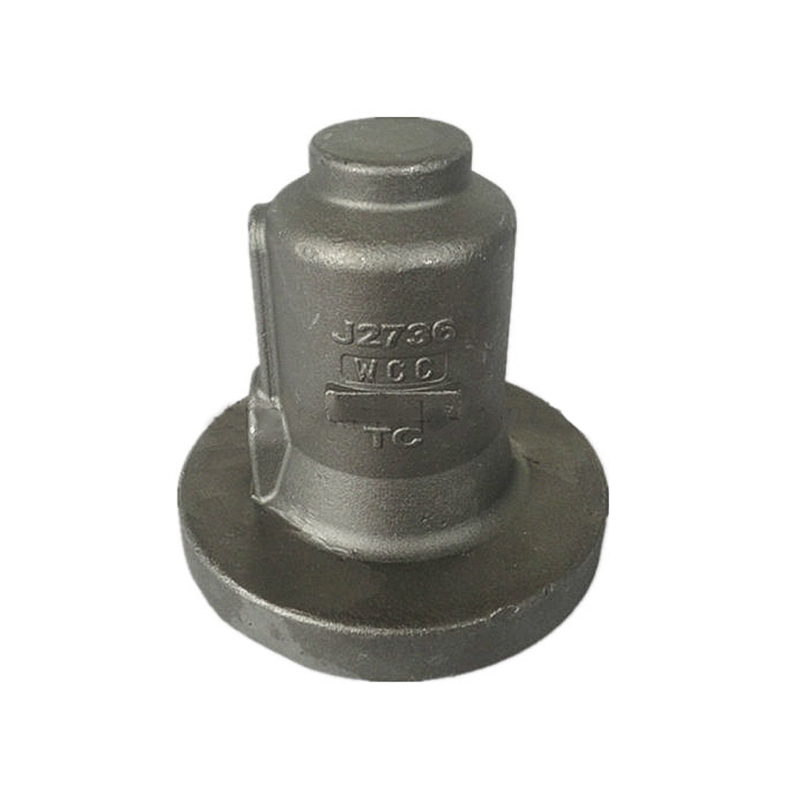
- Pump housings, impellers, and valve bodies
- Gearbox casings and bearing housings
- Machine tool bases, beds, and columns (often gray iron for vibration damping)
- Compressor and hydraulic cylinder bodies
Aerospace and Defense
- Structural brackets and housings in aluminum and magnesium alloys
- Landing gear components and actuator housings
- Radar and antenna mounting frames
Construction and Infrastructure
- Manhole covers and drainage grates (ductile iron)
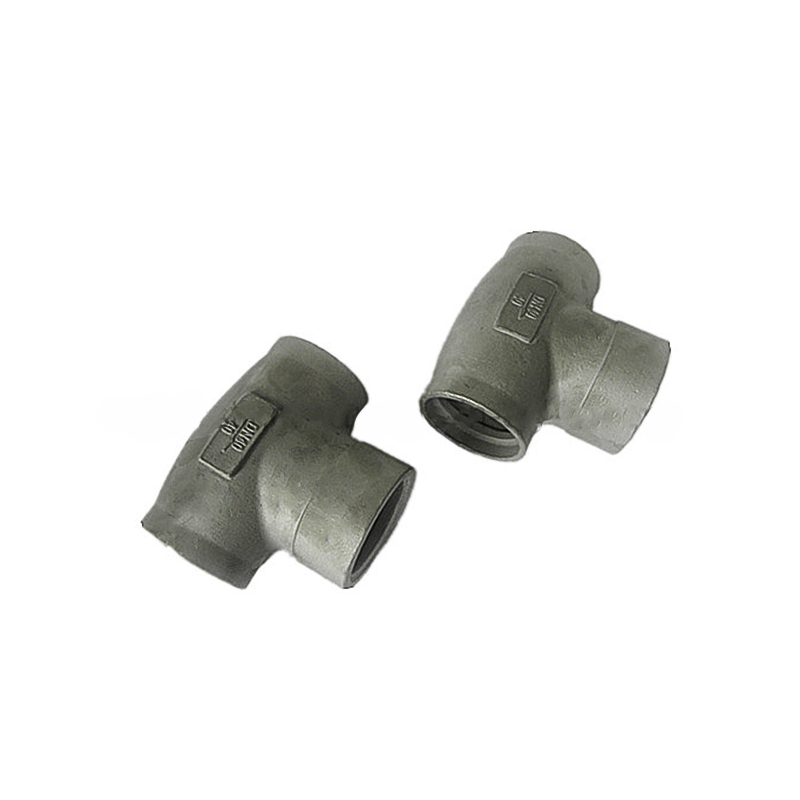
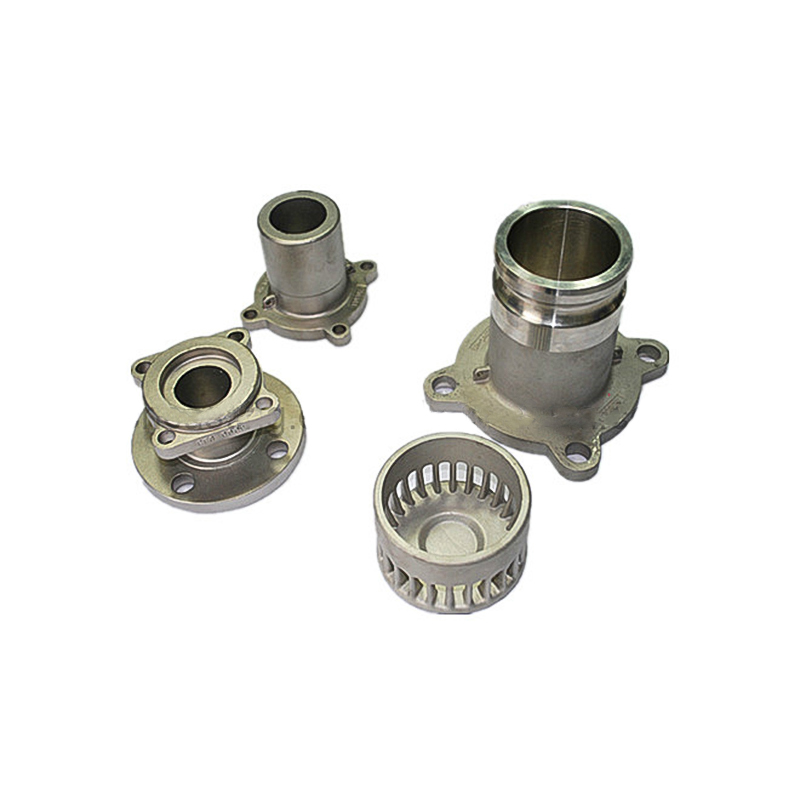
- Pipe fittings, flanges, and valve bodies
- Architectural hardware and decorative ironwork
Energy and Marine
- Wind turbine hubs and nacelle frames (some exceeding 20,000 kg)
- Ship propellers and rudder components in bronze or stainless steel
- Steam and gas turbine casings
Materials Compatible with Sand Casting
One of sand casting's greatest advantages over competing processes is its near-universal material compatibility. Unlike die casting, which is largely limited to non-ferrous alloys, sand casting can process virtually every castable metal.
| Metal / Alloy | Pouring Temp (°C) | Typical Sand Cast Parts |
|---|---|---|
| Gray Iron | 1,370–1,480 | Engine blocks, machine bases, brake drums |
| Ductile Iron | 1,370–1,450 | Crankshafts, gears, manhole covers |
| Carbon / Alloy Steel | 1,540–1,650 | Heavy machinery frames, mining equipment |
| Aluminum Alloys | 680–760 | Transmission cases, aircraft brackets, pumps |
| Bronze / Brass | 950–1,100 | Marine propellers, bearings, valve bodies |
| Magnesium Alloys | 680–750 | Aerospace housings, lightweight structural parts |
| Nickel-Based Superalloys | 1,400–1,500 | High-temperature turbine and furnace components |
Advantages and Limitations of Sand Casting
Key Advantages
- Low tooling cost: A simple wooden pattern for a sand mold can cost as little as $500–$2,000, versus $50,000–$200,000+ for a die casting tool. This makes sand casting highly cost-effective for prototypes, low volumes, and large parts.
- No size limitation: Sand casting can produce the smallest hand-held brackets as well as the largest industrial components. Wind turbine hubs weighing over 20 metric tons are routinely sand cast.
- Complex internal geometry: The use of sand cores allows the process to create intricate internal passages, undercuts, and hollow sections that cannot be achieved with most other casting methods.
- Universal metal compatibility: Sand molds withstand the high pouring temperatures of steel and iron that would destroy permanent metal dies, making sand casting the only practical option for many ferrous alloys.
- Fast design iteration: Pattern modifications are inexpensive and quick compared to hard tooling changes, making sand casting ideal during product development.
Key Limitations
- Surface finish: Green sand castings typically achieve a surface roughness of Ra 12–25 µm—considerably rougher than die casting (Ra 1–2 µm) or investment casting (Ra 1.6–3.2 µm). Secondary machining is required for sealing surfaces, bearing bores, and other functional areas.
- Dimensional tolerances: Standard sand casting achieves tolerances of ±0.5–1.5 mm on most dimensions. Tighter tolerances require shell molding or machining after casting.
- Porosity risk: Gas porosity and shrinkage porosity are inherent risks in sand casting. Proper gating design, degassing treatment (for aluminum), and controlled solidification minimize but do not eliminate them.
- Lower production rate than die casting: Sand molds are destroyed after each pour and must be remade for the next casting. Automated green sand lines can achieve high volumes, but cycle times are longer than die casting for equivalent part sizes.
Sand Casting vs. Other Casting Processes: When to Choose Sand Casting
| Process | Tooling Cost | Surface Finish | Best Volume Range | Metal Compatibility |
|---|---|---|---|---|
| Sand Casting | Low ($500–$5,000) | Moderate (Ra 6–25 µm) | 1–100,000+ parts | All metals including iron/steel |
| Die Casting | Very high ($50,000–$250,000) | Excellent (Ra 1–2 µm) | 50,000+ parts | Non-ferrous only (Al, Zn, Mg) |
| Investment Casting | Moderate ($2,000–$20,000) | Very good (Ra 1.6–3.2 µm) | 100–50,000 parts | Most metals; limited part size |
| Permanent Mold | Moderate ($5,000–$50,000) | Good (Ra 3–6 µm) | 1,000–100,000 parts | Non-ferrous, some iron |
Choose sand casting when: the part is large or heavy, the alloy is ferrous (iron or steel), the production volume does not justify high tooling investment, the geometry includes complex internal features, or the design is still being iterated. For very high-volume, tight-tolerance, non-ferrous parts, die casting or permanent mold casting will ultimately offer a lower per-part cost.
Quality Standards and Inspection of Sand Casting Parts
Sand casting parts intended for structural, pressure-containing, or safety-critical applications must meet defined quality standards. Common inspection and acceptance criteria include:
- Dimensional inspection: Coordinate measuring machines (CMM) or manual gauging verify that castings meet drawing tolerances, typically held to ASTM A802 or ISO 8062-3 casting tolerance grades (CT grades).
- Visual and surface inspection: Castings are examined for surface defects including cold shuts, misruns, shrinkage cavities, and sand inclusions per ASTM E125 or equivalent visual reference standards.
- Radiographic testing (RT): X-ray or gamma-ray inspection detects internal porosity and shrinkage defects. Critical castings such as pressure vessel bodies and aerospace components are routinely radiographed to ASTM E94 or ASME Section V standards.
- Ultrasonic testing (UT): Used to detect subsurface flaws in thick-section castings where radiography is impractical.
- Mechanical testing: Test bars cast alongside production parts are machined and tested for tensile strength, yield strength, elongation, and hardness to verify that the alloy and heat treatment meet specification requirements.
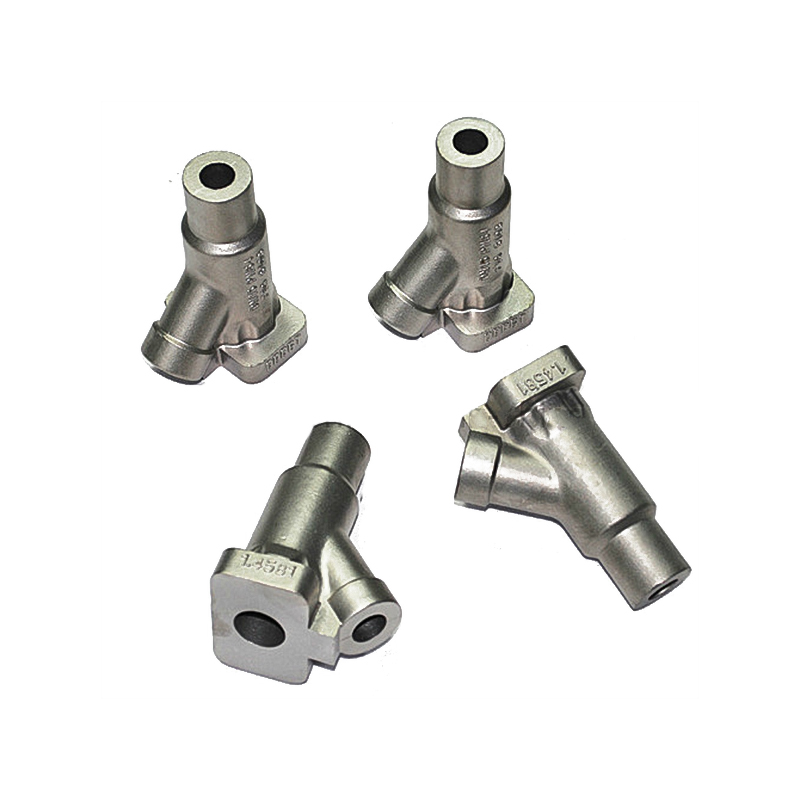
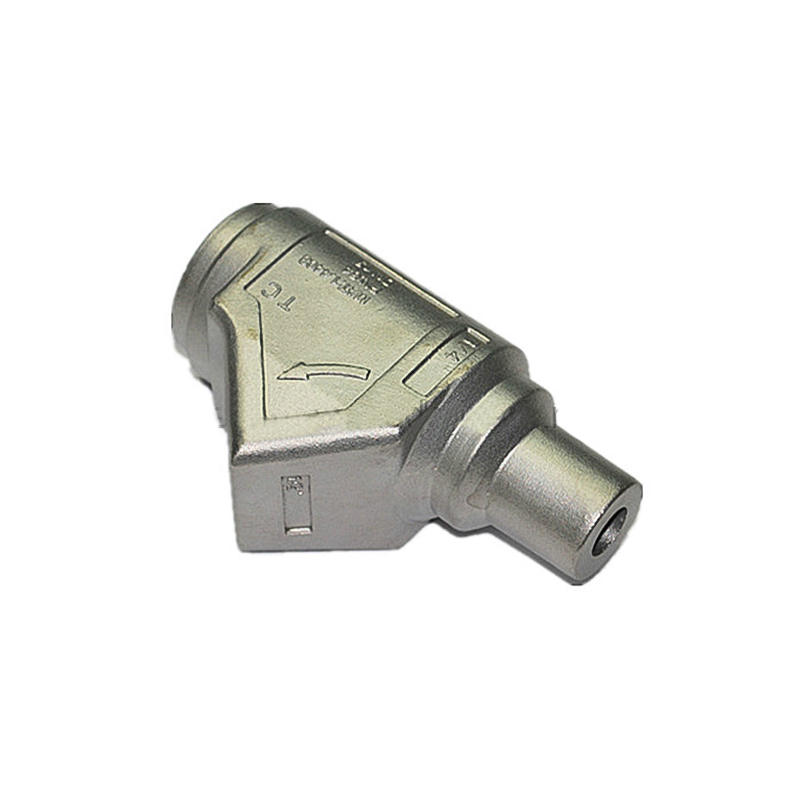
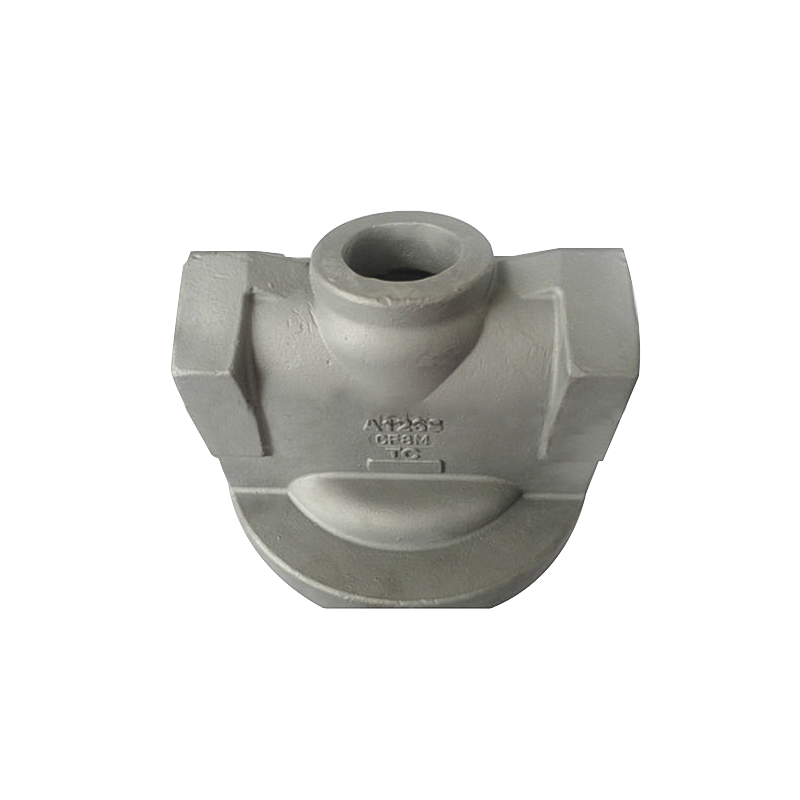
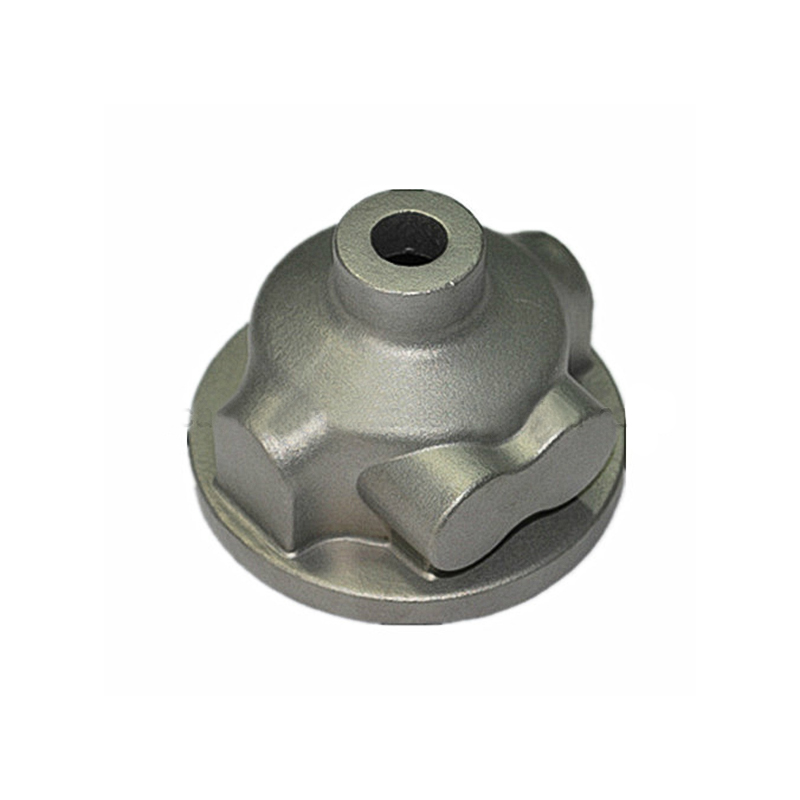
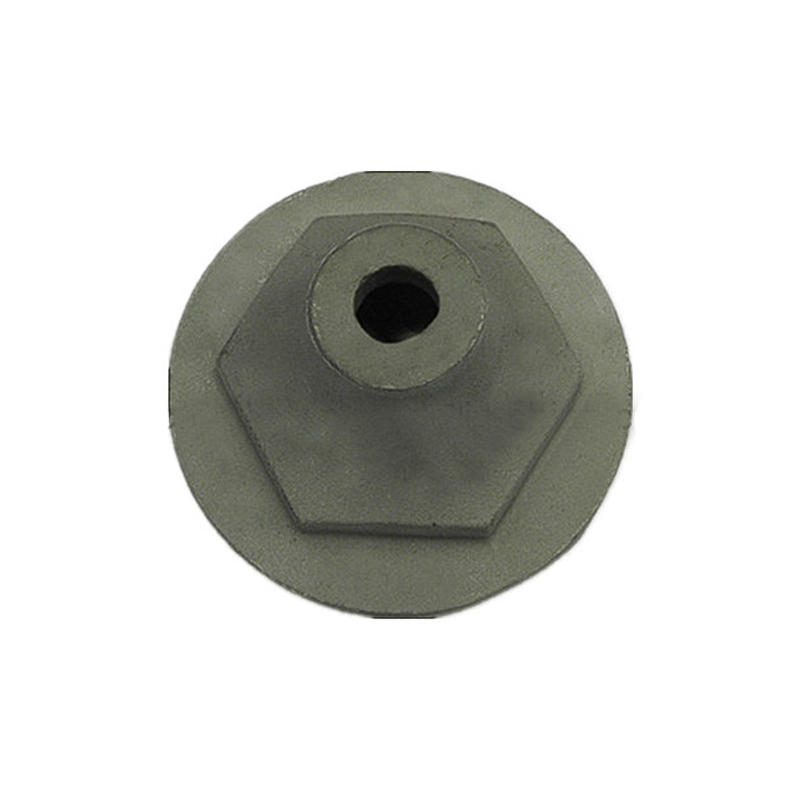
Selected Bearing Display

Contact Information
- Tel:+86-574-88067800/88067900
- Fax:+86-574-88067400
- Phone:+86-13967874638
- E-Mail:master@nbyifei.com
Products Links
Products Links
- Agricultural Machinery Casting Parts
- Auto Casting Parts
- Brass Die Casting Parts
- Casting Bucket Tooth And Accessory
- Container Casting Parts
- Investment Casting Parts
- Machinery Casting Parts
- Mining Machinery Casting Parts
- Railway And Train Casting Parts
- Sand Casting Parts
- Stamping & Forging Parts
- Valve Casting Parts
Contact Us
Copyright ©
Ningbo Hansheng Machinery Parts Co.,Ltd. All Rights Reserved
 Custom Die Castings Manufacturers
