

 English
 Deutsch
 简体中文
简体中文
Author: FTM
Date: Apr 22, 2026
What Is Investment Casting? Process, Parts & Benefits
Investment casting — also known as lost-wax casting — is a manufacturing process in which a wax model of the desired part is coated in ceramic, melted out, and replaced with molten metal to produce a near-net-shape component. The result is a precision metal part that can hold tolerances as tight as ±0.1 mm and reproduce surface finishes of 1.6–3.2 µm Ra, often requiring little to no post-machining. It is one of the oldest metalworking techniques in existence — dating back over 5,000 years — yet remains indispensable in modern aerospace, medical, automotive, and industrial manufacturing.
The Investment Casting Process: Step by Step
Understanding what investment casting is begins with understanding how it works. The process follows a precise sequence that gives it both its name ("investment" refers to the ceramic shell that encases, or invests, the wax) and its dimensional advantages.
- Wax pattern creation — Molten wax is injected into an aluminum or steel die to produce an exact replica of the finished part, including internal features.
- Pattern assembly — Individual wax patterns are attached to a central wax sprue (runner system) to form a "tree," allowing multiple parts to be cast in a single pour.
- Shell building — The wax tree is repeatedly dipped in a ceramic slurry and coated with fine refractory sand. This is repeated 5–15 times over several days to build a shell typically 6–10 mm thick.
- Dewaxing — The ceramic shell is placed in a steam autoclave or flash furnace (900–1,000 °C) to melt out the wax, leaving a hollow ceramic mold. Over 90% of the wax is typically recovered and reused.
- Mold firing — The empty shell is fired at high temperature to cure the ceramic and preheat it for casting, preventing thermal shock when molten metal is poured.
- Metal pouring — Molten metal — steel, aluminum, titanium, nickel superalloy, or another alloy — is poured into the hot ceramic mold.
- Shell removal — Once the metal solidifies, the ceramic shell is broken away mechanically or by water blasting. Parts are then cut from the sprue.
- Finishing — Parts undergo grinding, heat treatment, NDT inspection, and any secondary machining required to meet final specifications.
What Materials Can Be Investment Cast?
One of investment casting's defining strengths is its compatibility with virtually any metal that can be melted and poured. This includes alloys that are too hard or brittle to machine economically from solid stock.
| Material | Typical Alloys | Key Industries |
|---|---|---|
| Carbon & Low-Alloy Steel | 1020, 4140, 8620 | Automotive, heavy equipment |
| Stainless Steel | 304, 316, 17-4PH, 410 | Food processing, medical, marine |
| Nickel Superalloys | Inconel 625/718, Hastelloy | Aerospace, power generation |
| Aluminum | A356, 319, 356 | Automotive, consumer electronics |
| Titanium | Ti-6Al-4V, CP-Ti | Aerospace, medical implants |
| Cobalt-Chrome | CoCrMo, Stellite | Medical, wear applications |
| Copper Alloys | Bronze, brass | Art, valves, marine hardware |
What Parts Are Made by Investment Casting?
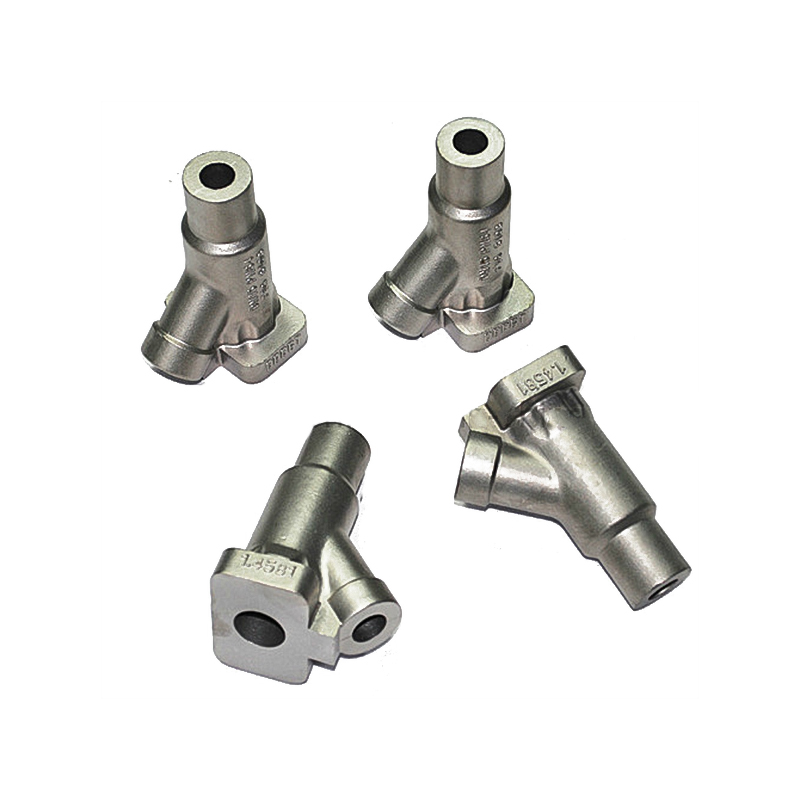
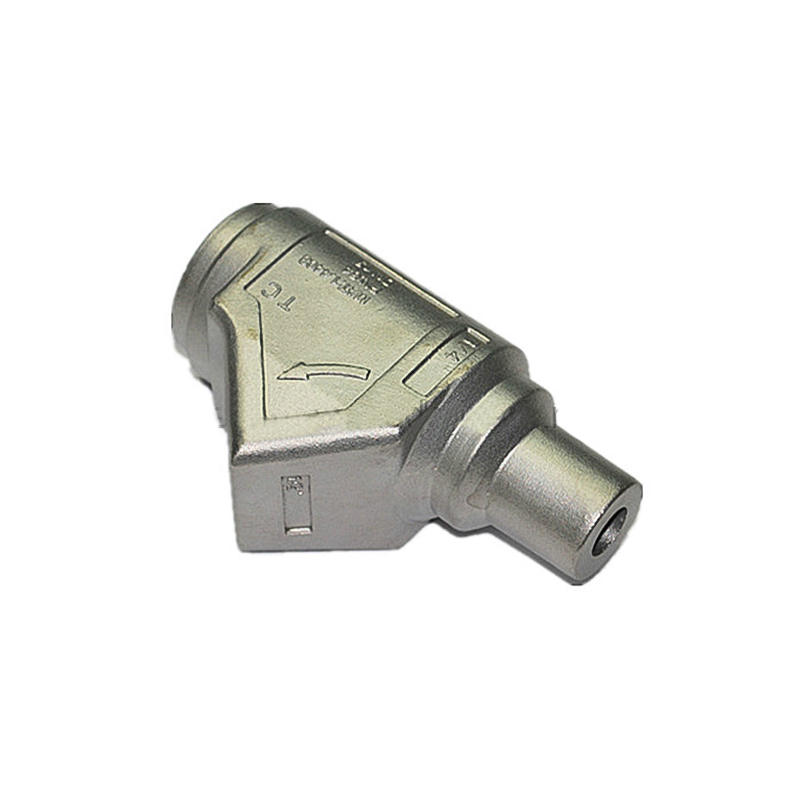
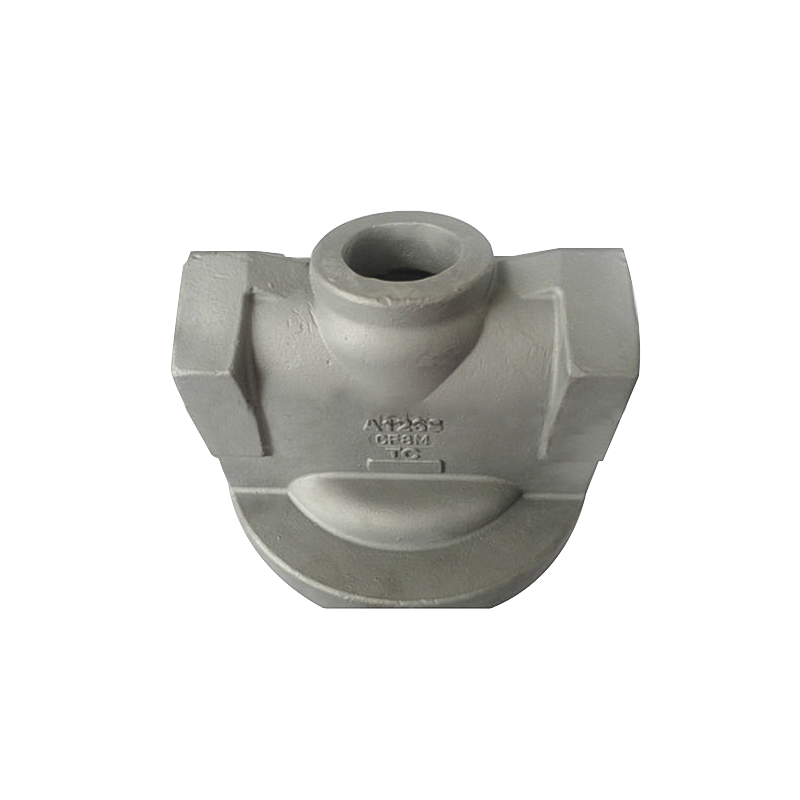
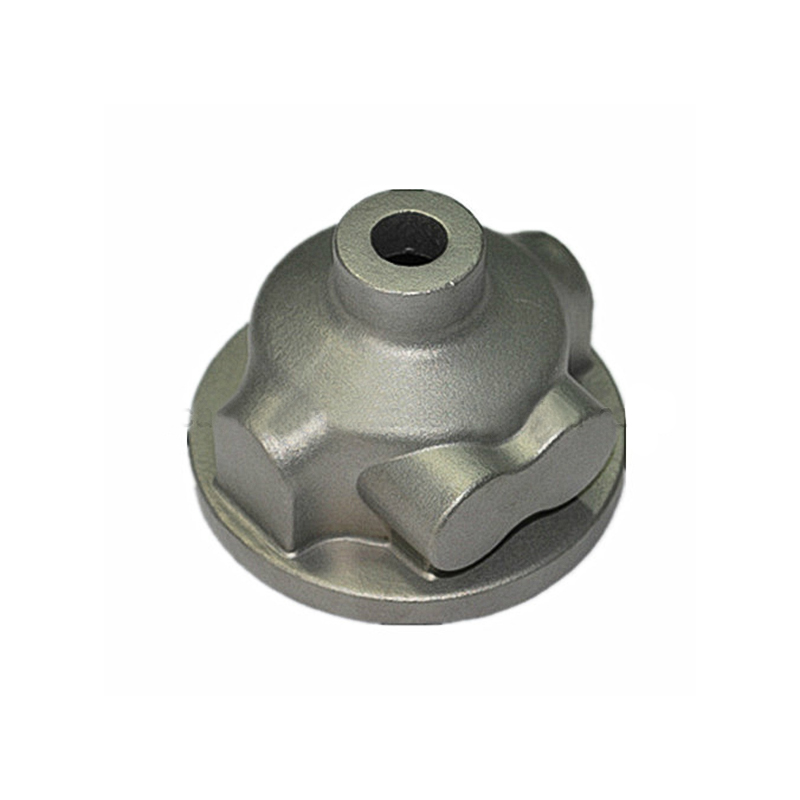
Investment casting parts span an enormous range of industries and complexity levels. The process is particularly suited to components that require intricate geometries, thin walls, or alloys that are difficult to machine. Parts typically weigh from a few grams up to 50 kg (110 lb), though most commercial investment casting falls in the 0.1–5 kg range.
Aerospace and Defense
Aerospace is the largest single consumer of investment casting. Critical parts include turbine blades, vanes, combustor liners, structural airframe brackets, and fuel system components. Jet turbine blades are among the most demanding investment cast parts, requiring single-crystal nickel superalloy casting and ceramic core technology to produce internal cooling channels as narrow as 0.5 mm.
Medical and Surgical
Orthopedic implants (hip and knee components), dental frameworks, surgical instruments, and cardiovascular devices are routinely investment cast in cobalt-chrome and titanium. The process's ability to achieve smooth, porous-free surfaces is critical for biocompatibility and osseointegration.
Automotive
Common automotive investment casting parts include turbocharger housings, rocker arms, gear shift components, exhaust manifolds, fuel injector bodies, and brake caliper brackets. Investment casting is preferred here when part geometry is too complex for die casting or when material strength requirements exceed what aluminum die casting can provide.
Industrial and Energy
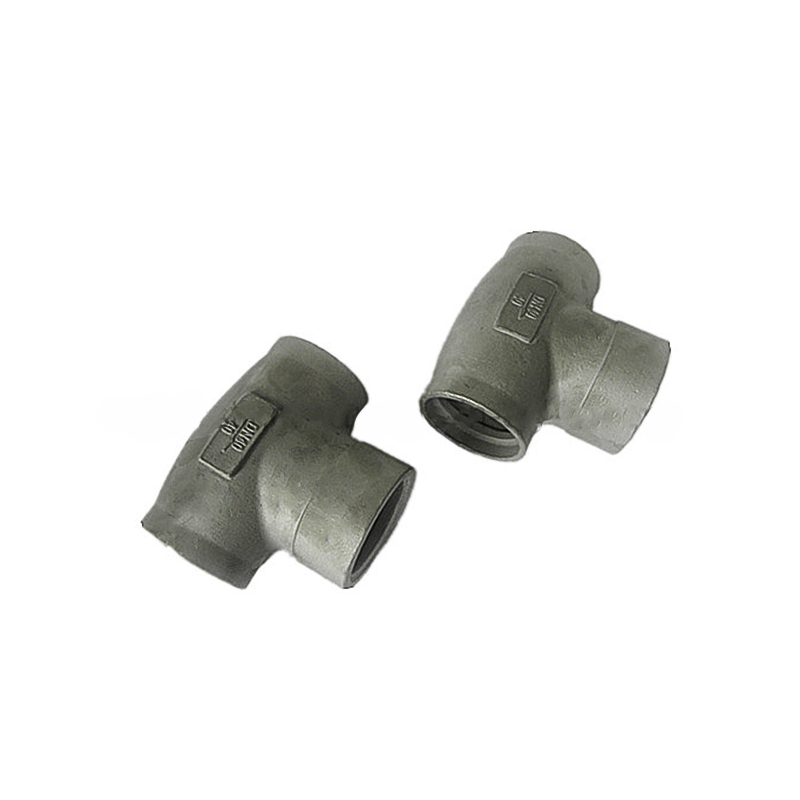
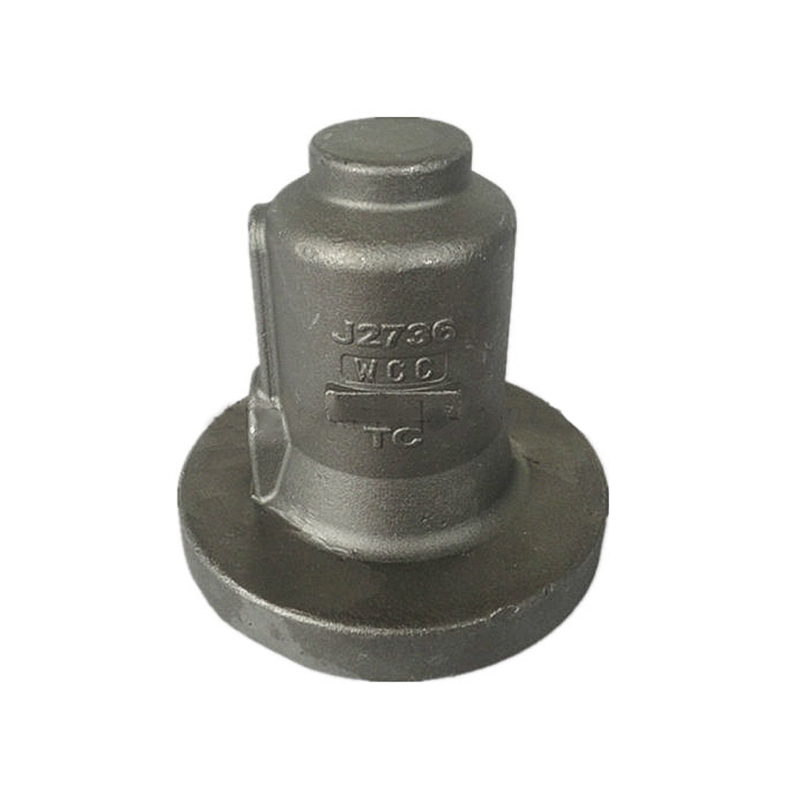
Pump impellers, valve bodies, pipe fittings, wear plates, and gas turbine components for power generation are all typical investment casting parts in industrial settings. Oil and gas applications also rely heavily on investment cast valves and downhole tool components that must withstand high pressure and corrosive environments.
Firearms and Defense Hardware
Trigger groups, hammers, firing pins, receivers, and scope mounts are widely produced as investment casting parts. The process produces the tight tolerances and surface quality required for reliable firearm function while keeping per-unit costs competitive at medium production volumes.
Key Advantages of Investment Casting Over Other Methods
Investment casting competes with sand casting, die casting, forging, and CNC machining from solid. Its advantages are most pronounced when part geometry is complex and material is difficult or expensive to machine.
- Dimensional accuracy — tolerances of ±0.1 to ±0.25 mm are achievable as-cast, reducing or eliminating finish machining on many features.
- Complex geometry — internal passages, undercuts, thin walls (as thin as 0.75 mm in steel), and deep recesses can be cast in one piece — geometries that would require multiple machined components assembled together.
- Superior surface finish — as-cast surfaces of 1.6–3.2 µm Ra are typical, compared to 6–25 µm Ra for sand casting.
- Wide material compatibility — virtually any castable alloy can be processed, including high-temperature superalloys that cannot be die cast.
- Near-net-shape output — minimal material waste compared to machining from bar stock; critical for expensive alloys like titanium or Inconel.
- Part consolidation — multiple assembled components can often be redesigned as a single investment casting, reducing assembly labor and potential failure points.
Investment Casting vs. Other Casting Processes
| Parameter | Investment Casting | Sand Casting | Die Casting |
|---|---|---|---|
| Dimensional tolerance | ±0.1–0.25 mm | ±1.0–3.0 mm | ±0.05–0.1 mm |
| Surface finish (Ra) | 1.6–3.2 µm | 6–25 µm | 0.8–1.6 µm |
| Material flexibility | Very high | High | Limited (Al, Zn, Mg) |
| Tooling cost | Medium ($1,000–$10,000) | Low ($200–$2,000) | High ($10,000–$100,000+) |
| Minimum viable volume | ~25–500 parts | 1–10 parts | ~10,000+ parts |
| Part complexity | Very high | Medium | Medium–High |
| Typical part weight range | 0.01–50 kg | 0.1 kg–several tonnes | 0.01–25 kg |
The data shows investment casting occupies a clear niche: better accuracy than sand casting, far broader material range than die casting, and lower tooling cost than die casting — making it the rational choice for complex, precision parts in medium production volumes (hundreds to tens of thousands of pieces per year).
Limitations and When Investment Casting Is Not the Right Choice
Investment casting is not universally optimal. Engineers should consider alternative processes when:
- Parts are very large — beyond 50 kg, sand casting or forging is typically more economical. Investment casting foundries have practical limits on shell size and furnace capacity.
- Very high volumes are required — for millions of identical aluminum or zinc parts, die casting's cycle time advantage (seconds vs. hours per casting) makes it far more cost-effective despite higher tooling costs.
- Superior mechanical properties are needed — forged parts have superior grain structure and fatigue resistance compared to cast parts. For highly loaded structural components where safety is paramount (e.g., landing gear), forging may be mandated by design specifications.
- Lead times are very short — shell building alone takes 1–2 weeks. Total lead time from tooling to first parts is typically 6–12 weeks, longer than CNC machining from available stock.
- Geometry is simple — for straightforward shapes without undercuts or complex features, machining or sand casting is more cost-effective.
Design Guidelines for Investment Casting Parts
To get the most from the process, engineers designing investment casting parts should follow established rules that account for how molten metal fills a ceramic mold and solidifies.
Wall Thickness
Minimum wall thickness depends on alloy and geometry, but general guidelines are: aluminum: 1.5 mm minimum; steel: 2.0–3.0 mm minimum; nickel superalloys: 0.75–1.5 mm with ceramic cores. Uniform wall thickness promotes even cooling and reduces shrinkage porosity.
Draft Angles
Unlike die casting, investment casting does not require draft angles on external surfaces because the ceramic mold is broken away. This is one of its design advantages — vertical walls and even slight re-entrant features are feasible without draft.
Holes and Internal Passages
Blind holes down to 1.5 mm diameter and through-holes down to 1.0 mm are achievable in investment casting. Internal passages are created using ceramic cores placed inside the wax die before injection, which are then leached out after casting.
Tolerances and Machined Surfaces
Standard as-cast tolerances follow DCTG 4–6 per ISO 8062. Features requiring tighter tolerances — bearing bores, mating faces, threaded features — should be identified for post-cast machining. A good investment casting design minimizes these secondary operations to surfaces where they are truly necessary.
Quality Control and Inspection of Investment Cast Parts
Given that many investment casting parts are used in safety-critical applications, quality assurance is rigorous. Standard inspection methods include:
- Dimensional inspection — CMM (coordinate measuring machine) verification against 3D models, checking critical features against drawing tolerances.
- X-ray / CT scanning — detects internal porosity, shrinkage cavities, and inclusions invisible to the naked eye. CT scanning can resolve defects as small as 0.1 mm in production parts.
- Fluorescent penetrant inspection (FPI) — reveals surface-breaking cracks and porosity across the entire part surface, mandatory for aerospace certification.
- Chemical analysis — spectrometric verification that the alloy composition meets specification (e.g., AMS 5643 for 17-4PH stainless steel).
- Mechanical testing — tensile, hardness, and impact tests on heat-treated test bars cast from the same heat as production parts.
Aerospace-grade investment casting foundries typically operate under AS9100 certification, while medical casting suppliers work to ISO 13485. These certifications mandate full traceability from raw material heat to finished part — an important consideration when sourcing investment casting parts for regulated industries.
How to Source Investment Casting Parts: Key Considerations
When evaluating investment casting suppliers or initiating a new casting project, engineers and procurement teams should assess the following:
- Alloy capability — confirm the foundry has proven experience with your specific alloy. Nickel superalloy and titanium casting require vacuum induction melting (VIM) equipment not available at all foundries.
- Part complexity — share the 3D model early. Foundry engineers can assess feasibility, suggest design-for-casting modifications, and provide accurate tooling quotes.
- Certifications — verify AS9100 (aerospace), ISO 13485 (medical), or IATF 16949 (automotive) as applicable to your industry.
- Minimum order quantity (MOQ) — investment casting tooling cost is amortized over production runs. Typical MOQs range from 25 to 500 pieces depending on part complexity and foundry size.
- Lead time — for new tooling, budget 6–12 weeks to first article. Repeat orders from existing tooling are typically 4–8 weeks.
- Secondary operations — determine whether the foundry offers in-house machining, heat treatment, surface finishing, and NDT, or whether these will require additional supply chain steps.
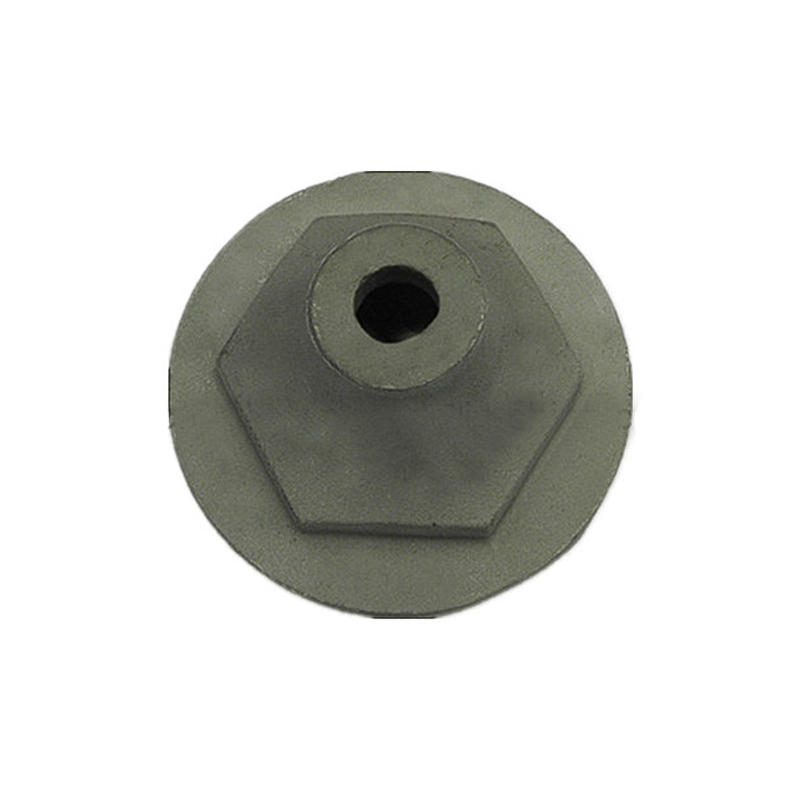
Selected Bearing Display

Contact Information
- Tel:+86-574-88067800/88067900
- Fax:+86-574-88067400
- Phone:+86-13967874638
- E-Mail:master@nbyifei.com
Products Links
Products Links
- Agricultural Machinery Casting Parts
- Auto Casting Parts
- Brass Die Casting Parts
- Casting Bucket Tooth And Accessory
- Container Casting Parts
- Investment Casting Parts
- Machinery Casting Parts
- Mining Machinery Casting Parts
- Railway And Train Casting Parts
- Sand Casting Parts
- Stamping & Forging Parts
- Valve Casting Parts
Contact Us
Copyright ©
Ningbo Hansheng Machinery Parts Co.,Ltd. All Rights Reserved
 Custom Die Castings Manufacturers
