

 English
 Deutsch
 简体中文
简体中文
Author: FTM
Date: May 13, 2026
Parts of a Train & Railway: Names, Functions & Casting Parts
What Are the Parts of a Train Called? The Quick Answer
A train is composed of two broad categories of parts: rolling stock components (the vehicle itself) and railway infrastructure parts (the fixed track system it runs on). Rolling stock includes the locomotive, bogies, wheelsets, couplers, brake systems, and car body structures. Railway infrastructure includes rails, sleepers (ties), fasteners, switches, and ballast. Many of the most structurally critical parts in both categories — including bogie frames, wheel centers, brake blocks, and rail anchors — are manufactured through metal casting processes using iron, steel, or aluminum alloys.
The global railway equipment market was valued at over $180 billion in 2023, reflecting the sheer volume and complexity of components required to build and maintain rail networks worldwide. Understanding what each part is called and what it does is essential for procurement, maintenance engineering, and manufacturing planning.
Main Parts of a Train: Locomotive and Rolling Stock
The locomotive is the powered unit that pulls or pushes the train. Whether diesel, electric, or hybrid, all locomotives share a set of core structural and mechanical components.
Car Body (Carbody)
The car body is the outer structural shell of the locomotive or passenger/freight car. It is typically fabricated from high-strength steel or aluminum alloy and must withstand longitudinal compressive forces of up to 3,500 kN (787,000 lbf) in heavy freight applications. The carbody houses all interior systems — traction equipment, passenger accommodation, or cargo space — and is mounted directly onto the bogie frames.
Bogie (Truck)
The bogie — called a "truck" in North America — is the wheeled frame assembly that sits beneath each end of a rail car. It carries the car body, guides the vehicle along the track, and absorbs shock through its suspension system. A standard bogie contains:
- Bogie frame — the main structural casting or fabrication, typically H-shaped in plan view
- Primary suspension — coil springs or rubber pads between wheelset axle boxes and the bogie frame
- Secondary suspension — air springs or coil springs between the bogie frame and car body
- Axle boxes (journal boxes) — cast housings that hold the wheel bearings and transfer load from axle to frame
- Brake equipment — brake cylinders, brake rigging, and brake blocks or discs
Most passenger trains use two bogies per car; heavy freight wagons may use three or more under extra-long cars. Bogie frames for freight applications are frequently manufactured by steel casting to handle static loads exceeding 25 tonnes per axle.
Wheelset
A wheelset consists of two wheels pressed onto a common axle. The wheels are monobloc (solid) or tire-on-center designs, with a tapered tread profile that provides passive self-steering as the train negotiates curves. Standard rail gauge in most of the world is 1,435 mm (4 ft 8½ in), and wheelset dimensions must conform precisely to this gauge to prevent derailment. Freight car wheels are typically cast from Class C or Class D steel per AAR specifications and must withstand repeated thermal cycling from braking — surface temperatures can exceed 500°C (930°F) during heavy braking.
Coupler (Coupling)
Couplers connect individual cars into a train consist. The two dominant coupler designs globally are:
- AAR knuckle coupler — used throughout North America; cast from high-alloy steel; rated to handle buff (compressive) forces of up to 4,448 kN (1,000,000 lbf)
- UIC screw coupler with buffers — used in Europe; consists of a central chain/screw link and two side buffers; less efficient for very heavy trains but allows mixed-fleet coupling
Coupler bodies, knuckles, and yokes are almost universally produced by steel casting due to the complex three-dimensional geometry and the extreme impact and tensile loads they must withstand.
Brake System Components
Railway braking systems use several key named parts:
- Brake cylinder — pneumatic actuator that converts air pressure into mechanical force
- Brake block (brake shoe) — friction element pressed against the wheel tread; cast iron blocks are still widely used in freight due to their self-cleaning grit properties
- Brake disc and caliper — used on high-speed passenger trains; discs are mounted on the axle or wheel and clamped by cast iron or aluminum calipers
- Triple valve / distributor valve — pneumatic control device that manages brake application and release in response to train line pressure changes
Railway Track Parts: Infrastructure Components and Their Names
The track system is the fixed infrastructure that guides and supports the train. Each component has a specific name and function within the permanent way (P-way) system.
Rail
The rail is the steel bar on which wheels run. It has three sections: the head (the running surface), the web (the vertical connector), and the foot (base flange) that sits on the sleeper. Modern heavy-haul rails weigh 60–77 kg per meter (UIC 60 or 136 RE profile) and are rolled from high-carbon manganese steel. Rail lengths have extended dramatically — continuous welded rail (CWR) eliminates traditional joints, reducing track maintenance by up to 40% compared to jointed track.
Sleeper (Railroad Tie / Crosstie)
Sleepers are the transverse members that hold the two rails at the correct gauge. They distribute the load from the rail to the ballast bed below. Sleeper materials include:
- Concrete (pre-stressed) — dominant in modern track; service life of 40–50 years; heavier (250–350 kg each) but highly stable
- Hardwood timber — traditional material; still used in switches and on curves; service life 20–30 years
- Steel — used in some heavy industrial railways; resistant to fire and termites
- Composite/plastic — recycled plastic formulations gaining adoption; similar properties to timber with longer life
Rail Fastening System
Fasteners attach the rail to the sleeper and resist vertical, lateral, and longitudinal forces. Key components include:
- Rail clip (elastic clip) — spring steel clips (e.g., Pandrol e-clip, Vossloh Skl) that grip the rail foot; provide approximately 10–14 kN of toe load
- Rail pad — rubber or polymer pad between rail foot and sleeper that attenuates vibration and protects the sleeper surface
- Baseplate — cast iron or steel plate that spreads the rail load across the sleeper surface
- Spike or screw spike — used on timber sleepers to fasten baseplates
Ballast
Ballast is the crushed stone layer beneath and around the sleepers. It distributes loads to the subgrade, provides drainage, and allows for track geometry adjustment. Granite and limestone aggregate sized 25–50 mm are most common. Standard ballast depth ranges from 150 mm (light rail) to 350 mm (heavy freight mainlines).
Switch and Crossing (Turnout)
A turnout (switch) allows trains to move from one track to another. Its named parts include:
- Switch rails (point rails) — tapered movable rails that pivot to direct the train left or right
- Stock rails — the fixed rails against which the switch rails close
- Crossing (frog) — the cast manganese steel component where two rails intersect; subject to intense impact loading and typically cast as a single unit from Hadfield's manganese steel (12–14% Mn) for extreme wear resistance
- Check rails (guard rails) — additional rails positioned inside the running rail to guide wheel flanges through the frog gap
- Switch machine (point motor) — electric or hydraulic actuator that moves the switch rails; cast housings protect the mechanism from weather and impact
Railway and Train Casting Parts: What Gets Cast and Why
Casting is the dominant manufacturing method for railway components that require complex shapes, high mass, and exceptional strength. The railway industry uses three primary casting processes — sand casting, investment casting, and lost foam casting — depending on the component's geometry, dimensional tolerance requirements, and production volume.
The following table summarizes the most important railway casting parts, their materials, and their casting methods:
| Component | Material | Casting Method | Function |
|---|---|---|---|
| Bogie frame | Cast steel (E-grade) | Sand casting | Main structural frame supporting car body |
| Wheel center | Cast steel (Class C/D) | Sand or centrifugal casting | Carries axle load and tread-rail contact |
| Coupler body and knuckle | High-alloy cast steel | Sand casting | Connects cars; absorbs buff and draft forces |
| Crossing (frog) | Hadfield manganese steel | Sand casting | Rail intersection in turnouts; extreme wear resistance |
| Axle box housing | Cast steel or ductile iron | Sand casting | Houses wheel bearing; transfers axle load to bogie |
| Brake block (shoe) | Grey cast iron / composite | Sand casting | Friction element pressed against wheel tread |
| Bolster (center plate casting) | Cast steel | Sand casting | Connects bogie to car body; allows rotation |
| Baseplate | Cast iron or steel | Sand casting | Distributes rail load to sleeper |
| Side frame | Cast steel (AAR M-201) | Sand casting | North American freight truck lateral frame |
| Draft gear housing (yoke) | Cast steel | Sand casting | Houses shock-absorbing draft gear behind coupler |
Why Casting Is Preferred for Railway Parts
Casting is the manufacturing method of choice for the railway industry for several engineering and economic reasons:
- Complex geometry in one piece — bogie frames, coupler bodies, and side frames have three-dimensional forms with internal voids and variable wall thickness that would require dozens of weld joints if fabricated from plate steel. Casting produces these as a single integral part, eliminating weld fatigue failure points.
- High mass with controlled properties — railway components must be heavy enough to maintain structural stiffness under extreme dynamic loads. Casting allows precise control of alloy composition and cooling rate to achieve required hardness, toughness, and fatigue strength simultaneously.
- Cost-effective for high-volume production — sand casting molds for standard freight car components (side frames, bolsters) can be reused thousands of times, making per-unit costs competitive at the volumes required by Class I railroads, which may order 10,000–50,000 freight car castings per year.
- Manganese steel work hardening — crossing frogs made from Hadfield's manganese steel actually become harder under impact. This property is only achievable in the cast condition; the alloy cannot be welded or machined into shape without losing its work-hardening capability.
Key Railway Parts by System: A Complete Reference Table
| System | Part Name | Function Summary |
|---|---|---|
| Running Gear | Wheelset | Two wheels on fixed axle; self-steers on curves via taper |
| Running Gear | Bogie / Truck | Wheeled subframe under each car end |
| Running Gear | Axle box | Bearing housing connecting wheelset to bogie frame |
| Suspension | Primary spring | Between axle box and bogie frame; isolates high-frequency vibration |
| Suspension | Secondary spring (air bag) | Between bogie and car body; provides ride comfort |
| Suspension | Damper (shock absorber) | Hydraulic device controlling spring oscillation |
| Braking | Brake cylinder | Pneumatic actuator for brake application |
| Braking | Brake block / disc pad | Friction material contacting wheel or disc |
| Braking | Triple valve | Automatic air brake control valve |
| Coupling | Coupler / knuckle | Mechanical link between cars; transmits tractive and buff forces |
| Coupling | Draft gear | Energy-absorbing device behind coupler; cushions impact |
| Track | Rail (head / web / foot) | Running surface and load-distributing beam |
| Track | Sleeper / tie | Transverse member holding gauge; distributes load to ballast |
| Track | Rail clip / fastener | Holds rail to sleeper under vertical, lateral, and longitudinal loads |
| Turnout | Switch rail (point) | Movable rail directing train to diverging or straight route |
| Turnout | Crossing / frog | Cast manganese steel rail intersection piece |
| Signaling | Track circuit | Electrical circuit in rails detecting train presence |
| Signaling | Balise (transponder) | Ground-mounted data beacon for ETCS/ERTMS train control |
Quality and Certification Standards for Railway Casting Parts
Railway casting parts are among the most rigorously tested industrial components in any sector. A single failed bogie frame or coupler can cause a derailment with massive safety and financial consequences. The following standards govern their production and qualification:
- AAR M-201 — Association of American Railroads specification for freight car truck side frames and bolsters (North America). Requires specific chemical composition, mechanical properties, and non-destructive testing (NDT) at every casting.
- EN 13262 — European standard for railway wheels, covering material grades, dimensional tolerances, and ultrasonic testing requirements.
- EN 13749 — European standard specifying the structural requirements for bogie frames, including fatigue testing under simulated service loads for a minimum of 10 million load cycles.
- UIC 860 — International Union of Railways technical specification for steel castings used in rail vehicle construction.
- GB/T standards (China) — China Railway's own suite of casting and materials standards, applied to one of the world's largest rail manufacturing sectors, which produced over 4,000 locomotives and 50,000 freight wagons in 2022 alone.
All safety-critical castings undergo mandatory NDT including magnetic particle inspection (MPI), ultrasonic testing (UT), and radiographic testing (RT) to detect internal porosity, cracks, or inclusions before the part enters service. Many specifications also require destructive coupon testing from each heat of steel to verify tensile strength, yield strength, elongation, and Charpy impact values at operating temperatures.
Maintenance Cycles for Key Train and Railway Parts
Understanding maintenance intervals helps procurement teams plan spare parts inventory and casting orders. Below are typical inspection and replacement intervals for the most critical components:
| Component | Inspection Interval | Typical Service Life |
|---|---|---|
| Wheel tread profile | Every 25,000–50,000 km | 300,000–1,000,000 km (reprofiling) |
| Bogie frame (cast) | Every major overhaul (~6–8 years) | 30–40 years with overhaul |
| Coupler knuckle | Every car shop visit (~3–4 years) | 5–15 years depending on service |
| Brake block (cast iron) | Every 25,000–40,000 km | 25,000–80,000 km |
| Crossing / frog (manganese) | Monthly visual; annual NDT | 50–150 MGT (million gross tonnes) |
| Rail (mainline) | Ultrasonic testing annually | 500–1,200 MGT |
| Concrete sleeper | Visual inspection during tamping | 40–50 years |
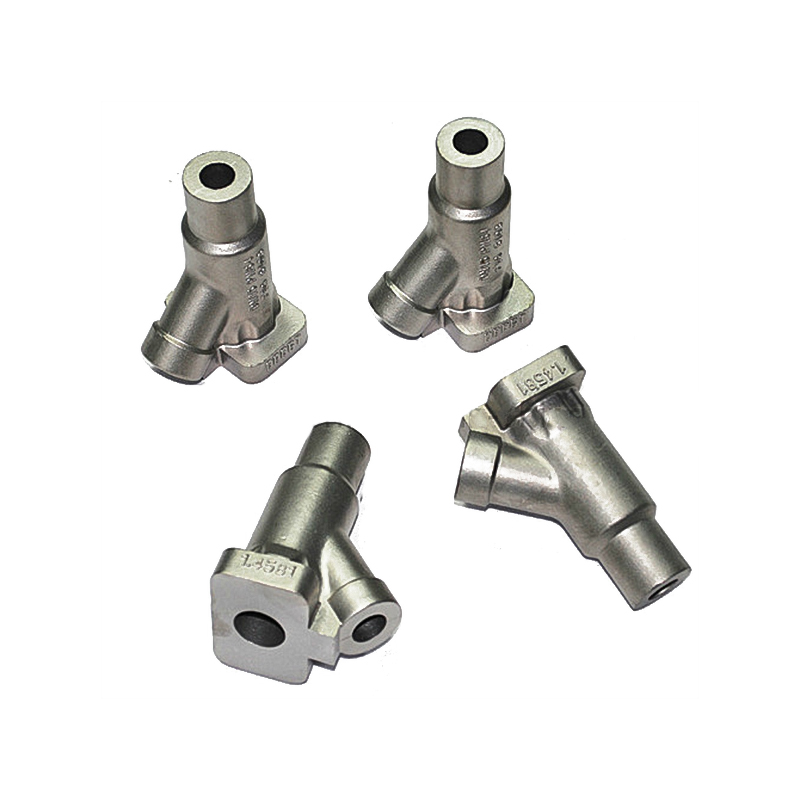
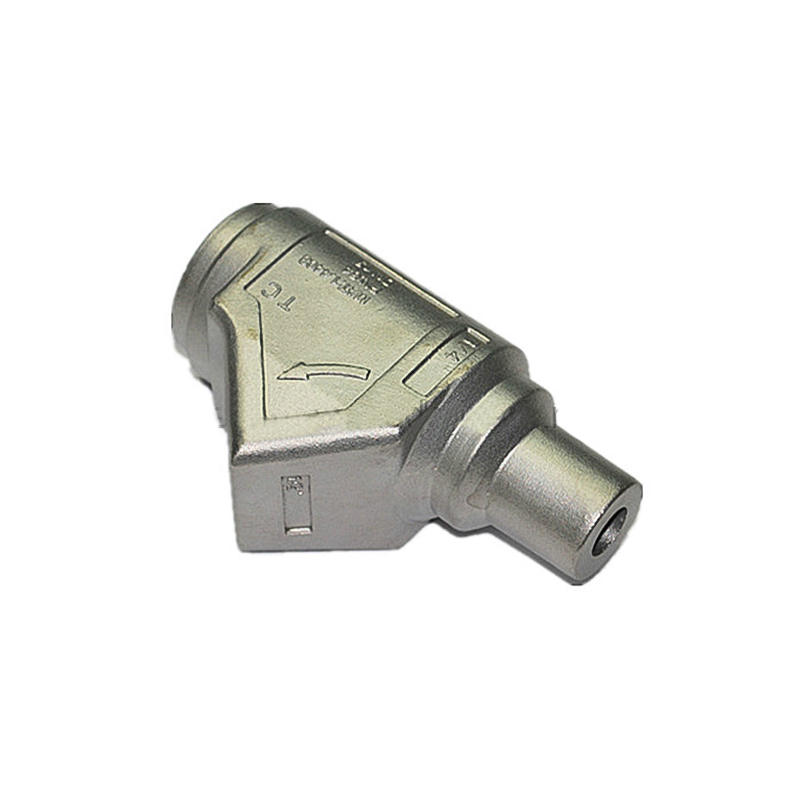
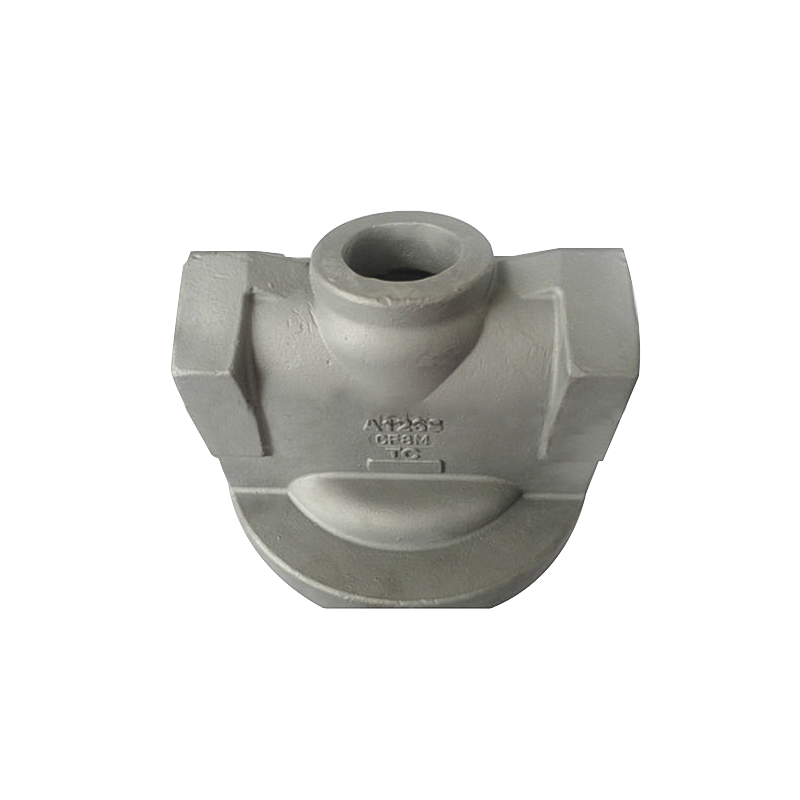
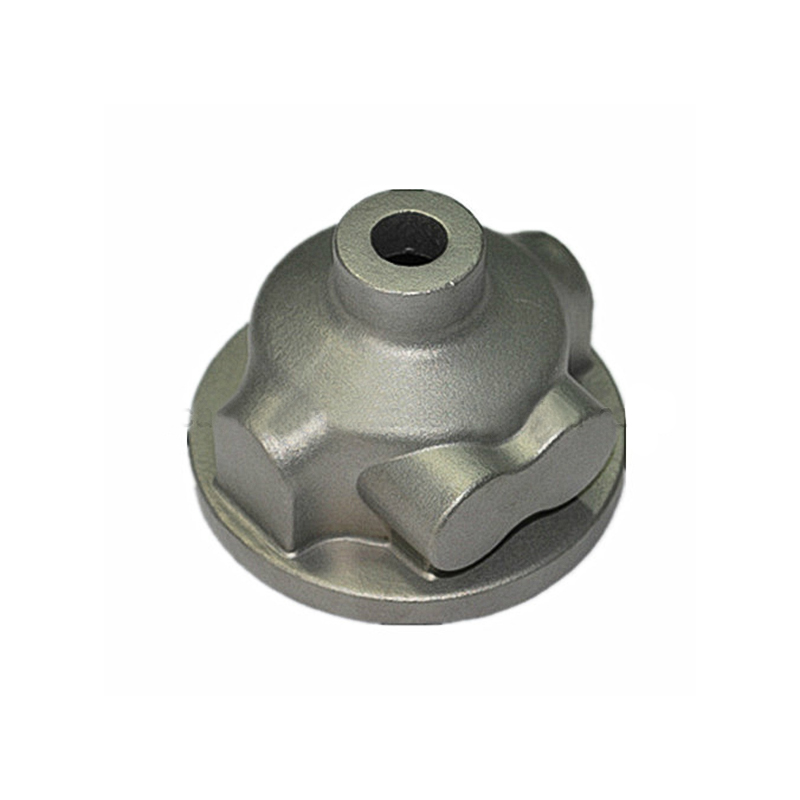
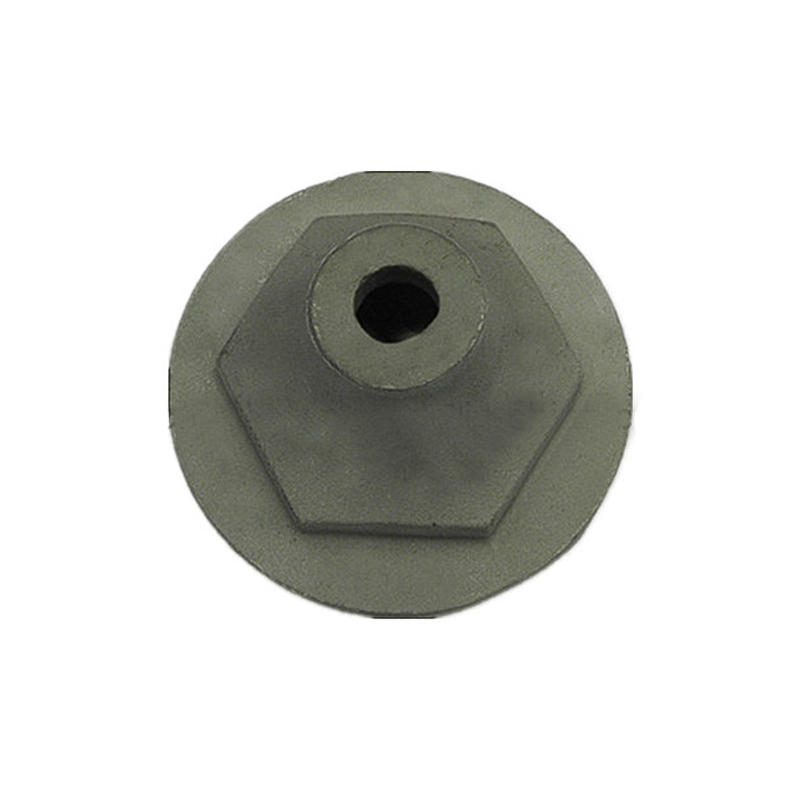
Selected Bearing Display

Contact Information
- Tel:+86-574-88067800/88067900
- Fax:+86-574-88067400
- Phone:+86-13967874638
- E-Mail:master@nbyifei.com
Products Links
Products Links
- Agricultural Machinery Casting Parts
- Auto Casting Parts
- Brass Die Casting Parts
- Casting Bucket Tooth And Accessory
- Container Casting Parts
- Investment Casting Parts
- Machinery Casting Parts
- Mining Machinery Casting Parts
- Railway And Train Casting Parts
- Sand Casting Parts
- Stamping & Forging Parts
- Valve Casting Parts
Contact Us
Copyright ©
Ningbo Hansheng Machinery Parts Co.,Ltd. All Rights Reserved
 Custom Die Castings Manufacturers
