

 English
 Deutsch
 简体中文
简体中文
Author: FTM
Date: Apr 01, 2026
Auto Casting Parts: Materials, Processes & Quality Guide
What Are Auto Casting Parts and Why Do They Matter?
Auto casting parts are automotive components manufactured by pouring molten metal into a mold, allowing it to solidify into a precise shape. Casting is one of the most widely used manufacturing methods in the automotive industry, accounting for approximately 15 to 20 percent of a vehicle's total weight in cast components. From engine blocks and transmission housings to brake calipers and steering knuckles, casting makes it possible to produce complex, high-strength geometries that would be impractical or prohibitively expensive to machine from solid stock.
The direct answer for engineers, buyers, and procurement teams: the right casting process and alloy combination determines part performance, cost, lead time, and repairability. Choosing incorrectly at the design stage is the leading cause of avoidable scrap, warranty claims, and cost overruns in automotive casting supply chains.
The Most Common Casting Processes Used in Automotive Manufacturing
Not all auto casting parts are made the same way. Each casting method has distinct trade-offs in dimensional accuracy, surface finish, tooling cost, and minimum wall thickness. Understanding these differences is essential for selecting the right process during part design.
Die Casting
Die casting forces molten metal into a steel die under high pressure, typically between 1,500 and 25,000 psi. It is the dominant process for high-volume aluminum and zinc automotive parts. Die casting delivers excellent dimensional consistency—tolerances of ±0.1 mm or better are achievable—and surface finishes that often require minimal post-processing. Tooling costs are high, ranging from $20,000 to $200,000+ per die, but per-part costs drop dramatically at volumes above 10,000 units. Typical die casting applications include transmission cases, engine oil pans, gearbox housings, and door handles.
Sand Casting
Sand casting uses a compacted sand mold formed around a pattern, which is destroyed after each pour. It is the most flexible casting method, accommodating virtually any alloy and part size with low tooling cost—patterns can cost as little as $500 to $5,000. Surface finish is rougher than die casting (typically Ra 6.3 to 25 μm), and tolerances are wider (±0.5 to 2 mm without machining). Sand casting dominates for low-volume production, prototype parts, and large components like engine blocks, cylinder heads, and differential housings where die tooling investment is unjustifiable.
Investment Casting (Lost-Wax Casting)
Investment casting creates a wax model of the part, coats it in ceramic slurry, melts out the wax, and pours metal into the ceramic shell. It produces some of the finest dimensional accuracy of any casting process—tolerances of ±0.1 to 0.25 mm—and exceptional surface detail. In automotive applications, investment casting is used for turbocharger housings, exhaust manifolds, fuel injector components, and safety-critical steering and suspension parts where surface integrity and dimensional precision are paramount.
Permanent Mold Casting (Gravity Die Casting)
Permanent mold casting uses reusable steel or iron molds filled by gravity rather than pressure. It bridges the gap between sand casting's flexibility and die casting's repeatability. Tolerances of ±0.25 to 0.5 mm are typical, with better mechanical properties than sand casting due to faster solidification. Common applications include aluminum pistons, wheel hubs, and intake manifolds in mid-volume production runs.
Low-Pressure Die Casting (LPDC)
LPDC fills the die from below using controlled low pressure (typically 0.1 to 0.5 bar), producing a denser, more uniform microstructure than gravity casting. It is increasingly preferred for structural automotive wheels, suspension components, and battery housings in electric vehicles where material integrity directly affects safety.
| Process | Typical Tolerance | Tooling Cost | Best Volume | Common Auto Applications |
|---|---|---|---|---|
| High-Pressure Die Casting | ±0.1 mm | $20K–$200K+ | 10,000+ | Transmission cases, oil pans |
| Sand Casting | ±0.5–2 mm | $500–$5K | 1–5,000 | Engine blocks, cylinder heads |
| Investment Casting | ±0.1–0.25 mm | $5K–$30K | 500–50,000 | Turbo housings, steering parts |
| Permanent Mold | ±0.25–0.5 mm | $5K–$50K | 1,000–30,000 | Pistons, wheel hubs |
| Low-Pressure Die Casting | ±0.2–0.4 mm | $15K–$80K | 5,000–100,000 | Wheels, EV battery housings |
Materials Used in Auto Casting Parts
Material selection for auto casting parts is driven by the balance between mechanical performance, weight targets, thermal requirements, and cost. The automotive industry relies on a core set of casting alloys, each suited to different structural and thermal demands.
Aluminum Alloys
Aluminum is the fastest-growing casting material in automotive manufacturing. Its density of 2.7 g/cm³—roughly one-third of steel—combined with good thermal conductivity and corrosion resistance makes it ideal for lightweighting. The most widely used alloys include A380 for die casting (good fluidity, dimensional stability), A356 for structural parts requiring heat treatment, and A319 for engine components. Aluminum casting now accounts for over 55 percent of all automotive casting weight in passenger vehicles produced in North America and Europe.
Gray Iron and Ductile Iron
Cast iron remains indispensable for high-load, high-wear applications. Gray iron offers excellent vibration damping and machinability—brake drums, engine blocks for heavy-duty applications, and flywheel housings are typical uses. Ductile (nodular) iron, with tensile strengths reaching 800 MPa or higher in austempered grades, is used for crankshafts, differential cases, suspension arms, and steering knuckles where impact resistance is critical.
Magnesium Alloys
At 1.74 g/cm³, magnesium is the lightest structural metal used in automotive casting. AZ91D is the most common die-cast magnesium alloy, used for instrument panel frames, steering column components, and transfer case housings. Magnesium casting adoption is growing in electric vehicles, where every kilogram saved directly extends battery range.
Zinc Alloys
Zinc alloys (Zamak series) die cast at lower temperatures than aluminum, extending die life significantly. They are used for smaller precision components—door lock mechanisms, bracket clips, fuel system parts, and decorative trim pieces—where dimensional precision and corrosion resistance matter more than weight.
Steel and Stainless Steel (Investment Cast)
Investment-cast steel and stainless steel serve high-temperature and high-stress applications. Exhaust manifolds, turbocharger housings, and high-performance brake components commonly use stainless investment castings that maintain structural integrity at temperatures exceeding 900°C.
Key Auto Casting Parts by Vehicle System
Understanding which systems rely most heavily on casting helps procurement teams, designers, and quality engineers focus their efforts on the highest-impact areas.
Powertrain Casting Parts
- Engine block: The largest and most structurally critical casting in the powertrain. Gray iron or aluminum alloy (A319, A356), sand or permanent mold cast. Tolerances on cylinder bore dimensions are typically held to ±0.01 mm after finish machining.
- Cylinder head: Aluminum alloy, sand or low-pressure die cast. Houses combustion chambers, coolant passages, and valve seats. Porosity in cylinder head castings is a leading cause of head gasket failure.
- Crankshaft: Ductile iron or forged steel. Cast crankshafts dominate passenger car engines; forged steel is reserved for high-performance and diesel applications.
- Transmission housing and valve body: Aluminum die casting. Dimensional accuracy is critical for gear alignment and seal integrity.
- Oil pump housing and timing cover: Aluminum die casting, high-volume production parts requiring smooth internal surfaces for fluid dynamics.
Chassis and Suspension Casting Parts
- Steering knuckle: Ductile iron or aluminum, investment or sand cast. Connects the wheel hub to the suspension; subject to complex multi-directional loads.
- Control arms: Ductile iron or aluminum, increasingly produced in aluminum die casting for weight reduction. Must pass stringent fatigue testing—typically 1 million cycles minimum under simulated road loads.
- Differential housing: Ductile iron or aluminum, sand or permanent mold cast. Encloses the ring and pinion gears; alignment accuracy directly affects gear noise and longevity.
- Brake caliper: Gray iron (economy) or aluminum alloy (performance). Must withstand repeated thermal cycling from ambient to 300°C+ without dimensional distortion.
- Wheel hub and bearing carrier: Ductile iron or aluminum, permanent mold or low-pressure die cast. Mounting face flatness is critical—runout exceeding 0.05 mm causes brake pedal pulsation.
Electric Vehicle-Specific Casting Parts
- Battery enclosure and tray: Aluminum die casting or extrusion-based assemblies. Must provide structural protection, thermal management channels, and electromagnetic shielding.
- Electric motor housing: Aluminum die casting. Integrated cooling channels are cast directly into the housing wall, eliminating separate cooling jacket components.
- Giga casting / mega casting structural nodes: Tesla's pioneering use of single-piece rear underbody castings—replacing over 70 individual stamped and welded parts—has driven industry-wide adoption of very large-format die casting in EVs.
Quality Standards and Inspection Methods for Auto Casting Parts
Quality control in auto casting parts is non-negotiable—a single defective casting in a safety-critical application can result in recalls, liability exposure, and loss of OEM supplier status. The automotive casting industry operates under a layered quality framework that spans material qualification, in-process control, and final part validation.
Industry Standards That Apply
- IATF 16949: The automotive-specific quality management system standard required by virtually all major OEMs. It builds on ISO 9001 with automotive-specific requirements for process control, supplier management, and defect prevention.
- ASTM B85 / B108 / A536: Alloy-specific standards for aluminum die castings, permanent mold aluminum castings, and ductile iron castings respectively, governing chemical composition and mechanical property minimums.
- PPAP (Production Part Approval Process): The automotive industry's formal part qualification process. Suppliers must submit dimension reports, material certifications, process capability studies (Cpk ≥ 1.67 for critical dimensions), and sample parts before production approval is granted.
- FMEA (Failure Mode and Effects Analysis): Required for all casting process designs to identify and mitigate potential failure modes before production launch.
Common Defects and How They Are Detected
- Porosity (gas and shrinkage): The most common casting defect. Detected by X-ray radiography or CT scanning. Porosity levels above specified limits weaken pressure-tight components like cylinder heads and transmission housings.
- Cold shuts and misruns: Caused by insufficient metal temperature or flow rate. Visible on surface inspection or revealed by dye penetrant testing.
- Hot tears and cracks: Occur during solidification in restrained sections. Detected by magnetic particle inspection (iron castings) or fluorescent penetrant inspection (aluminum).
- Dimensional deviation: Measured using CMM (Coordinate Measuring Machines) against 3D CAD nominal data. Statistical process control (SPC) tracks dimensional trends in real time during production.
- Inclusions: Foreign material embedded in the casting. Identified via metallographic cross-section analysis or industrial CT scanning.
Post-Casting Operations That Define Final Part Performance
A raw casting is rarely the finished part. Most auto casting parts require a sequence of secondary operations before they meet engineering specifications. These operations account for a significant portion of total part cost—often 30 to 60 percent of the finished part price for precision powertrain components.
- Heat treatment: Aluminum castings for structural applications (T5, T6 temper) are solution heat-treated and artificially aged to achieve target tensile strength and hardness. T6 treatment of A356 aluminum, for example, increases tensile strength from approximately 160 MPa (as-cast) to 260 MPa or higher.
- CNC machining: Critical bores, mating faces, threaded holes, and sealing surfaces are machined to tolerances that casting alone cannot achieve. A die-cast aluminum engine oil pan, for example, may require facing of the gasket surface to a flatness of 0.05 mm or less.
- Shot blasting and surface cleaning: Removes mold release agents, surface oxides, and flash. Improves adhesion for subsequent coating operations and reveals surface defects for inspection.
- Pressure testing: Coolant passages in engine and transmission castings are pressure-tested with air or water to verify leak-free integrity before assembly. Test pressures typically range from 2 to 6 bar depending on the application.
- Impregnation: Vacuum-pressure impregnation (VPI) with anaerobic resin seals microporosity in pressure-critical castings without affecting external dimensions—a cost-effective alternative to scrapping marginally porous parts.
- Surface coating: Anodizing (aluminum), electroless nickel plating, or paint coating protects against corrosion and wear. Brake caliper castings are typically coated to survive 1,000-hour salt spray testing per OEM specifications.
Design for Castability: Engineering Principles That Reduce Cost and Defects
The most expensive casting problems are designed in before the mold is ever cut. Up to 70 percent of casting defects can be traced to design decisions made at the part engineering stage. Applying design for castability (DFC) principles from the start eliminates rework, reduces scrap rate, and accelerates tooling approval.
- Uniform wall thickness: Abrupt changes in wall thickness create differential cooling rates that cause shrinkage porosity and hot tears. Transitions should be gradual—a ratio of no more than 2:1 between adjacent wall sections is a common guideline.
- Draft angles: All surfaces parallel to the die draw direction require draft—typically 1 to 3 degrees for external surfaces and 2 to 5 degrees for internal cores—to allow ejection without tearing the casting surface.
- Ribs instead of mass: Structural stiffness should be achieved through ribbing patterns rather than increasing wall thickness. This reduces weight, cycle time, and the risk of shrinkage in heavy sections.
- Generous fillets and radii: Sharp internal corners concentrate stress and create turbulence in metal flow. A minimum fillet radius of 1.5 mm for die casting and 3 mm for sand casting is standard practice.
- Parting line placement: The parting line location determines die complexity, flash location, and ejector pin placement. Placing the parting line at the largest cross-section minimizes undercuts and simplifies tooling.
- Simulation before tooling: Mold flow simulation software (Magmasoft, ProCAST, FLOW-3D) predicts fill patterns, solidification sequence, and porosity risk before any metal is poured. Simulation-driven design typically reduces tooling revision cycles by 30 to 50 percent.
Sourcing Auto Casting Parts: What to Evaluate in a Supplier
Selecting a casting supplier is one of the most consequential supply chain decisions in automotive manufacturing. A low quoted price that masks weak process capability, inadequate quality systems, or thin capacity buffer will cost far more in disruptions than was saved at contract signing. Evaluate potential casting suppliers on these criteria:
- IATF 16949 certification: A baseline requirement for Tier 1 and Tier 2 automotive suppliers. Verify certificate validity and the scope of certification to ensure it covers the relevant casting process and alloy.
- In-house tooling capability: Suppliers who design and maintain their own tooling respond faster to engineering changes and have tighter control over tool wear—a major driver of dimensional drift in high-volume casting production.
- Metallurgical laboratory: Spectrographic analysis of melt chemistry, tensile bar testing, and metallographic examination should be performed in-house, not outsourced. On-site lab capability enables real-time process correction.
- X-ray and CT inspection capability: Non-destructive testing for internal porosity is increasingly required by OEMs for safety-critical castings. Confirm the supplier's NDT equipment matches the sensitivity requirements of your part specification.
- Scrap and PPM history: Request documented defective parts per million (PPM) data from existing automotive customers. World-class casting suppliers maintain PPM rates below 50 ppm for high-volume production parts.
- Capacity and lead time transparency: Confirm available machine capacity against your volume requirements and establish contractual lead times for tooling changes and production ramp. A supplier operating above 85 percent machine utilization carries meaningful delivery risk.
Trends Shaping the Future of Auto Casting Parts
The automotive casting industry is undergoing its most significant structural shift in decades, driven by electrification, lightweighting mandates, and manufacturing digitization. Engineers and procurement professionals who anticipate these trends will be better positioned to make durable sourcing and design decisions.
- Giga casting expansion: Following Tesla's lead, Toyota, Volvo, and others are adopting single-piece large-format die castings for underbody and structural nodes. Die casting machines exceeding 9,000 tonnes of clamping force are now in commercial production use, replacing assemblies of 70 to 100 parts with a single casting.
- Aluminum and magnesium substitution for iron: Fleet CO₂ regulations in Europe (95 g/km) and CAFE standards in North America are driving continued substitution of iron castings with aluminum and magnesium equivalents across powertrain and chassis systems.
- Semi-solid and thixocasting: Processing aluminum in a semi-solid (slurry) state reduces porosity and enables thinner walls than conventional die casting—particularly valuable for EV structural components where both strength and weight are critical.
- 3D-printed sand cores and patterns: Additive manufacturing of sand cores eliminates core box tooling entirely for low-volume and prototype castings, cutting lead times from weeks to days and enabling internal geometries impossible with conventional core making.
- Digital twin and AI-driven process control: Real-time sensor data from die casting machines, combined with machine learning models trained on historical defect data, is enabling predictive adjustment of shot velocity, die temperature, and cooling parameters to maintain quality without manual intervention.
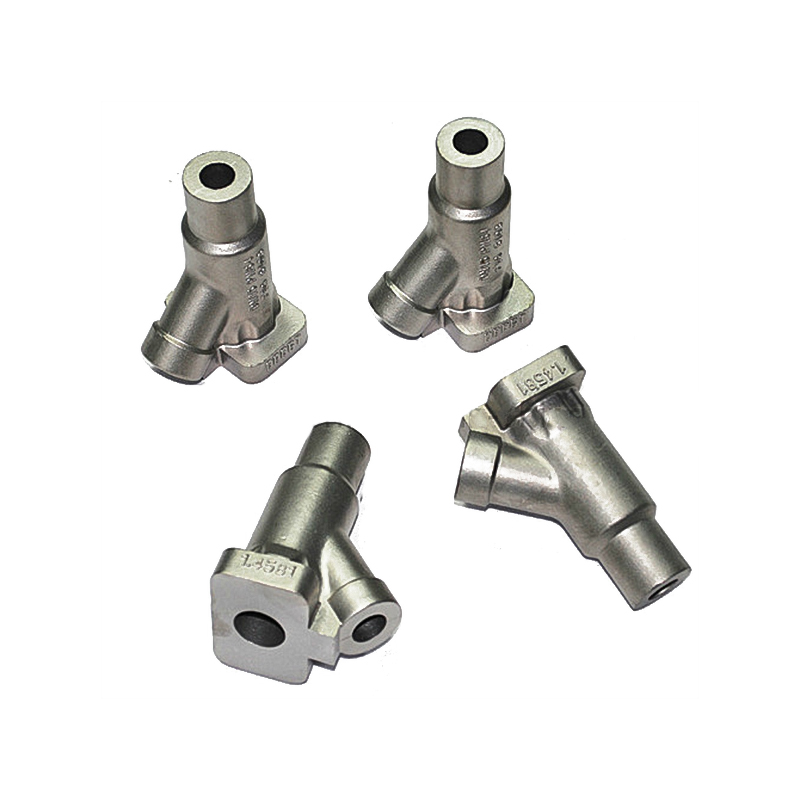
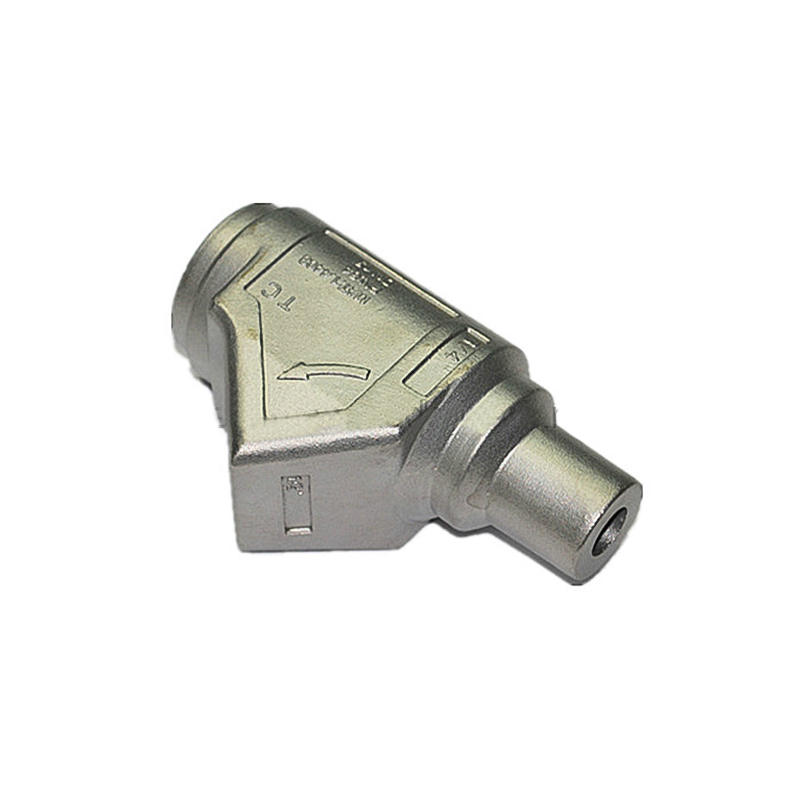
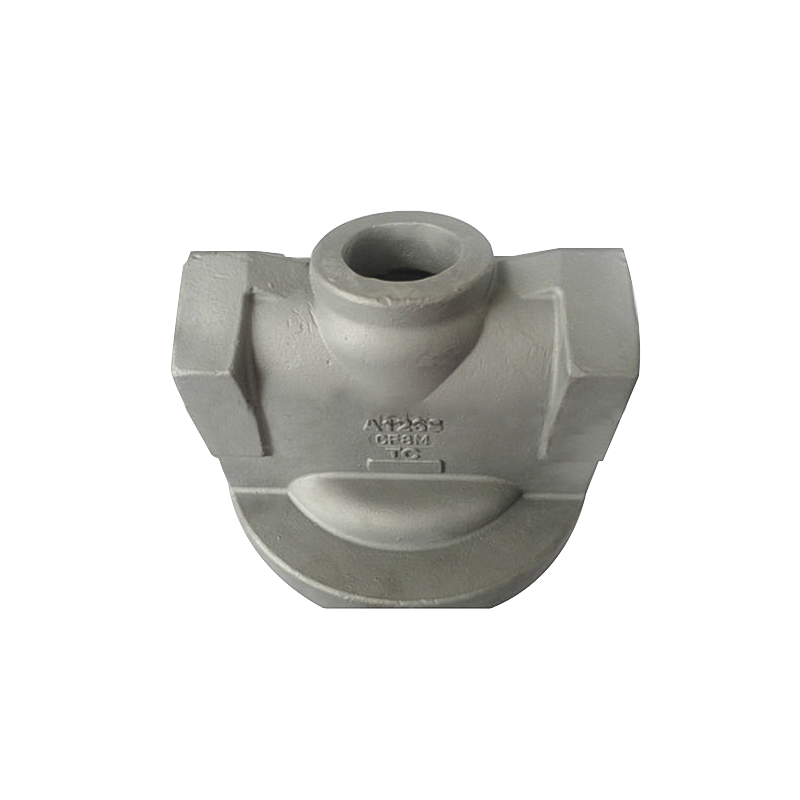
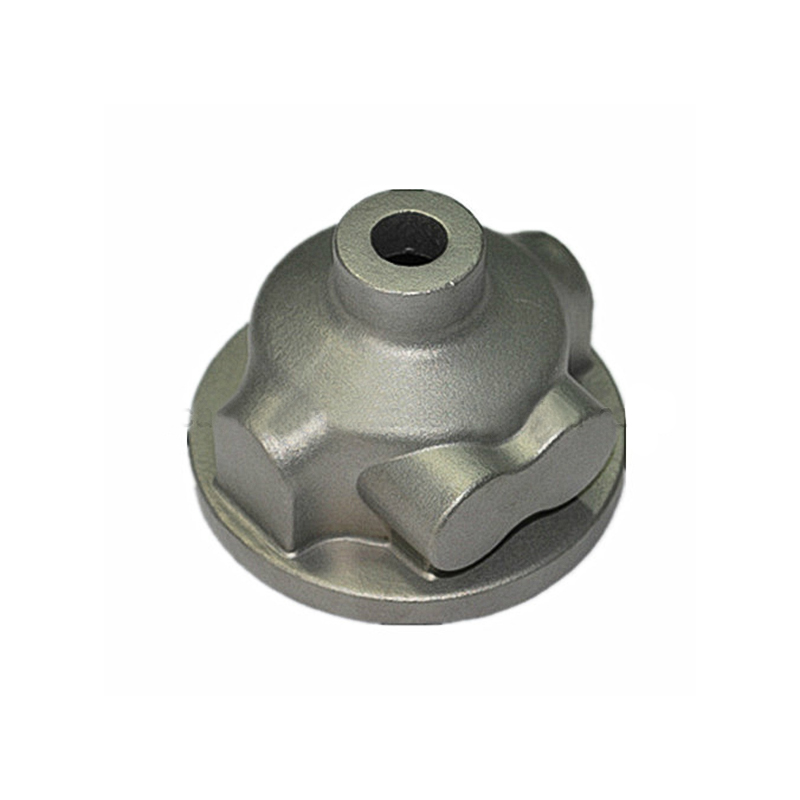
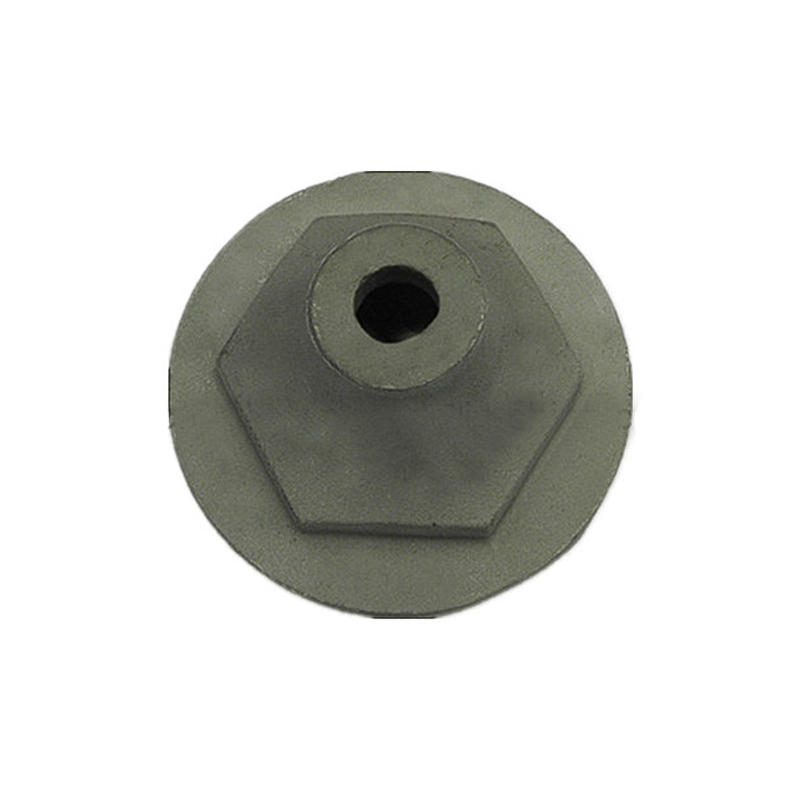
Selected Bearing Display

Contact Information
- Tel:+86-574-88067800/88067900
- Fax:+86-574-88067400
- Phone:+86-13967874638
- E-Mail:master@nbyifei.com
Products Links
Products Links
- Agricultural Machinery Casting Parts
- Auto Casting Parts
- Brass Die Casting Parts
- Casting Bucket Tooth And Accessory
- Container Casting Parts
- Investment Casting Parts
- Machinery Casting Parts
- Mining Machinery Casting Parts
- Railway And Train Casting Parts
- Sand Casting Parts
- Stamping & Forging Parts
- Valve Casting Parts
Contact Us
Copyright ©
Ningbo Hansheng Machinery Parts Co.,Ltd. All Rights Reserved
 Custom Die Castings Manufacturers
