

 English
 Deutsch
 简体中文
简体中文
Author: FTM
Date: Mar 25, 2026
Investment Casting: Process, Parts & Industrial Applications
Investment casting is a precision manufacturing process that uses a wax pattern coated in ceramic to produce complex metal parts with tight tolerances — typically ±0.1 mm — and excellent surface finishes. It is one of the oldest metalworking techniques still in active industrial use, and today it serves aerospace, medical, automotive, and energy sectors where accuracy and repeatability are non-negotiable.
What Is Investment Casting?
Investment casting — also called lost-wax casting — works by creating an expendable wax model of the desired part, surrounding it with a ceramic shell, melting the wax out, and then pouring molten metal into the cavity left behind. Once the metal solidifies, the ceramic is broken away to reveal the final part.
The term "investment" refers to the ceramic material that encases or "invests" the wax pattern. Unlike sand casting or die casting, investment casting can reproduce fine details, thin walls (as thin as 0.75 mm), and undercuts without the need for draft angles.
Step-by-Step: How the Investment Casting Process Works
- Wax pattern creation: Wax is injected into an aluminum die to form a precise replica of the final part.
- Assembly: Multiple wax patterns are attached to a central wax sprue (runner system), forming a "tree."
- Shell building: The wax assembly is dipped repeatedly into ceramic slurry and coated with fine sand. Typically 5–7 layers are applied over several days.
- Dewaxing: The ceramic shell is placed in an autoclave or flash-fire furnace at temperatures between 150–175°C, melting and draining the wax.
- Preheating and pouring: The shell is heated to approximately 1000°C to prevent thermal shock, then molten metal is poured in.
- Shell removal: After cooling, the ceramic is removed by vibration, water blasting, or mechanical knockout.
- Finishing: Parts are cut from the sprue, ground, heat-treated, and inspected to drawing specifications.
Materials Used in Investment Casting
Investment casting supports a wide range of alloys. The process is especially advantageous for materials that are difficult to machine or forge. Common materials include:
| Material | Typical Pouring Temp (°C) | Common Applications |
|---|---|---|
| Stainless Steel (316L) | 1,370–1,510 | Valves, pumps, food equipment |
| Inconel 718 | 1,320–1,430 | Jet engine turbine blades |
| Titanium (Ti-6Al-4V) | 1,650–1,700 | Medical implants, aerospace brackets |
| Aluminum Alloys | 680–760 | Automotive housings, consumer electronics |
| Cobalt-Chrome | 1,350–1,450 | Dental prosthetics, surgical tools |
| Carbon Steel | 1,425–1,540 | Gears, levers, structural parts |
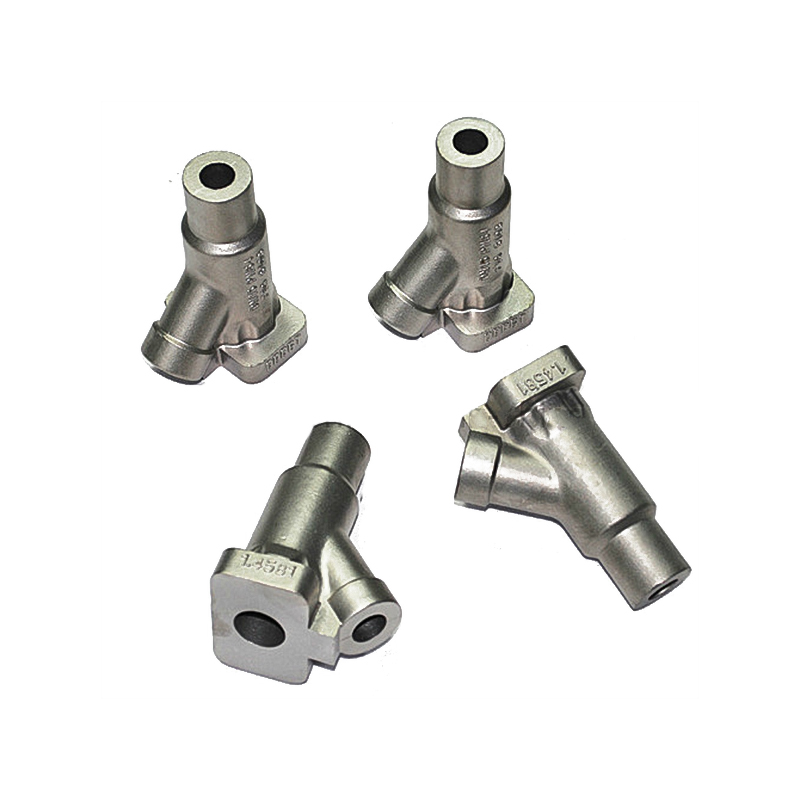
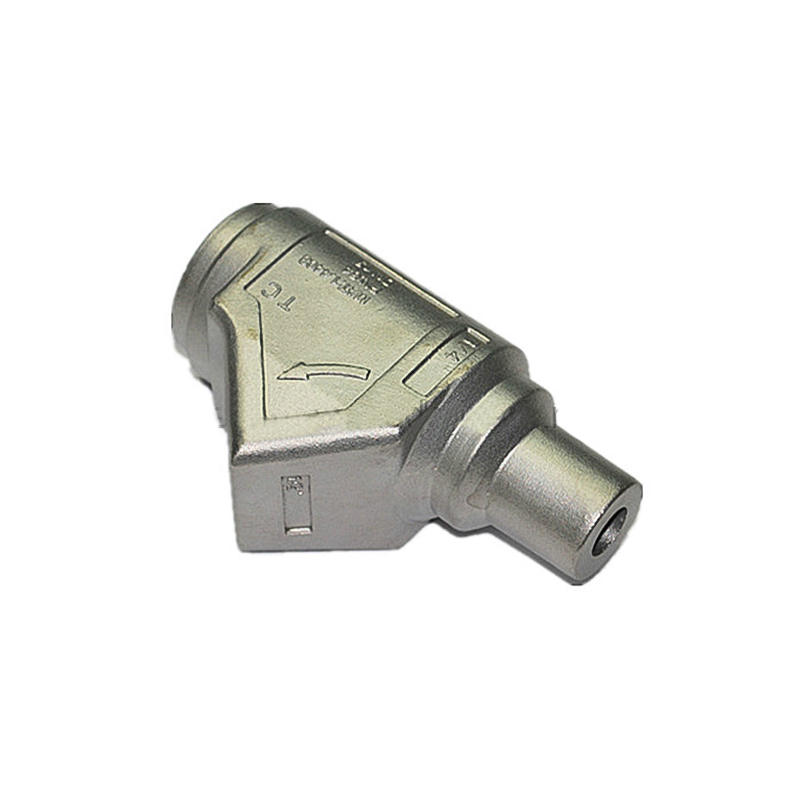
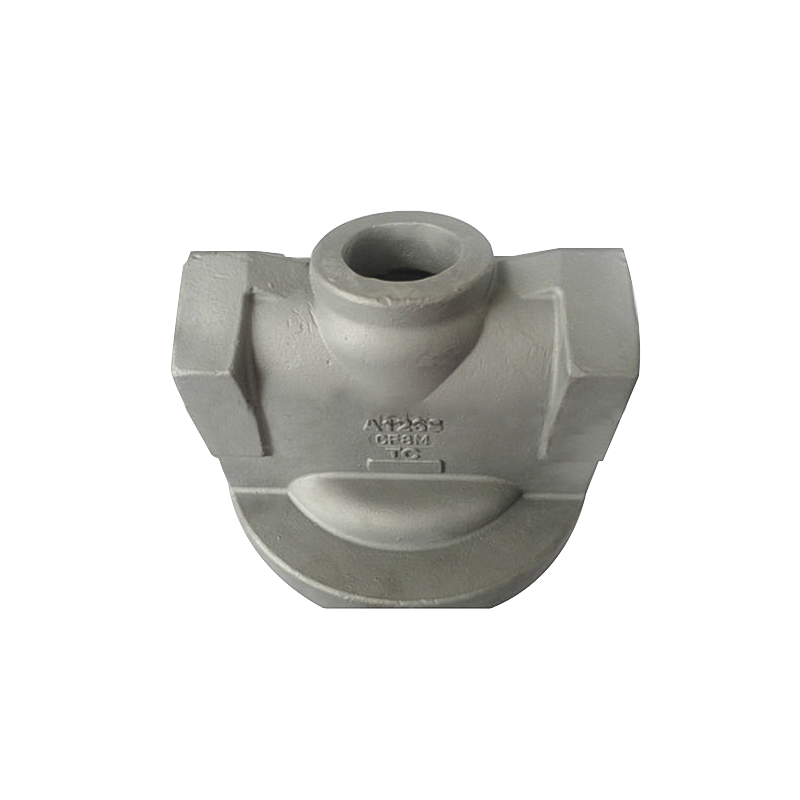
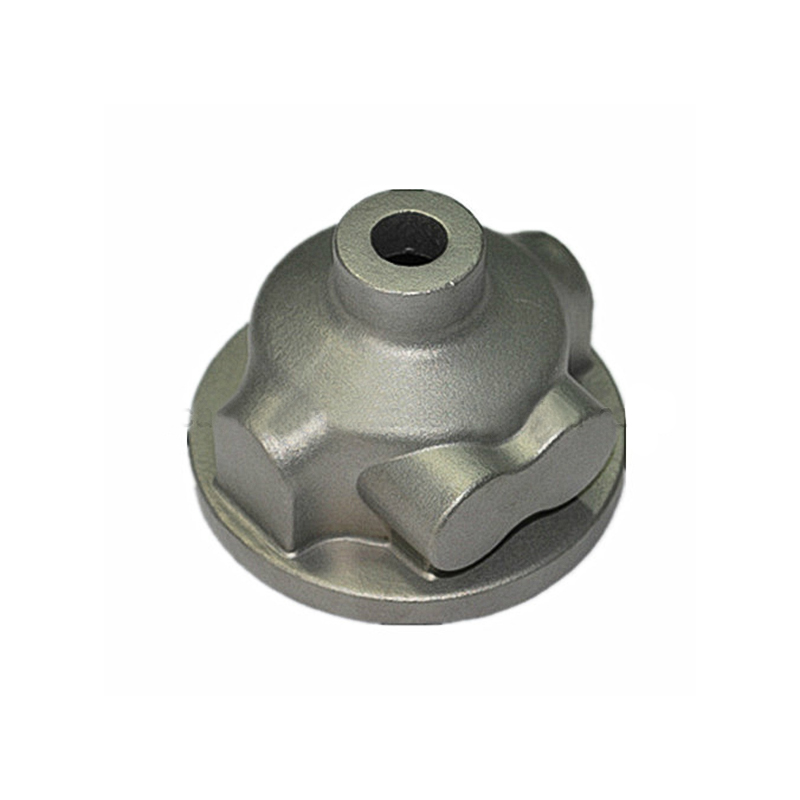
What Parts Are Made with Investment Casting?
Investment casting parts span an enormous range of complexity and scale — from a 2-gram surgical clip to a 150-kilogram structural airframe bracket. The defining characteristic is that these parts require geometric complexity, precise dimensions, or surface quality that other methods cannot economically achieve.
Aerospace Investment Casting Parts
Aerospace is the highest-volume, most demanding application of investment casting. Typical parts include:
- Turbine blades and vanes (single-crystal casting for high-temperature resistance)
- Combustion chamber components
- Structural airframe brackets and fittings
- Fuel system nozzles and manifolds
A single GE90 jet engine, for example, contains over 100 investment-cast superalloy turbine blades, each operating at temperatures exceeding 1,500°C.
Medical and Dental Investment Casting Parts
The biocompatibility of materials like titanium and cobalt-chrome, combined with investment casting's precision, makes it the dominant method for producing:
- Orthopedic implants (hip stems, knee components)
- Dental crowns, bridges, and frameworks
- Surgical instrument handles and forceps
- Spinal fusion cages and bone plates
Automotive Investment Casting Parts
Although high-volume automotive production often favors die casting, investment casting is used where geometry or alloy requirements justify the cost:
- Turbocharger wheels and housings
- Rocker arms and camshaft components
- Throttle bodies and intake manifold inserts
- Steering and suspension knuckles (performance vehicles)
Industrial and Energy Sector Parts
- Pump impellers and housings for oil and gas
- Valve bodies and gate valves (ASME-rated pressure service)
- Wind turbine pitch control components
- Nuclear reactor hardware requiring low porosity
Key Advantages of Investment Casting Over Competing Processes
| Attribute | Investment Casting | Sand Casting | Die Casting |
|---|---|---|---|
| Dimensional Tolerance | ±0.1 mm | ±0.5–1.0 mm | ±0.05–0.1 mm |
| Surface Finish (Ra) | 1.6–3.2 µm | 6.3–25 µm | 0.8–1.6 µm |
| Alloy Compatibility | Very broad | Broad | Limited (low-melting) |
| Geometric Complexity | Very high | Moderate | High |
| Tooling Cost | Medium | Low | High |
| Ideal Volume | Low–medium | Low–medium | High |
Limitations and Cost Considerations
Investment casting is not universally the best choice. Its primary constraints include:
- Higher per-part cost at low volumes compared to machining simple geometries from bar stock.
- Size limitations: Most foundries handle parts up to 30–50 kg; very large parts are better suited to sand casting.
- Lead time: Tooling for a new wax die typically takes 3–6 weeks, longer than machined prototypes.
- Porosity risk: Improper shell firing or metal pouring can introduce subsurface voids that compromise structural integrity — requiring X-ray or CT inspection.
For high-complexity parts in small-to-medium volumes — typically 50 to 10,000 units per year — investment casting delivers the best balance of quality, material freedom, and total cost.
Quality Standards and Inspection for Investment Cast Parts
Investment casting parts in critical industries must meet specific standards. Common governing specifications include:
- ASTM A732 – Steel investment castings for general use
- AMS 2175 – Castings classification and inspection for aerospace
- ISO 8062-3 – Dimensional tolerances for cast metals
- NADCAP accreditation – Required for aerospace and defense casting suppliers
Inspection methods routinely used include coordinate measuring machine (CMM) verification, dye penetrant testing (PT), radiographic inspection (X-ray or CT scanning), and mechanical testing per material specification.
When to Choose Investment Casting for Your Parts
Investment casting is the right choice when your part meets most of these criteria:
- The geometry includes internal passages, thin walls, or undercuts that are impractical to machine
- The alloy is a superalloy, stainless steel, or reactive metal like titanium
- Surface finish requirements are in the range of Ra 1.6–6.3 µm without secondary grinding
- Annual volume is between 100 and several thousand pieces
- Near-net shape is needed to minimize expensive machining of hard alloys
When these conditions align, investment casting typically reduces total part cost by 20–40% compared to machining from solid billet, while delivering superior structural integrity through an uninterrupted grain structure.
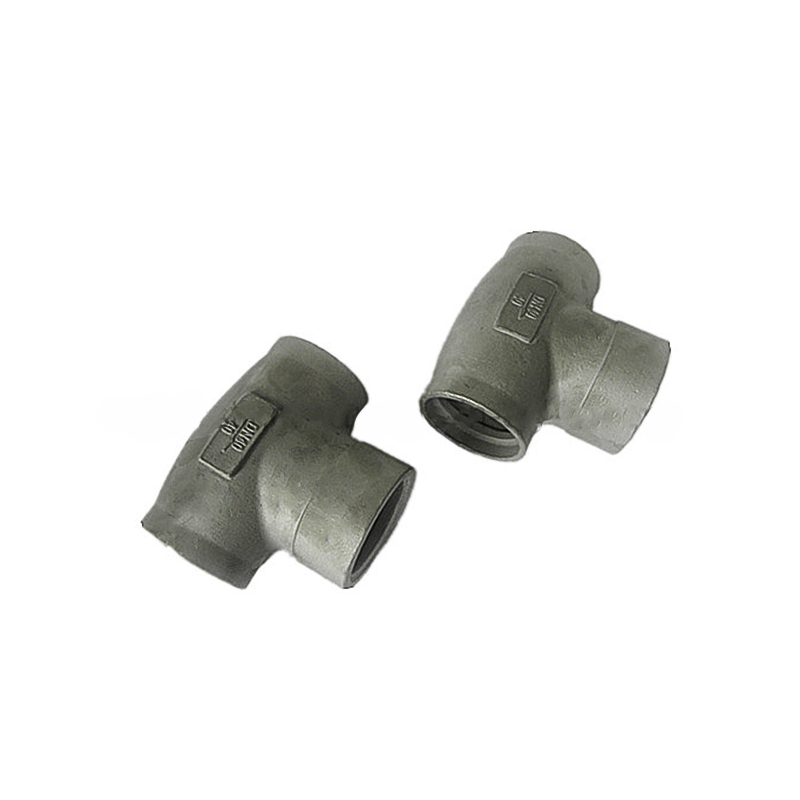
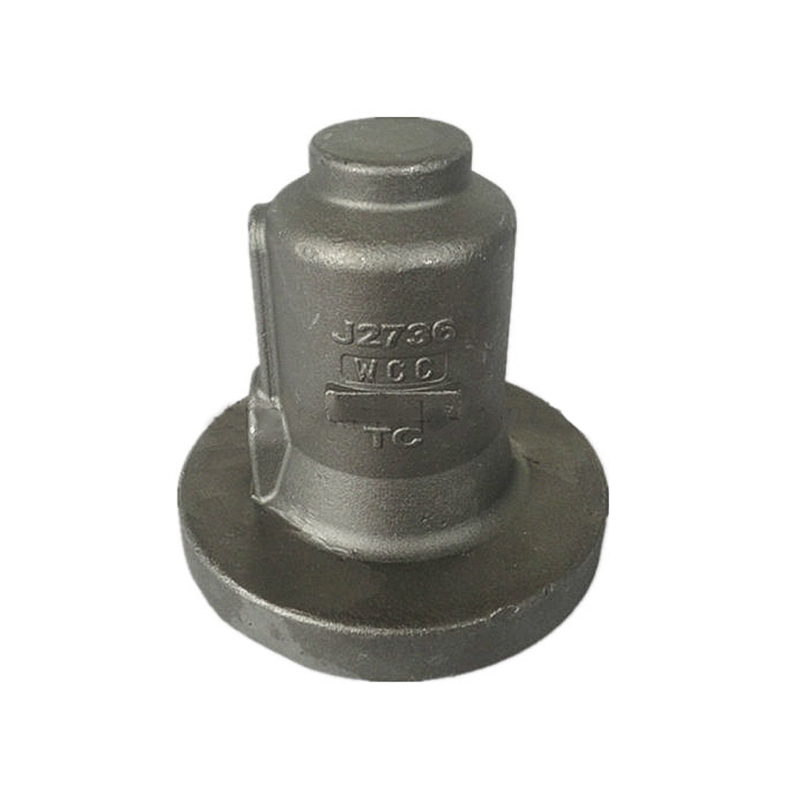
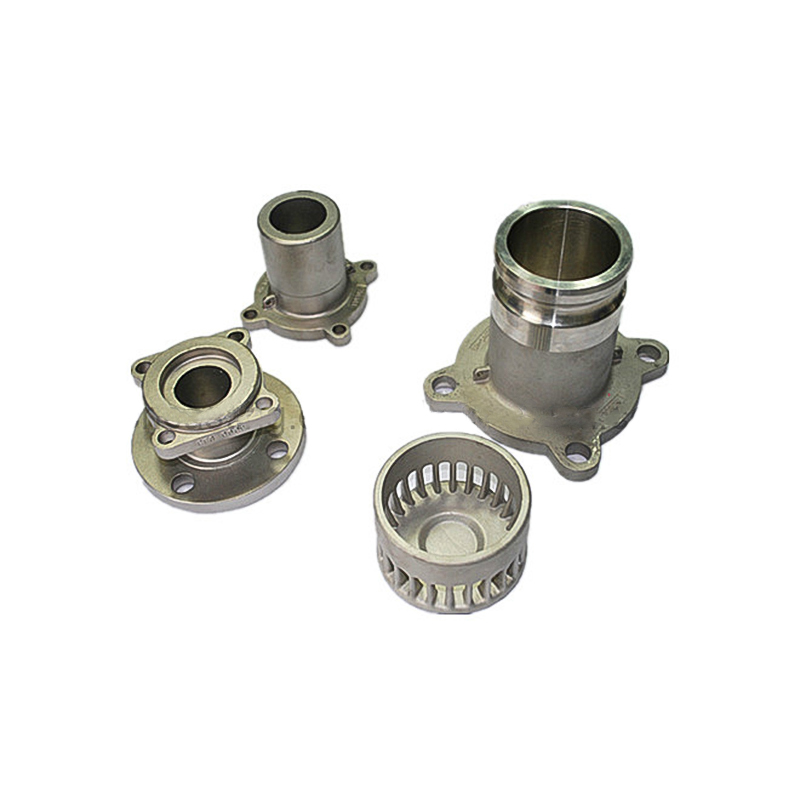
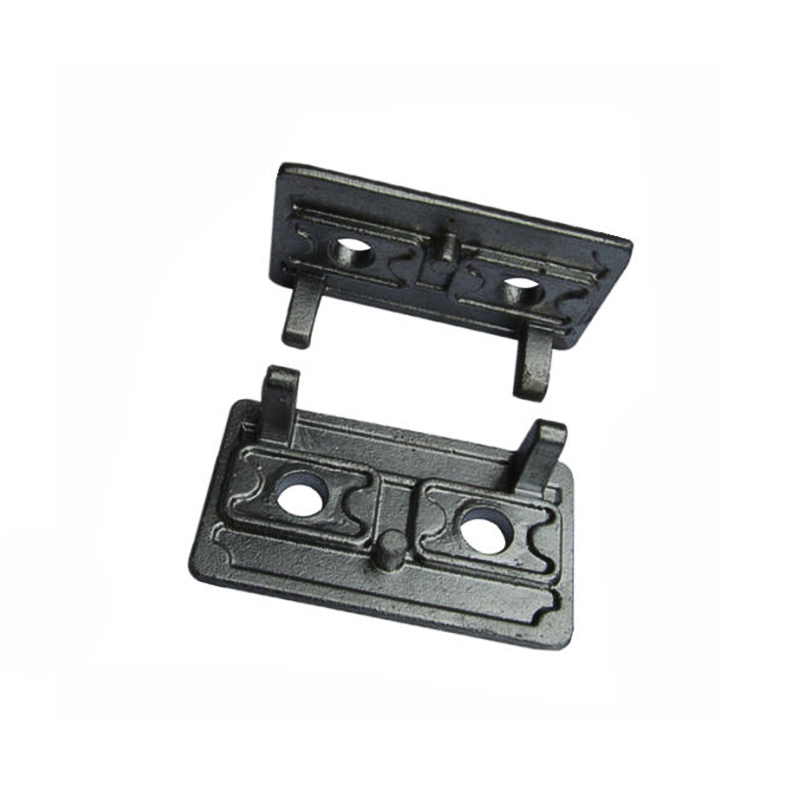
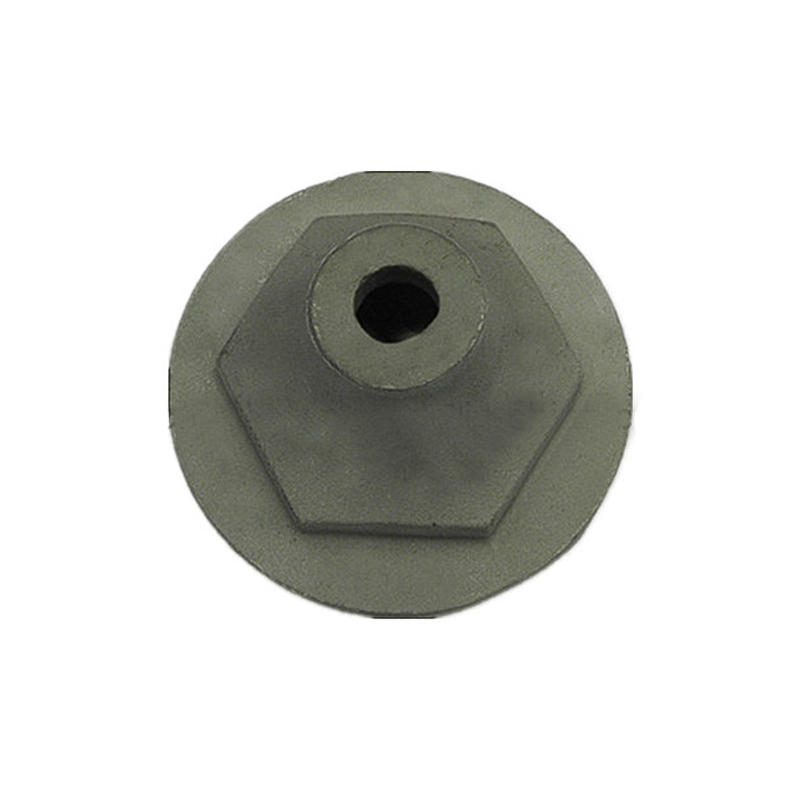
Selected Bearing Display

Contact Information
- Tel:+86-574-88067800/88067900
- Fax:+86-574-88067400
- Phone:+86-13967874638
- E-Mail:master@nbyifei.com
Products Links
Products Links
- Agricultural Machinery Casting Parts
- Auto Casting Parts
- Brass Die Casting Parts
- Casting Bucket Tooth And Accessory
- Container Casting Parts
- Investment Casting Parts
- Machinery Casting Parts
- Mining Machinery Casting Parts
- Railway And Train Casting Parts
- Sand Casting Parts
- Stamping & Forging Parts
- Valve Casting Parts
Contact Us
Copyright ©
Ningbo Hansheng Machinery Parts Co.,Ltd. All Rights Reserved
 Custom Die Castings Manufacturers
