

 English
 Deutsch
 简体中文
简体中文
Author: FTM
Date: Mar 18, 2026
Sand Casting: Process, Parts & Complete Guide
Sand casting is one of the oldest and most widely used metal casting processes in the world. It uses a sand-based mold to shape molten metal into complex parts, accounting for over 70% of all metal castings produced globally. Whether you're manufacturing automotive engine blocks, industrial pump housings, or artistic sculptures, sand casting offers a cost-effective, scalable solution for producing both simple and intricate geometries across a wide range of metals.
This article covers everything you need to know: what sand casting is, how the process works step by step, what parts it can produce, and when it's the right choice for your manufacturing needs.
What Is Sand Casting?
Sand casting, also called sand molded casting, is a metal casting process in which molten metal is poured into a mold cavity formed within a compacted sand mixture. Once the metal solidifies and cools, the sand mold is broken away to reveal the finished casting. The process is repeated for each new part, making it ideal for both one-off prototypes and large production runs.
The process dates back more than 5,000 years and remains the backbone of modern foundry operations. According to the American Foundry Society, approximately 90% of all metal castings are produced via some form of the sand casting method.
Key Advantages at a Glance
- Can cast virtually any metal alloy — iron, steel, aluminum, copper, brass, magnesium
- Low tooling costs compared to die casting or investment casting
- Capable of producing parts ranging from a few grams to over 300 tonnes
- Suitable for complex internal geometries using sand cores
- Short lead times for prototype development
The Sand Casting Process: Step by Step
Understanding the sand casting process is essential for engineers and buyers alike. Each stage directly affects the dimensional accuracy, surface finish, and mechanical properties of the final part. Here is a detailed breakdown:
Step 1 — Pattern Making
A pattern is a replica of the part to be cast, typically made from wood, plastic, aluminum, or resin. Patterns are made slightly larger than the final part to account for metal shrinkage (typically 1–2% for aluminum, up to 2.5% for cast iron) during solidification. Patterns also include draft angles — usually 1° to 3° — to allow clean removal from the sand mold.
Step 2 — Mold Preparation
The mold consists of two halves: the cope (upper half) and the drag (lower half), contained within a rigid frame called a flask. Sand is packed tightly around the pattern. The most common molding sand is silica sand mixed with a binder — either clay and water (green sand) or chemical resin (no-bake sand). Green sand molds are the fastest to produce and account for the majority of sand castings. No-bake molds offer superior dimensional accuracy for larger, more complex parts.
Step 3 — Core Making (If Required)
For parts with internal cavities or undercuts — such as engine blocks with water jackets or valve bodies — sand cores are made separately and placed inside the mold cavity before closing. Cores must be strong enough to withstand the force of molten metal yet permeable enough to allow gases to escape and weak enough to be broken out after casting.
Step 4 — Mold Assembly and Gating System Design
The cope and drag are assembled and locked together. A gating system — comprising the pouring cup, sprue, runners, and gates — is designed to control the flow of molten metal into the mold cavity. A well-designed gating system minimizes turbulence, reduces porosity, and ensures complete fill. Risers (feeders) are also added to compensate for shrinkage as the metal solidifies.
Step 5 — Pouring
Molten metal is poured into the mold at a precisely controlled temperature. Pouring temperature varies by alloy: for example, aluminum alloys are typically poured between 680°C and 780°C, while gray cast iron is poured between 1,300°C and 1,450°C. Correct temperature is critical — too hot causes excessive shrinkage and gas defects; too cold results in misruns and cold shuts.
Step 6 — Cooling and Solidification
The metal solidifies within the sand mold. Cooling time depends on part size, wall thickness, and alloy type. A small aluminum bracket may solidify in minutes, while a large iron counterweight may take several hours. Controlled cooling helps minimize residual stresses and warping.
Step 7 — Shakeout and Cleaning
Once cooled, the sand mold is broken apart — a process called shakeout. The casting is then cleaned to remove residual sand, gates, runners, and risers. Cleaning methods include shot blasting, sandblasting, grinding, and machining. Sand recovered from shakeout can often be reclaimed and reused, reducing waste and cost.
Step 8 — Inspection and Finishing
Castings undergo dimensional inspection, visual checks, and non-destructive testing (such as X-ray, ultrasonic, or dye-penetrant testing) to detect internal defects. Secondary operations such as heat treatment, CNC machining, drilling, and surface coating may be applied to meet final specifications.
Types of Sand Used in Sand Casting
The choice of molding sand significantly impacts surface finish, dimensional tolerance, and casting defect rates. The four primary types are compared below:
| Sand Type | Binder | Surface Finish | Best For | Relative Cost |
|---|---|---|---|---|
| Green Sand | Clay + Water | Moderate (Ra 6–25 µm) | High-volume, ferrous parts | Low |
| No-Bake (Resin Sand) | Chemical resin | Good (Ra 3–12 µm) | Large, complex parts | Medium |
| Shell Sand | Phenolic resin | Very good (Ra 1–3 µm) | Precision small-medium parts | Medium-High |
| Sodium Silicate | CO₂-hardened silicate | Moderate | Cores and medium parts | Low-Medium |
Common Sand Casting Parts Across Industries
Sand casting parts span an extraordinary range of sizes, complexities, and applications. The process is the preferred choice wherever large-volume, heavy, or geometrically complex metal parts are required at competitive cost. Below are the most important application areas:
Automotive and Transportation
The automotive industry is the single largest consumer of sand castings. Approximately 200 kg of castings are used in a typical passenger vehicle. Common sand casting parts in this sector include:
- Engine blocks and cylinder heads (gray iron, aluminum alloys)
- Transmission housings and differential cases
- Brake calipers, drums, and rotors
- Suspension components and knuckles
- Intake manifolds and exhaust manifolds
Industrial Machinery and Equipment
Heavy equipment manufacturers rely on sand casting for large structural components that require high strength and wear resistance. Typical parts include:
- Pump housings and impellers
- Valve bodies and flanges (iron, stainless steel, bronze)
- Gearbox housings and bearing caps
- Machine tool bases and frames (sometimes exceeding 10 tonnes)
- Compressor and turbine casings
Aerospace and Defense
While aerospace often uses investment casting for high-precision thin-walled parts, sand casting is chosen for larger, less dimensionally critical structural components such as aircraft ground support equipment housings, large radar frames, and military vehicle structural brackets. Aluminum and magnesium alloys dominate in this sector due to their high strength-to-weight ratio.
Oil, Gas, and Marine
The oil and gas industry uses sand cast parts extensively for valves, pipeline fittings, pump components, and wellhead equipment. Marine applications include propellers — some exceeding 9 meters in diameter and cast from nickel-aluminum bronze — as well as anchor windlass housings and ship hull fittings.
Construction and Infrastructure
Sand castings are ubiquitous in construction infrastructure: manhole covers, drainage grates, lamp post bases, bridge bearings, and architectural iron ornamental work all rely on this process. Gray iron is the dominant material due to its low cost, compressive strength, and excellent vibration damping.
Sand Casting Tolerances and Surface Finish: What to Expect
Sand casting is not a precision process by default, but modern foundry techniques have significantly narrowed tolerance ranges. Understanding these benchmarks is essential when designing parts or evaluating suppliers.
| Metal | Dimensional Tolerance (mm) | Surface Roughness Ra (µm) | Min. Wall Thickness (mm) |
|---|---|---|---|
| Gray Cast Iron | ±0.8 – ±1.5 | 6 – 25 | 3 – 5 |
| Aluminum Alloys | ±0.5 – ±1.0 | 5 – 15 | 3 – 4 |
| Steel | ±1.0 – ±2.0 | 10 – 25 | 5 – 8 |
| Copper / Bronze | ±0.8 – ±1.5 | 6 – 20 | 3 – 5 |
Where tighter tolerances are required, secondary CNC machining is applied to critical surfaces. It is standard practice to design sand castings with machining stock allowances — typically 1.5 mm to 5 mm — on surfaces that require precise dimensions or fine finishes.
Sand Casting vs. Other Casting Processes
Choosing the right casting process requires balancing part complexity, quantity, material, tolerances, and budget. Here is how sand casting compares to its main alternatives:
| Process | Tooling Cost | Unit Cost (High Vol.) | Tolerance | Surface Finish | Max Part Size |
|---|---|---|---|---|---|
| Sand Casting | Low | Medium | Moderate | Moderate | 300+ tonnes |
| Die Casting | Very High | Low | High | Excellent | ~50 kg |
| Investment Casting | Medium | High | Very High | Excellent | ~150 kg |
| Permanent Mold | Medium-High | Medium | Good | Good | ~300 kg |
Sand casting wins decisively on part size flexibility and low tooling cost, making it the best choice for prototypes, low-to-medium production volumes, and very large parts. For high-volume small parts requiring superior surface finish, die casting or investment casting may be preferred.
Common Defects in Sand Casting and How to Prevent Them
Sand casting defects can lead to costly scrap, rework, or field failures. Understanding their root causes allows engineers and foundry teams to take proactive action:
- Porosity — Gas or shrinkage voids within the casting. Prevented by optimizing gating systems, using degassing treatments for aluminum, and controlling pouring temperature.
- Sand Inclusions — Sand particles embedded in the casting surface. Reduced by using well-bonded sand, applying mold washes, and careful mold handling.
- Cold Shuts — Incomplete fusion of two metal streams. Prevented by ensuring adequate pouring temperature and correct runner design.
- Misrun — Metal solidifies before filling the mold. Resolved by increasing pouring temperature or improving gating flow rates.
- Hot Tears / Hot Cracking — Cracks forming during solidification due to constrained thermal contraction. Mitigated by redesigning the part to reduce stress concentration and adjusting cooling rates.
- Flash — Thin fins of metal at the mold parting line. Controlled by clamping the mold halves firmly and ensuring good mold fit.
Industry data suggests that defect rates in well-controlled green sand foundries average 2–5%, while poorly managed operations may see rejection rates exceeding 15%. Simulation software such as MAGMASOFT or ProCAST is now widely used to optimize gating and riser design before any metal is poured.
Designing Parts for Sand Casting: Key Guidelines
Good castability begins at the design stage. Applying these design for manufacturing (DFM) principles ensures fewer defects, lower costs, and shorter lead times:
- Uniform wall thickness — Avoid abrupt section changes; transition gradually to minimize shrinkage and hot spots. Target wall thickness uniformity within 2:1 ratio.
- Draft angles — Add 1°–3° taper on all vertical walls to allow pattern withdrawal without damaging the mold.
- Fillet radii — Use generous internal radii (minimum 3 mm) at corners to prevent stress concentration and sand erosion.
- Parting line placement — Design the part so the parting line is at its widest cross-section to simplify mold construction and minimize cores.
- Avoid isolated thick sections — These create hot spots prone to shrinkage porosity. Use coring to remove material from unnecessarily thick regions.
- Machining stock — Add 2–5 mm of extra material on surfaces requiring secondary machining to final tolerance.
Conclusion: Is Sand Casting Right for Your Project?
Sand casting remains the most versatile and accessible metal casting process available today. If your project requires large or heavy parts, low tooling investment, design flexibility, or the ability to cast a wide range of alloys, sand casting is very likely the right process.
It is the ideal choice for prototype development, low-to-medium production volumes (1 to ~50,000 parts per year depending on part size), and any application where part size exceeds the practical limits of competing processes. When tighter tolerances or smoother surfaces are needed, sand cast blanks are routinely finish-machined to achieve final specifications efficiently and economically.
By understanding the sand casting process in depth — from pattern design through mold preparation, pouring, and inspection — engineers and procurement teams can make better decisions, communicate more effectively with foundry partners, and ultimately achieve higher-quality, lower-cost parts.
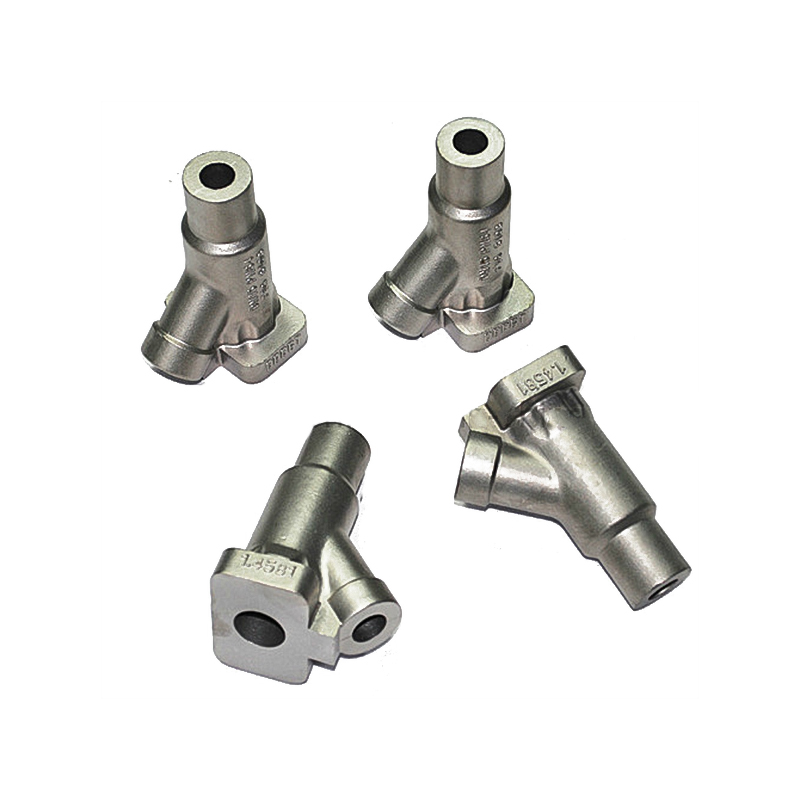
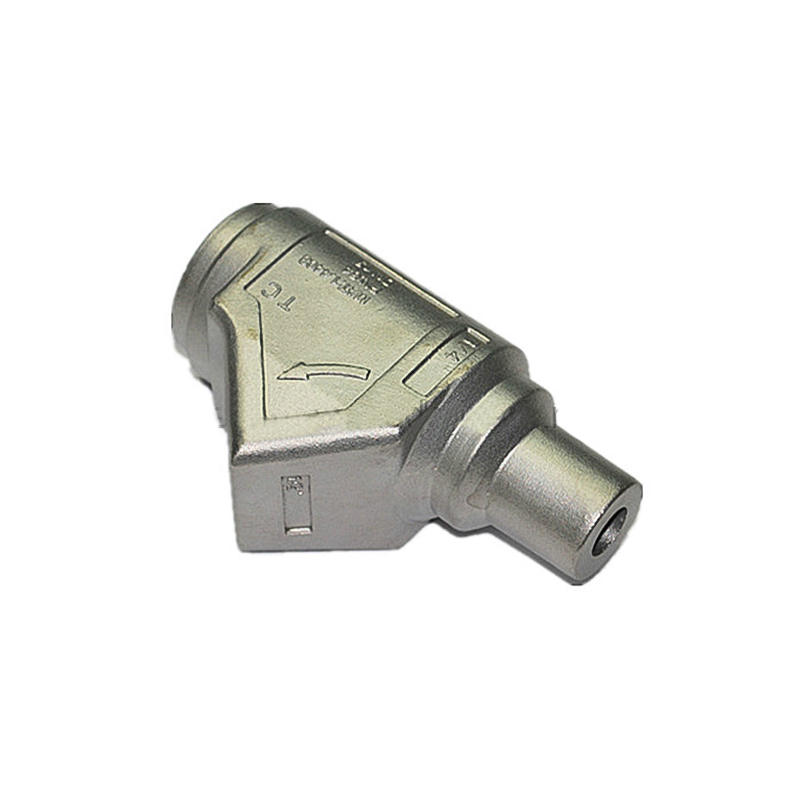
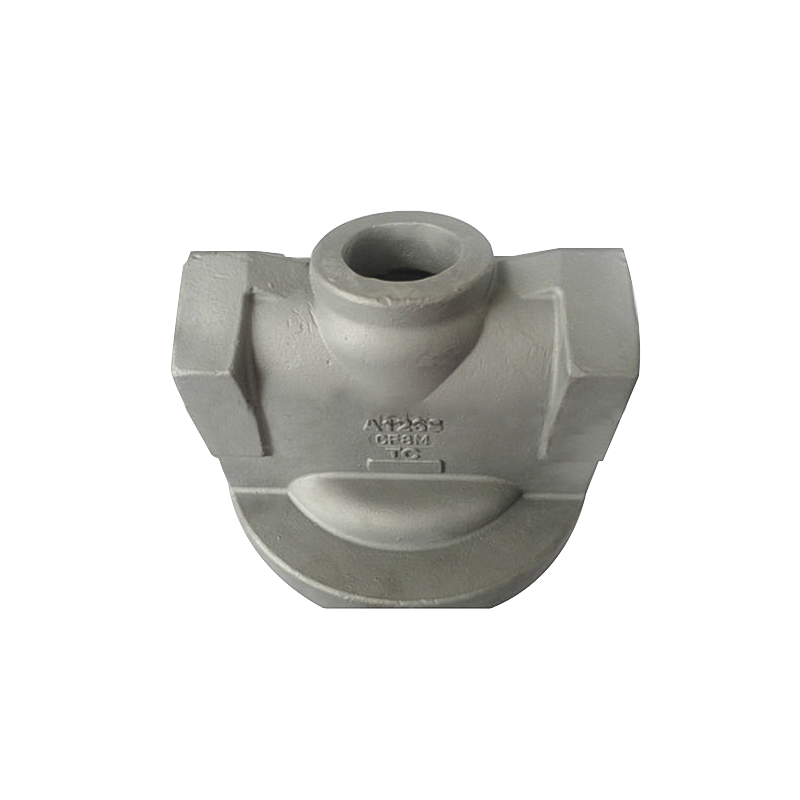
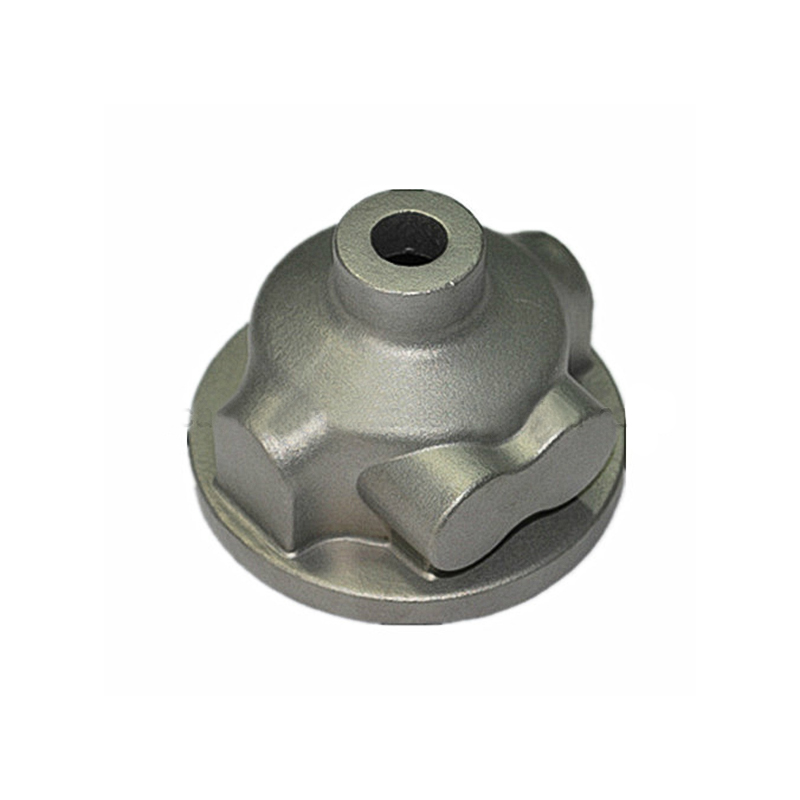
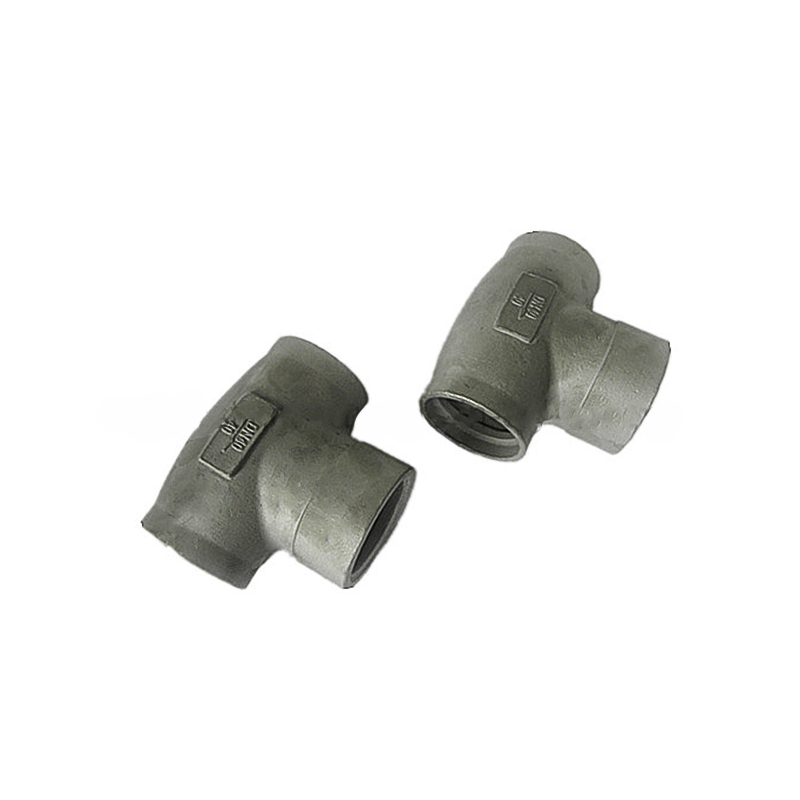
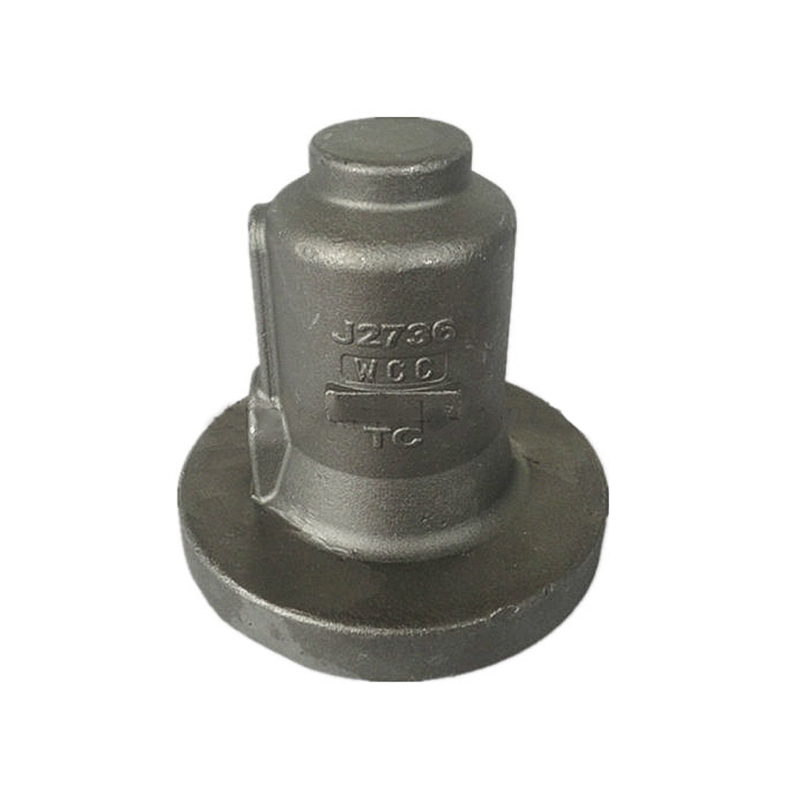
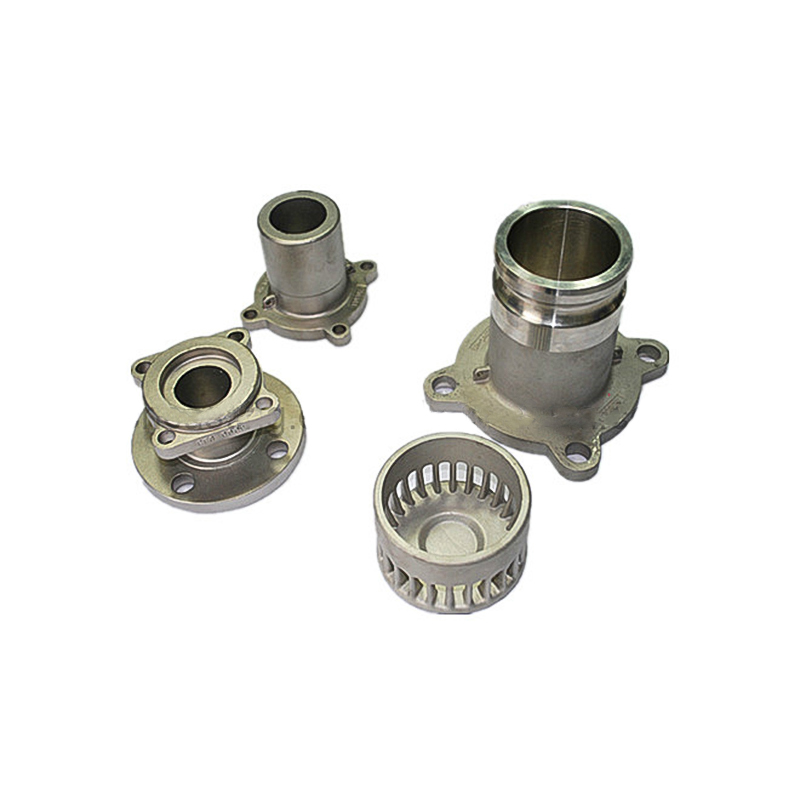
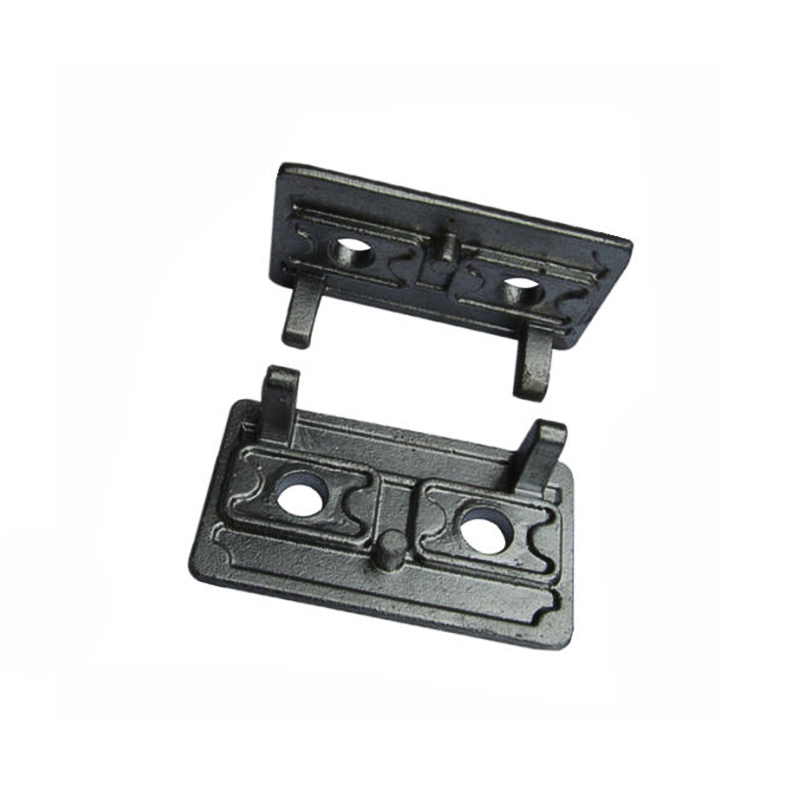
Selected Bearing Display

Contact Information
- Tel:+86-574-88067800/88067900
- Fax:+86-574-88067400
- Phone:+86-13967874638
- E-Mail:master@nbyifei.com
Products Links
Products Links
- Agricultural Machinery Casting Parts
- Auto Casting Parts
- Brass Die Casting Parts
- Casting Bucket Tooth And Accessory
- Container Casting Parts
- Investment Casting Parts
- Machinery Casting Parts
- Mining Machinery Casting Parts
- Railway And Train Casting Parts
- Sand Casting Parts
- Stamping & Forging Parts
- Valve Casting Parts
Contact Us
Copyright ©
Ningbo Hansheng Machinery Parts Co.,Ltd. All Rights Reserved
 Custom Die Castings Manufacturers
