

 English
 Deutsch
 简体中文
简体中文
Author: FTM
Date: Oct 07, 2026
Bronze vs Brass: Key Differences Explained by a Metal Parts Manufacturer
At Ningbo Hansheng Machinery Parts, material questions come to us every day. One of the most common is the difference between bronze and brass. Both are copper alloys, both are ancient materials, and both still shape modern industry. Yet they are not interchangeable. The distinction matters in casting, in machining, in service life, and in cost. This guide explains those differences from the perspective of a parts manufacturer that works with both alloy families every week.
What Are Brass and Bronze?
Brass is a copper-zinc alloy. Most commercial brasses contain between 5% and 45% zinc, and the ratio can be tuned to suit the application. Low-zinc brasses are softer and more ductile, while high-zinc brasses become stronger and harder. A small addition of lead improves machinability; some brasses include aluminum or tin to boost corrosion resistance in specific environments.
Bronze is classically copper-tin, with tin content usually between 3% and 12%. Modern engineering bronzes often replace tin with aluminum, silicon, or phosphorus. Aluminum bronze, for instance, combines strength with outstanding marine corrosion resistance. Phosphor bronze offers springiness and fatigue endurance. Silicon bronze is valued for weldability in architectural and marine hardware. If you see terms like "phosphor bronze," "aluminum bronze," or "silicon bronze," you are dealing with copper-based alloys that behave differently from ordinary tin bronze.
Key Differences at a Glance
The table below collects the most important practical differences. It reflects what we observe on the shop floor and in field performance reports from customers.
| Property | Brass | Bronze |
|---|---|---|
| Primary alloying element | Zinc | Tin, aluminum, or silicon |
| Typical color | Bright gold to yellow | Reddish brown to dark copper |
| Melting point | Approximately 900°C | Approximately 950°C or higher |
| Density | 8.4–8.7 g/cm³ | 8.7–8.9 g/cm³ |
| Hardness and malleability | Softer, more formable | Harder, less formable |
| Wear resistance | Moderate | High; excellent for sliding contact |
| Corrosion resistance | Good in freshwater and atmospheric exposure | Excellent in seawater and aggressive media |
| Machinability | Excellent | Good, with faster tool wear |
| Relative cost | Lower | Higher |
The melting point difference is modest numerically but significant in practice. Brass's lower casting temperature reduces energy cost, extends die life, and produces sharp, well-defined edges in die casting. Bronze's higher melting point requires different mold materials and cooling strategies, and components often need additional machining because of surface scale.
How to Tell Brass and Bronze Apart
Color alone separates the two in most cases. Brass has a bright, sunlit gold appearance. Bronze is deeper and warmer, with a brown or reddish tone that darkens further with age. If a part has developed a patina, the oxide layer also gives clues: brass tends to form a pale green surface film, while bronze develops a darker green-brown layer.
Weight helps as well. Bronze is denser than brass, so for two parts with identical geometry, the bronze version feels heavier in the hand. This is not a precise test, but it is a useful quick check on the factory floor. A more reliable check is to file a small corner. The fresh metal underneath will show the characteristic yellow of brass or the red-brown of bronze.
Where Brass Excels
Brass shines where formability, fine detail, and production economy matter. Its lower melting point and excellent flow characteristics make it the preferred alloy for die casting. Complex cavity details, thin ribs, and logos that would be difficult to machine are produced cleanly in a single shot. After casting, brass can be polished, brushed, plated, or lacquered to achieve a wide range of decorative finishes.
Plumbing fittings, valves, compression rings, and terminal blocks are made from brass in enormous quantities. The alloy also serves well in architectural hardware, locks, doorknobs, and small precision gears. Because brass does not spark when struck, it is used in tools for potentially explosive atmospheres. It is also an established material for electrical terminals and connectors, thanks to its combination of conductivity, elasticity, and ease of forming.
For decorative brass parts, the die-casting route produces details that would be expensive to achieve by machining alone. Our die-cast grass dolphin, for example, captures organic curves in volume at a reasonable cost.
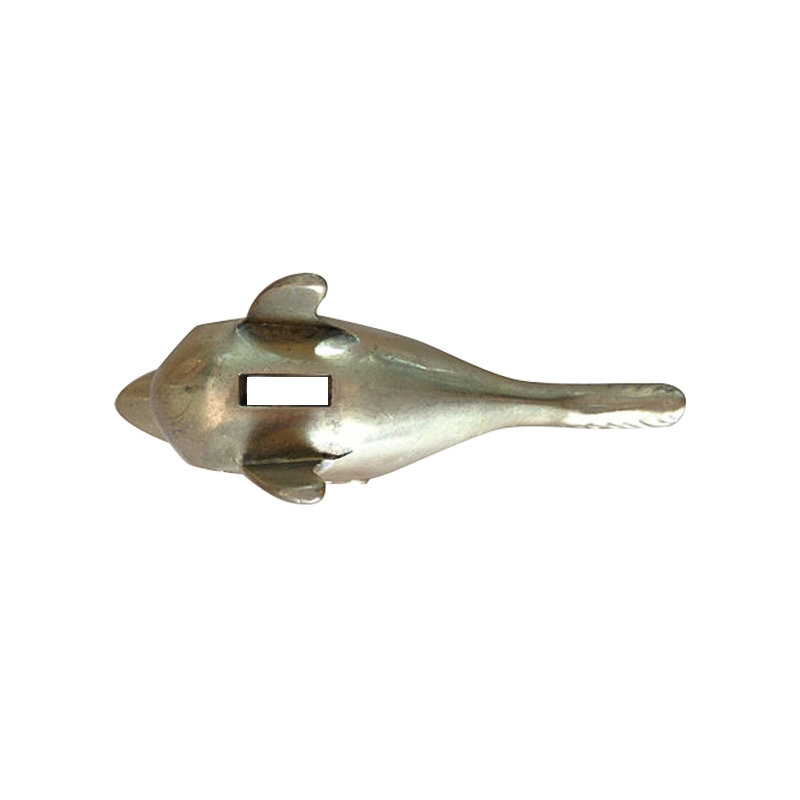 Die-Cast Brass Grass Dolphin Decorative Garden OrnamentThis die-cast brass dolphin captures organic curves in volume at a reasonable cost, ideal for decorative brass parts where intricate detail is more economical than machining.View Product →
Where Bronze Excels
Bronze is the alloy engineers specify when conditions become demanding. Its hardness and low friction against steel make it a classic material for bearings, bushings, and wear pads. Worm gears and sliding mechanisms benefit from bronze's ability to run against hardened steel without galling. Under heavy loads and oscillating motion, bronze keeps its lubrication film and resists surface fatigue.
Marine hardware is another stronghold. Propeller shafts, rudder fittings, and underwater fasteners survive decades in salt water when machined from aluminum bronze or phosphor bronze. Bronze valve and pump components resist corrosion and wear simultaneously. In mining, lifting, and gas handling, bronze tools reduce the risk of ignition in flammable atmospheres, and heavy bronze wear parts extend the interval between maintenance stops.
Because bronze is harder, it demands more from cutting tools and mold materials. But that hardness translates into durability in the final part. For components that see abrasive dust, impact, or continuous motion, bronze usually outlasts brass by a wide margin.
Manufacturing Considerations
Both metals are friendly to a foundry, but the preferred process differs by alloy. Brass is a die-casting natural. Its melting behavior fills thin sections, and die-cast brass parts come off the machine with excellent surface detail. This is why so many high-volume plumbing and hardware parts are die-cast brass.
Bronze is most often produced by sand casting or investment casting. Those processes allow a controlled feed of molten metal and accommodate the shrinkage that bronze shows during solidification. Investment casting adds precision. When a bronze part has tight tolerances, internal channels, or complex contours, investment casting produces a near-net shape with good surface quality.
After casting, both brass and bronze benefit from CNC machining when functional faces require close tolerances. We routinely machine cast brass and bronze valve parts, connectors, and shafts. The machining response differs: brass cuts fast and cleanly; bronze is more demanding but produces an excellent finish when tool geometry and speeds are chosen correctly.
A common question is whether brass or bronze castings can be finished like stainless steel parts. Yes. Both copper alloys accept polishing, plating, and coating. Brass can be chrome-plated for a bright appearance, bronzed, or left natural with a lacquer. Bronze accepts patination treatments that darken the surface and add an aged character. Many brass parts also move through CNC machining after casting to achieve tight functional tolerances, as with our grass key.
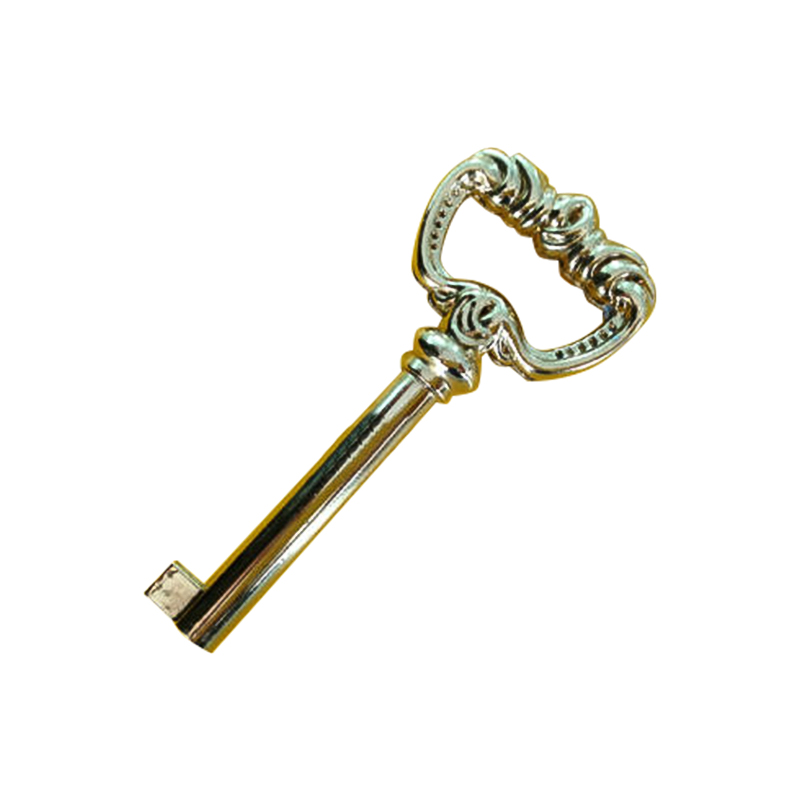 CNC-Machined Brass Grass Key for Functional TolerancesThis brass grass key undergoes CNC machining after casting to achieve tight functional tolerances, and can be finished with polishing, plating, or coating for a refined look.View Product →
For a closer look at how high-volume brass parts are designed and built, our complete guide to brass die casting parts walks through alloy selection, mold design, and quality control in more detail.
How to Choose: Brass or Bronze?
So how do you decide between brass and bronze for your own part? Focus on the service environment and the mechanical loads rather than the label. Consider these three questions:
- Where will the part live? If it faces seawater, brine, or aggressive process fluids, choose bronze.
- What loads does it carry? Sliding wear, impact, and heavy bearing pressure favor bronze.
- What geometry and cost targets matter? Complex shapes, thin walls, or high-volume production usually favor brass, and die-cast brass keeps unit cost low.
Fasteners and threaded parts deserve a special note. Brass nuts, screws, and fittings resist corrosion well, remain economical, and do not seize against plated steel when threads are cut cleanly. We produce machinery forged brass screw nut parts for assemblies that need reliable thread strength and a clean surface.
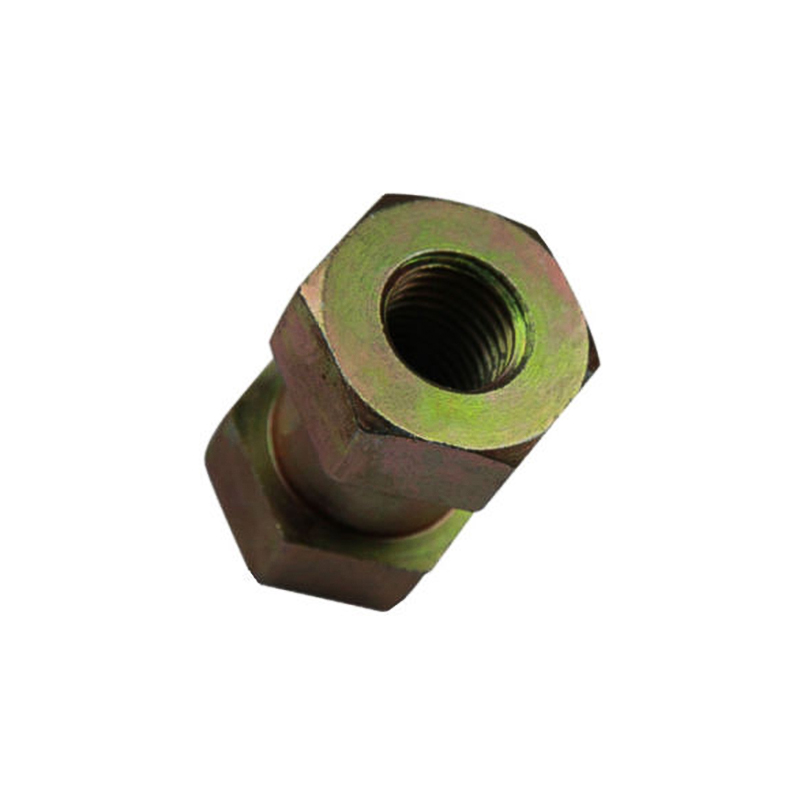 Closed-Die Forged Brass Screw Nut for Threaded AssembliesThis machinery-forged brass screw nut offers reliable thread strength and a clean surface, resisting corrosion and seizing against plated steel for demanding assemblies.View Product →
Quick summary for part designers:
- Choose brass when you need complex shapes, decorative detail, economical die casting, or bright appearance.
- Choose bronze when you face heavy loads, sliding wear, seawater, or abrasive environments.
Bronze and brass are not rivals. They are two families of copper alloys with overlapping histories but different strengths. If you are still unsure which material suits your casting, forging, or machined part, send us your drawing, duty cycle, and environment. Our engineering team will recommend the alloy, the process, and the finish that gives you the most reliable part for the lowest cost.
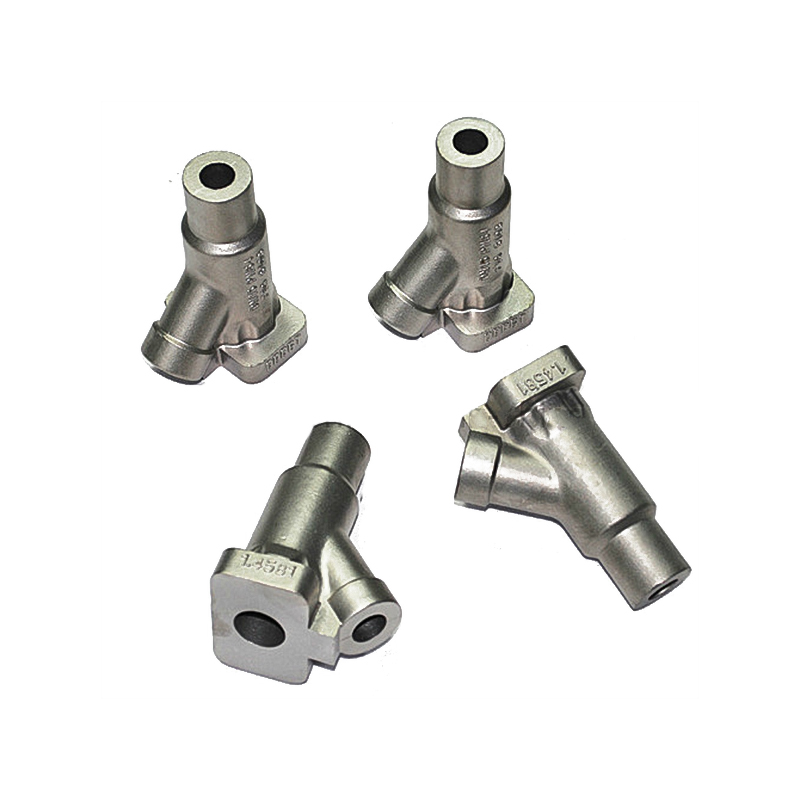
Selected Bearing Display

Contact Information
- Tel:+86-574-88067800/88067900
- Fax:+86-574-88067400
- Phone:+86-13967874638
- E-Mail:master@nbyifei.com
Products Links
Products Links
- Agricultural Machinery Casting Parts
- Auto Casting Parts
- Brass Die Casting Parts
- Casting Bucket Tooth And Accessory
- Container Casting Parts
- Investment Casting Parts
- Machinery Casting Parts
- Mining Machinery Casting Parts
- Railway And Train Casting Parts
- Sand Casting Parts
- Stamping & Forging Parts
- Valve Casting Parts
Contact Us
Copyright ©
Ningbo Hansheng Machinery Parts Co.,Ltd. All Rights Reserved
 Custom Die Castings Manufacturers
