

 English
 Deutsch
 简体中文
简体中文
Author: FTM
Date: Sep 30, 2026
How to Cast Aluminum in Sand: A Practical Guide for Engineers and Buyers
Sand casting is one of the oldest and most versatile ways to turn aluminum into durable metal components. The principle is simple: pack sand around a pattern to create a cavity, pour molten aluminum into the cavity, and let it solidify into the desired shape. Getting it right comes down to a sequence of controlled decisions - pattern design, sand conditioning, pouring temperature, and cooling rate - that determine whether a part comes out clean or rejected. This guide explains the complete sand casting process for aluminum, from pattern to finished machined part, with practical details refined over two decades on the foundry floor.
The Basics of Sand Casting Aluminum
Every sand casting starts with a mold of granular sand held together by a binder. In green sand molding, the binder is a blend of clay and water that gives the sand enough strength to hold a cavity yet stays porous enough to let gases escape. Silica sand is the most common molding material because it withstands the temperature of molten aluminum without breaking down.
Aluminum suits sand casting especially well. Its melting point of about 660°C (1,220°F) is easily reached in a gas furnace, and its fluidity helps fill thin walls and intricate passages. Aluminum also forms a natural oxide layer that improves corrosion resistance in service, and most alloys are fully recyclable - a growing priority in industrial procurement.
What You Need to Cast Aluminum in Sand
Before you begin, gather all equipment and consumables. A missing tool or an undersized riser can turn a clean pour into a scrapped casting.
- Pattern. The physical replica of the part, machined from wood, resin, or aluminum. It must be oversized for shrinkage and tapered with draft angles for clean withdrawal.
- Flask. A rigid two-part frame, the cope on top and the drag on the bottom, that contains the compacted sand and keeps both halves aligned.
- Molding sand. Green sand made from silica, clay, and water is the standard choice; resin-bonded or silica-sol sand is used when dimensional accuracy and finish are critical.
- Crucible and furnace. A clay-graphite or silicon-carbide crucible holds the aluminum as it melts in a gas or electric induction furnace.
- Pouring and finishing tools. Rammer, trowel, sprue cutter, vent wire, skimming ladle, parting agent.
- Protective equipment. Foundry gloves, a face shield, and flame-resistant clothing are essential whenever molten metal is involved.
How to Cast Aluminum in Sand, Step by Step
The sequence below applies to most green sand aluminum castings; industrial foundries follow the same logic at a larger scale.
- Prepare the pattern. Confirm that the pattern includes adequate draft angle and shrinkage allowance. Aluminum contracts by roughly 1.3 percent during solidification, so the pattern is proportionally larger than the finished part.
- Condition the sand. Mix the silica sand with the right amount of clay and water. It should hold a firm handprint, but excess moisture creates steam and porosity.
- Ram the drag. Place the pattern on the parting surface, set the drag half of the flask over it, and compact sand around it in layers.
- Ram the cope. Turn the flask over, set the cope half, and compact more sand. Cut the downsprue and add risers at the heaviest sections.
- Withdraw the pattern. Lift the cope, remove the pattern carefully, and repair minor damage with a trowel. The empty cavity is now your mold.
- Cut the gating system. Connect the sprue to the cavity with runners and gates so aluminum flows smoothly without eroding the sand.
- Melt the aluminum. Charge clean alloy into a preheated crucible and heat it to a pouring temperature of about 700-760°C (1,300-1,400°F), depending on the alloy and section thickness.
- Pour the mold. Skim the oxide layer off the melt, then pour in a steady, continuous stream until the sprue stays full. This prevents trapped air and cold shuts.
- Cool and solidify. Allow the casting to cool completely inside the mold. Heavy sections need more time; early shakeout can cause warping or cracking.
- Shakeout and finish. Break the mold, remove the sand, cut off gates and risers, grind flash, blast the surface, and machine to final dimensions.
For a deeper look at mold design and gating theory, see our technical article on how sand casting works.
Choosing the Right Aluminum Alloy
Alloy selection is one of the earliest decisions in a sand casting project. It affects castability, strength, corrosion resistance, and machinability. Many customers supply the material specification on the drawing; when they do not, these are the alloys we recommend as starting points:
| Alloy | Key Characteristics | Typical Applications |
|---|---|---|
| A356.0 | Excellent castability, heat-treatable, good strength and ductility | Engine blocks, wheels, pump housings, structural brackets |
| 356.0 | Similar to A356 with slightly lower elongation | General industrial castings, valve bodies |
| 319.0 | Good hardness and machinability, moderate fluidity | Cylinder heads, crankcases, transmission housings |
| 355.0 | Higher strength at elevated temperatures | Engine components, compressor parts |
| 413.0 | High silicon content, excellent fluidity and corrosion resistance | Thin-wall castings, marine and food equipment |
For example, A356.0 in the T6 condition is often our recommendation for motor parts that need a balance of strength, thermal conductivity, and machined precision. For structural or pressure-containing parts, we review the alloy choice with the customer before tooling.
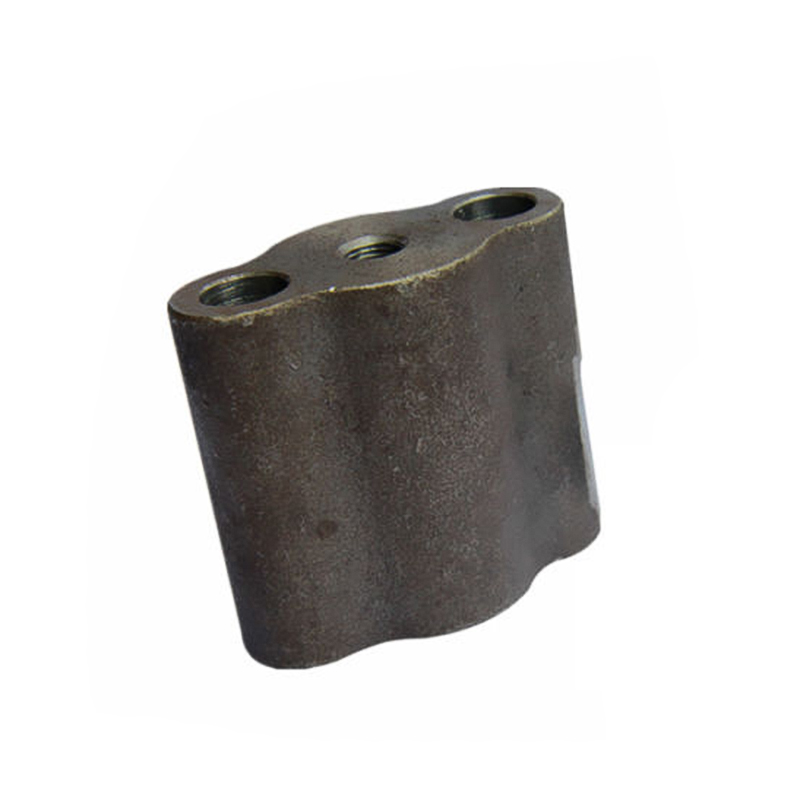 Sand Casting Motor Parts for Diverse AlloysThese sand-cast motor parts are produced in a wide range of alloys and can be machined, polished, or plated. They suit applications requiring strength, thermal conductivity, and precision, as highlighted in the discussion of A356.0 T6.View Product →
Common Defects and How to Avoid Them
Defects happen in the best foundries; the difference between scrap and success is knowing what causes them.
- Gas porosity. Bubbles inside the casting usually come from steam or gas trapped in the mold. Use dry sand, add vents, and avoid overheating the melt.
- Shrinkage cavities. Aluminum shrinks about 6 percent as it solidifies, so heavy sections need properly sized risers to keep feeding liquid metal.
- Sand inclusions. Loose sand that washes into the cavity leaves dirty surfaces and weakened sections. Compact the mold firmly and pour with a clean ladle.
- Cold shuts. When pouring temperature is too low, streams of metal fail to fuse. Keep the temperature in range and pour without interruption.
- Misruns. Thin sections can freeze before the mold fills. Raise the pouring temperature or improve the gating design to move the metal faster.
From Workshop Bench to Industrial Production
Sand casting takes on a different character when it moves from workbench to production floor. Industrial buyers expect repeatable dimensional accuracy, controlled mechanical properties, documented material certification, and reliable delivery - none of which can be secured by trial and error. That is the gap our foundry fills.
Ningbo Hansheng Machinery Parts Co., Ltd. has manufactured sand castings since 2003, serving customers in agricultural machinery, automotive, mining, railway, marine, and fluid-control industries. We operate under an ISO 9001 quality management system and export most of our output to Europe and North America. Beyond the casting itself, our facility handles CNC machining, surface treatment, and coating, so you receive a component that is ready for assembly rather than a raw blank.
A machined sand-casting cylinder illustrates the process in action: cast in aluminum, then turned, milled, and surface-finished to meet a hydraulic or pneumatic specification.
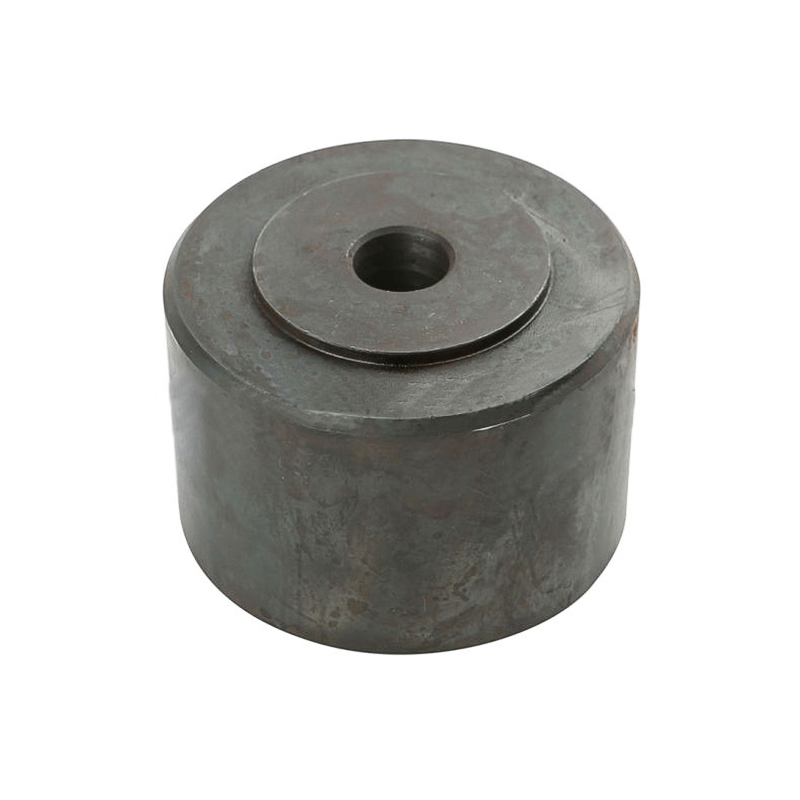 Machined Sand Casting Cylinder for Hydraulic SystemsThis sand-casting cylinder is machined from aluminum and finished to meet hydraulic specifications. It forms part of hydraulic systems that produce linear motion, relying on pressurized fluid and reliable seals.View Product →
We apply the same discipline to motorcycle parts, where light weight and fatigue resistance matter as much as appearance. Whether the order is a prototype or a production run of thousands, our team holds the same gating standards, alloy controls, and inspection procedures.
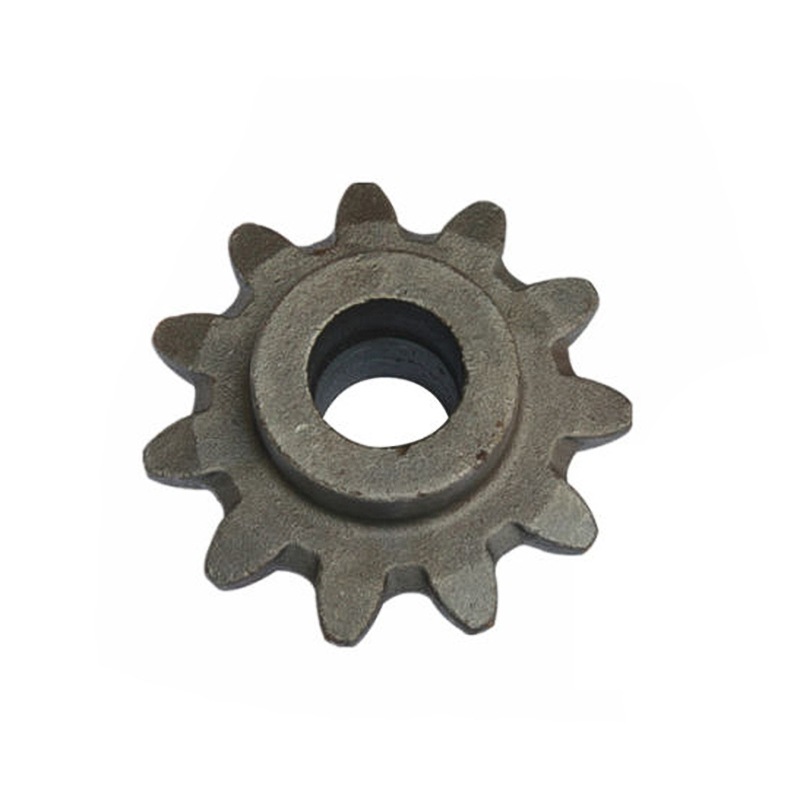 Sand Casting Motorcycle Parts with Custom FinishesThese sand-cast motorcycle parts prioritize light weight and fatigue resistance. They can be made from carbon steel, alloy steel, stainless steel, or iron, with surface treatments such as polishing, machining, or plating.View Product →
Whether you are prototyping one part or planning a full production run, the fundamentals stay the same: a well-designed pattern, properly conditioned sand, disciplined pouring, and honest inspection. Master those four elements and you will produce castings that meet demanding specifications. If you would like an experienced review of your design, our engineers are glad to examine your drawings and recommend the right alloy, gating plan, and surface finish. Explore our foundry capabilities to see how a customized sand casting partner can take you from concept to finished parts.
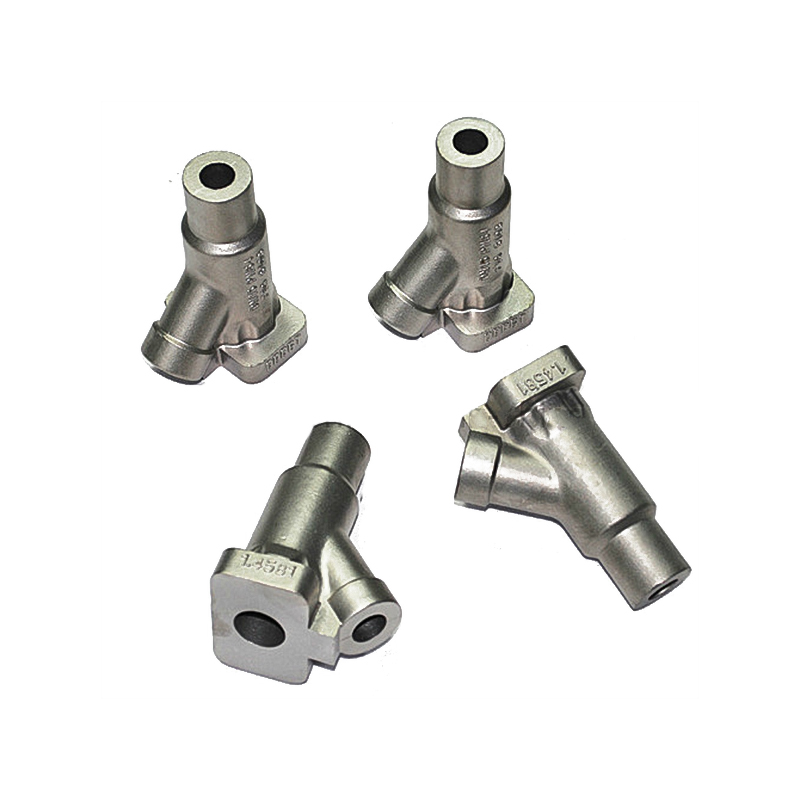
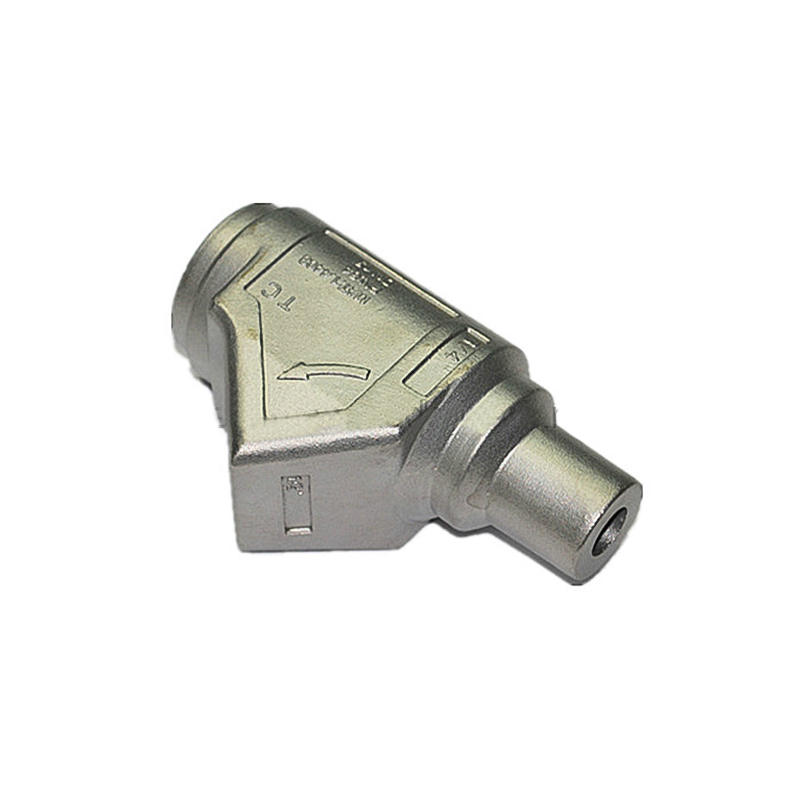
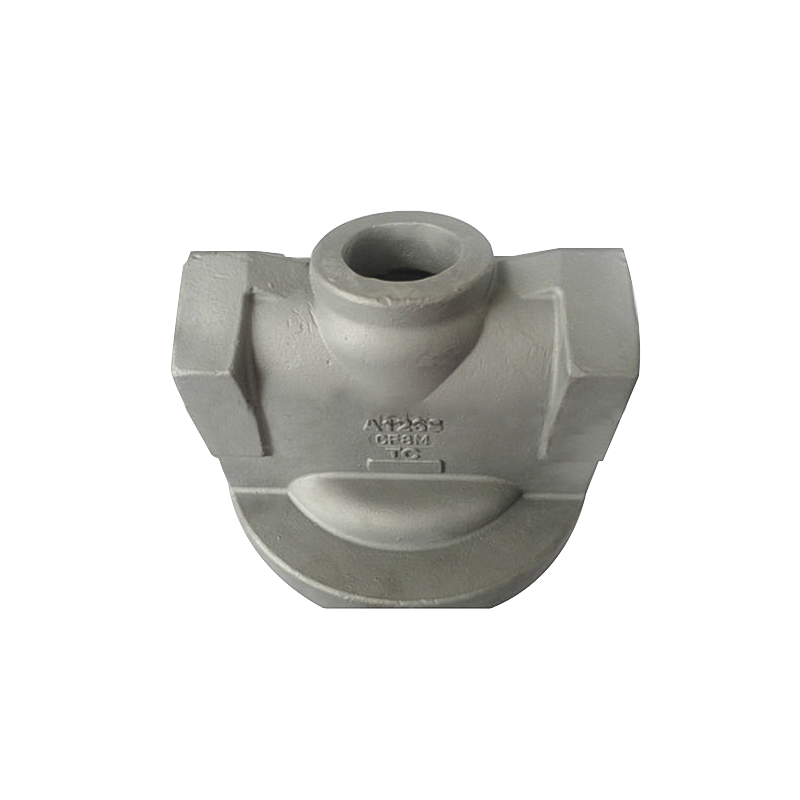
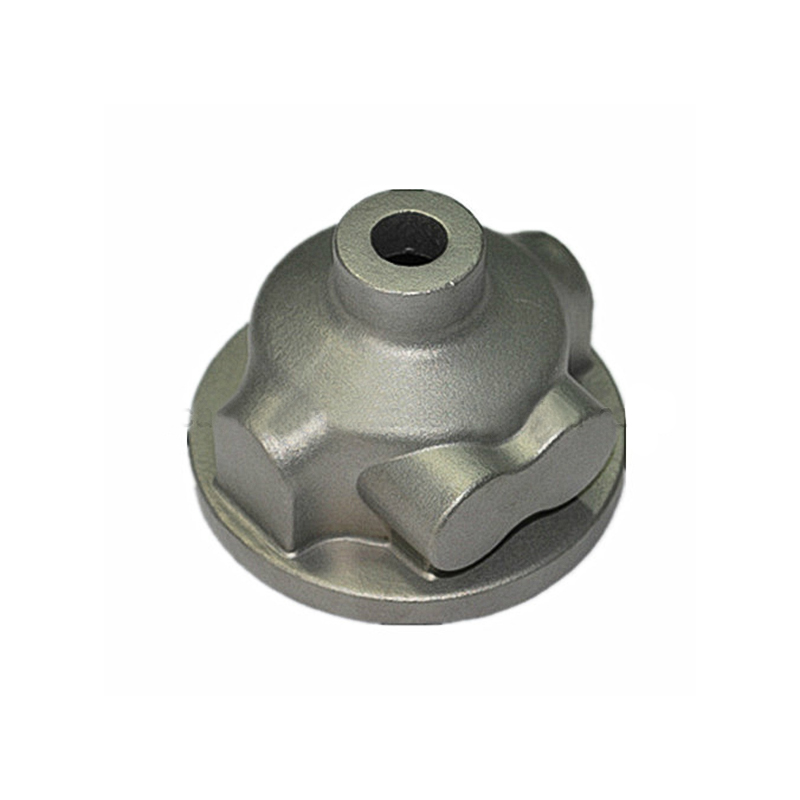
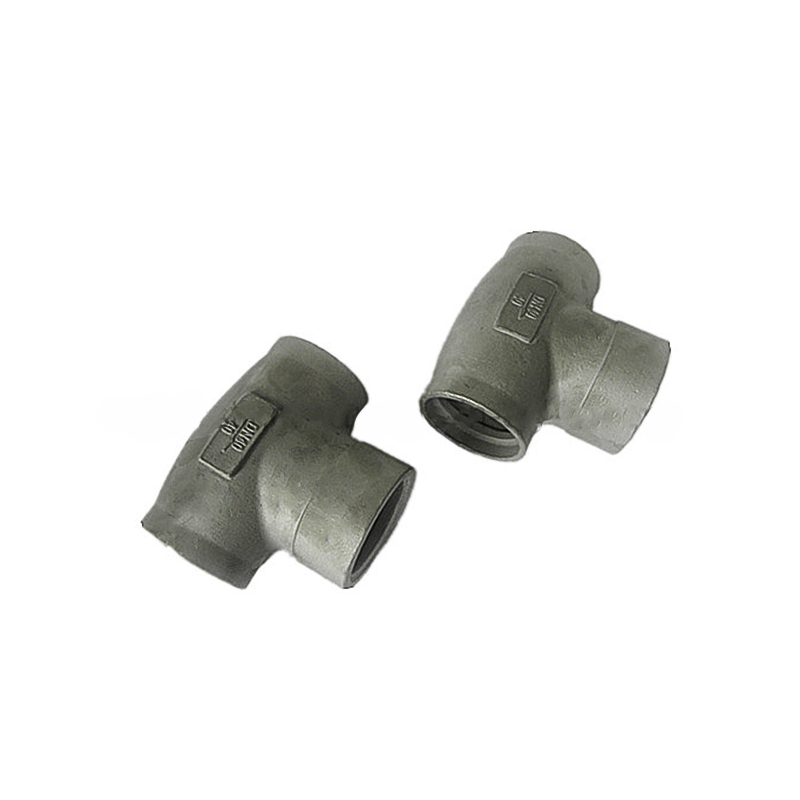
Selected Bearing Display

Contact Information
- Tel:+86-574-88067800/88067900
- Fax:+86-574-88067400
- Phone:+86-13967874638
- E-Mail:master@nbyifei.com
Products Links
Products Links
- Agricultural Machinery Casting Parts
- Auto Casting Parts
- Brass Die Casting Parts
- Casting Bucket Tooth And Accessory
- Container Casting Parts
- Investment Casting Parts
- Machinery Casting Parts
- Mining Machinery Casting Parts
- Railway And Train Casting Parts
- Sand Casting Parts
- Stamping & Forging Parts
- Valve Casting Parts
Contact Us
Copyright ©
Ningbo Hansheng Machinery Parts Co.,Ltd. All Rights Reserved
 Custom Die Castings Manufacturers
