

 English
 Deutsch
 简体中文
简体中文
Author: FTM
Date: Sep 22, 2026
How to Cast Metal: A Step-by-Step Guide to Processes, Methods, and Tips
Casting metal is one of the oldest manufacturing skills in the world, and it is still one of the most useful. From valve bodies and pump impellers to agricultural gears and excavator bucket teeth, thousands of industrial parts begin life as molten metal poured into a carefully shaped mold. We have been producing custom castings and forgings at our factory in Ningbo, China since 2003, and in this guide we will explain how to cast metal step by step — the same fundamentals our engineers apply every day, written in plain language.
What Does It Mean to Cast Metal?
Metal casting is the process of melting metal into a liquid state, pouring it into a hollow mold that carries the negative shape of the finished part, and allowing it to cool and solidify. Once the metal has hardened, the mold is opened or broken away, and the casting is cleaned, heat treated if necessary, machined, and inspected.
Casting is valued because it produces shapes that would be difficult, slow, or wasteful to machine from solid bar stock. A single casting can combine flanges, bosses, internal passages, and sweeping curves that would otherwise have to be welded together from several pieces. It also works with a wide range of alloys — iron, carbon steel, alloy steel, stainless steel, aluminum, brass, and bronze — and it scales economically from a handful of prototypes to hundreds of thousands of parts.
Choosing the Right Casting Process
Before any metal is melted, the most important decision is which casting process fits your part, your volume, and your budget. The three methods we run most often are sand casting, investment casting, and die casting, and each occupies a different sweet spot:
| Process | Best Suited For | Surface Finish and Precision | Relative Tooling Cost |
|---|---|---|---|
| Sand casting | Large, heavy, or low-to-medium volume parts in iron, steel, and aluminum | Good | Low |
| Investment casting | Complex, precision parts in steel, stainless steel, and alloys | Excellent | Medium |
| Die casting | High-volume smaller parts in aluminum, zinc, and brass | Excellent | High |
As a rule of thumb, choose sand casting for larger parts and moderate volumes, investment casting when geometry and precision are demanding, and die casting when you need very large quantities of smaller non-ferrous components.
How to Cast Metal, Step by Step
Step 1: Create the Design and the Pattern
Every casting starts with a drawing or 3D model. From that design, the foundry makes a pattern: a physical replica of the part, deliberately made slightly oversize to compensate for metal shrinkage during cooling and to leave machining allowance on critical surfaces. In sand casting the pattern is usually wood, resin, or metal; in investment casting it is a wax replica injected into an aluminum die. Getting these allowances right is where years of foundry experience really show.
Step 2: Select the Metal
The alloy you choose determines strength, wear resistance, corrosion resistance, weight, machinability, and cost. Gray iron dampens vibration, which suits motor parts; stainless steel resists corrosion in marine and fluid-handling environments; alloy steels such as 42CrMo carry heavy, repeated loads in gears and shafts. Always match the metal to the working conditions of the part rather than to price alone.
Step 3: Build the Mold
In sand casting, prepared sand is compacted around the pattern inside a flask. The pattern is removed, leaving a cavity, and channels called gates and risers are added to deliver molten metal and feed the casting as it shrinks. In investment casting, wax patterns are assembled onto a tree, coated repeatedly with ceramic slurry until a hard shell forms, then heated to melt the wax out. In die casting, the mold is a precision-machined steel die built to survive tens of thousands of shots.
Step 4: Melt and Pour
Metal is melted in an induction furnace or crucible to a tightly controlled temperature. This matters more than beginners expect: metal poured too cool can freeze before it fills the mold, causing misruns and cold shuts, while overheated metal absorbs gas and can burn onto sand molds. The pour itself should be steady and continuous, without turbulence, so that slag and air are not stirred into the casting.
Step 5: Cool, Shake Out, and Finish
Once poured, the metal solidifies from the outside in, and the cooling rate influences the final grain structure and strength. After cooling, sand castings are shaken out of their molds, while investment castings are freed by breaking away the ceramic shell. The gates and risers are cut off, the surface is cleaned by shot blasting, and the part may go through heat treatment, CNC machining of critical dimensions, and surface treatment such as painting, coating, or polishing before final inspection.
A Closer Look at the Three Main Methods
Sand Casting
Sand casting is the workhorse of the industry. The mold material is inexpensive, tooling costs stay low, and the process handles parts from a few hundred grams to several tons. Typical products include cylinder bodies, flange shafts, motor parts, pipe connections, and marine hardware. We break the workflow down further in our guide to how sand casting works, including how different sand systems affect the final surface.
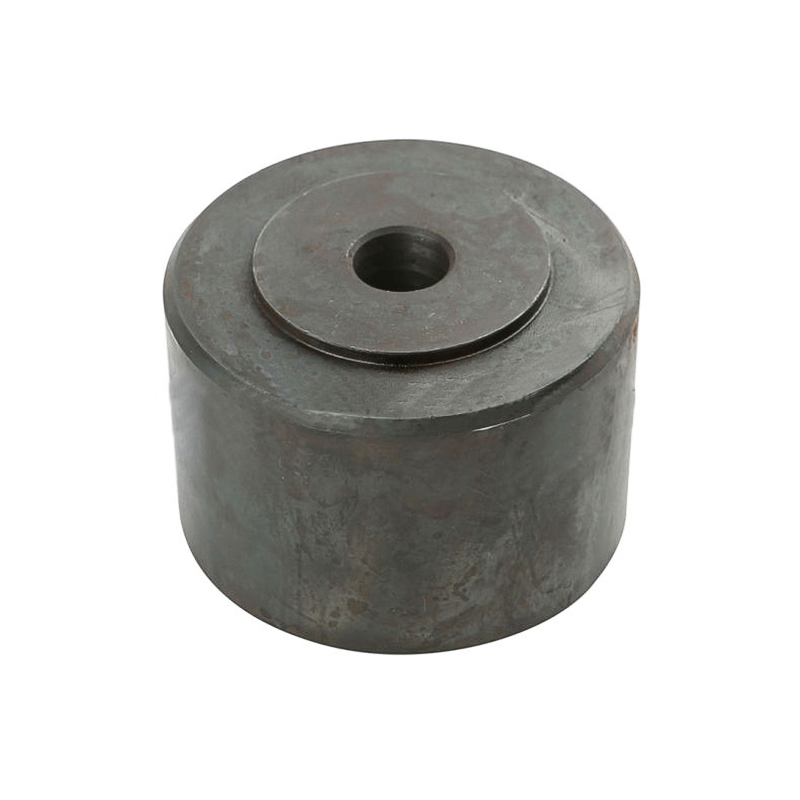 Sand Cast Hydraulic Cylinder ComponentsA sand cast hydraulic cylinder blank suited to finish machining of bores, faces, and threads. Because sand casting handles large parts at low tooling cost, it is a practical route for cylinder bodies used in heavy equipment and industrial machinery.View Product →
Parts like this are cast as rough blanks, then finish machined so that bores, faces, and threads meet tight tolerances.
Investment Casting
Also known as lost-wax casting, investment casting delivers the finest detail and the tightest tolerances of the three, often reducing or even eliminating machining. It is the natural choice for complex parts with thin walls and smooth surfaces: pump components, steel connectors, iron gears, railway hardware, and precision machine parts. Because each wax pattern is consumed to make one shell, the per-piece cost is higher, but the savings in machining can more than compensate.
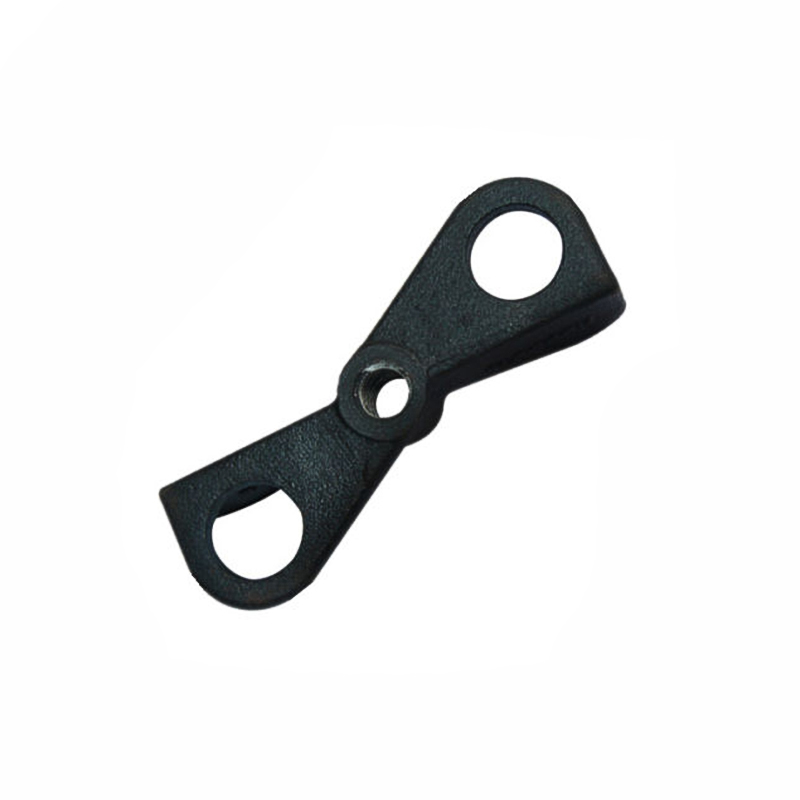 Precision Investment Casting PartsLost-wax investment castings offering fine detail, tight tolerances, and smooth as-cast surfaces for complex thin-walled parts. Following the sand casting overview, this example shows where per-piece cost is offset by reduced machining.View Product →
Die Casting
Die casting injects molten non-ferrous metal — usually aluminum, zinc, or brass — into a hardened steel die under high pressure. Each shot takes only seconds, and the resulting parts are dense, dimensionally consistent, and clean as-cast. Because dies are costly, the economics favor high volumes; our brass die casting work ranges from decorative hardware to precision functional components finished by CNC machining.
Quality Control: Where Good Castings Are Made
Pouring metal is only half the job; controlling defects is where an experienced foundry earns its keep. The most common casting defects and their usual causes include:
- Porosity — gas or shrinkage voids, usually traced back to melting practice, gating design, or insufficient feeding
- Cold shuts and misruns — the metal front freezes before the mold fills, often caused by low pouring temperature or thin sections
- Sand and slag inclusions — foreign material embedded in the casting, controlled through sand quality and steady pouring
- Dimensional distortion — caused by incorrect shrinkage allowance or restraint during cooling
We operate under an ISO9001-based quality assurance system, checking castings from melt chemistry through dimensional inspection and surface treatment, so that problems are caught at the foundry rather than on the customer's assembly line.
From Workshop to Factory Floor: Casting at Production Scale
For a hobbyist, casting a small aluminum part at home can be a rewarding weekend project. For a component that carries loads, seals pressurized fluid, or keeps production machinery running, industrial casting is a far more demanding discipline — one that combines metallurgy, mold engineering, heat treatment, and precision machining.
That combination is exactly what we have built our business around. As a manufacturer of custom castings and forgings, we take customers from drawing to finished part in one place: sand casting and investment casting for steel, iron, aluminum, and brass; die forging for high-strength components; and CNC machining, painting, and coating handled in-house. A typical example is our valve part production, where sand cast valve bodies are precision machined so they seat and seal reliably in fluid systems.
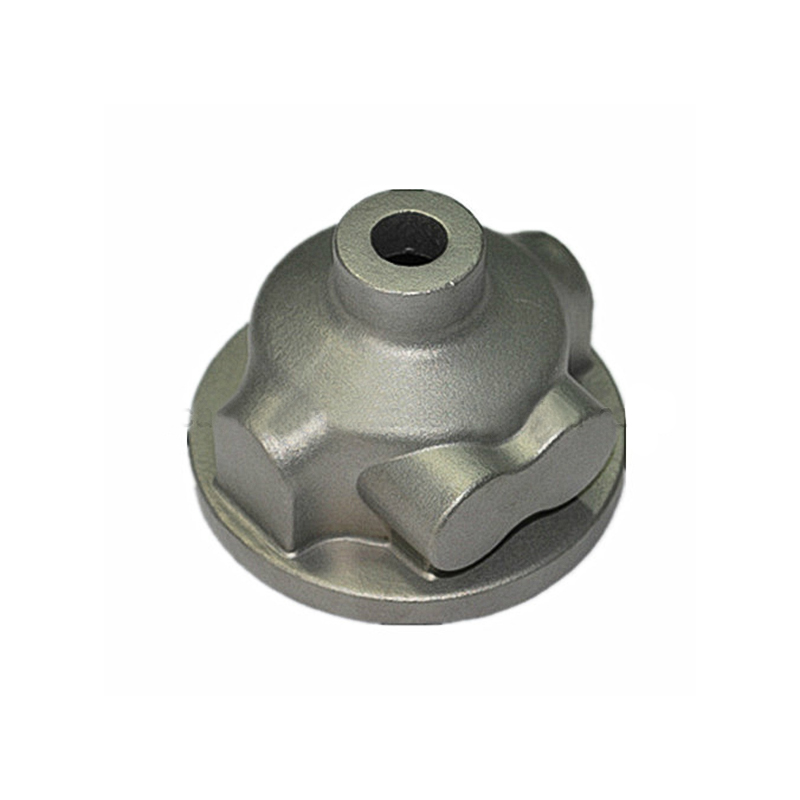 Precision Sand Casting Valve PartsSand cast valve bodies finished with in-house CNC machining so they seat and seal reliably in fluid systems. As a closing example of drawing-to-finished-part service, it shows how casting and machining combine for pump and valve components.View Product →
If your project calls for cast or forged metal components, our team at Ningbo Yifei Machinery Parts Co., Ltd. would be glad to review your drawings and recommend the most cost-effective process for your volume and application.
Learning how to cast metal means understanding a chain of decisions — process, alloy, mold, pouring, and finishing — and how each one shapes the final part. Master those fundamentals, and you can look at almost any metal component and see the casting inside it. If you would prefer a partner to handle that whole chain for you, from pattern making to machined, finished castings, simply send us your drawings and let our foundry experience do the rest.
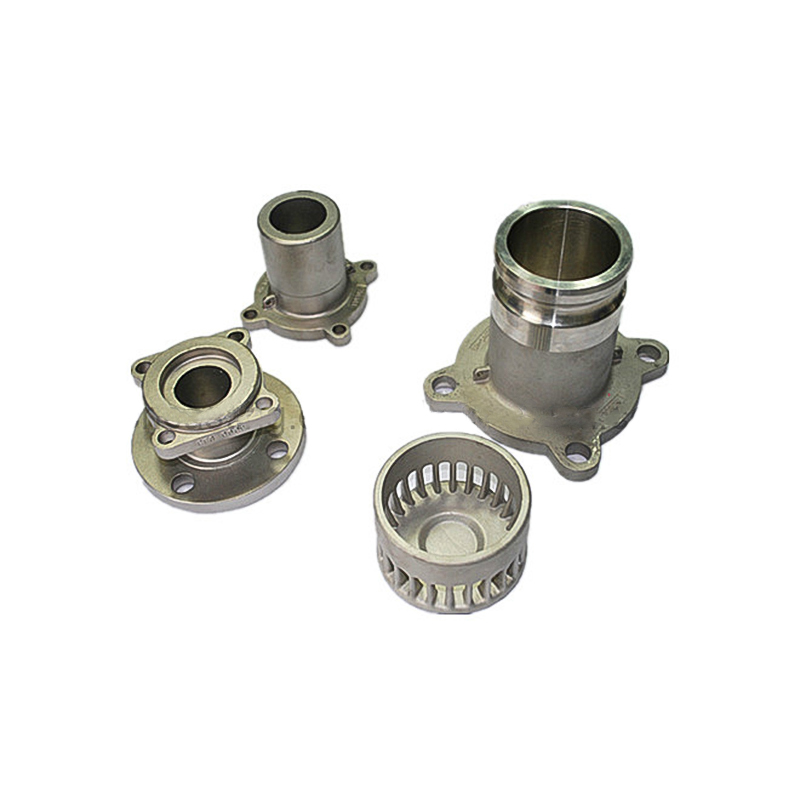
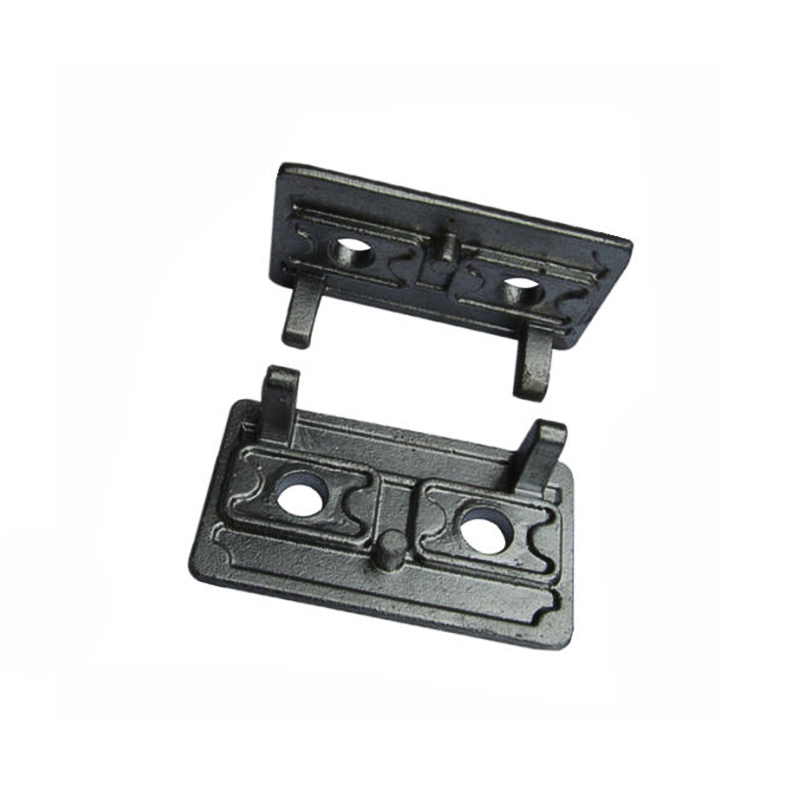
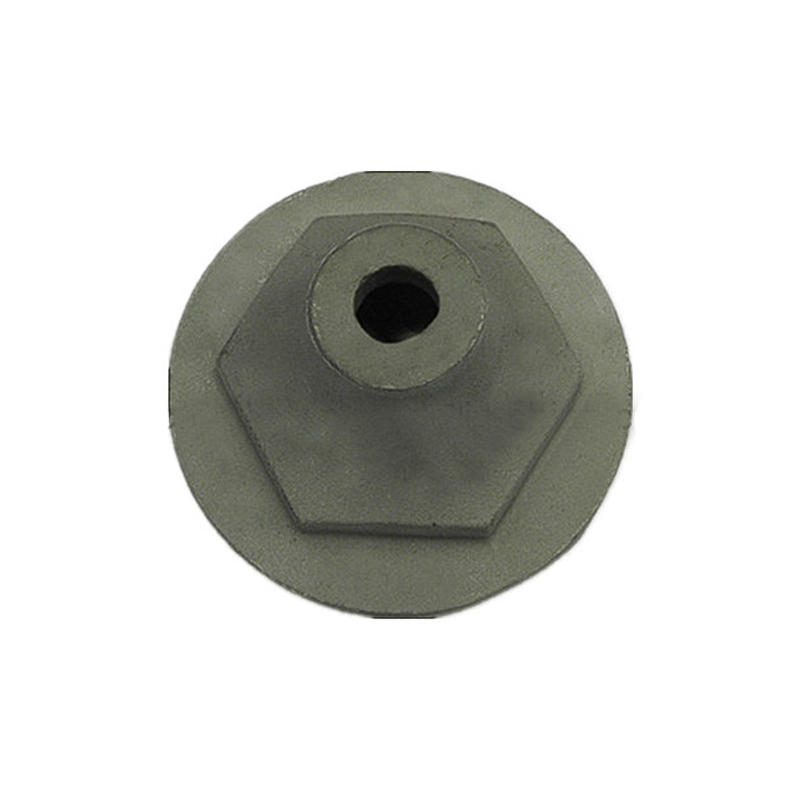
Selected Bearing Display


Contact Information
- Tel:+86-574-88067800/88067900
- Fax:+86-574-88067400
- Phone:+86-13967874638
- E-Mail:master@nbyifei.com
Products Links
Products Links
- Agricultural Machinery Casting Parts
- Auto Casting Parts
- Brass Die Casting Parts
- Casting Bucket Tooth And Accessory
- Container Casting Parts
- Investment Casting Parts
- Machinery Casting Parts
- Mining Machinery Casting Parts
- Railway And Train Casting Parts
- Sand Casting Parts
- Stamping & Forging Parts
- Valve Casting Parts
Contact Us
Copyright ©
Ningbo Hansheng Machinery Parts Co.,Ltd. All Rights Reserved
 Custom Die Castings Manufacturers
