

 English
 Deutsch
 简体中文
简体中文
Author: FTM
Date: Sep 16, 2026
How Does Sand Casting Work? Process Steps, Materials, and Key Applications
Sand casting is the most widely used metal casting process because it is simple, cost-effective, and capable of producing large, complex parts in nearly any ferrous or non-ferrous alloy. The core principle is straightforward: a cavity in a sand mold replicates the desired shape, molten metal fills that cavity, and after solidification the sand is broken away to reveal the finished casting. This process works for parts ranging from a few kilograms to several tons, making it indispensable for industries such as agricultural machinery, automotive, construction equipment, and marine hardware.
The Basic Principle of Sand Casting
At its simplest, sand casting works by creating a reusable pattern that is pressed into a mixture of sand and binder to form a mold. The pattern is removed, leaving a cavity exactly matching the part geometry. A gating system—consisting of sprues, runners, and gates—is also carved into the sand to guide molten metal into the cavity. Risers (reservoirs of molten metal) are added to compensate for shrinkage as the metal cools. After pouring and solidification, the mold is broken apart to extract the casting, which then undergoes cleaning, heat treatment, and any required machining.
Unlike permanent mold processes, sand casting uses a sacrificial mold that is destroyed after each pour. This is why it excels for low-to-medium volume production and for parts too large or intricate for die casting. The flexibility in mold size and metal selection directly benefits buyers who need 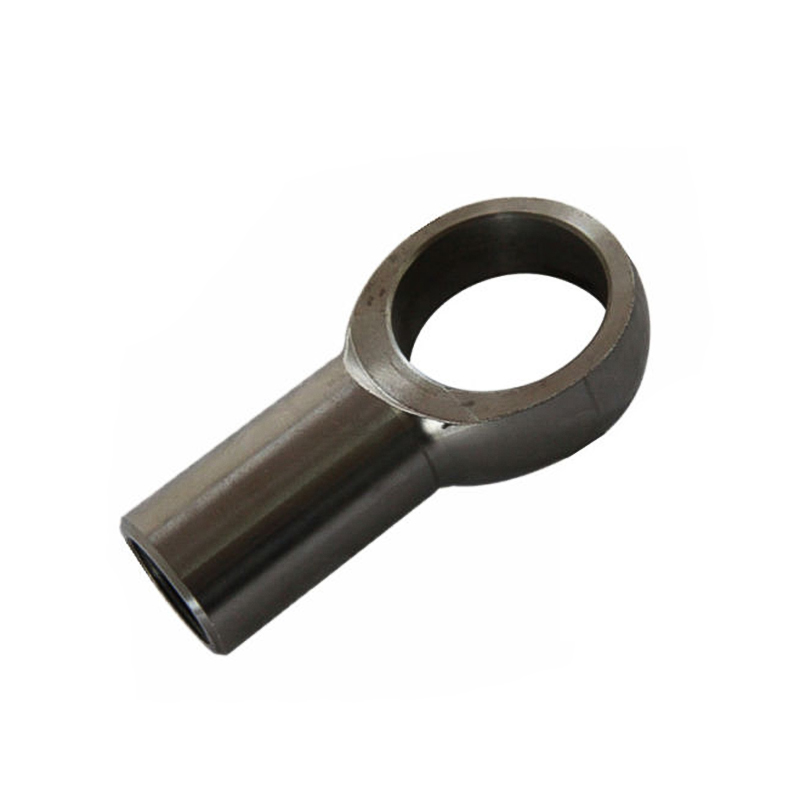 Custom Sand-Cast Flange Shafts for Heavy-Duty UseThese flange shafts are produced via sand casting, offering flexibility in material selection like grey or ductile iron and size, ideal for custom heavy-duty applications without high tooling costs.View Product → or other heavy-duty components without the high tooling costs of other methods.
Step-by-Step: How Sand Casting Works
While the exact sequence can vary depending on the foundry and part complexity, the following eight steps represent the typical sand casting workflow.
1. Pattern Making
A pattern is a replica of the final part, usually made from wood, plastic, or metal. It is slightly oversized to account for shrinkage of the molten metal as it cools. Patterns can be single-piece or split into two halves (cope and drag). For internal cavities, cores made of sand are placed in the mold.
2. Mold Preparation
The pattern is placed in a flask—a rigid frame—and sand mixed with a binder (commonly clay for green sand, or resin for no-bake sand) is compacted around it. The cope (top half) and drag (bottom half) are formed separately. After ramming, the pattern is withdrawn, leaving an exact negative cavity.
3. Gating and Riser System Design
Channels are cut into the sand to connect the cavity to the outside. The sprue receives the molten metal, which flows down a runner and through gates into the cavity. Risers are placed at thick sections to feed additional metal as the casting shrinks.
4. Core Placement (if needed)
If the part has internal passages or undercuts, sand cores are inserted into the mold cavity before closing. Cores are pre-formed and baked to gain strength.
5. Mold Assembly
The cope and drag are aligned and clamped together to prevent leakage. The mold is now ready for pouring.
6. Pouring Molten Metal
The metal (iron, steel, aluminum, bronze, etc.) is melted in a furnace and poured into the sprue at a controlled temperature and rate. The metal fills the cavity, risers, and gating system.
7. Cooling and Solidification
The casting is left to cool for a period determined by its wall thickness and metal type. Proper cooling time is critical to avoid defects such as porosity or cracks.
8. Shakeout and Finishing
The sand mold is broken apart, typically by vibration or mechanical shaking. The casting is separated from the gating system and risers. Excess material is trimmed, and the surface is cleaned via shot blasting, grinding, or sanding. Further operations like heat treatment, machining, and coating may follow to meet final specifications.
For a reliable supplier that handles the entire sand casting process—from pattern to finished machined part—consider sourcing from an experienced manufacturer like Ningbo Hansheng Machinery Parts Co., Ltd., which offers 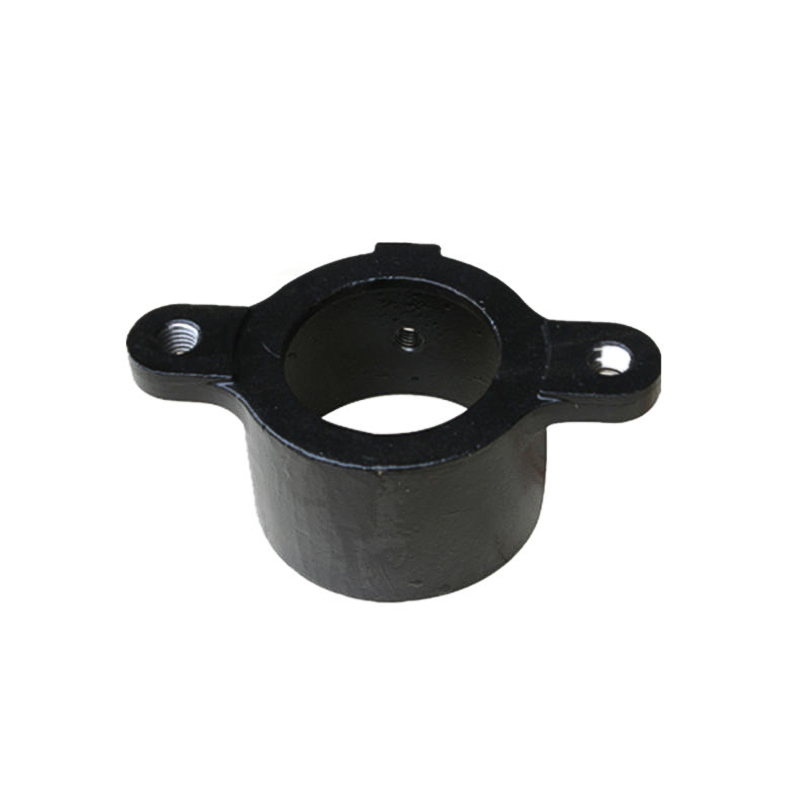 Steel Sand Casting for Marine HardwareSourced from an experienced manufacturer, these steel sand castings for marine hardware ensure stringent quality standards through collaboration with expert metallurgists and molders.View Product → and many other industrial applications.
Types of Sand Used in Sand Casting
The choice of sand directly affects mold strength, surface finish, and cost. The most common types include:
- Green Sand – a mixture of silica sand, clay, water, and additives. It is the cheapest and most widely used, suitable for ferrous and non-ferrous alloys.
- Resin Sand – sand bonded with a resin that cures chemically. It produces a smoother surface and tighter dimensional tolerances.
- Sodium Silicate (Water Glass) Sand – bonded with sodium silicate and cured by CO₂ gas. It provides good strength and collapsibility.
- Dry Sand – clay-bonded sand that is baked in an oven. Stronger than green sand but more expensive.
The table below summarizes key differences between the two most commonly used sand types in production.
| Property | Green Sand | Resin Sand |
|---|---|---|
| Binder type | Clay + water | Synthetic resin |
| Mold strength | Moderate | High |
| Surface finish | Rough | Smooth |
| Dimensional accuracy | ±0.5–1.0 mm | ±0.3–0.5 mm |
| Cost per mold | Low | Moderate |
| Recyclability | High | Limited |
Why Sand Casting Is Chosen for Industrial Parts
Engineers and procurement professionals turn to sand casting when they need large, heavy parts that cannot be economically produced by other methods. The process offers four major advantages:
- Low tooling cost – Patterns are relatively cheap compared to die-casting dies, making sand casting ideal for prototypes and short-to-medium production runs.
- Material flexibility – Almost any metal can be cast: steel, iron, aluminum, bronze, magnesium, and even specialty alloys.
- Size capability – Parts weighing hundreds of kilograms and measuring several meters are routine. Engine blocks, pump housings, and valve bodies are typical examples.
- Design adaptability – Modifications to the pattern are easy, allowing design changes without expensive retooling.
However, sand casting has limitations. Surface finish is rougher than die casting or investment casting, requiring secondary machining for critical surfaces. Tolerances are wider, typically ±0.5 mm or more. For applications where these factors are acceptable, sand casting delivers the best value. A good example is the production of 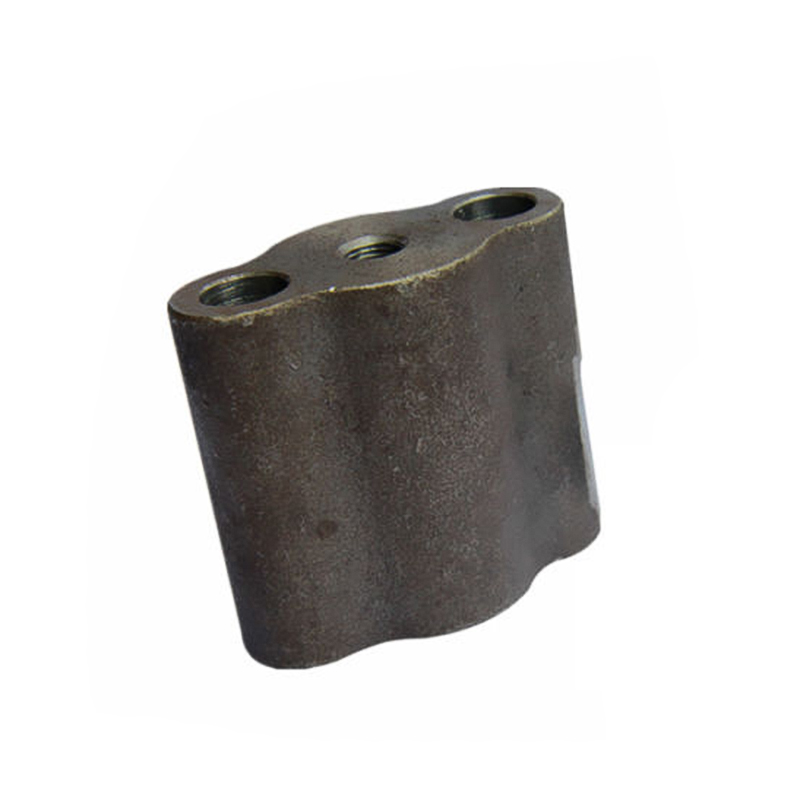 Sand Casting Motor Parts for Strength and CostFor motor parts where strength and material cost matter more than surface finish, sand casting delivers reliable performance using a wide range of carbon and alloy steels.View Product →, where strength and material cost take priority over surface aesthetics.
Applications Across Key Industries
Sand casting supports a vast range of industries. Based on the capabilities of manufacturers like Ningbo Hansheng, the following sectors frequently rely on sand-cast components:
- Agricultural machinery – gear housings, plough shares, transmission casings.
- Automotive – engine blocks, cylinder heads, brake components.
- Construction and mining – bucket teeth, adapter plates, crusher wear parts.
- Marine and offshore – propellers, valve bodies, pump casings.
- Industrial machinery – machine tool bases, motor frames, hydraulic manifolds.
- Valves and fluid control – valve bodies, flanges, pipe fittings.
Each industry has its own requirements for material, tolerance, and post-processing. A reputable foundry will work with customers to select the appropriate sand type, alloy, and finishing operations, ensuring the final part meets both performance and budget targets.
Conclusion: The Practical Choice for Large Metal Parts
Sand casting works by leveraging a disposable sand mold to create metal parts with minimal upfront investment and maximum material versatility. The process is well understood, highly repeatable, and trusted by industries that demand strength and durability at scale. If you are evaluating manufacturing options for a heavy component, understanding how sand casting parts are applied in industrial manufacturing will help you make an informed decision.
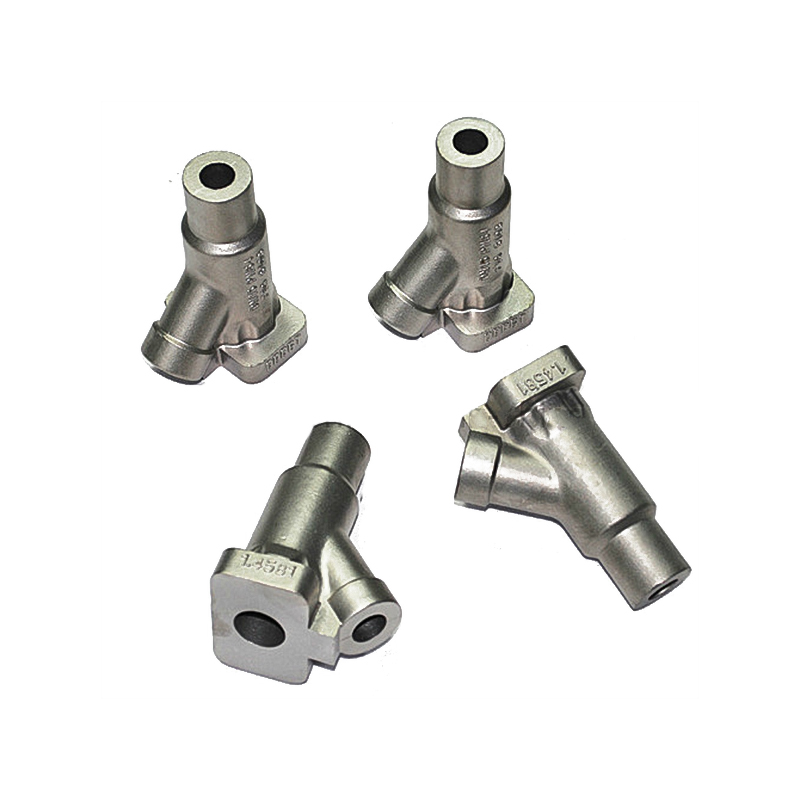
For a partner that combines sand casting with CNC machining, heat treatment, and surface finishing under one roof, the expertise of a Chinese foundry with decades of export experience—such as Ningbo Hansheng Machinery Parts Co., Ltd.—can reduce your lead times and simplify supply chain management. Their product line includes numerous sand-cast components, from flange shafts to motor parts and marine hardware, all manufactured to international quality standards.
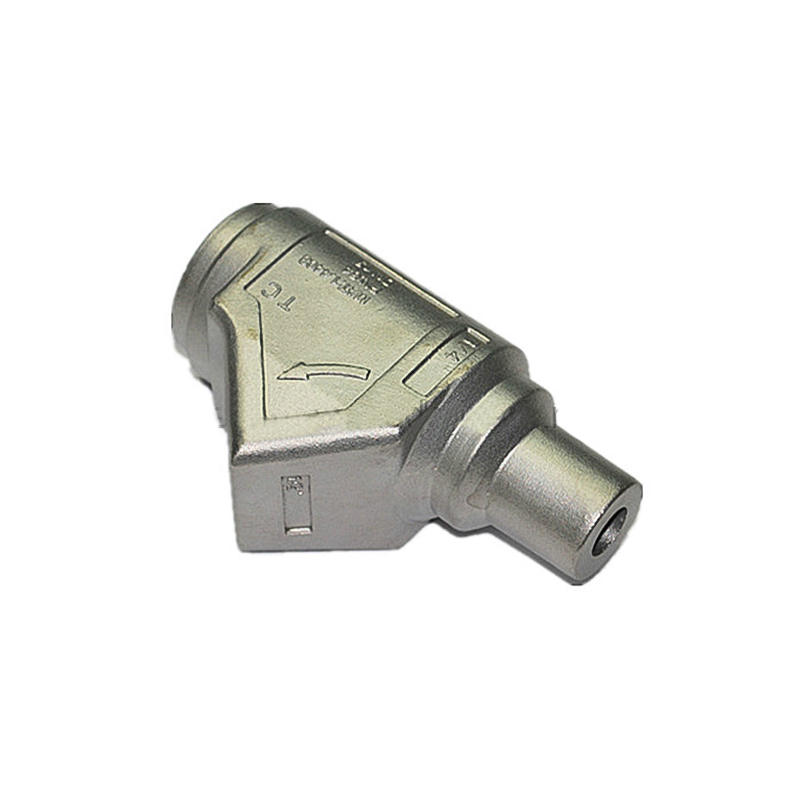
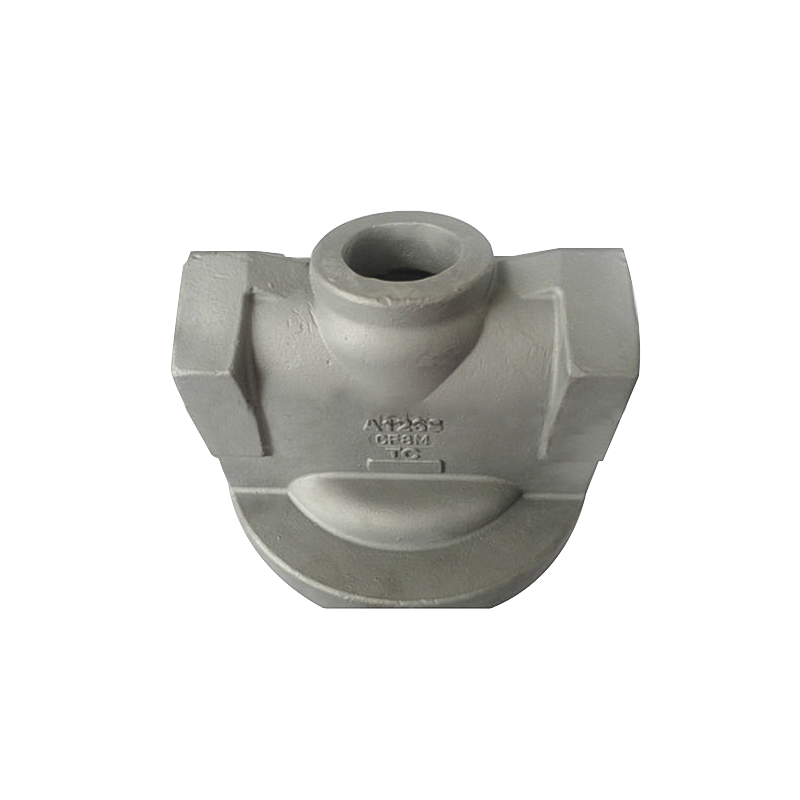
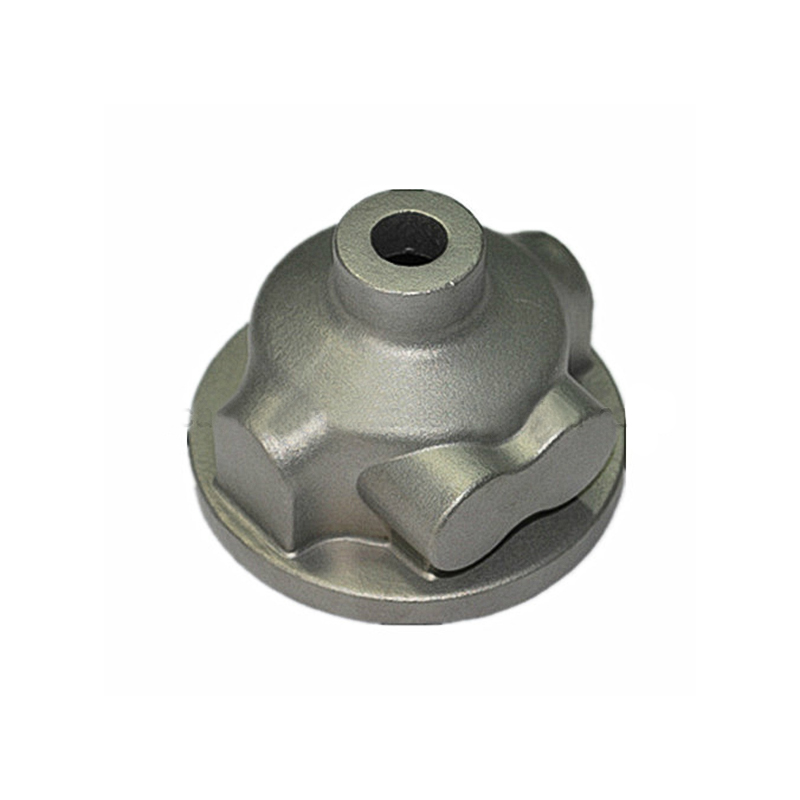
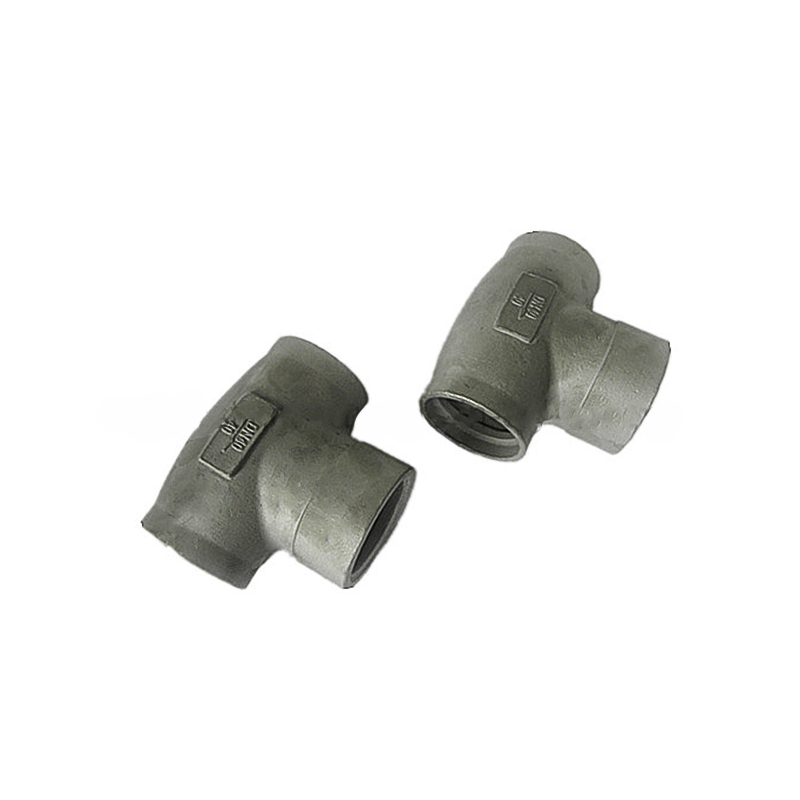
Selected Bearing Display

Contact Information
- Tel:+86-574-88067800/88067900
- Fax:+86-574-88067400
- Phone:+86-13967874638
- E-Mail:master@nbyifei.com
Products Links
Products Links
- Agricultural Machinery Casting Parts
- Auto Casting Parts
- Brass Die Casting Parts
- Casting Bucket Tooth And Accessory
- Container Casting Parts
- Investment Casting Parts
- Machinery Casting Parts
- Mining Machinery Casting Parts
- Railway And Train Casting Parts
- Sand Casting Parts
- Stamping & Forging Parts
- Valve Casting Parts
Contact Us
Copyright ©
Ningbo Hansheng Machinery Parts Co.,Ltd. All Rights Reserved
 Custom Die Castings Manufacturers
