

 English
 Deutsch
 简体中文

Author: FTM
Date: Nov 05, 2026
how can you tell cast iron from steel: Practical Applications, Selection, Performance
It is a question that comes up in our workshop almost every week, and it probably crosses your mind too when you are sorting a pile of rusty bars, a cracked machine housing, or a bin of assorted scrap: how can you tell cast iron from steel? At a glance the two metals can look nearly identical, especially under paint, rust, or a layer of shop grease. Yet they behave very differently when you grind them, weld them, or put them under a heavy load. As a foundry and forging shop that has worked with both materials for more than two decades, we rely on the same field tests day after day. None of them require a laboratory.
The Real Difference Is Carbon Content
Before you reach for an angle grinder, it helps to understand what separates these two materials at the metallurgical level. The short answer is carbon. Cast iron typically contains between 2% and 4% carbon by weight, while steel stays below 2%, and most structural and machinery steels sit well under 1%.
That extra carbon is what makes cast iron pour into molds so beautifully and produce intricate housings, pulley wheels, and gear blanks. It is also what makes cast iron hard, wear-resistant, and frankly brittle. Steel gives up a little of that castability in exchange for toughness and ductility, which means it can bend, absorb impact, and be welded far more easily. Every test in this article is really just a way of observing that one difference in the shop.
Simple Field Tests That Work
These are the checks our foundry floor uses when material markings are missing or an incoming casting has no certificate. None of them will damage a part beyond a small grind mark or a light tap, and together they are very reliable.
Look at the Surface
Cast iron usually gives itself away by its surface. Because it is made in a mold, it often carries faint parting lines, mold seams, or the dull, sandy texture left by the casting process. Machined cast iron is a uniform dark grey with a slightly oily-looking finish. Steel, by contrast, tends to look cleaner and brighter, and if it was rolled or forged you may see directional lines or scale from hot working. When both are painted, they can look identical, so treat the visual check as a first clue, not a verdict.
Try the Ring Test
Suspend the piece on a string or hold it at one corner, then tap it with a small hammer. Cast iron responds with a dull, short "thunk" that dies out quickly. Steel, especially a bar or a forged part, rings with a cleaner, longer tone. The sound difference is subtle on thin or cracked parts, so combine this with the next two tests before you make up your mind.
Grind and Watch the Sparks
The spark test is the fastest and most visual way to tell cast iron from steel, and it is the method we trust most on the shop floor. Put on safety glasses, touch the material to a bench grinder or an angle grinder, and watch the stream of sparks.
Cast iron produces a short, sparse spray of dull red-orange sparks that branch very little and die quickly. Steel throws a long, bright white-yellow stream with multiple small forks near the end. The higher the carbon content of the steel, the more forks you will see, but the overall brightness and length are what set it apart from cast iron. If the sparks are dull and travel only a few centimetres, it is almost certainly cast iron.
File or Chisel the Edge
Run a sharp file across a clean edge, or strike a chisel into a corner. Cast iron crumbles into a fine, powdery grit, because the carbon flakes inside it break the material into tiny fragments. Steel, being ductile, cuts into continuous, curled shavings that you can feel bend and break off. This test takes about ten seconds and tells you more than any inspection of the surface.
Cast Iron and Steel at a Glance
If you are comparing several samples or explaining the difference to a colleague, the table below summarizes the most useful identification clues.
| Test or Property | Cast Iron | Steel |
|---|---|---|
| Carbon content | 2% to 4% | Below 2% |
| Spark stream | Short, dull red-orange | Long, bright white-yellow |
| Sound when tapped | Dull, short thud | Ringing, longer tone |
| Chips from a file | Powdery crumbs | Curled shavings |
| Fracture surface | Grey and granular | Silky and fibrous |
| Typical uses | Housings, gears, frames | Shafts, brackets, fasteners |
A Caution About Cast Steel
One material can confuse the field tests if you do not expect it: cast steel. Despite the name, cast steel is steel that has been poured into a mold, not iron. Its carbon content stays below 2%, so it sparks bright like rolled steel, machines like steel, and welds like steel. What sometimes tricks people is the surface, which can look as rough and grainy as a cast iron part because it was also cast.
The spark and chip tests separate the two quickly. If the surface says "casting" but the sparks are bright and long, you are looking at cast steel. That distinction matters because cast steel can be welded and repaired much more easily than cast iron.
Why It Matters in Real Projects
Knowing whether a part is cast iron or steel is not an academic exercise. If you mistake cast iron for steel and weld it with a standard electrode, the high carbon content will cool into hard, brittle structures and the repair will crack. If you mistake steel for cast iron, you might avoid welding altogether or run the wrong machining speeds. When a customer sends us a sample or a drawing, the first question our engineers ask is exactly this one.
Cast iron earns its place in parts that need stiffness, vibration damping, and wear resistance, such as gear blanks, pulleys, and heavy machine frames. Our investment casting line regularly produces iron gears and structural components when the design calls for those properties.
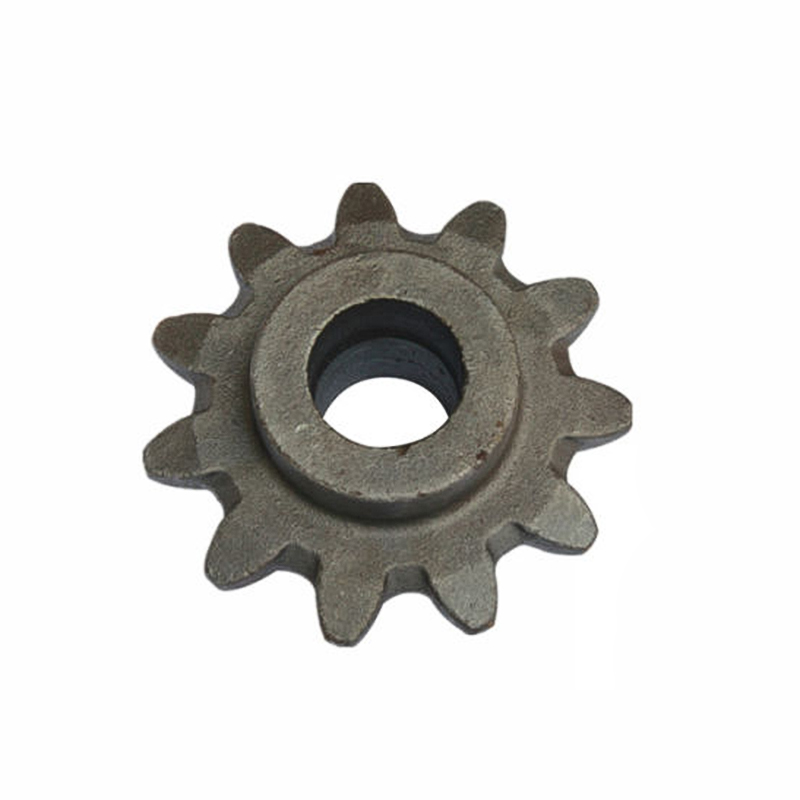 Investment Casting Iron Gear for Machinery ApplicationsThis custom iron gear provides the stiffness and wear resistance needed for gear blanks and pulleys, matching the context's discussion of cast iron properties.View Product →
Steel, in turn, goes into components that face impact, fatigue, and repeated load cycles, such as shafts, brackets, and connectors. If the application demands strength and toughness, we steer the design toward steel castings or forgings.
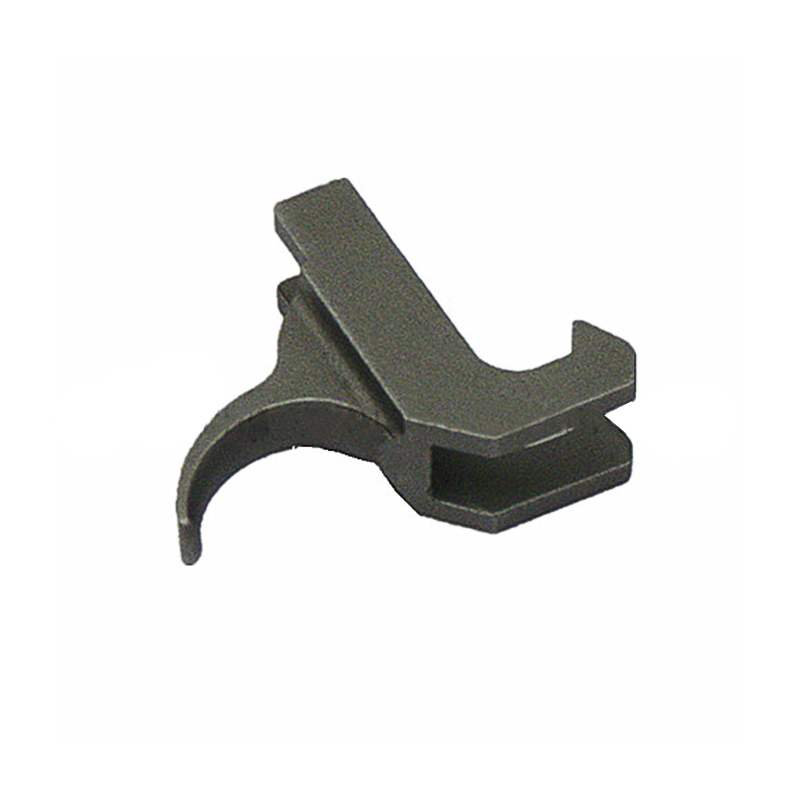 Steel Investment Casting Machining Parts for Complex GeometriesThese steel castings deliver high accuracy and tight tolerances, suitable for components demanding strength and toughness in impact and fatigue applications.View Product →
If you are about to machine a batch of parts and are unsure what you are holding, our guide to machining cast iron covers the tooling, speeds, and feeds that keep gray iron from chipping and tearing.
When in Doubt, Send the Material to a Foundry
Field tests will solve most identification problems, but production decisions should never rely on a guess. When a material will carry a safety load, or when a batch of parts must meet a specification, a certified test from the supplier is the only reliable answer.
At our plant in Ningbo, both cast iron and steel leave our production lines every day, from machined iron rods with surface treatment to alloy steel forged components. If you are planning a custom part and are not sure which family of materials fits the job, that is exactly the conversation we enjoy. You bring the idea or the sample; we bring decades of experience in casting, forging, and the metallurgy behind each. Feel free to reach out to our engineers for a straight answer on material selection.
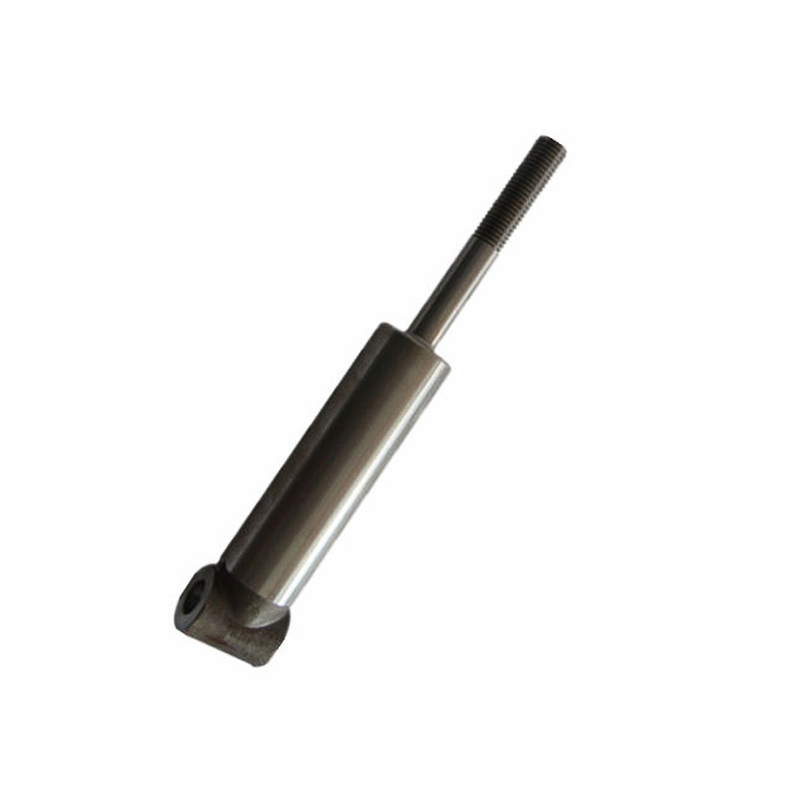 Investment Casting Iron Rods with Surface TreatmentThese treated iron rods offer a versatile option for custom parts, supported by the company's expertise in casting and metallurgy for material selection.View Product →
Selected Bearing Display
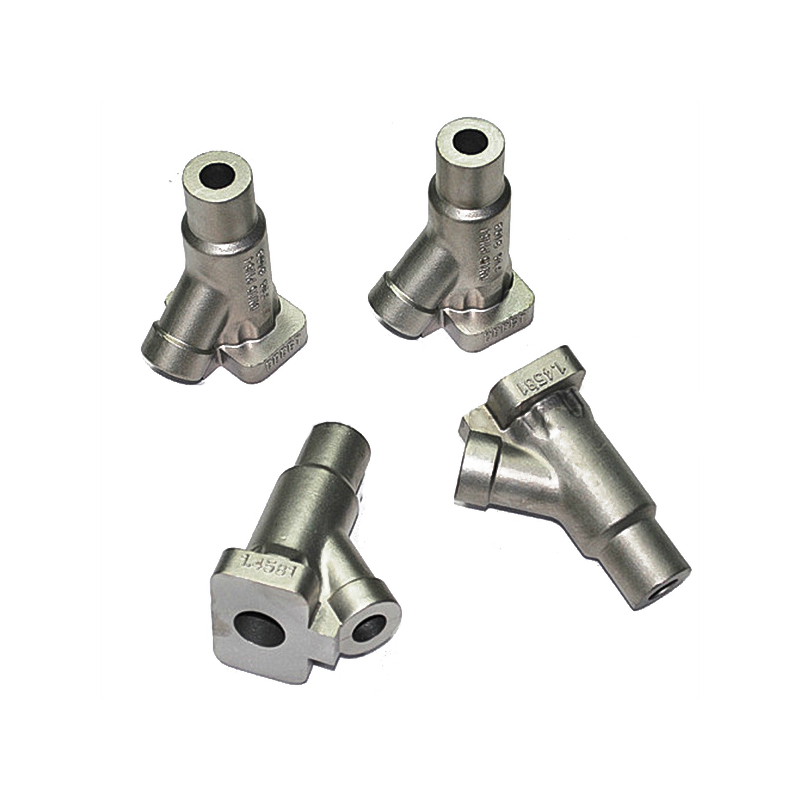

Contact Information
- Tel:+86-574-88067800/88067900
- Fax:+86-574-88067400
- Phone:+86-13967874638
- E-Mail:master@nbyifei.com
Products Links
Products Links
- Agricultural Machinery Casting Parts
- Auto Casting Parts
- Brass Die Casting Parts
- Casting Bucket Tooth And Accessory
- Container Casting Parts
- Investment Casting Parts
- Machinery Casting Parts
- Mining Machinery Casting Parts
- Railway And Train Casting Parts
- Sand Casting Parts
- Stamping & Forging Parts
- Valve Casting Parts
Contact Us
Copyright ©
Ningbo Hansheng Machinery Parts Co.,Ltd. All Rights Reserved
 Custom Die Castings Manufacturers
