

 English
 Deutsch
 简体中文

Author: FTM
Date: Oct 29, 2026
How to Machine Cast Iron: Types, Tooling, Speeds, Feeds & Finishing Tips
Cast iron has been a workhorse in machine shops for generations, and for good reason. It offers excellent rigidity, natural vibration damping, and wears well under demanding conditions. Yet many machinists approach it with caution because the material can be abrasive, dusty, and unforgiving when the wrong parameters are used.
The good news is that cast iron is actually one of the more predictable materials to machine once you understand its behavior. In this guide, we share practical advice on how to machine cast iron effectively, drawing on our daily experience producing cast and machined components for agriculture, automotive, mining, railway and general industrial customers. Whether you are tackling a one-off repair in a hobby workshop or planning a production run on a CNC line, the principles below will help you get clean, accurate results.
Understand the Cast Iron You Are Machining
Not all cast iron behaves the same way. The grade determines the tooling, cutting speed and surface finish you can expect, so it is worth identifying the material before you start. If you are unsure, a quick spark test or a look at the chip shape during a trial cut will usually tell you whether you are dealing with grey or ductile iron.
| Grade | Microstructure | Machinability | Typical applications |
|---|---|---|---|
| Grey cast iron | Graphite flakes | Excellent; short chips | Machine bases, housings, brake discs |
| Ductile (nodular) iron | Spheroidal graphite | Good; tougher on tooling | Gears, crankshafts, heavy brackets |
| Malleable iron | Temper carbon nodules | Good; moderate speeds | Pipe fittings, small hardware |
| White iron | Cementite (hard carbide) | Very difficult; grinding only | Abrasion-resistant wear parts |
Grey iron is the most rewarding starting point. Its graphite flakes act as a natural chip breaker and provide a degree of self-lubrication, which is why it machines so well dry. The chips come off short and break easily, making chip control simple. Ductile iron is stronger but generates more heat and produces stringier chips, so it demands a tougher insert grade and slightly lower cutting speeds. Malleable iron sits between the two, while white iron is so hard and abrasive that it is best left to grinding operations.
A typical example from our own production is an investment-cast iron gear used in agricultural and industrial gearboxes. It shows how the choice of grade and casting process directly influences downstream machining, and it is exactly the kind of component where consistent casting quality makes the machinist's job easier.
 Investment Casting Iron Gear for GearboxesThis precision-cast iron gear exemplifies how consistent casting quality reduces machining challenges, making it a practical choice for agricultural and industrial gearbox applications.View Product →
Choose the Right Tooling
Tool selection is the single biggest factor in cast iron machining. The material is abrasive because of the hard carbide particles in its structure, so the cutting edge needs to be sharp, strong, and able to handle interrupted cuts without breaking down.
Carbide Inserts
For most production work, use carbide inserts with a sharp edge and a positive rake angle. A C2/K20 grade suits grey iron, while ductile iron prefers a tougher grade with a slightly honed edge. Avoid negative rake tooling on lighter machines, as it tends to promote chatter rather than cutting cleanly.
High-Speed Steel
High-speed steel remains useful for finishing cuts, threading and one-off jobs on manual lathes. It can produce a very smooth surface if you keep the edge sharp and run at modest speeds. HSS also stands up well to interrupted cuts, which makes it a safe choice for rough castings with uneven allowances.
Ceramic Inserts
Ceramic inserts unlock high-speed finishing of grey iron on rigid CNC machines. They are excellent for large face-milling passes and can dramatically shorten cycle times. However, ceramics do not tolerate interrupted cuts or low rigidity, so reserve them for stable setups and continuous cuts where the machine and fixture can support them.
Use the Right Speeds, Feeds and Depth of Cut
Cutting dry is the standard rule for cast iron. Coolant can cause thermal shock at the cutting edge, and the graphite in the material already provides a degree of lubrication. If you need to keep dust down, use an air blast rather than liquid coolant.
| Operation | Material | Cutting speed (SFM) | Feed (IPT) |
|---|---|---|---|
| Turning | Grey iron | 250-400 | 0.008-0.020 |
| Turning | Ductile iron | 180-300 | 0.006-0.015 |
| Face milling | Grey iron | 200-350 | 0.004-0.010 |
| Finish turning | Grey iron, ceramic | 600-1000 | 0.004-0.008 |
Depth of cut matters more than speed when machining cast iron. A deeper cut with a moderate feed keeps the tool engaged below the hard surface skin and reduces wear. For milling, conventional milling is often preferred for roughing because it keeps the cutter away from the heaviest part of the cut; climb milling works well for finishing passes where the machine has no backlash.
Keep the Setup Rigid
One of the advantages of cast iron is that it absorbs vibration far better than steel or aluminum. That does not mean you can ignore workholding. Thin-walled castings such as housings, flanged cylinders or valve bodies can still chatter if they are not properly supported, especially when you push the tool harder.
Support large faces with solid fixtures, keep tool overhang as short as possible, and distribute clamping forces evenly to avoid distorting the part after it is released. Castings with draft angles need particular attention: locate on true machined surfaces rather than raw as-cast ones. When we machine cast iron parts in our own shop, we treat the material's natural damping as a bonus, but we never rely on it to compensate for a flimsy setup.
Manage the Dust and Stay Safe
Cast iron produces a fine, abrasive graphite dust that is hard on both machines and people. Use a shop vacuum with a HEPA filter, and consider a magnetic chip separator to remove fine particles from coolant if you use any. Cover ways and slides during heavy machining to keep dust out of moving components.
Wear safety glasses and a dust mask or respirator when machining cast iron, especially during dry cutting. The chips are sharp and the dust can irritate the lungs, so good ventilation is essential. It is also worth cleaning the machine thoroughly after a cast iron job before returning to other materials, because the abrasive dust left behind can shorten the life of your equipment and contaminate other workpieces.
Finishing and Post-Machining Treatments
For a smooth finish, switch to a sharp insert and reduce the feed while keeping cutting speed in the recommended range. A light spring pass without changing the depth of cut helps remove any surface irregularity left by the previous pass. Some machinists also use a wiper insert geometry to improve surface finish on large facing operations.
Cast iron responds well to post-machining treatments. Parts can be painted, powder-coated, phosphated or oiled to protect them from corrosion. One example from our range is a sodium silicate sand-cast polished iron ring supplied for marine hardware, where the surface finish matters as much as dimensional accuracy.
 Sodium Silicate Sand Cast Polished Iron RingThis sand-cast iron ring, polished for marine hardware, shows how surface finish and dimensional accuracy combine in a corrosion-resistant, post-machining-ready component.View Product →
A clean finish also depends on avoiding built-up edge. Maintain sufficient cutting speed to shear the material cleanly, but not so high that the edge breaks down prematurely. With the right parameters, cast iron can deliver surfaces that look almost ground, even straight off the lathe or mill.
Partner with an Experienced Casting and Machining Shop
Machining cast iron well starts before the first chip is cut. The quality of the casting has a direct effect on machinability: a consistent grain structure, controlled hardness and minimal surface defects make the difference between trouble-free production and constant tool changes.
As a manufacturer of custom castings and machined components, we combine sand casting, investment casting, CNC machining and surface treatment under one roof. This allows us to control the entire flow, from pattern design to finished part, and to give our customers a single point of responsibility. If you are evaluating a component that could be cast in iron and machined to tight tolerances, send us your drawing and we will recommend the most economical route. You can read more about the sand casting process and how it serves industrial applications.
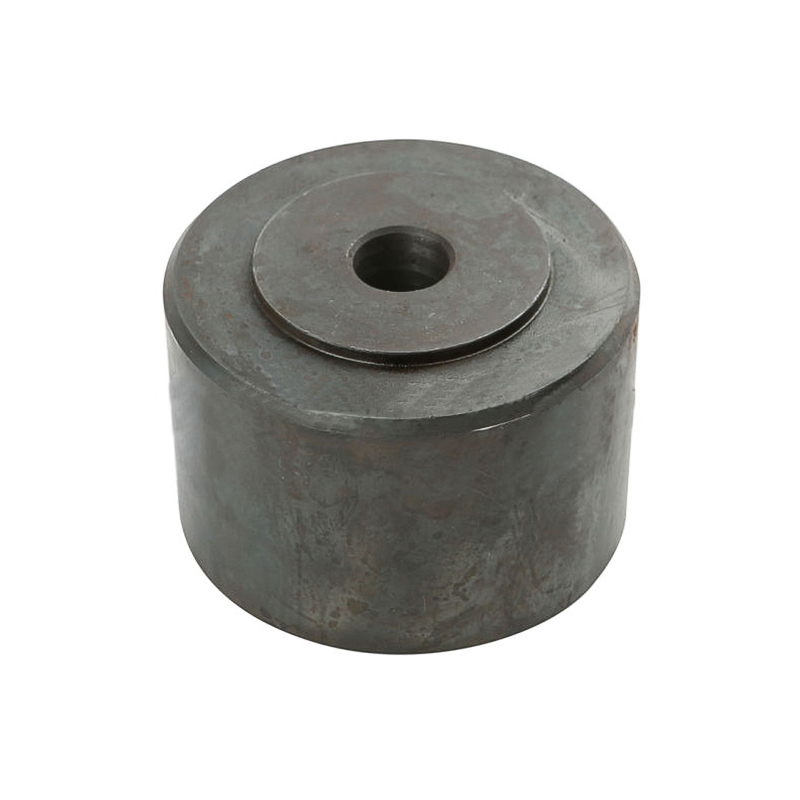 Machined Sand Casting Hydraulic CylinderThis sand-cast hydraulic cylinder suits heavy machinery requiring high force, backed by integrated casting, machining, and finishing capabilities for tight tolerances.View Product →
Selected Bearing Display

Contact Information
- Tel:+86-574-88067800/88067900
- Fax:+86-574-88067400
- Phone:+86-13967874638
- E-Mail:master@nbyifei.com
Products Links
Products Links
- Agricultural Machinery Casting Parts
- Auto Casting Parts
- Brass Die Casting Parts
- Casting Bucket Tooth And Accessory
- Container Casting Parts
- Investment Casting Parts
- Machinery Casting Parts
- Mining Machinery Casting Parts
- Railway And Train Casting Parts
- Sand Casting Parts
- Stamping & Forging Parts
- Valve Casting Parts
Contact Us
Copyright ©
Ningbo Hansheng Machinery Parts Co.,Ltd. All Rights Reserved
 Custom Die Castings Manufacturers
