

 English
 Deutsch
 简体中文

Author: FTM
Date: Nov 09, 2026
How Cast Iron Is Made: A Practical Guide to Melting, Molding and Machining
Cast iron looks simple until you watch it being poured. It is an iron-carbon alloy with more carbon than steel, usually between 2% and 4%, along with silicon and smaller amounts of manganese, sulfur, and phosphorus. That high carbon content helps the metal flow into a mold, take a clean machined finish, and absorb vibration in service. At Ningbo Hansheng Machinery Parts Co., Ltd., also known as Ningbo Yifei Machinery Parts Co., Ltd., we are often asked how cast iron is made by buyers who need custom parts rather than standard shapes. The short answer is that the iron charge is melted, adjusted to the required chemistry, poured into a prepared mold, cooled, cleaned, heat-treated if necessary, and machined to drawing. The longer answer is the one that matters when a part has to perform reliably.
What Cast Iron Actually Is
Cast iron is not one recipe. It is a family of ferrous materials in which carbon is present at a level well above what ordinary steel can hold in solid solution. The form that carbon takes, especially whether it appears as graphite flakes, nodules, or carbides, has a major effect on strength, damping, wear resistance, and machinability. That is why two castings with similar chemistry can behave quite differently after solidification.
| Cast iron type | Carbon form | Typical behavior | Common uses |
|---|---|---|---|
| Grey cast iron | Graphite flakes | Good damping, machinability, and thermal conductivity; moderate strength | Machine bases, housings, engine blocks, pump bodies |
| Ductile iron | Graphite nodules | Higher strength and ductility than grey iron; good fatigue resistance | Gears, crankshafts, valve bodies, heavy machinery parts |
| White cast iron | Carbides, little free graphite | Very hard and wear-resistant, but brittle | Wear plates, mill liners, pump components |
| Malleable iron | Tempered carbon clusters | Some ductility and impact resistance after heat treatment | Small brackets, fittings, agricultural components |
| Compacted graphite iron | Worm-like graphite | Strength between grey and ductile iron; good thermal fatigue resistance | Brake components, engine parts, demanding housings |
The grade is usually selected before production begins. A buyer may ask for grey iron because a machine base needs damping, or for ductile iron because a load-bearing part needs more strength and elongation. The foundry then works backward from that requirement to charge chemistry, melting practice, mold design, and heat treatment.
How Cast Iron Is Made, Step by Step
Foundries do not all work the same way, but most cast iron production follows a connected sequence. Each step affects the next, so a problem in melting or molding rarely stays confined to one department.
1. Charge Preparation and Melting
The charge may include pig iron, purchased scrap, internal returns, and selected alloy additions. The aim is to reach the specified carbon, silicon, manganese, sulfur, phosphorus, and alloy content while keeping the melt clean. Induction furnaces are widely used because they offer good control over chemistry and temperature. Cupolas are also used in some operations, particularly for high-volume grey iron production. The melt is sampled and adjusted before pouring, because small chemistry changes can shift graphite formation and mechanical properties.
2. Pattern and Mold Making
A pattern forms the cavity in the molding material. In sand casting, the pattern is packed in sand mixed with a binder, and the mold is assembled with gating, runners, and sometimes cores for internal passages. The gating system matters: it should fill the cavity smoothly, avoid turbulence, and feed the casting as it solidifies. Sand casting is common for cast iron because it handles a wide range of sizes, wall thicknesses, and production quantities. Sand-cast cylinders and housings are familiar examples of this route, especially where damping and thick-section soundness matter.
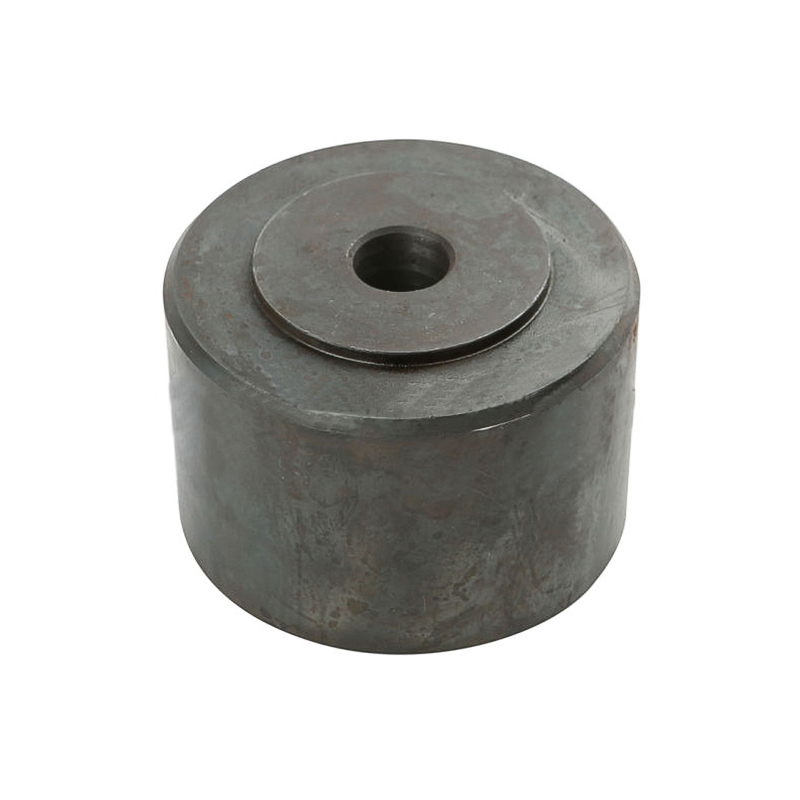 Machining Sand Casting Cylinder for Hydraulic ApplicationsCustom sand-cast and machined hydraulic cylinder for linear motion and force in industrial and heavy equipment applications.View Product →
3. Melt Treatment and Pouring
For ductile iron, magnesium or another nodulizing agent is added so that graphite forms as nodules rather than flakes. Inoculation may follow to encourage the desired graphite structure and prevent chill. Pouring temperature and speed are controlled to avoid cold shuts, gas defects, and excessive shrinkage. The mold must also be strong enough to withstand the metal's pressure and hot enough at the surface to avoid premature freezing.
4. Cooling, Shakeout, and Cleaning
After pouring, the casting cools in the mold. Cooling rate influences microstructure, so heavy sections and thin sections may not behave the same way. Once the casting is solid enough, it is shaken out, and the sand is separated for reclamation or disposal. Gates, runners, and feeders are removed, and the surface is cleaned by shot blasting, grinding, or other methods. Any visible defects are checked before further processing.
5. Heat Treatment, Machining, and Inspection
Some castings are stress-relieved, annealed, normalized, or otherwise heat-treated to improve machinability or mechanical properties. Machining may include turning, milling, drilling, boring, and grinding, depending on the drawing. Inspection can involve dimensional checks, visual examination, hardness testing, and non-destructive testing where specified. For a finished iron gear or similar precision component, the cast shape is only the starting point; the final geometry and surface finish come from machining and verification.
 Investment Casting Iron Gear for Precision ComponentsCustom iron gear produced by investment casting, positioned for finished precision parts that require machining and verification after casting.View Product →
Casting Methods Used for Cast Iron
Sand casting is the workhorse process for cast iron. It can produce small brackets and large machine frames, and it suits both jobbing work and repeat production. Investment casting, also called lost-wax casting, is used when the part needs finer detail, thinner sections, or a smoother as-cast surface. The wax pattern is coated with ceramic, dewaxed, and filled with molten metal. For cast iron, investment casting is less common than sand casting but useful for smaller, more intricate components where machining allowance can be reduced.
Permanent mold and centrifugal casting are used in specific applications. Centrifugal casting is well suited to pipes and cylindrical parts because metal is distributed by rotation. Die casting is generally not used for ferrous cast iron because the die materials would not tolerate the high pouring temperature for long, although die casting is important for non-ferrous metals such as brass and aluminum. Permanent mold casting can be practical for some iron parts, but mold life and part geometry limit its use.
Our own custom casting work covers sand casting, investment casting, die casting, and forging, with machining and surface treatment available after casting. If you are comparing production routes, our craft manufacturing overview explains how the processes fit together. The right choice depends on geometry, tolerance, quantity, and the performance requirement, not on a single process being best for every part.
Quality Points That Matter in Cast Iron
Two castings can meet the same nominal grade and still differ in service life. Foundries therefore control several variables together:
- Metal chemistry and charge consistency, including carbon equivalent and alloy recovery.
- Melting temperature, holding time, and treatment practice, especially for ductile iron.
- Mold and core quality, including sand strength, moisture control, and coating selection.
- Gating and feeding design, which influences shrinkage, porosity, and cold shuts.
- Cooling rate and heat treatment, which affect microstructure and residual stress.
- Machining allowance, fixture stability, and dimensional inspection against the drawing.
A practical buyer should share the working load, mating parts, surface finish, testing requirements, and any known failure concerns. That information helps the foundry choose a sensible grade and process rather than simply matching a material name. For custom industrial parts, the conversation between design and production is often as important as the melting furnace itself.
Applications and Buying Notes
Cast iron appears in engine blocks, manifolds, pump housings, valve bodies, gears, brake components, agricultural machinery, mining wear parts, railway components, marine hardware, and many general machinery parts. Valve bodies are a useful example because they combine pressure containment, machinability, and corrosion considerations; the casting route must support sound sections and reliable sealing surfaces.
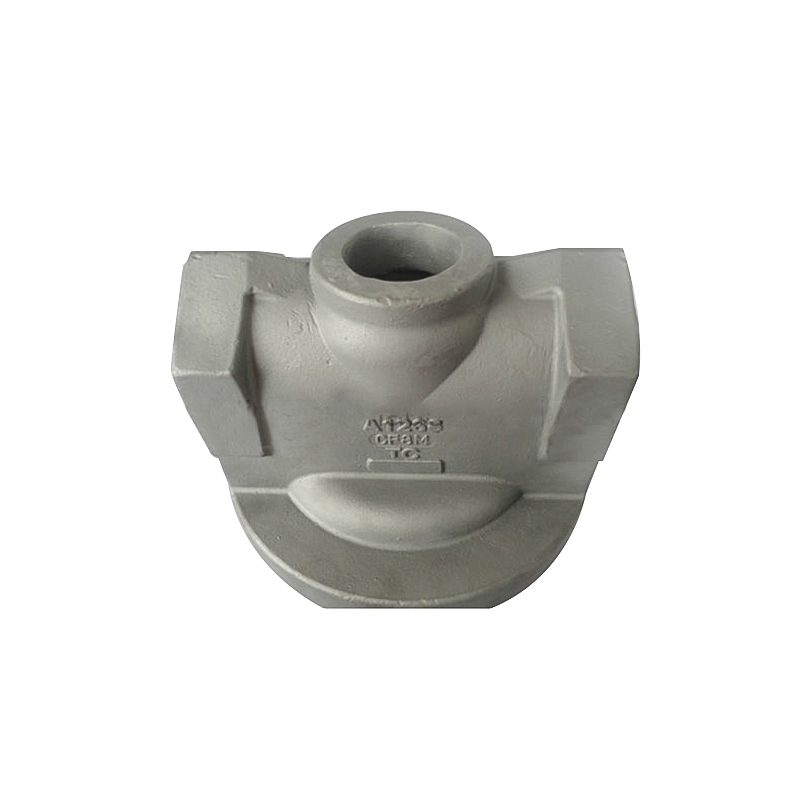 Custom Valve Casting Parts for Steel and Iron ApplicationsCustom valve castings for steel and iron applications, using lost wax, lost foam, or sand casting, with pieces up to around two tons.View Product →
When requesting a quotation, specify the material grade or performance requirement, drawing revision, machining allowance, critical dimensions, surface treatment, inspection method, and expected order quantity. If the part will be machined in-house or by a third party, confirm the datum strategy and handling of cast surfaces. Small changes in draft angle, fillet size, or machining stock can affect tooling cost and yield more than many buyers expect.
Cast iron manufacturing is a sequence of controlled decisions: charge selection, melting, treatment, molding, pouring, cooling, cleaning, heat treatment, machining, and inspection. Each decision leaves a mark on the finished part. Our team works with customers who need custom castings and machined components for industrial equipment, and we are happy to review a drawing, discuss a material grade, or help compare process options. If you are planning a cast iron part, contact us and share the performance requirements early; that is usually the fastest way to reach a sound, cost-effective casting.
Selected Bearing Display

Contact Information
- Tel:+86-574-88067800/88067900
- Fax:+86-574-88067400
- Phone:+86-13967874638
- E-Mail:master@nbyifei.com
Products Links
Products Links
- Agricultural Machinery Casting Parts
- Auto Casting Parts
- Brass Die Casting Parts
- Casting Bucket Tooth And Accessory
- Container Casting Parts
- Investment Casting Parts
- Machinery Casting Parts
- Mining Machinery Casting Parts
- Railway And Train Casting Parts
- Sand Casting Parts
- Stamping & Forging Parts
- Valve Casting Parts
Contact Us
Copyright ©
Ningbo Hansheng Machinery Parts Co.,Ltd. All Rights Reserved
 Custom Die Castings Manufacturers
