

 English
 Deutsch
 简体中文

Author: FTM
Date: Nov 16, 2026
How Do They Melt Steel? Inside Furnaces, Foundries, and Steelmaking Explained
Steel melting looks simple from a distance: load metal, add heat, wait for a bright pool, and pour. In a steel mill or foundry, it is a chain of decisions about raw material, furnace type, chemistry, temperature, and cleanliness. The short answer is that steel is melted in different furnaces for different starting points. An integrated mill reduces iron ore in a blast furnace and refines the liquid iron into steel. A scrap-based mill melts steel scrap in an electric arc furnace. A foundry remelts selected charge in an induction or crucible furnace before pouring a casting. Melting is only the middle of the story; the liquid still has to be refined and solidified.
What "Melting Steel" Really Means
Steel is an iron-based alloy with controlled carbon, usually below about 2%, plus manganese, silicon, and other elements. Its melting range is often quoted as roughly 1,370°C to 1,540°C (2,500°F to 2,800°F), depending on carbon and alloy content. Two grades can look equally liquid yet behave very differently in a mold or a forge.
The question usually points to one of three situations: primary steelmaking from ore, scrap-based steelmaking, or foundry melting for castings. Forging is different: a forge heats solid steel to a hot, plastic state; it does not normally melt it. The steel is melted and solidified elsewhere, then reheated for shaping.
The Blast Furnace Route: From Ore to Liquid Iron
An integrated mill starts with iron ore, coke, and limestone. The blast furnace is a tall counter-current reactor. Hot air is blown into the bottom, coke burns, and carbon monoxide reduces the iron oxide in the ore. The result is molten pig iron, high in carbon and carrying slag-forming impurities. The blast furnace is often called a melting furnace, but its main job is reduction and separation; it produces liquid iron, not finished steel.
That liquid iron goes to a basic oxygen furnace. Pure oxygen is blown onto the bath through a water-cooled lance. Oxygen removes excess carbon and helps oxidize silicon, manganese, and phosphorus; lime and fluxes form a slag that collects impurities. After the blow, the heat is tapped, deoxidized, and alloyed. This is where liquid iron becomes steel in the primary route.
The Electric Arc Furnace Route: Melting Scrap Into Steel
In a scrap-based mill, the electric arc furnace does the melting. Heavy scrap, shredded scrap, and sometimes direct-reduced iron are charged into a refractory-lined vessel. Graphite electrodes are lowered, and an electric arc forms between the electrodes and the charge. The arc supplies intense heat, and the scrap melts into a pool of liquid steel. Oxygen may be injected to cut scrap and help decarburization, while slag foaming protects the arc.
The EAF is flexible but scrap brings variability. Copper, tin, lead, and other residuals can accumulate, so charge selection and testing matter. After melting, the steel is tapped into a ladle for refining. The furnace has done the heavy melting work; ladle metallurgy finishes the chemistry and cleanliness.
Induction and Crucible Furnaces in Foundries
In a foundry, melting is usually smaller and more alloy-focused. An induction furnace uses alternating current to create eddy currents inside the charge. The metal heats from within and can be stirred electromagnetically. Induction furnaces suit steel and alloy castings because they give good temperature control and less contamination than fuel-fired crucible furnaces. A crucible furnace heats a refractory crucible from the outside; it works for small heats and specialty alloys but offers less stirring and more variability.
Furnace choice affects more than speed. Lining, slag practice, charge cleanliness, and temperature measurement all influence the casting. A sand casting needs enough superheat to fill the mold before the steel freezes. An investment casting needs a clean, well-degassed melt because thin sections can miss detail if the metal loses heat too quickly.
| Furnace | Heat source | Typical charge | Main role |
|---|---|---|---|
| Blast furnace | Coke and hot air | Iron ore, coke, limestone | Reduces ore to liquid iron; not a steel furnace |
| Basic oxygen furnace | Pure oxygen blown into the bath | Molten pig iron and scrap | Decarburizes and refines iron into steel |
| Electric arc furnace | Electric arc through the charge | Steel scrap, direct-reduced iron | Melts scrap for steelmaking |
| Induction furnace | Eddy currents in the metal | Steel scrap, returns, alloys | Melts foundry heats with good control |
| Reheat furnace | Fuel or electric heat | Solid steel billets | Heats for forging or rolling, not melting |
Sand-cast motor parts are one example of this foundry route.
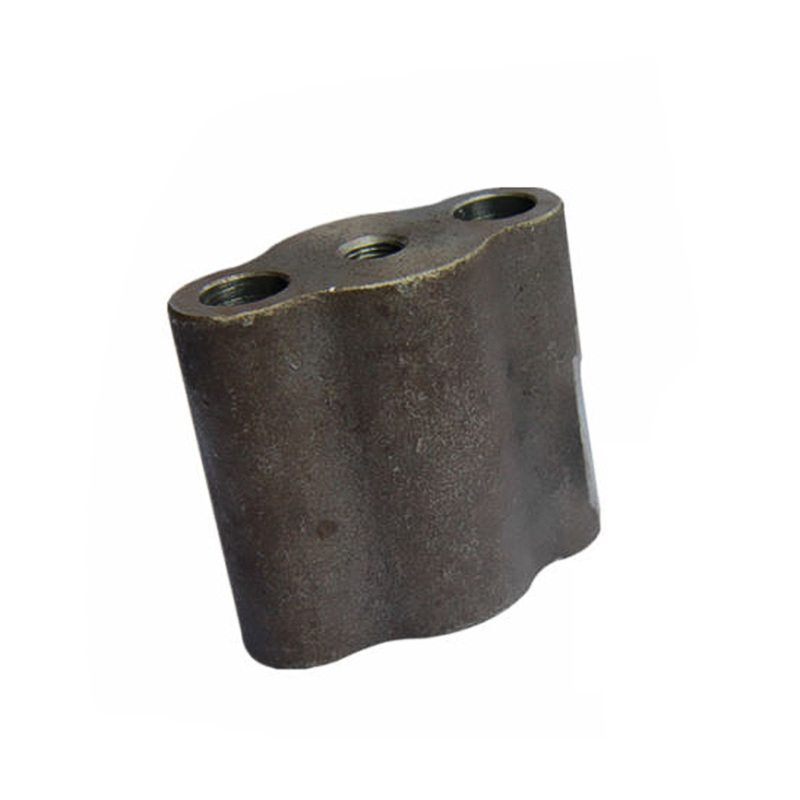 Custom Sand Casting Motor PartsCustom sand-cast motor parts; the page lists carbon, alloy, stainless steels, ductile iron, gray iron, high chromium iron, and high Mn steel as material options.View Product →
Refining the Melt Before It Is Cast
Melting alone does not make good steel. Once the charge is liquid, the furnace or ladle becomes a chemistry lab. A sample is taken, usually with a spectrometer, and checked for carbon, silicon, manganese, sulfur, phosphorus, and alloying elements. Deoxidation follows: silicon, aluminum, or other deoxidizers reduce dissolved oxygen and limit gas porosity. Desulfurization may be needed for toughness or pressure tightness, and alloy additions trim the grade to specification. Vacuum degassing can remove hydrogen and nitrogen; argon oxygen decarburization is used for stainless and high-alloy steels. Clean slag and inclusion flotation help keep non-metallic particles out of the final part.
In a foundry the sequence is practical:
- Select and weigh the charge; know residual and alloy content before the furnace is full.
- Melt under a suitable slag or protective atmosphere, limiting oxidation and gas pickup.
- Sample and adjust chemistry while the steel is liquid.
- Deoxidize, desulfurize if needed, and control pouring temperature.
- Tap or pour with a clean ladle and a controlled stream so slag stays back.
From Liquid Steel to a Finished Part
In a mill, liquid steel is usually solidified by continuous casting into slabs, blooms, or billets. Some shops still cast ingots for specialty grades or small runs. The solid steel may then be rolled, forged, or machined. In a foundry, liquid steel is poured directly into sand molds, investment casting shells, or other molds to create a near-final shape. The casting cools, is shaken out, cut, ground, heat-treated, and inspected.
The melting route leaves fingerprints. An electric arc furnace melt and an induction furnace melt can meet the same chemistry on paper but differ in residuals, gas content, and inclusions. Those differences affect machinability, weldability, fatigue life, and corrosion resistance. A careful buyer asks for the grade, the melting route, the refining practice, and test reports.
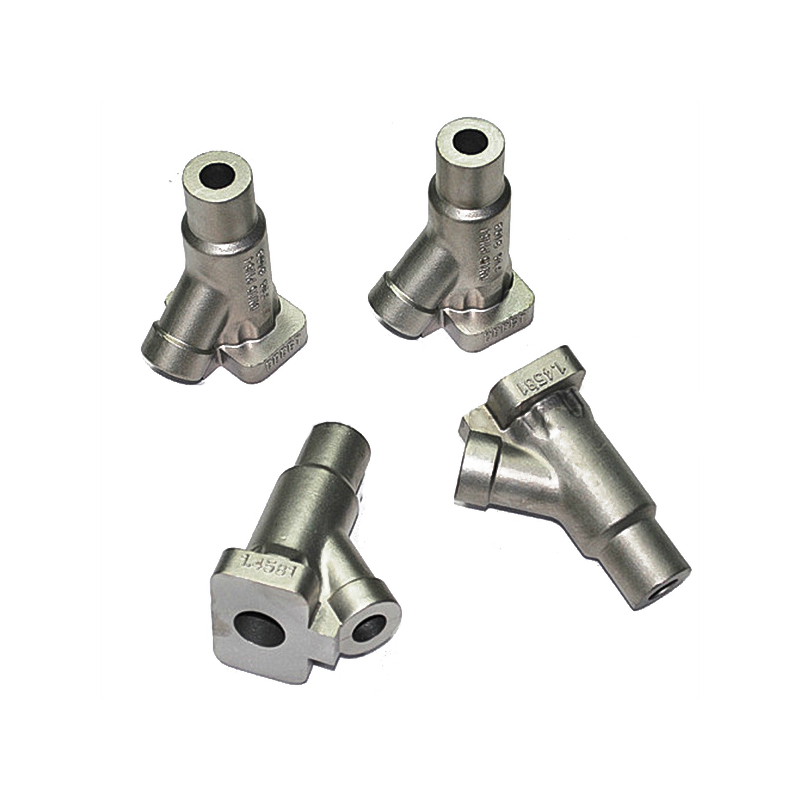
Alloy steel investment castings follow this same liquid-to-shape path.
 Alloy Steel Investment Casting PartsCustom alloy steel investment castings listed under investment casting parts; a drawing link is shown, but no visible grades, dimensions, tolerances, or performance data are provided.View Product →
Melting vs. Heating for Forging
Forging questions often get mixed into steel-melting questions. In a forge, a steel billet is heated in a reheat furnace to a temperature high enough for plastic deformation but below the melting range. The steel glows orange or yellow, yet remains solid. If the surface starts to melt, that usually signals overheating, decarburization, or a poor furnace atmosphere. Good practice controls time, temperature, and atmosphere so the steel is hot throughout without burning grain boundaries or scaling away useful material.
Shafts, flanges, and similar parts are first melted and refined at a steel mill, then solidified, cut, and reheated for forging. The forge does not usually melt the steel; it changes shape while the metal is hot and ductile, then controls cooling and heat treatment. This distinction matters when a drawing specifies forged, cast, or wrought material.
A forged steel shaft is a common example of the reheat-and-shape route.
 Custom Forged Steel Shaft ComponentCustom forged steel shaft under stamping and forging parts; a drawing section is shown, but no visible material grade, dimensions, tolerances, or performance data.View Product →
Why Melting Practice Shows Up in the Final Part
Melting and refining decisions influence defects that appear much later. Gas porosity, shrinkage porosity, non-metallic inclusions, hot tearing, and segregation all begin with the melt. In castings, a dirty melt or poor deoxidation can produce pinholes that only show after machining. In forgings, residual segregation from the original ingot can affect ductility and response to heat treatment.
At our shop, the link is straightforward: we make custom metal parts by casting and forging, and we work with the melting and refining choices that suit the drawing. Melting is not a hidden step; it is part of the route that determines how a part performs. You can review our casting and forging capabilities for the processes behind these parts.
Questions Buyers Often Ask
Is all steel melted the same way?
No. Integrated mills refine liquid iron; scrap mills melt scrap in electric arc furnaces; foundries melt smaller heats in induction or crucible furnaces. Furnace choice changes residuals, gas content, and cost.
Why can two steels of the same grade behave differently?
Because grade is a chemistry range, not a full process record. Melting route, scrap quality, refining, deoxidation, and casting practice all affect cleanliness and microstructure.
Does melting affect price?
Indirectly, yes. Furnace type, charge quality, testing, refining time, mold material, and yield all contribute. A cheap melt that needs extra inspection or machining may be the more expensive choice.
If you are planning a cast or forged steel component and want to talk through the melting route, chemistry, and finishing steps, our team can review the drawing and suggest a practical path. Contact us with the grade, quantity, and application, and we will help connect the right process to the part.
Selected Bearing Display

Contact Information
- Tel:+86-574-88067800/88067900
- Fax:+86-574-88067400
- Phone:+86-13967874638
- E-Mail:master@nbyifei.com
Products Links
Products Links
- Agricultural Machinery Casting Parts
- Auto Casting Parts
- Brass Die Casting Parts
- Casting Bucket Tooth And Accessory
- Container Casting Parts
- Investment Casting Parts
- Machinery Casting Parts
- Mining Machinery Casting Parts
- Railway And Train Casting Parts
- Sand Casting Parts
- Stamping & Forging Parts
- Valve Casting Parts
Contact Us
Copyright ©
Ningbo Hansheng Machinery Parts Co.,Ltd. All Rights Reserved
 Custom Die Castings Manufacturers
