

 English
 Deutsch
 简体中文
简体中文
Author: FTM
Date: Aug 26, 2026
Railway and Train Casting Parts: A Practical Guide to Materials, Processes, and Quality
At the end of a long production line, a cast steel bracket sits on the inspector's bench. It looks correct. The drawing shows the right dimensions, and the surface finish seems fine. But the component is headed for a rail bogie, where it will face years of vibration, shock loads, and temperature changes. One internal cavity invisible to the eye could turn into a crack after thousands of operating cycles.
Here is the conclusion before the details: railway and train casting parts are safe only when material, process, and documentation work together. A casting supplier who understands these three aspects will deliver parts that pass both mechanical testing and audit. This guide explains the differences you need to know before buying cast or forged parts for rail applications.
What Makes Railway and Train Casting Parts Different
Railway castings are not ordinary industrial castings. The operating environment makes them more demanding. Components such as brake system parts, coupler housings, gearbox casings, suspension brackets, and structural supports must resist high-cycle fatigue. They also meet rain, moisture, salt spray, dust, and extreme temperatures from -40 °C to well above 60 °C in different markets. A defect that would be tolerable in a static machine part can be life-critical on a train.
The first practical consequence is material control. Rail parts often require specified mechanical properties such as tensile strength, yield strength, elongation, and impact toughness. The foundry must control the chemical composition within a narrow range and use a suitable heat treatment cycle. Without that discipline, the same geometry can behave very differently from batch to batch.
The second consequence is traceability. Rail buyers, integrators, and inspectors expect to see the complete history of a part. This includes the melt number, heat treatment batch, inspection records, and any non-conformance reports. For this reason, a reliable supplier treats documentation as a deliverable, not as an afterthought.
Casting Processes Used for Railway and Train Parts
The manufacturing route for a railway part depends on its shape, size, material, and required production volume. Four main approaches cover most applications: investment casting, sand casting, die casting, and forging. Each has strengths and trade-offs.
Investment Casting for Rail Parts
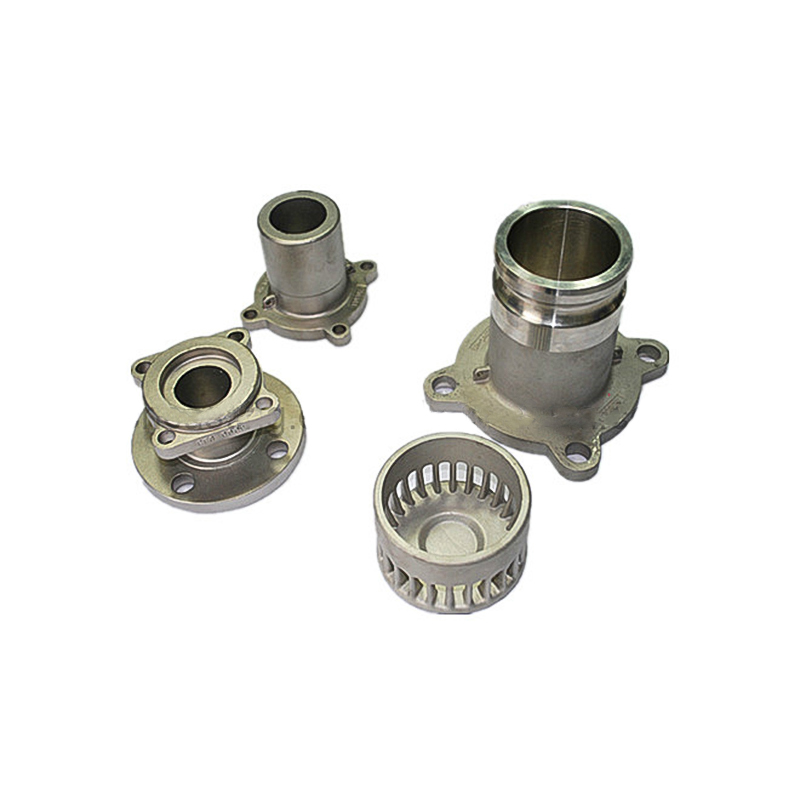
Investment casting, also called lost-wax casting, is a strong choice for complex parts with fine detail. Brackets, connectors, small housings, and components with internal channels benefit from the near-net shape that this process produces. Instead of machining a complex profile from a solid block, you cast it close to final form and then apply CNC machining only to critical surfaces. This saves material and shortens lead time. Our product line includes investment cast railway parts that are manufactured from alloy steel and stainless steel, with machining and surface treatment added as needed. The process is especially useful for medium and high volumes where dimensional consistency matters.
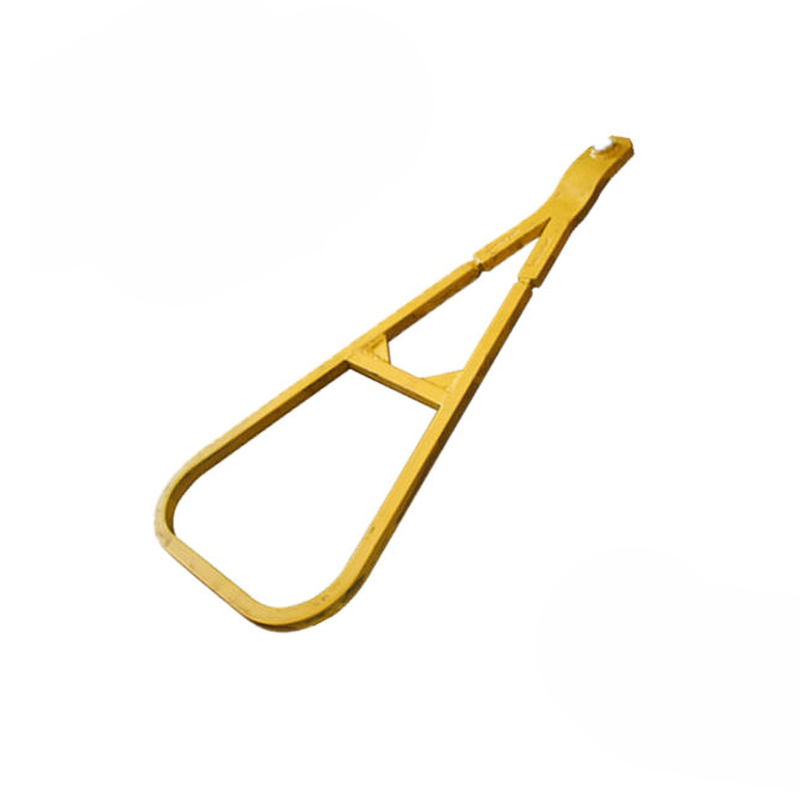 Custom Investment Casting Railway Parts Manufacturers, Factory - Ningbo HanshengNingbo Hansheng Machinery Parts Co.,Ltd. is China custom Investment Casting Railway Parts manufacturers and Investment Casting Railway Pa...View Product →
Sand Casting for Structural Components
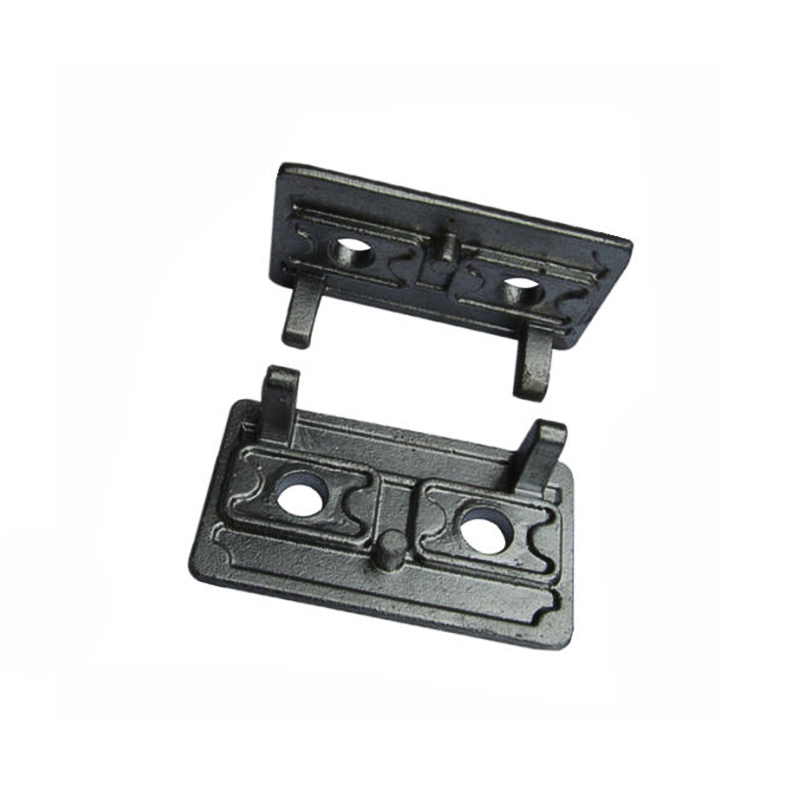
Sand casting handles larger railway components that do not require the fine detail of investment casting. Gearbox housings, pump bodies, large brackets, and structural supports are typical examples. The tooling cost is lower, and the process works well for low-to-medium quantities. The surface finish is rougher and tolerances are wider, so most parts go through machining after casting. If the same supplier can handle both casting and machining, the transition from rough casting to finished component is easier to manage.
Die Casting for Lightweight Parts
Die casting is used when the part is relatively small and the production volume is high. Aluminum die castings appear in rail lighting, door mechanisms, interior equipment, and electronic enclosures where weight reduction matters. The process gives excellent repeatability and good surface quality. The main drawback is the higher initial tooling investment, which makes sense only when the volume justifies it.
Forging for High-Stress Railway Parts
Some railway components are too safety-critical to be cast at all. Couplers, suspension links, axle box components, and gear parts often use closed-die forging because forging aligns the grain structure with the load path, giving better fatigue resistance and toughness. A hybrid approach is common: first forge the alloy steel, then machine the part to final dimensions and apply a protective coating. We offer alloy steel forged and machined railway parts that go through this full route. For a buyer, the advantage is a single supplier managing the forging, heat treatment, machining, and finishing processes.
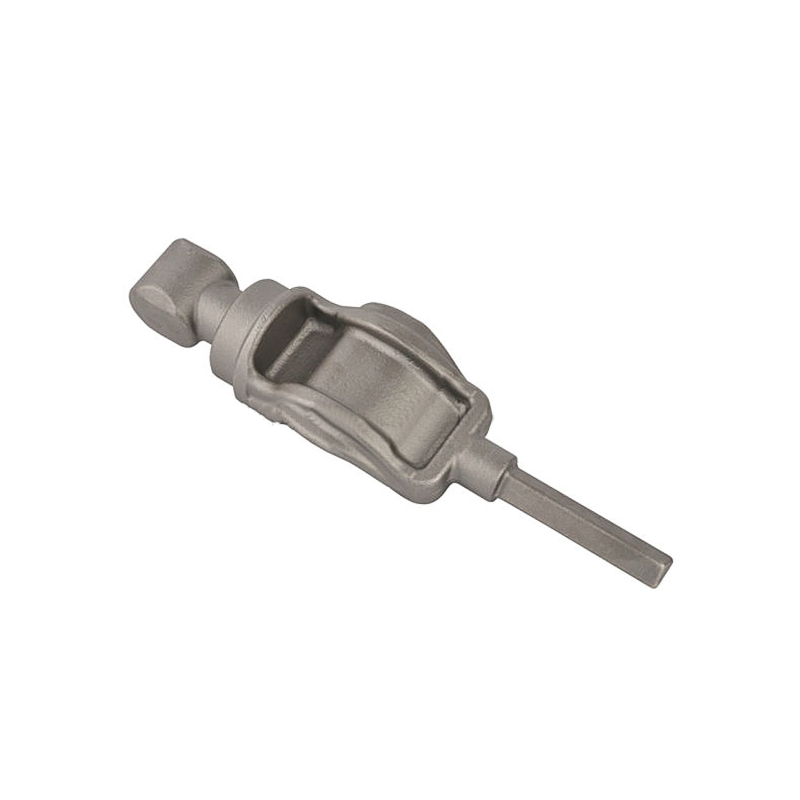 Custom Alloy Steel Forged Machining Part/Railway Parts Manufacturers, Factory - Ningbo Hansheng Machinery Parts Co.,Ltd. is China custom Alloy Steel Forged Machining Part/Railway Parts manufacturers and Alloy Steel Fo...View Product →
Materials Used in Railway Casting Parts
Choosing the right material is a combination of mechanical design, cost, and manufacturing practicality. The table below summarizes common materials used in railway and train casting parts.
| Material | Typical Application | Why It Works |
|---|---|---|
| Carbon steel | Brackets, coupler parts, housings | Good strength, weldability, moderate cost |
| Alloy steel | Gears, suspension components, bogie parts | Higher fatigue strength and wear resistance |
| Stainless steel | Corrosion-resistant fittings, exterior hardware | Resists rust, chemicals, and weather |
| Aluminum | Lightweight brackets, interior components | Reduces weight, good castability |
| Ductile iron | Brake parts, structural supports | Combines castability with ductility and shock resistance |
In practice, carbon and low-alloy steels dominate structural railway castings because they deliver the right balance of strength and toughness. Stainless steel appears where corrosion resistance is the primary requirement. Aluminum is used when weight saving is critical, such as in interior fittings and electronic housings. The supplier should be able to explain the trade-offs in numbers: yield strength, elongation, hardness, and impact energy at the operating temperature.
Quality Control and Documentation Requirements
Quality control for railway parts starts at the melt and continues through every production step. Incoming material certificates must match the specified grade. Chemical composition limits must be met, and the mechanical properties must be verified after heat treatment. Common tests include tensile testing, hardness testing, and impact testing. Non-destructive testing such as magnetic particle inspection or ultrasonic testing is often requested for critical areas.
Heat treatment deserves special attention. Casting internal stresses are removed, and the final microstructure is set during this step. If the heat treatment specification is wrong, or if the furnace load is too large, parts can come out with inconsistent hardness or residual stress. Ask for the full heat treatment record, including temperature and time, and, if possible, watch for suppliers who combine casting and heat treatment in their own facility.
Documentation and traceability are as important as the casting itself. In many rail projects, a part without complete papers cannot be accepted, even if it is technically perfect. Look for a supplier who works with ISO9001 and can produce batch traceability records. A well-organized manufacturer will provide the heat number, test results, inspection dimensions, and surface treatment details together.
How to Choose a Supplier for Railway and Train Casting Parts
Selecting a supplier for railway and train casting parts is not just about comparing quotes. The real question is whether the supplier can control the complete process. Start by examining the pattern or die tooling, then look at melting, casting, heat treatment, machining, and finishing. A supplier who owns these steps can respond quickly when problems appear and can give you one responsible point of contact.
Ask about tolerance capability and previous rail projects. Does the supplier have experience with your material grade? Can they reach the required surface finish and dimensional tolerance? Do they have internal testing capacity or do they outsource everything? The answers will tell you how much risk you are carrying.
Volume flexibility is also part of the decision. Some railway programs require only a few dozen prototype parts for testing. Others need regular production batches of thousands. An ideal supplier can handle both without changing the quality system. A factory with experience across agricultural, automotive, and mining components brings a broader understanding of heavy-duty applications, and that knowledge transfers directly to rail parts.
Railway and train casting parts cannot be treated as commodity castings. They operate in an environment where fatigue, impact, corrosion, and inspection standards are strict. The key to a safe and economical part is the combination of material selection, process control, and complete documentation. When you find a supplier that can cast or forge the part, machine it, treat the surface, and provide the full paperwork, you are not just buying a component; you are buying confidence. Define your requirements clearly, verify the supplier's capabilities, and build a long-term relationship based on traceable quality.
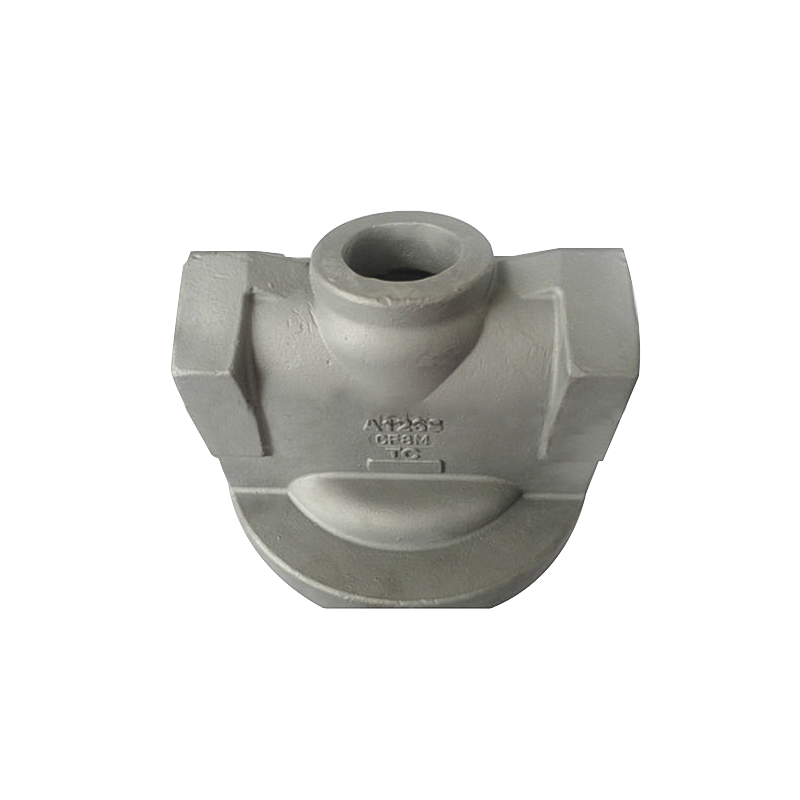
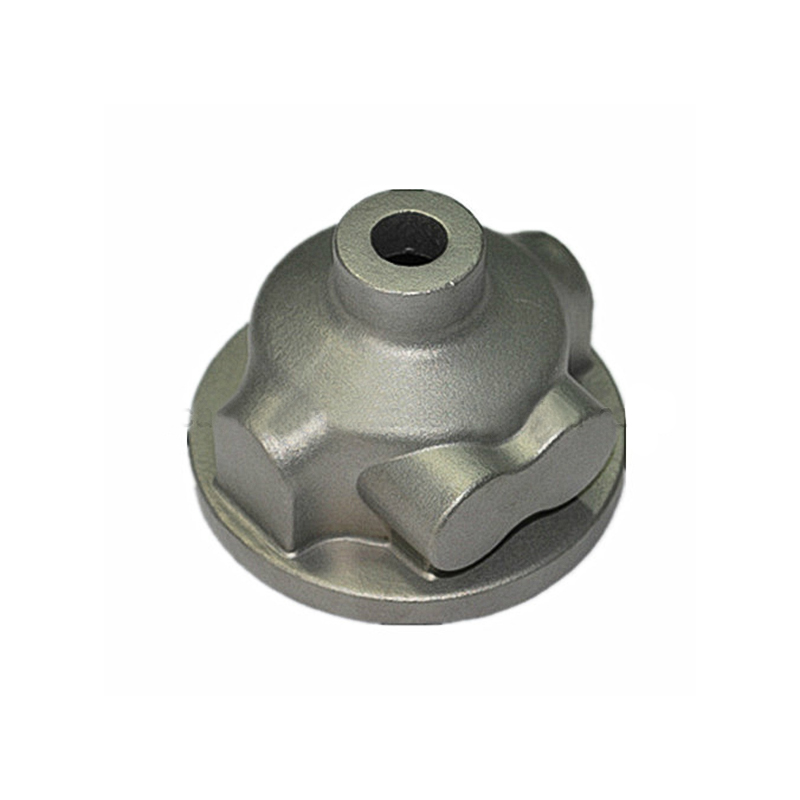
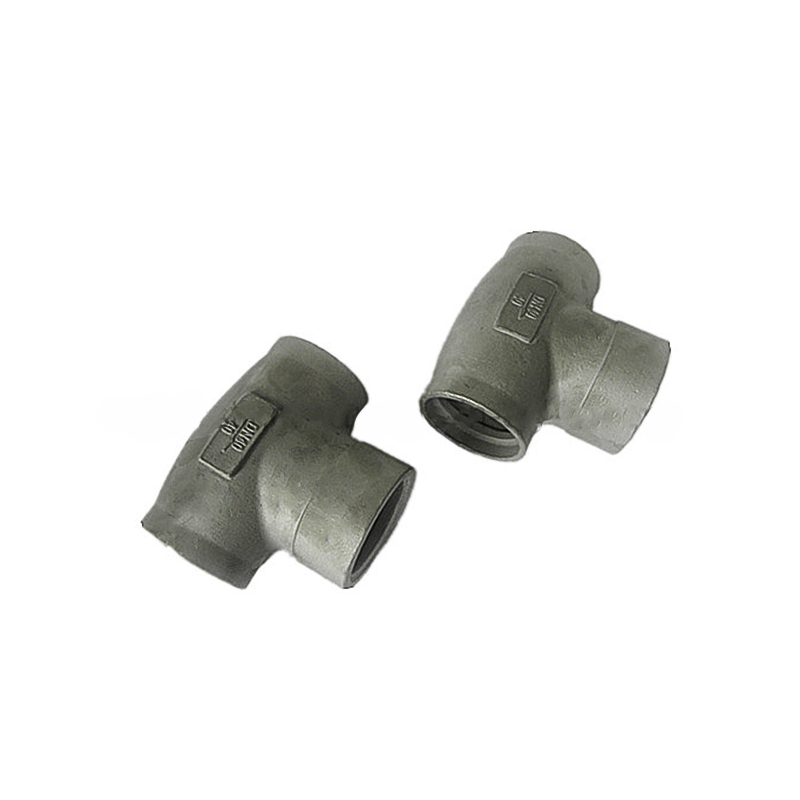
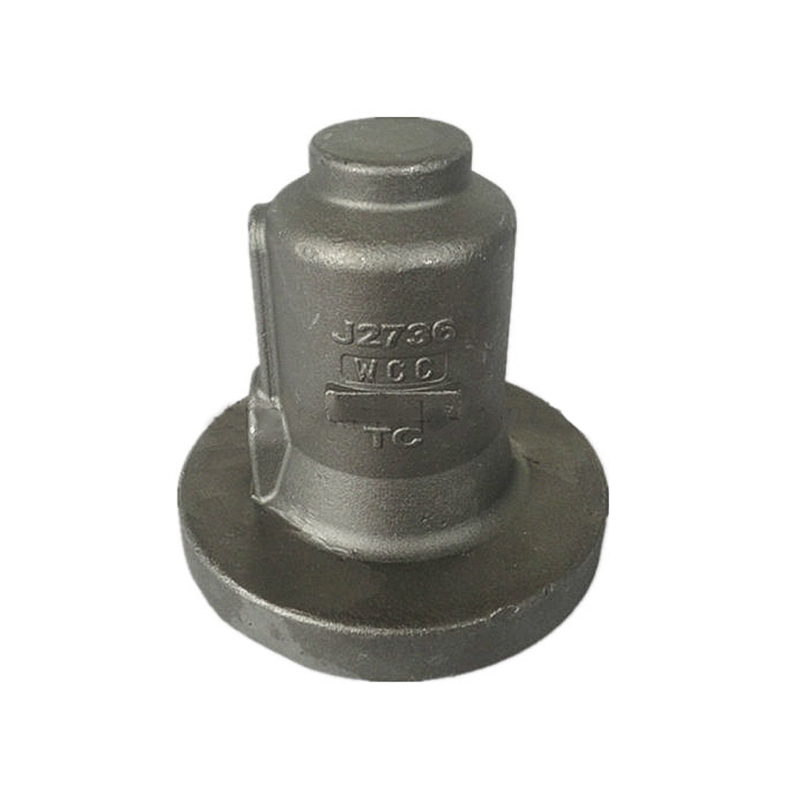
Selected Bearing Display

Contact Information
- Tel:+86-574-88067800/88067900
- Fax:+86-574-88067400
- Phone:+86-13967874638
- E-Mail:master@nbyifei.com
Products Links
Products Links
- Agricultural Machinery Casting Parts
- Auto Casting Parts
- Brass Die Casting Parts
- Casting Bucket Tooth And Accessory
- Container Casting Parts
- Investment Casting Parts
- Machinery Casting Parts
- Mining Machinery Casting Parts
- Railway And Train Casting Parts
- Sand Casting Parts
- Stamping & Forging Parts
- Valve Casting Parts
Contact Us
Copyright ©
Ningbo Hansheng Machinery Parts Co.,Ltd. All Rights Reserved
 Custom Die Castings Manufacturers
