

 English
 Deutsch
 简体中文
简体中文
Author: FTM
Date: Sep 02, 2026
Sand Casting Parts: Process, Materials, Tolerances, and Buying Considerations
Ask three foundries to quote the same 30 kg valve body and you will often receive three different prices, three different tolerance promises, and three different assumptions about machining allowance. That is not carelessness; it happens because "sand casting" covers several molding systems with very different capabilities. The short answer for buyers is this: sand casting parts are usually the most cost-effective route to sound, medium-to-large metal components in low-to-medium volumes, provided the molding system, tolerance grade, and inspection plan are matched to the part from the start.
The economics explain why. A sand mold costs a fraction of a metal die, the process accepts almost any castable alloy, and the practical size ceiling is measured in tonnes rather than kilograms. The trade-offs are looser as-cast tolerances and a rougher surface, both managed through machining allowances and a clear specification.
What Counts as a Sand Casting Part?
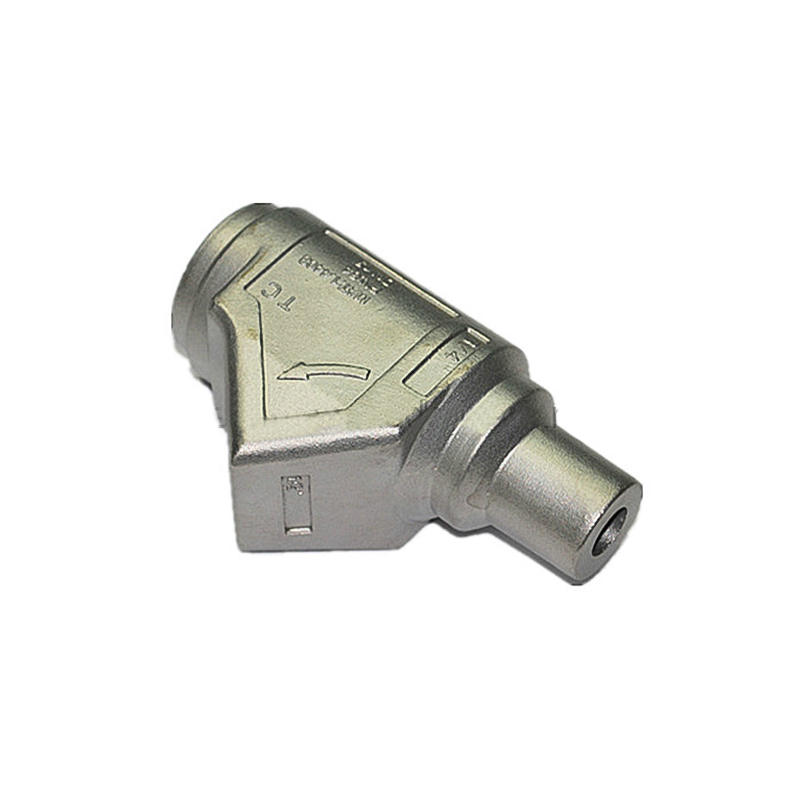
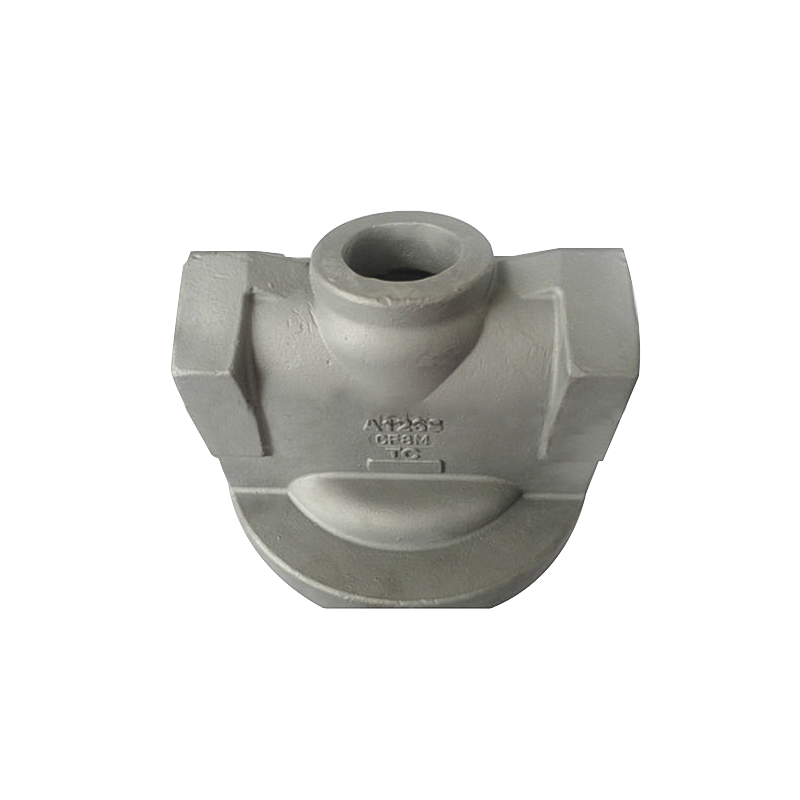
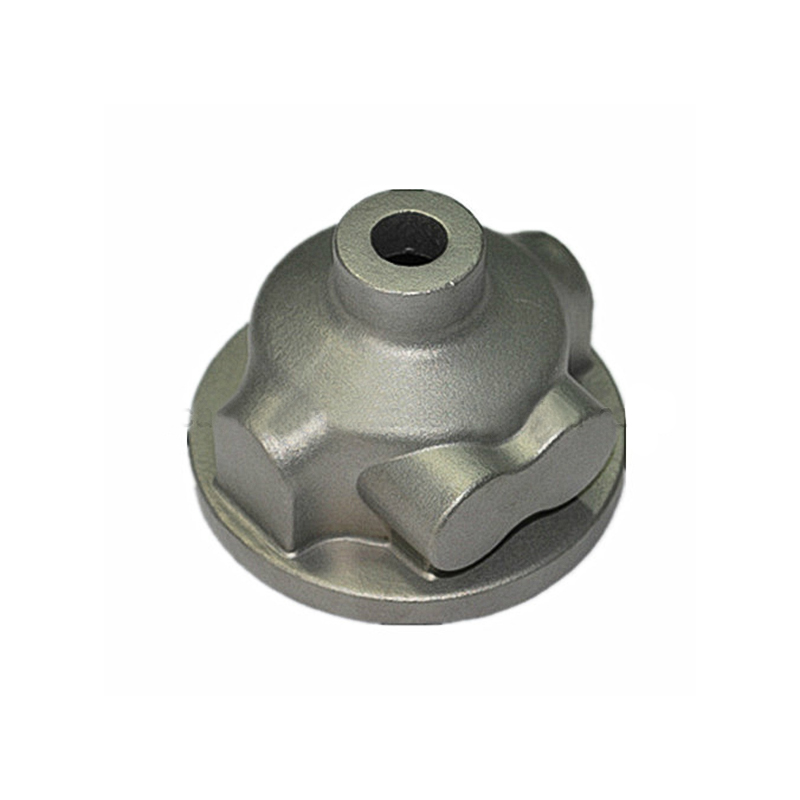
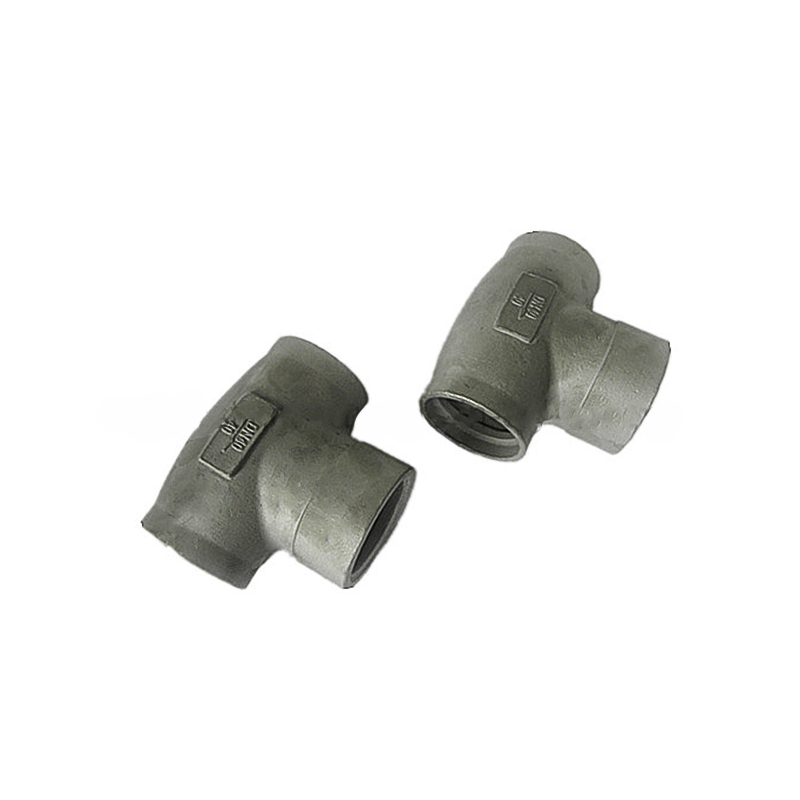
A sand casting part is any metal component shaped by pouring molten metal into a mold made of compacted, bonded sand formed around a reusable pattern. Cores, which are sand shapes placed inside the cavity, create internal passages and hollows, and that is why the process handles complexity well: valve bodies with flow paths, motor housings with cooling chambers, pipe connections with internal bores, and gearbox housings with ribbed walls.
Alloy choice is broad: gray and ductile iron, carbon and low-alloy steels, stainless steel, aluminum, and copper alloys such as brass and bronze. Finished components range from a few hundred grams to many tonnes. Two characteristics define the as-cast product. Dimensional accuracy typically falls within ISO 8062 casting tolerance grades CT9 to CT13, depending on the molding system and part size, and the surface carries the texture of the molding sand. Sealing faces, bores, and flange faces therefore need machining allowance designed in at the drawing stage and finished by cutting.
How the Process Shapes the Part and Its Cost
The sequence is easy to follow: build a pattern, form the mold halves around it, set any cores, assemble the mold, pour, cool, shake out, then cut off gates and risers and clean the casting. What matters commercially is where quality and cost are actually decided. Pattern quality and parting-line design set the baseline for dimensional accuracy. Gating and risering determine whether the metal solidifies soundly or retains shrinkage porosity. Cooling rate influences grain structure and, in steel castings, whether heat treatment is needed. Every additional core, tightened tolerance, or machined face adds cost somewhere along the chain, which is why drawings reviewed by a foundry engineer often come back cheaper, not more expensive.
For a detailed walkthrough of pattern making, molding, pouring, and knock-out, see this step-by-step explanation of how sand casting works and which parts it produces.
Molding Systems: Why Sand Casting Is Not One Process
When a supplier quotes sand casting parts, the price and the achievable precision depend heavily on the molding system behind the number. Green sand, bonded with clay and water, is the industry workhorse: fast, reusable, and cheapest per mold, which suits simpler parts in larger quantities. Sodium silicate, often called water glass sand, cures into a hard, dimensionally stable mold and is widely used for steel castings. Furan and other no-bake resin sands cure chemically at room temperature, hold their shape well, and improve the finish on larger, more intricate castings. Silica sol bonded facing sand refines the mold surface further and reduces the stock left for machining.
A practical rule follows: the more demanding the geometry or the tolerance, the more the molding system matters. A foundry that runs several systems can match the method to the part instead of forcing every job through one line, and that flexibility is worth asking about before you compare quotes.
| Molding system | Typical tolerance (ISO 8062) | Typical as-cast surface | Best suited for |
|---|---|---|---|
| Green sand (clay-bonded) | CT11-CT13 hand molding; CT9-CT11 machine molding | Roughly Ra 12.5-25 microns | Simpler parts in higher volumes at the lowest mold cost |
| Sodium silicate (water glass) sand | CT10-CT12 | Roughly Ra 12.5-25 microns | Steel castings and larger parts needing firm, stable molds |
| Furan and no-bake resin sand | CT9-CT11 | Roughly Ra 6.3-12.5 microns | Larger or more intricate castings in small-to-medium batches |
| Silica sol bonded facing sand | CT8-CT10 | Roughly Ra 6.3-12.5 microns, finer texture | Parts where finish and machining allowance must be tightened |
Where Sand Casting Parts Earn Their Keep
Valve and Fluid Control Components
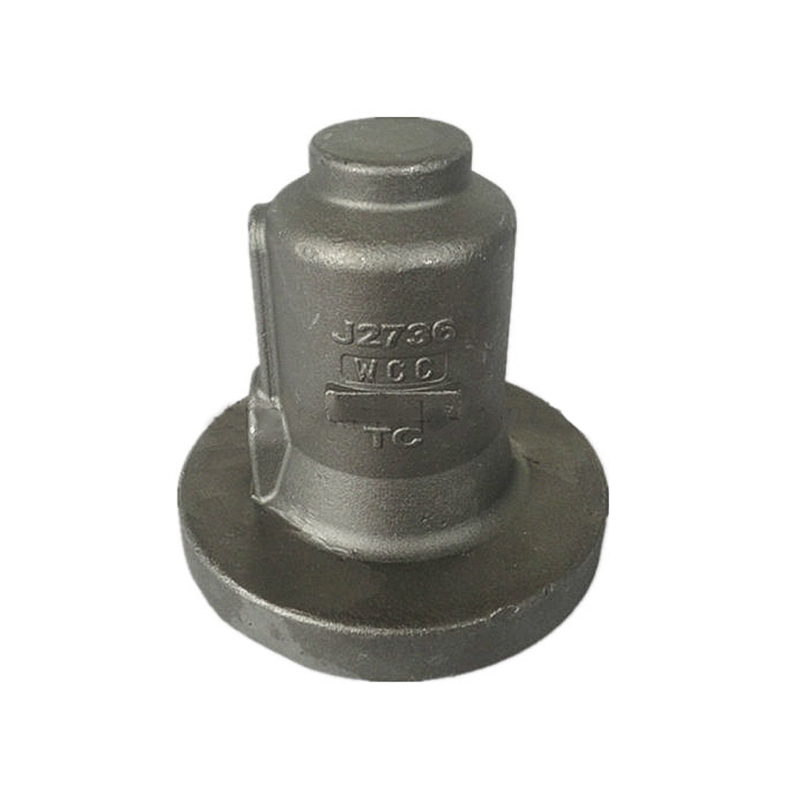
Pressure equipment is a natural fit. Alloy steel sand cast valve parts, such as bodies, bonnets, and closures, leave the mold with generous stock and are finished by CNC machining on sealing faces and flange faces, where pressure retention and leakage control matter most. The casting carries the load; the machining delivers the precision.
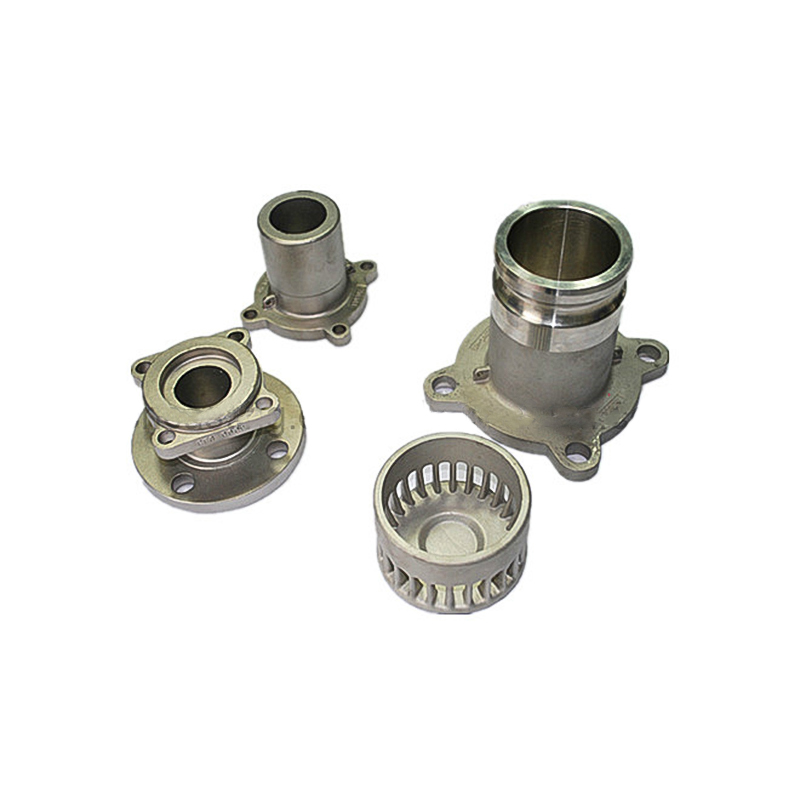 Alloy Steel Sand Casting Valve PartsSand cast valve bodies, bonnets, and closures with CNC-machined sealing and flange faces, combining casting strength with the machining precision required for pressure retention and leakage control.View Product →
General Machinery and Power Transmission
Sand cast cylinders, motor parts, bearing caps, flange shafts, and gearbox housings take advantage of the process's freedom in wall thickness and overall size, while machining brings bores and faces into tolerance. This is also where in-house machining and coating pay off, because handling between separate vendors is often where tolerance and lead time are lost.
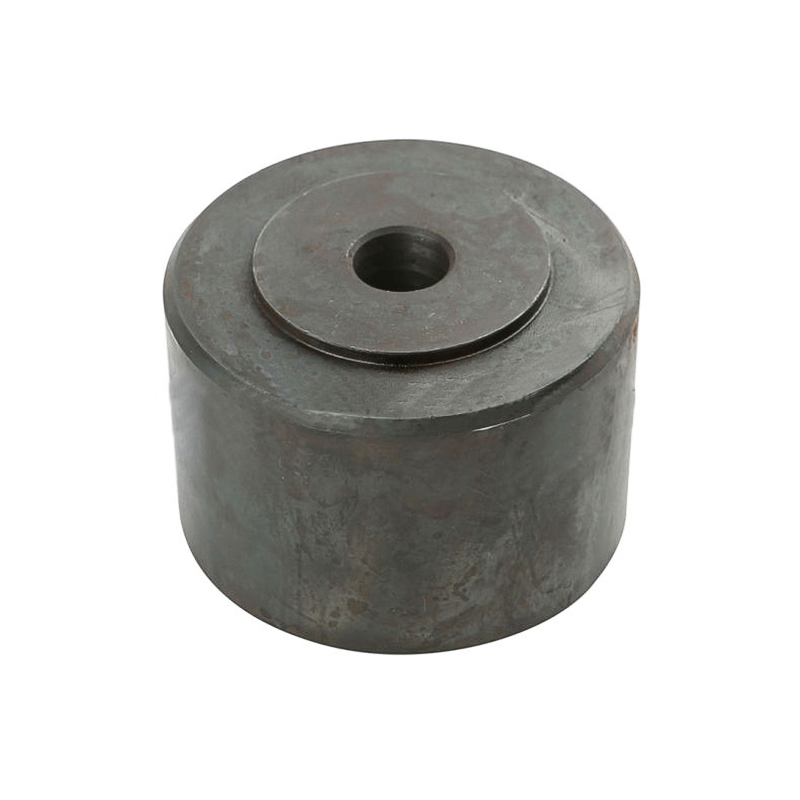 Machining Sand Casting CylinderSand cast hydraulic cylinders finished by in-house machining bring bores and faces into tolerance, offering flexibility in wall thickness and size for motor, gearbox, and heavy equipment applications.View Product →
Marine, Construction, and Agricultural Hardware
Steel sand castings for marine hardware, pipe connection parts, motorcycle components, and agricultural machinery parts round out the list: applications that need toughness, protective coatings, and dependable mechanical properties more than cosmetic finish. For heavy equipment, the same logic extends to wear parts and mounting components.
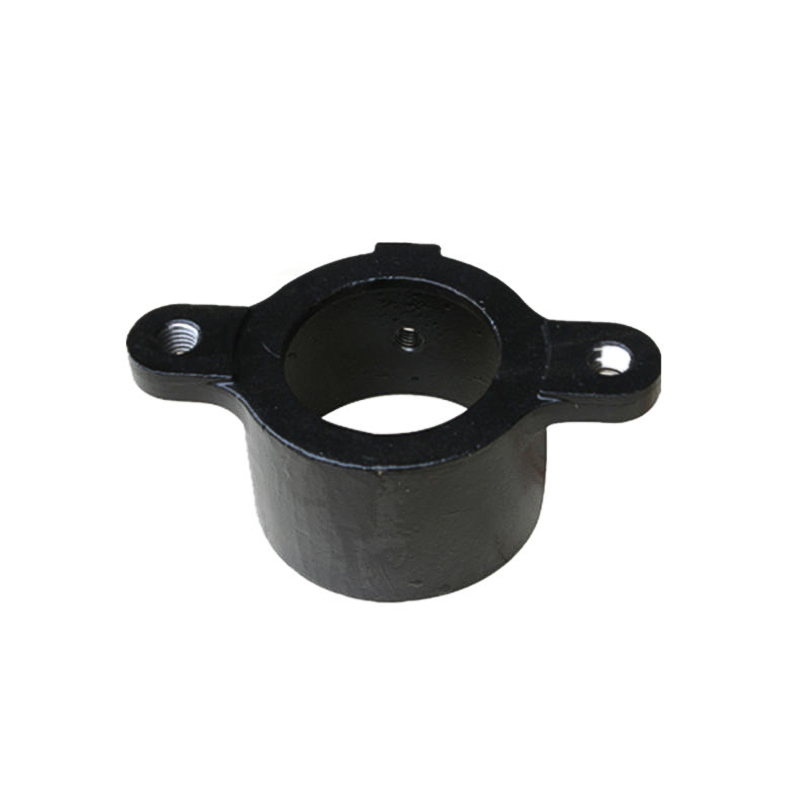 Steel Sand Casting for Marine HardwareTough steel sand castings for marine hardware and pipe connection parts, suited to applications needing protective coatings and dependable mechanical properties rather than cosmetic finish.View Product →
As a rule of thumb, if the part is ferrous, heavier than a few kilograms, or needed in volumes that do not justify hard tooling, sand casting deserves the first quote.
How Sand Casting Compares With Die Casting and Investment Casting
Conclusion first: choose sand casting for size, ferrous alloys, and low-to-medium volumes; choose die casting for thin-walled, non-ferrous parts in high volumes; and choose investment casting when tight tolerances and fine detail justify a higher piece price. None of the three is universally better, because they solve different problems.
Die casting uses a permanent steel die, so tooling is expensive but per-part cost falls sharply at volume; it is largely limited to aluminum, zinc, and copper alloys and to part sizes that fit the machine. Investment casting produces near-net-shape components with fine detail, but the wax and ceramic process costs more per piece. Sand casting sits at the opposite corner: minimal tooling investment, nearly unlimited alloy selection, and a generous size range, with looser as-cast precision that machining recovers on functional faces. Many sourcing programs use all three side by side, assigning sand castings to frames, housings, and valve bodies, investment castings to complex smaller components, and die castings to high-volume aluminum hardware.
What to Confirm Before Signing a Sand Casting Order
The difference between a smooth order and a problematic one usually shows up in the specification rather than in the metal. Before committing to a supplier, pin down the following:
- Tolerance grade and machining allowance. Name the standard, such as ISO 8062, and the tolerance grade on the drawing, and mark which faces are machined, so quotes are genuinely comparable.
- Molding system and binder. Ask whether the quote assumes green sand, sodium silicate, resin, or silica sol facing sand; the choice changes both price and achievable finish.
- Material verification. Specify the alloy standard, require a mechanical test bar for each heat, and ask for chemical composition reporting.
- Inspection scope. Agree on dimensional inspection and visual criteria, and on magnetic particle or ultrasonic testing for pressure-retaining or safety-critical areas.
- Post-casting scope. State who performs heat treatment, machining, coating, and painting, and which documents, such as dimensional reports and material certificates, ship with the goods.
- First-article approval. A sample approved against the drawing prevents most disputes later in the batch.
Working With a Custom Sand Casting Supplier
Sand casting rewards suppliers who treat it as a process to be engineered rather than simply poured, and the signs are easy to spot: the supplier asks about the working load and service environment of the part, proposes a molding system instead of waiting for one to be named, and quotes machining and coating as part of the same plan. Since 2003, Ningbo Hansheng Machinery Parts Co., Ltd., also operating as Ningbo Yifei Machinery Parts Co., Ltd., has supplied custom castings and forgings from a 5,000-square-meter factory in Ningbo, China, working under an ISO 9001 quality assurance system, with machining, heat treatment, and surface coating handled in-house and most products exported to Europe and North America.
If you are sourcing sand casting parts, the most efficient starting point is a drawing with tolerances, quantities, and application details clearly marked. A capable supplier will respond with a recommended molding system, a machining plan, and a quote you can compare line by line, and that comparison is where the real savings are found.
Selected Bearing Display


Contact Information
- Tel:+86-574-88067800/88067900
- Fax:+86-574-88067400
- Phone:+86-13967874638
- E-Mail:master@nbyifei.com
Products Links
Products Links
- Agricultural Machinery Casting Parts
- Auto Casting Parts
- Brass Die Casting Parts
- Casting Bucket Tooth And Accessory
- Container Casting Parts
- Investment Casting Parts
- Machinery Casting Parts
- Mining Machinery Casting Parts
- Railway And Train Casting Parts
- Sand Casting Parts
- Stamping & Forging Parts
- Valve Casting Parts
Contact Us
Copyright ©
Ningbo Hansheng Machinery Parts Co.,Ltd. All Rights Reserved
 Custom Die Castings Manufacturers
