

 English
 Deutsch
 简体中文
简体中文
Author: FTM
Date: Mar 04, 2026
What Automobile Parts Are Made by Casting? Full Guide
Casting is one of the most widely used manufacturing processes in the automotive industry — over 70% of all metal components in a typical passenger vehicle are produced through some form of casting. Engine blocks, cylinder heads, transmission housings, brake calipers, differential cases, steering knuckles, intake manifolds, and wheel hubs are among the most critical cast parts in modern automobiles. These components share a common requirement: complex internal geometry, high structural integrity, and cost-effective mass production — all attributes that casting delivers better than most competing processes.
Engine Components Made by Casting
The engine is the most casting-intensive system in any vehicle. Its components operate under extreme thermal and mechanical stress, requiring materials and geometries that only casting can reliably produce at scale.
Engine Block
The engine block is the largest and most complex cast part in a vehicle. It contains the cylinder bores, coolant passages, oil galleries, and main bearing saddles — all formed in a single casting. Traditionally produced from gray cast iron using sand casting, modern engine blocks increasingly use aluminum alloy (A380, A319, or A356) die cast or semi-permanent mold cast to reduce weight. A typical V8 aluminum engine block weighs approximately 50–60 lbs, compared to 80–100 lbs for an equivalent cast iron block — a weight reduction that directly improves fuel economy.
Cylinder Head
Cylinder heads are almost universally cast from aluminum alloy today, replacing the cast iron heads dominant before the 1990s. The part contains intake and exhaust ports, combustion chambers, coolant jackets, and valve seat inserts — internal geometries achievable only through sand casting or lost-foam casting with precise sand cores. Aluminum cylinder heads reduce unsprung thermal mass, improving warm-up time and allowing higher compression ratios in performance engines.
Crankshaft
While high-performance crankshafts are forged, the majority of passenger car crankshafts are cast — primarily from nodular (ductile) cast iron using green sand or shell molding processes. Cast crankshafts are adequate for most production engine applications and are significantly less expensive than forgings. A typical 4-cylinder cast ductile iron crankshaft costs 30–50% less to produce than a forged steel equivalent, making it the default choice for economy and mid-range vehicles.
Intake Manifold
Intake manifolds were historically cast from aluminum using permanent mold or die casting. Today, many are injection-molded from nylon composites for further weight savings, but aluminum cast intake manifolds remain common in truck and performance applications where thermal resistance and dimensional stability are priorities.
Exhaust Manifold
Exhaust manifolds must withstand continuous temperatures exceeding 900°C (1,650°F) and rapid thermal cycling. Cast iron — particularly high-silicon molybdenum (SiMo) grades — is the dominant material, produced via green sand casting. Some high-performance applications use cast stainless steel or Ni-resist cast iron for superior oxidation resistance.
Oil Pan and Timing Cover
Engine oil pans on larger trucks and performance vehicles are often die cast from aluminum, providing rigidity and the ability to integrate baffles and windage trays. Timing covers are typically aluminum die castings that seal the front of the engine block and house the crankshaft seal.
Drivetrain and Transmission Cast Parts
Transmission Housing and Case
Automatic and manual transmission housings are among the most geometrically complex castings in a vehicle. They must precisely locate bearing bores, shaft tunnels, and valve body mounting faces to tolerances of ±0.05 mm or tighter. Aluminum die casting is the dominant process, with typical transmission cases for passenger cars weighing 10–18 kg. High-pressure die casting (HPDC) allows cycle times under 2 minutes per part, essential for high-volume production.
Differential Case and Carrier
The differential case (spider gear housing) and carrier are cast from nodular iron or, in lighter vehicle applications, aluminum alloy. These parts must accommodate significant torque loads and gear reaction forces while maintaining precise bearing seat geometry. Nodular iron differential cases in rear-wheel drive trucks are routinely sand cast and rated for torque capacities exceeding 500 Nm.
Transfer Case Housing
Four-wheel and all-wheel drive vehicles require a transfer case to split torque between front and rear axles. Transfer case housings are die cast from aluminum alloy, integrating mounting flanges, bearing bosses, and output shaft tunnels in a single piece — consolidating what would otherwise require multiple machined and welded components.
Brake System Cast Components
Brake Caliper
Brake calipers are cast from either gray cast iron or aluminum alloy (A380 die cast). Cast iron calipers are standard on most production vehicles due to their low cost and excellent wear resistance. Aluminum calipers — used on performance and luxury vehicles — offer 40–50% weight reduction over iron equivalents, reducing unsprung weight and improving brake feel. The internal piston bore and fluid passages are formed during casting and finished by machining to bore tolerances of ±0.013 mm.
Brake Drum
Brake drums for rear drum brake systems are cast from gray iron (ASTM A159 Grade G3000 or G3500), chosen for its excellent damping properties that reduce brake squeal and its ability to distribute frictional heat across the drum wall. A typical rear brake drum for a light truck weighs 7–12 kg and is produced via horizontal green sand casting.
Brake Rotor (Disc)
Brake rotors are almost exclusively cast from gray cast iron, with the internal vane geometry (for ventilated rotors) formed by sand cores during casting. The graphite microstructure of gray iron provides excellent thermal conductivity and frictional damping. Some performance rotors use carbon-ceramic composite or drilled/slotted cast iron variants, but the base material remains a casting in virtually all cases.
Master Cylinder Body
The brake master cylinder body, which converts pedal force to hydraulic pressure, is die cast from aluminum. The bore, reservoir mounting boss, and port passages are all formed in the casting, then finish-machined to hydraulic precision tolerances.
Suspension and Steering Cast Parts
Steering Knuckle
The steering knuckle (spindle carrier) connects the wheel hub to the suspension and steering system. It must withstand complex multi-axis loads from braking, cornering, and road impacts. Traditionally cast from ductile iron, modern knuckles increasingly use aluminum permanent mold or low-pressure die casting for weight savings of up to 40%. Luxury brands like BMW and Audi have used aluminum knuckles since the early 2000s; mainstream adoption accelerated through the 2010s.
Control Arms and Wishbones
Upper and lower control arms in performance and luxury vehicles are cast from aluminum alloy using gravity die casting or squeeze casting. Squeeze casting produces near-forging-level mechanical properties by applying pressure during solidification, eliminating porosity — critical for suspension safety components. Economy vehicles typically use stamped steel control arms; cast aluminum is premium.
Steering Gear Housing
Power steering rack and pinion housings are die cast from aluminum, integrating the rack bore, tie rod end mounting points, and hydraulic or electric motor mounting provisions. The bore must be machined to close tolerances after casting to ensure smooth rack travel.
Wheel Hub and Bearing Carrier
Wheel hubs — which carry the bearing, rotor, and wheel — are cast from nodular iron on most production vehicles, providing the strength needed to handle radial and axial wheel loads. Some performance vehicles use forged or cast aluminum hubs to reduce unsprung weight.
Structural and Body Cast Components
Aluminum Structural Nodes and Shock Towers
A growing trend in modern vehicle architecture is the use of large aluminum die castings as structural nodes that replace multiple stamped and welded steel components. Tesla's "Gigacasting" approach, introduced with the Model Y in 2020, uses a single rear underbody casting that replaced 70 individual stamped parts and eliminated over 700 welds. The resulting casting weighs approximately 66 kg and reduces rear underbody manufacturing cost by an estimated 40%. Other automakers including Volvo, Toyota, and General Motors have announced similar mega-casting strategies.
Subframe and Cradle
Front and rear subframes on luxury and performance vehicles are sometimes cast from aluminum rather than fabricated from steel tubing. Cast aluminum subframes allow complex internal ribbing geometry that optimizes stiffness-to-weight ratio, and they can integrate engine mount bosses, suspension pickup points, and steering rack mounts in a single part.
Casting Processes Used in Automotive Manufacturing
Different casting processes are selected based on part complexity, required mechanical properties, production volume, and material. The automotive industry uses several distinct casting methods:
| Casting Process | Typical Material | Key Automotive Parts | Advantage |
|---|---|---|---|
| High-Pressure Die Casting (HPDC) | Aluminum, Magnesium, Zinc | Transmission case, engine block, structural nodes | Fast cycle time (<2 min); high dimensional accuracy |
| Green Sand Casting | Gray iron, Ductile iron | Engine block, brake rotor, crankshaft, exhaust manifold | Low tooling cost; handles complex cores |
| Permanent Mold (Gravity Die) | Aluminum | Cylinder head, steering knuckle, wheel hub | Better mechanical properties than HPDC; heat treatable |
| Low-Pressure Die Casting (LPDC) | Aluminum | Aluminum wheels, cylinder head | Dense, low-porosity; good for T6 heat treatment |
| Squeeze Casting | Aluminum | Control arms, knuckles, safety-critical parts | Near-forging mechanical properties; minimal porosity |
| Lost Foam Casting | Aluminum, Cast iron | Engine block (GM), differential case | Complex internal passages; near-net-shape |
Materials Used in Automotive Castings
The choice of casting material determines the part's weight, strength, thermal resistance, and cost. The automotive industry uses four primary casting materials:
- Gray cast iron — most widely used for brake rotors, drums, exhaust manifolds; excellent damping and machinability; density ~7.2 g/cm³
- Nodular (ductile) iron — used for crankshafts, differential cases, steering knuckles; tensile strength up to 800 MPa; superior to gray iron in impact resistance
- Aluminum alloys (A380, A319, A356, A357) — dominant in engine blocks, cylinder heads, transmission cases, structural nodes; density ~2.7 g/cm³ vs. 7.8 g/cm³ for steel — enabling 65% weight savings over equivalent iron parts
- Magnesium alloys (AZ91D, AM60B) — used for instrument panel frames, transfer case housings, valve covers; 33% lighter than aluminum; cost-premium limits widespread adoption
- Zinc alloys (Zamak series) — for small, precision parts: door handles, lock housings, carburetor bodies; extremely fine detail capability in die casting
Complete Reference: Major Automotive Cast Parts by System
| Vehicle System | Cast Part | Material | Process |
|---|---|---|---|
| Engine | Engine block | Aluminum / Gray iron | HPDC / Sand casting |
| Engine | Cylinder head | Aluminum | Sand / Permanent mold |
| Engine | Crankshaft | Ductile iron | Sand casting |
| Engine | Exhaust manifold | SiMo cast iron | Green sand casting |
| Engine | Oil pan / Timing cover | Aluminum | HPDC |
| Drivetrain | Transmission housing | Aluminum | HPDC |
| Drivetrain | Differential case | Nodular iron / Aluminum | Sand / Die casting |
| Brakes | Brake caliper | Gray iron / Aluminum | Sand / HPDC |
| Brakes | Brake rotor / Drum | Gray iron | Green sand casting |
| Suspension | Steering knuckle | Ductile iron / Aluminum | Sand / Permanent mold |
| Suspension | Control arm | Aluminum | Gravity / Squeeze casting |
| Wheels | Aluminum wheel | Aluminum A356 | Low-pressure die casting |
| Structure | Rear underbody (Gigacasting) | Aluminum | HPDC (mega-casting) |
Why Casting Dominates Automotive Parts Manufacturing
Casting persists as the dominant process for automotive metal components because it uniquely satisfies several simultaneous engineering requirements:
- Complex internal geometry — coolant passages, oil galleries, and hollow structures impossible to achieve with forging or machining from solid stock
- Part consolidation — a single casting can replace assemblies of 10–70 individual stamped and welded parts, reducing weight, cost, and assembly time
- Material efficiency — near-net-shape casting reduces machining material removal to 5–20% of the part volume versus up to 80% for some machined-from-billet components
- High-volume economics — die casting tooling costs of $200,000–$2,000,000 per tool are amortized over hundreds of thousands of parts, bringing per-part cost below any competing process at volume
- Material choice flexibility — the same design intent can be executed in iron, aluminum, magnesium, or zinc by changing the alloy and process, enabling platform optimization across vehicle segments
The industry's shift toward electric vehicles is accelerating casting innovation rather than diminishing it. EV battery enclosures, motor housings, and inverter cases are now produced as large aluminum die castings, applying the same principles that have governed powertrain casting for over a century to the new architecture of electrified transportation.
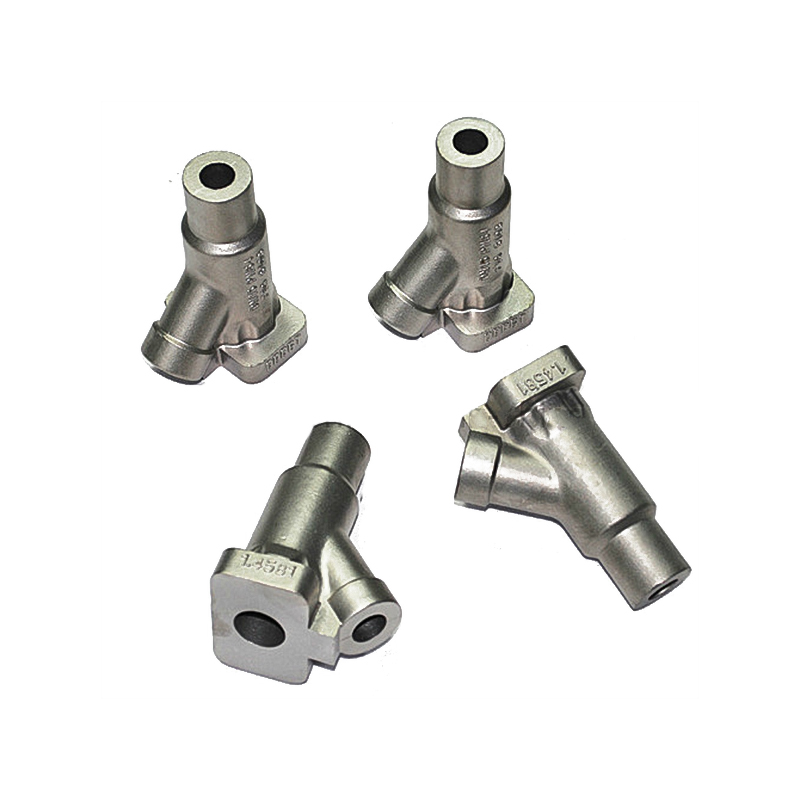
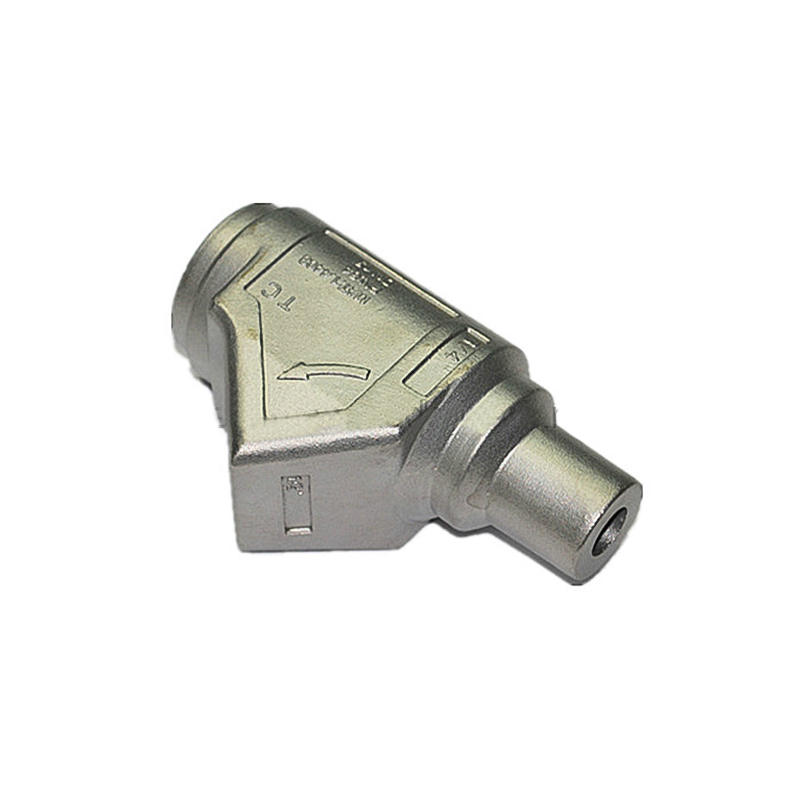
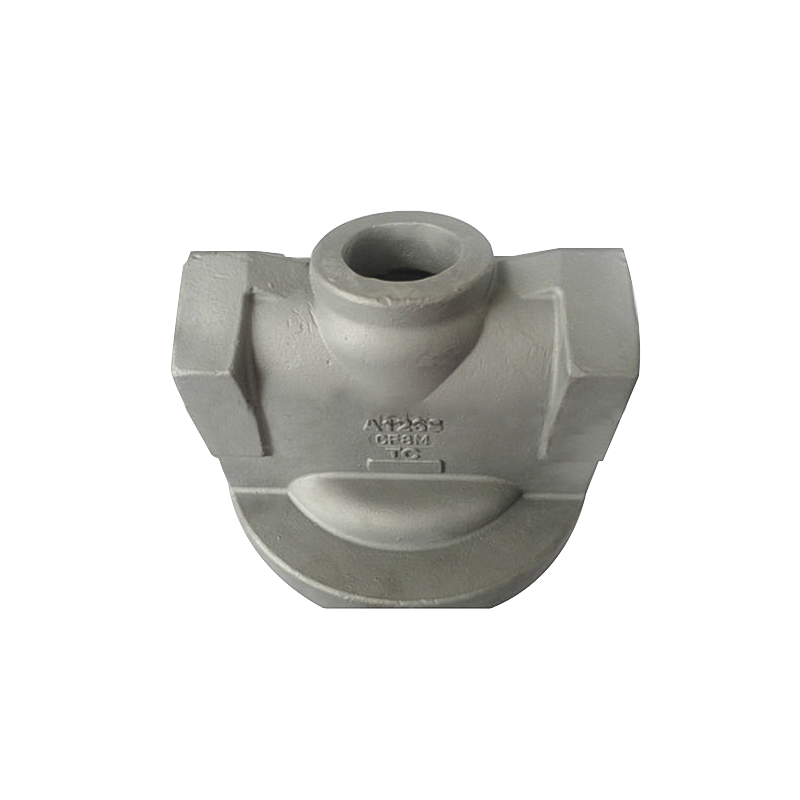
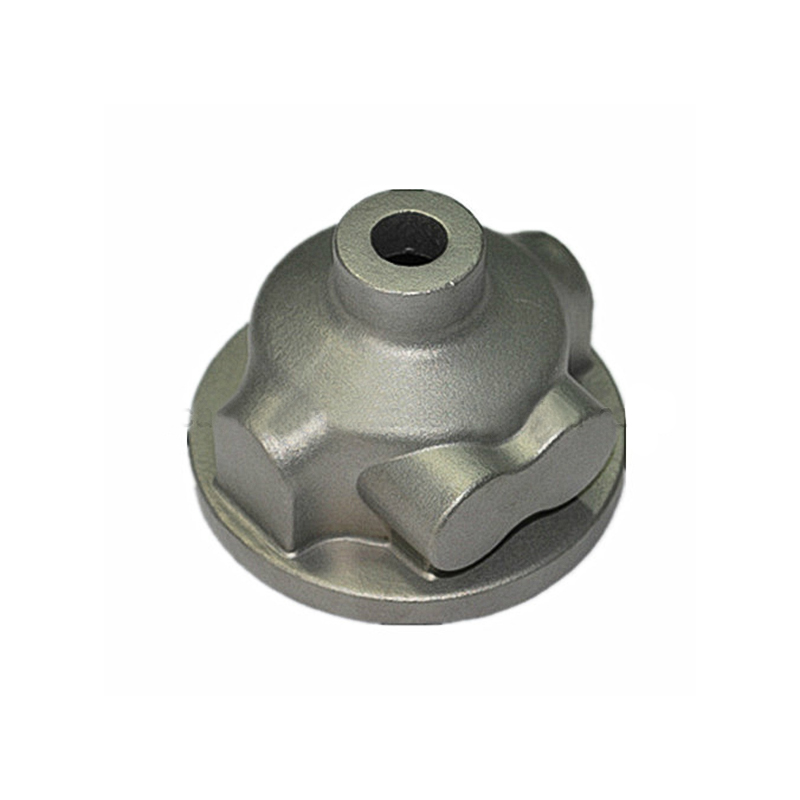
Selected Bearing Display

Contact Information
- Tel:+86-574-88067800/88067900
- Fax:+86-574-88067400
- Phone:+86-13967874638
- E-Mail:master@nbyifei.com
Products Links
Products Links
- Agricultural Machinery Casting Parts
- Auto Casting Parts
- Brass Die Casting Parts
- Casting Bucket Tooth And Accessory
- Container Casting Parts
- Investment Casting Parts
- Machinery Casting Parts
- Mining Machinery Casting Parts
- Railway And Train Casting Parts
- Sand Casting Parts
- Stamping & Forging Parts
- Valve Casting Parts
Contact Us
Copyright ©
Ningbo Hansheng Machinery Parts Co.,Ltd. All Rights Reserved
 Custom Die Castings Manufacturers
