

 English
 Deutsch
 简体中文
简体中文
Author: FTM
Date: Jun 03, 2026
What Is Investment Casting? Process, Specs & Precision Parts
Investment casting is a metalworking process in which a wax pattern is coated with ceramic slurry, the wax is melted out to leave a hollow mold, and molten metal is poured in to produce a near-net-shape part. The result is a high-precision metal component with dimensional tolerances as tight as ±0.1mm, surface finishes of Ra 1.6–3.2 µm, and the ability to reproduce internal cavities and complex geometries that no other casting method can match.
Also known as lost-wax casting, the process has been used for over 5,000 years — from ancient bronze sculptures to modern turbine blades and surgical implants. Today it is one of the most widely specified manufacturing processes for investment casting parts in aerospace, defense, medical, automotive, and industrial markets where strength, complexity, and dimensional accuracy cannot be compromised.
The Investment Casting Process Step by Step
Understanding each stage clarifies why investment casting parts achieve tolerances and surface quality that sand casting, die casting, and machining from bar stock cannot economically replicate for complex shapes.
- Tooling and wax pattern production — A metal die (typically aluminum or steel) is machined to the exact geometry of the finished part. Wax is injected under pressure into the die, producing a pattern that is a precise replica of the part, including internal features.
- Assembly onto a wax tree — Individual wax patterns are attached to a central wax sprue to form a cluster (tree), allowing multiple parts to be cast simultaneously. A single tree can hold 10 to 200 parts depending on part size, maximizing furnace utilization.
- Ceramic shell building — The wax tree is repeatedly dipped in ceramic slurry and coated with refractory sand (stucco), then dried. Typically 5 to 15 dip-and-dry cycles are completed over several days, building a shell wall 5–10mm thick capable of withstanding molten metal temperatures.
- Dewaxing — The shelled assembly enters a steam autoclave or flash furnace at 150–175°C (302–347°F). The wax melts and drains out, leaving a hollow ceramic mold — hence the name "lost-wax." The recovered wax is typically recycled.
- Shell firing — The ceramic mold is fired at 900–1,100°C (1,652–2,012°F) to burn out any wax residue, cure the ceramic fully, and preheat the mold. Preheating prevents thermal shock during pouring and reduces premature solidification in thin sections.
- Metal pouring — Molten metal is poured into the preheated mold by gravity, vacuum assist, or centrifugal force depending on alloy and part requirements. Virtually any alloy that can be melted — carbon steels, stainless steels, superalloys, aluminum, titanium, cobalt-chrome — can be investment cast.
- Shell removal and cutoff — After solidification, the ceramic shell is broken away by vibration, water blasting, or caustic leaching. Individual parts are cut from the tree using abrasive wheels or band saws.
- Finishing operations — Gate stubs are ground flush, heat treatment is applied as required, and dimensional inspection is performed. Secondary operations such as machining critical bores, threading, or surface coating are completed before final delivery.
Key Capabilities and Dimensional Standards of Investment Casting Parts
Investment casting parts are specified precisely because the process delivers dimensional and surface quality that reduces or eliminates downstream machining — a significant cost and lead-time advantage over other casting methods.
| Capability | Investment Casting | Sand Casting | Die Casting |
|---|---|---|---|
| Dimensional tolerance | ±0.1–0.25mm | ±0.8–1.5mm | ±0.05–0.15mm |
| Surface finish (Ra) | 1.6–3.2 µm | 12.5–25 µm | 0.8–1.6 µm |
| Minimum wall thickness | 0.75–1.5mm | 3–5mm | 0.5–1.5mm |
| Typical part weight range | 1g – 100kg | 0.1kg – 450kg+ | 0.01kg – 50kg |
| Alloy compatibility | Nearly all alloys | Nearly all alloys | Al, Zn, Mg, Cu alloys only |
| Draft angle required | None (0°) | 1°–3° | 1°–3° |
| Tooling cost | Medium ($500–$5,000+) | Low ($200–$2,000) | High ($5,000–$100,000+) |
| Economical volume range | 25 – 50,000+ pieces | 1 – 5,000 pieces | 10,000 – 1,000,000+ pieces |
The zero-draft-angle capability is one of investment casting's most significant design advantages. Because the ceramic mold is destroyed to release the part, there are no sliding mold halves requiring draft. This allows vertical walls, undercuts, and re-entrant geometries that die casting and sand casting simply cannot produce without cores or complex tooling.
Materials Used in Investment Casting Parts
One of investment casting's defining strengths is material versatility. Because the ceramic mold is a one-use consumable, it can be designed to withstand the pouring temperature of virtually any metal alloy — including high-temperature superalloys and reactive metals like titanium that are impossible to die cast.
Stainless Steel and Carbon Steel
The most common investment casting material category. Stainless steel grades 316, 304, 17-4 PH, and 15-5 PH dominate food processing, marine, medical, and chemical equipment applications. Carbon and low-alloy steels (4140, 8620, WCB) are used for structural and wear-resistant parts in industrial machinery.
Nickel-Based Superalloys
Grades such as Inconel 718, Inconel 625, Hastelloy X, and Waspaloy are used almost exclusively in investment casting for aerospace turbine components. These alloys retain strength at temperatures above 1,000°C (1,832°F) and cannot be forged or machined economically into the complex shapes required. An aircraft gas turbine engine may contain 300–1,000 individual investment cast superalloy components.
Titanium Alloys
Ti-6Al-4V is the most widely investment cast titanium alloy, used for aerospace structural parts, medical implants, and high-performance automotive components. Titanium investment casting requires vacuum or inert-gas melting and pouring to prevent oxidation, adding process cost but delivering parts with a strength-to-weight ratio approximately 60% better than steel at half the density.
Aluminum Alloys
A356, A357, and 206 aluminum alloys are investment cast for aerospace, defense electronics housings, and precision automotive components where low weight and complex geometry are required. Investment cast aluminum achieves better mechanical properties than sand cast equivalents due to finer grain structure from rapid solidification in the thin ceramic shell.
Cobalt-Chrome Alloys
Cobalt-chrome (CoCrMo) alloys are investment cast for orthopedic implants (hip and knee joint components), dental prosthetics, and industrial wear parts requiring corrosion and abrasion resistance. Their biocompatibility and hardness (up to HRC 40–45 in as-cast condition) make them difficult to machine, increasing the value of near-net-shape investment casting.
Industries and Applications for Investment Casting Parts
Investment casting parts appear in virtually every sector that demands complex metal geometry, high strength, and reliable dimensional repeatability across production runs.
Aerospace and Defense
The aerospace industry is the largest consumer of precision investment casting parts by value. Turbine blades, vanes, nozzles, structural brackets, actuator housings, and fuel system components are routinely investment cast. The process is approved under AS9100 and NADCAP accreditation frameworks, and many castings meet AMS (Aerospace Material Specifications) standards. The global aerospace investment casting market exceeded $4 billion USD in 2023.
Medical and Surgical
Orthopedic implants, surgical instrument bodies, dental frameworks, and cardiovascular device components are investment cast from titanium, stainless steel, and cobalt-chrome. The process meets ISO 13485 medical device quality requirements and enables the complex porous lattice structures increasingly required in bone ingrowth implant designs.
Automotive and Motorsport
Turbocharger housings, exhaust manifolds, throttle bodies, brake calipers, and suspension knuckles are common automotive investment casting parts. In motorsport, where part weight is critical, titanium investment castings are specified for connecting rods, suspension uprights, and gearbox casings. Production automotive applications typically use stainless or carbon steel investment castings where die casting alloy limitations preclude alternative processes.
Oil, Gas, and Petrochemical
Valve bodies, pump impellers, flow control components, and subsea connector housings are investment cast from corrosion-resistant alloys including Duplex stainless, Super Duplex, Inconel, and Hastelloy. These parts must pass stringent pressure and leak testing, and investment casting's dense, low-porosity microstructure is essential for pressure-retaining applications rated at up to ANSI Class 2500 (420 bar / 6,000 psi).
Industrial Machinery and Food Processing
Agitator blades, conveyor components, gearbox housings, and chain links are produced by investment casting in stainless steel for hygienic environments, or in wear-resistant high-chrome alloys for abrasive handling applications. The smooth as-cast surface of investment casting parts simplifies cleaning and reduces bacterial adhesion in food and pharmaceutical plant equipment.
Advantages of Investment Casting Over Alternative Processes
Investment casting is not the right process for every part, but for the applications it suits, its advantages over alternatives are substantial and quantifiable.
- Complex geometry without assembly — features that would require multiple machined and welded components can often be consolidated into a single investment casting, eliminating joints, reducing weight, and improving structural integrity
- Near-net shape reduces machining — investment cast parts typically require 30–70% less machining than equivalent parts cut from bar or plate stock, reducing material waste and cycle time
- No draft angle requirement — vertical walls, deep cavities, and undercuts are fully achievable without split-line compromise or core complexity
- Material compatibility — virtually any metal alloy that can be melted can be investment cast, including high-temperature superalloys and reactive metals that are incompatible with die casting tooling
- Excellent repeatability — ceramic shell molds produced from a single master wax die deliver consistent dimensions across thousands of parts with Cpk values routinely exceeding 1.33 on critical features
- Superior surface finish as-cast — Ra 1.6–3.2 µm directly from the mold versus Ra 12.5–25 µm for sand casting; many investment casting parts require no surface finishing beyond light bead blasting
Limitations and When Investment Casting Is Not the Best Choice
A balanced evaluation requires understanding where investment casting underperforms relative to alternatives:
- High unit cost at low volumes — tooling amortization over fewer parts makes investment casting uneconomical below roughly 25–50 pieces for most geometries; prototype quantities are better served by CNC machining or 3D-printed patterns
- Size limitations — most foundries have practical limits around 25–50kg per part; very large structures (over 100kg) are better served by sand casting or forging
- Long lead time — the multi-day ceramic shell building cycle means typical foundry lead times of 4–12 weeks from tooling approval to first article, compared to 1–2 weeks for sand casting
- Porosity in thick sections — sections thicker than 75–100mm are difficult to feed during solidification, risking internal shrinkage porosity; heavy cross-sections are better addressed by forging or sand casting with risers
- Very high volumes favor die casting — where alloy compatibility permits (aluminum, zinc, magnesium), die casting delivers faster cycle times and lower per-part cost above approximately 10,000 pieces
Design Guidelines for Investment Casting Parts
Optimizing a design for investment casting at the concept stage avoids costly tooling revisions and ensures the process delivers its full dimensional and economic benefits.
Wall Thickness
The practical minimum wall thickness for steel investment castings is 1.5–2mm; aluminum can achieve 0.75–1.5mm in favorable orientations. More critically, uniform wall thickness is more important than minimum thickness — abrupt transitions between thick and thin sections create solidification hot spots that cause shrinkage porosity. Where thick and thin sections must meet, taper the transition over a minimum 3:1 length-to-thickness ratio.
Internal Cavities and Cores
Simple internal cavities can be formed by soluble wax cores. Complex internal passages — as in turbine blade cooling channels — require preformed ceramic cores that are placed inside the wax die before injection. Ceramic core casting adds significant cost and lead time but enables internal geometries with passage diameters as small as 1.5–2mm that no other casting process can achieve.
Parting Line and Wax Die Design
Although investment casting parts require no draft angle, the wax die still has a parting line where the die halves meet. Features crossing the parting line may show a faint witness line on the casting. Place parting lines in non-critical areas or on surfaces that will be machined. Unlike die casting, investment casting allows multiple pull directions in the wax die through the use of loose pieces (slides), enabling external undercuts without added casting cost.
Radii and Fillets
Sharp internal corners concentrate stress in both the wax pattern and the final part. Minimum internal fillet radius of 0.5–1mm is recommended for all inside corners; 1.5–3mm is preferred for structural applications. External corners can be sharp as-cast but benefit from small chamfers (0.5mm minimum) to reduce ceramic shell cracking during dewaxing and firing.
Quality Standards and Inspection for Investment Casting Parts
Investment casting parts for critical applications are subject to stringent quality verification protocols. The applicable standards and inspection methods depend on the industry and application:
| Industry | Quality Standard | Key Inspection Methods | Typical Acceptance Criterion |
|---|---|---|---|
| Aerospace | AS9100 / NADCAP / AMS | FPI, X-ray, CMM, chemical analysis | Zero linear indications; ASTM E2422 porosity levels |
| Medical | ISO 13485 / ASTM F75 / F136 | CMM, SEM, tensile testing, biocompatibility | Per ASTM material spec; full traceability required |
| Oil and Gas | ASTM A703 / NACE MR0175 | RT, UT, PT, hydrostatic pressure test | ASTM E186 / E280 radiographic acceptance |
| Automotive | IATF 16949 / PPAP | CMM, hardness, visual, leak test | Cpk ≥ 1.33 on critical dimensions |
| General Industrial | ISO 9001 / ASTM A732 | Visual, dimensional, hardness | Drawing tolerance; ASTM E125 surface discontinuities |
Fluorescent Penetrant Inspection (FPI) detects surface cracks and laps invisible to the naked eye. Radiographic Testing (RT / X-ray) reveals internal shrinkage porosity and inclusions. Coordinate Measuring Machine (CMM) inspection verifies dimensional compliance against 3D CAD nominal geometry with reported GD&T callouts. For safety-critical investment casting parts, first article inspection (FAI) reporting per AS9102 or equivalent is standard practice.
Investment Casting vs. 3D Printing: How the Technologies Relate
Additive manufacturing has created new pathways into investment casting rather than replacing it. 3D-printed wax or wax-substitute patterns can replace machined wax dies entirely for prototype and low-volume production, eliminating tooling cost and reducing lead time from weeks to days. This approach — sometimes called "rapid investment casting" or "direct investment casting from print" — uses stereolithography (SLA) or material jetting patterns coated and cast using the standard ceramic shell process.
For production volumes above 500 pieces, machined wax dies remain more economical per part. For volumes of 1–100 parts, 3D-printed patterns make investment casting accessible at prototype pricing. The combination allows engineers to design investment casting parts from the outset — with all the associated geometric freedom — and transition seamlessly from prototype prints to production tooling without redesign.
Frequently Asked Questions About Investment Casting
How accurate is investment casting?
Investment casting typically achieves dimensional tolerances of ±0.1–0.25mm on features under 25mm, with tolerances scaling by approximately ±0.05mm per additional 25mm of dimension per the Investment Casting Institute (ICI) standard tolerances. These are as-cast values — secondary CNC machining of critical bores, flanges, or mating surfaces can achieve ±0.02mm or better where required.
What is the minimum order quantity for investment casting parts?
Most investment casting foundries will quote from a single piece (using a 3D-printed pattern) or from 25–50 pieces using a machined wax die. The economic break-even point where investment casting becomes more cost-effective than CNC machining varies by geometry but typically falls between 50 and 200 pieces per year for moderately complex parts.
Can investment casting parts be welded?
Yes — investment casting parts in carbon steel, stainless steel, aluminum, and nickel alloys are routinely welded using standard processes (TIG, MIG, electron beam). Weldability depends on alloy composition and heat treatment condition, not on the casting process itself. Many aerospace and oil and gas investment castings are welded to wrought fittings as part of their assembly design.
How long does investment casting tooling last?
Aluminum wax injection dies typically last 10,000–50,000 injections before dimensional wear requires rework or replacement. Steel dies last 100,000+ injections for high-volume production. Tooling life is a key consideration in the total cost of ownership calculation for any investment casting program.
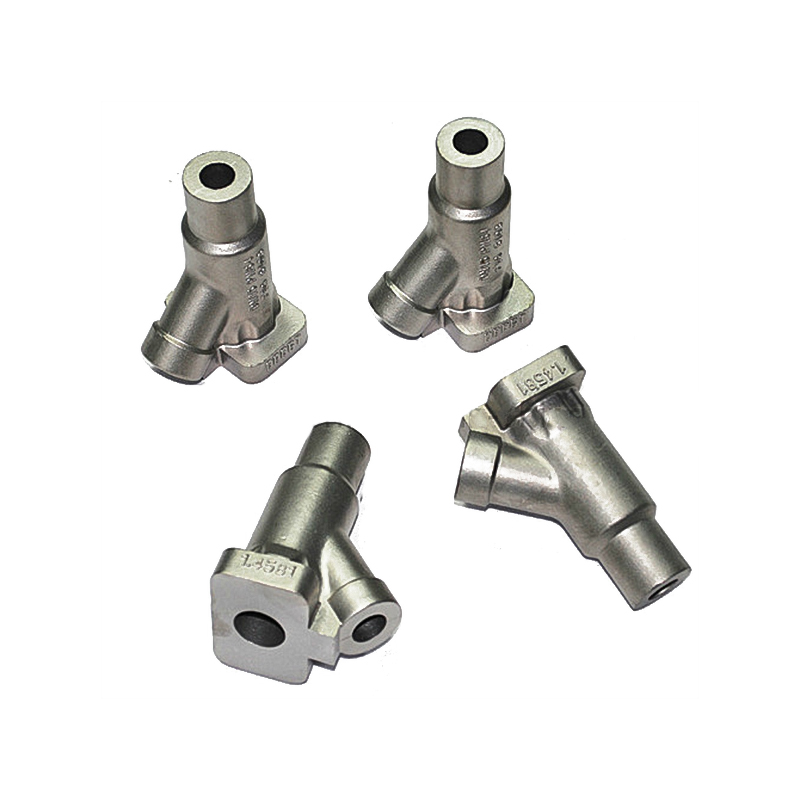
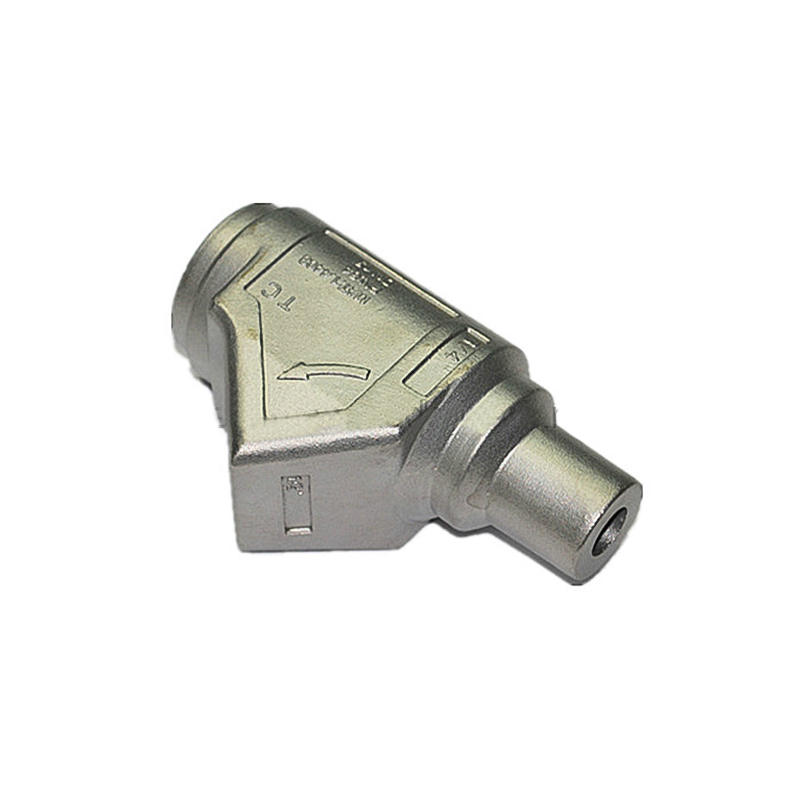
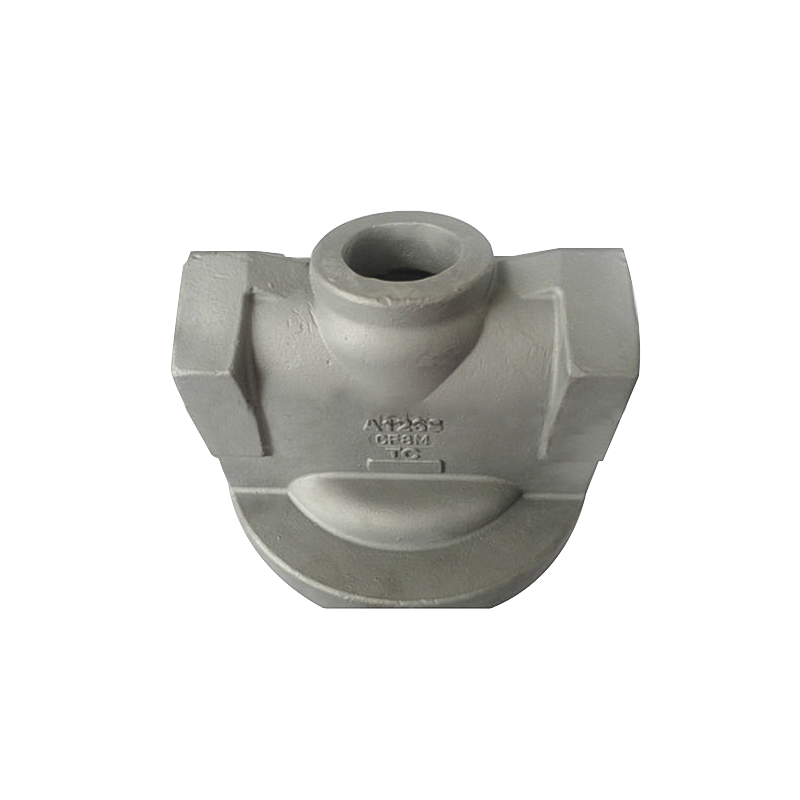
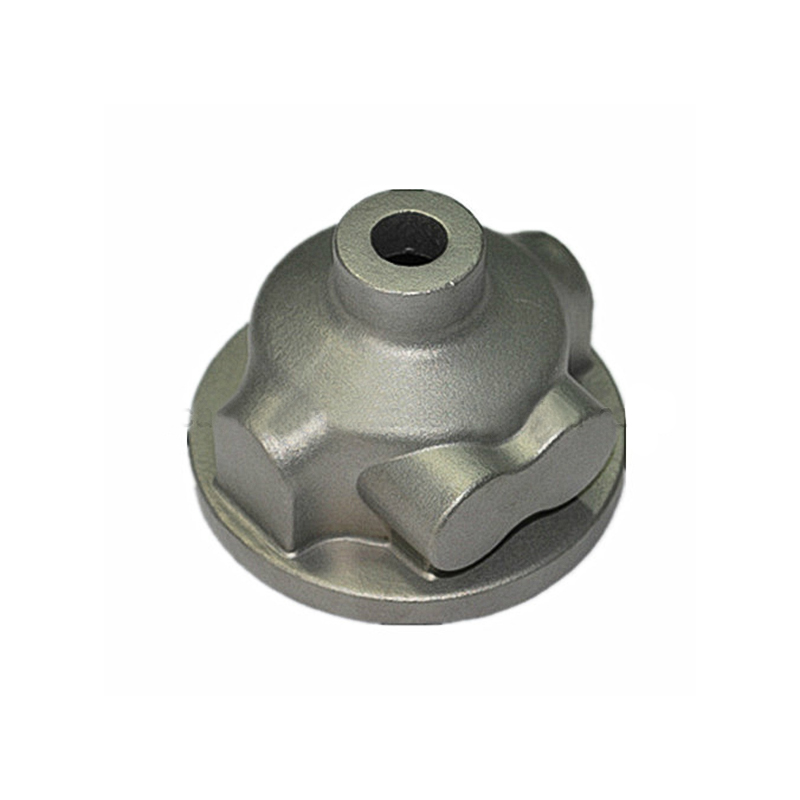
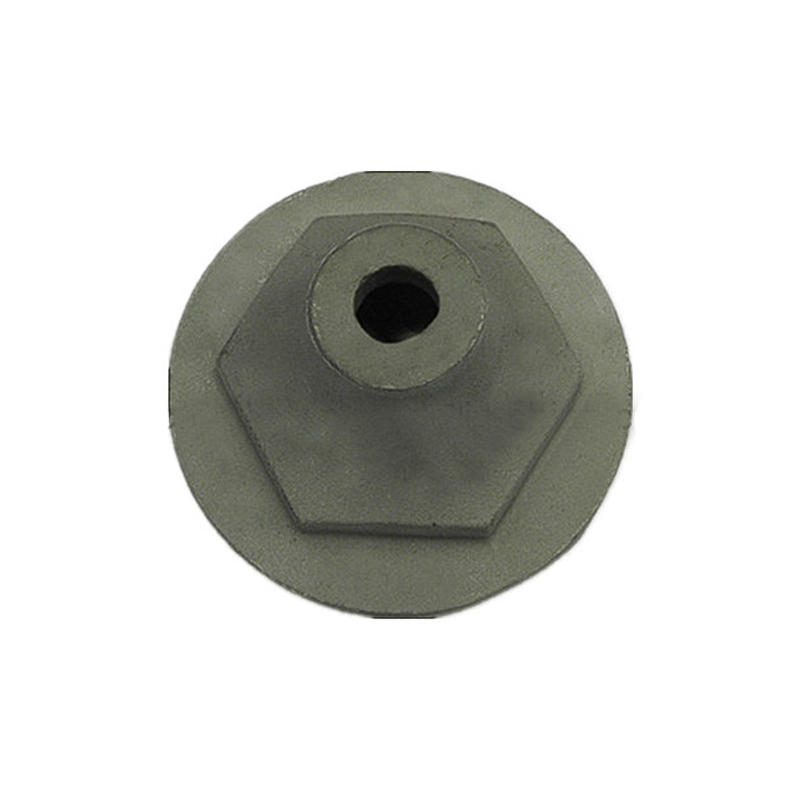
Selected Bearing Display

Contact Information
- Tel:+86-574-88067800/88067900
- Fax:+86-574-88067400
- Phone:+86-13967874638
- E-Mail:master@nbyifei.com
Products Links
Products Links
- Agricultural Machinery Casting Parts
- Auto Casting Parts
- Brass Die Casting Parts
- Casting Bucket Tooth And Accessory
- Container Casting Parts
- Investment Casting Parts
- Machinery Casting Parts
- Mining Machinery Casting Parts
- Railway And Train Casting Parts
- Sand Casting Parts
- Stamping & Forging Parts
- Valve Casting Parts
Contact Us
Copyright ©
Ningbo Hansheng Machinery Parts Co.,Ltd. All Rights Reserved
 Custom Die Castings Manufacturers
