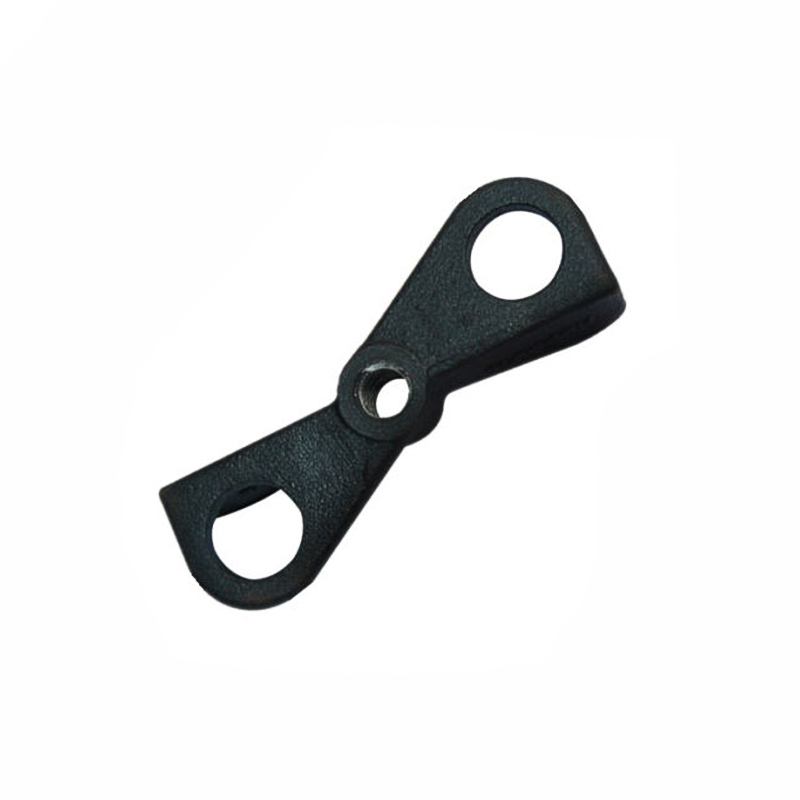
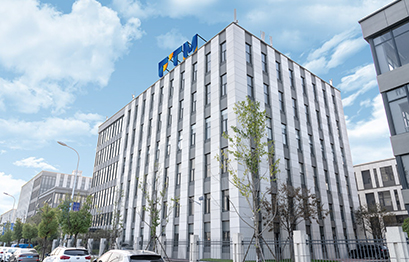
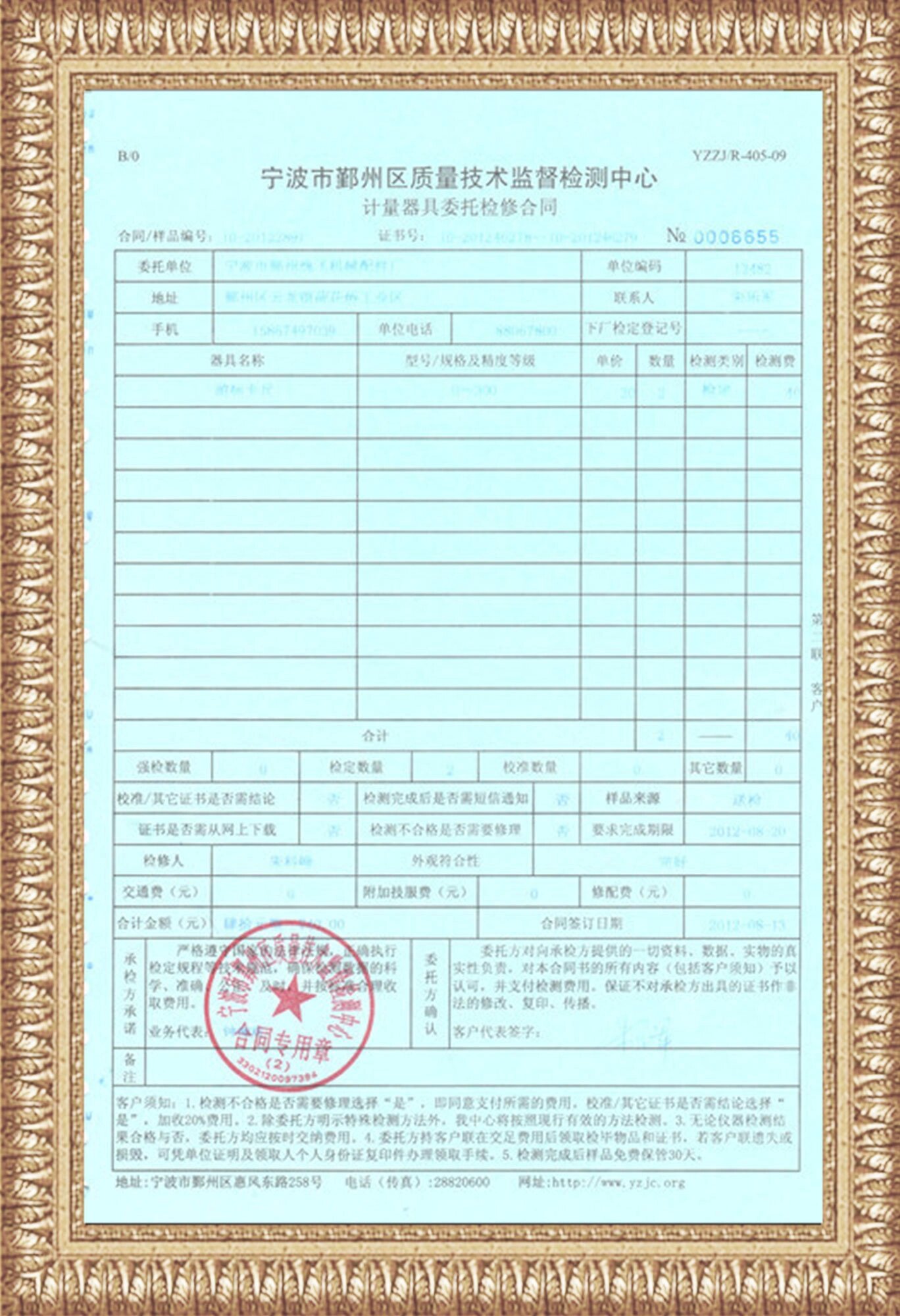
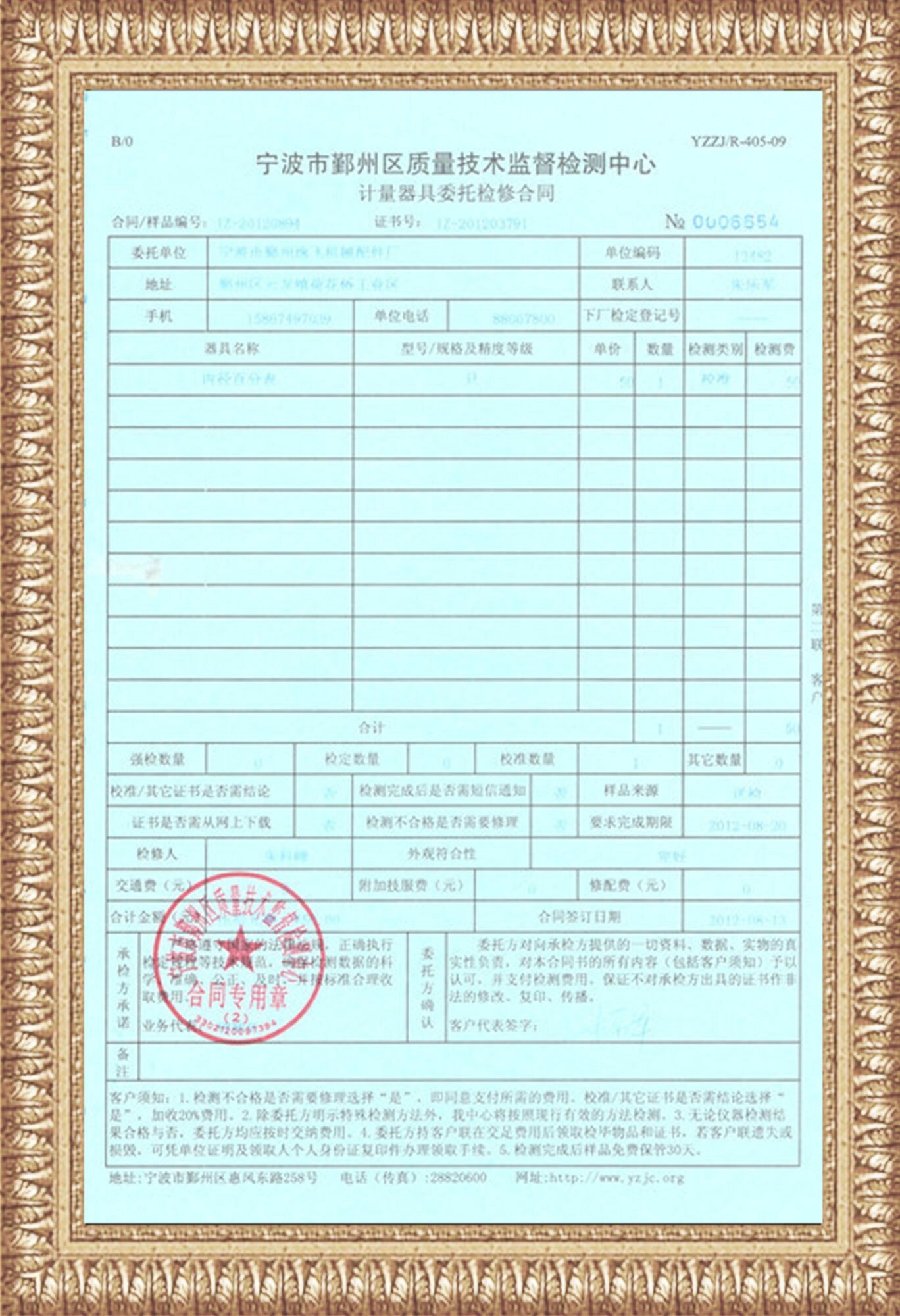
Ningbo Hansheng Machinery Parts Co., Ltd. is a specialized manufacturer of Investment Casting Parts — also known as lost wax or precision castings. We supply custom components in carbon steel, alloy steel, stainless steel, ductile iron, gray iron, high-chromium iron, and high-manganese steel. Our parts serve automotive drivelines, construction machinery, pump and valve assemblies, agricultural equipment, railway systems, and general industrial machinery. With a 5,000 m² factory in Ningbo, China, and an ISO 9001:2000 quality system, we deliver castings that meet dimensional, mechanical, and surface finish requirements for demanding B2B projects.
Our Investment Casting Range
We produce investment castings from a few grams to several kilograms, with wall thicknesses as low as 0.2 mm. The table below summarises the typical material grades, achievable tolerances, and surface finishes we supply.
| Material Group |
Common Grades |
Dimensional Tolerance |
Surface Finish (Ra) |
Typical Applications |
| Carbon Steel |
A36, 1045 |
±0.05 mm |
Ra 3.2–6.3 μm |
Brackets, housings, machine frames |
| Alloy Steel |
42CrMo, 16Mn |
±0.05 mm |
Ra 3.2–6.3 μm |
Gears, shafts, high-load connectors |
| Stainless Steel |
304, 316, 17-4PH |
±0.05 mm |
Ra 3.2–6.3 μm |
Valve bodies, pump impellers, food-grade parts |
| Ductile / Gray Iron |
QT400, HT250 |
±0.10 mm |
Ra 6.3 μm |
Brake components, hydraulic manifolds |
| High-Chromium / High-Mn Steel |
Cr26, Mn13 |
±0.10 mm |
Ra 6.3 μm |
Wear plates, crusher liners, bucket teeth |
Process and Application Fit
Investment casting uses a wax pattern coated with refractory ceramic to form a precise mold. After the wax is removed, molten metal is poured into the cavity. This method allows us to produce complex geometries — internal passages, undercuts, thin walls — that would be difficult or expensive to machine. Typical parts we supply include:
- Connectors and fittings for hydraulic, pneumatic, and structural assemblies
- Equipment parts such as brackets, levers, and housings for construction and agricultural machinery
- Railway components including brake system parts and coupling elements
- Valve and pump components — bodies, impellers, and trim parts
- Automotive drivetrain and chassis parts requiring high strength and fatigue resistance
Critical Specifications and Quality Assurance
We control the process from wax injection through finishing. Key quality checks include:
- Chemical composition verification of each heat
- Dimensional inspection using CMM and go/no-go gauges
- Surface finish measurement per ISO 1302
- Non-destructive testing — ultrasonic and X-ray — for internal soundness
- Mechanical testing (tensile, hardness) on representative samples
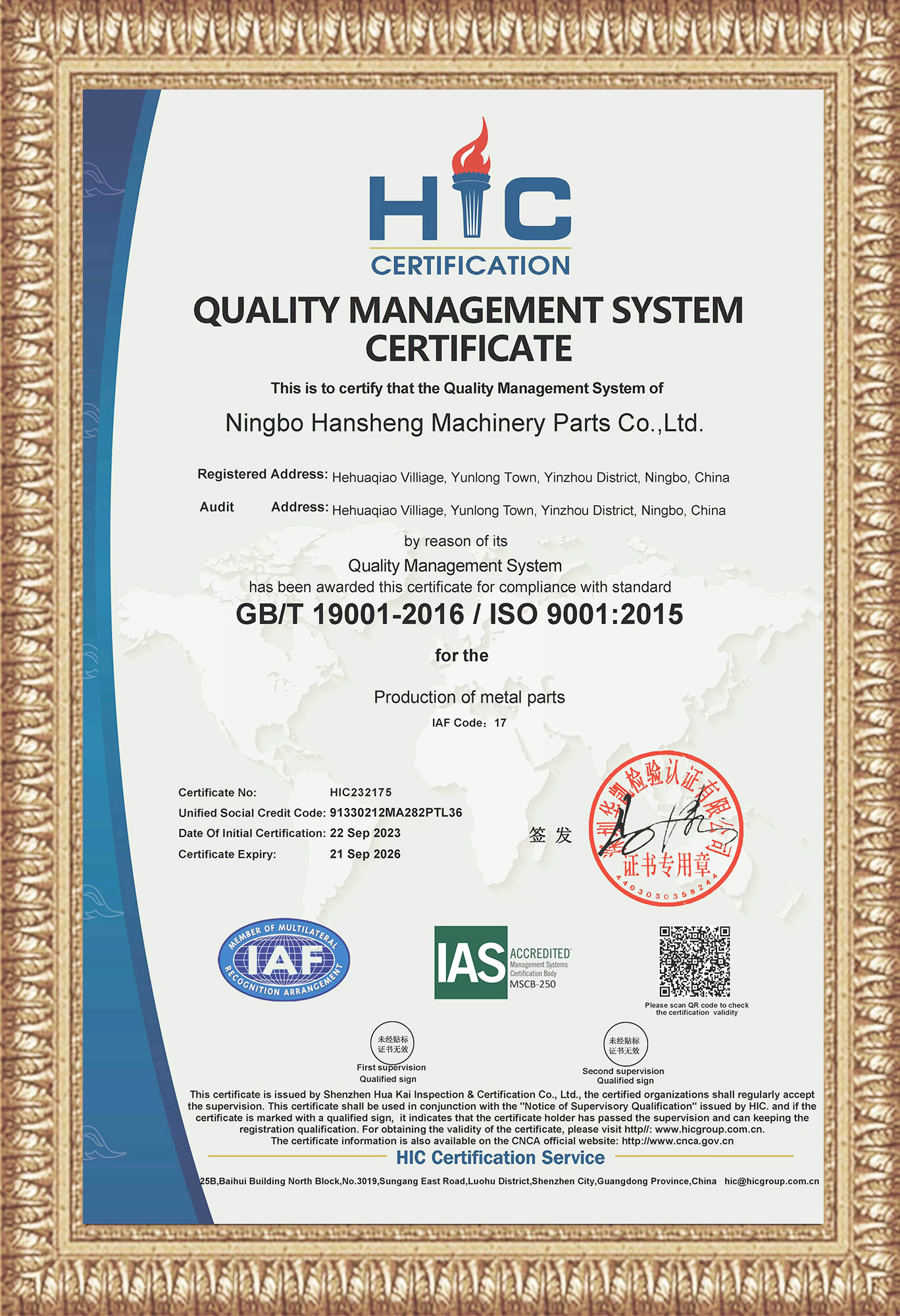
Our quality system is certified to ISO 9001:2000, and all castings are traceable to raw material lots. We also offer post-cast machining, heat treatment, and surface finishing (sandblasting, polishing, plating, powder coating) as integrated services.
Configuration and Customization
Every project begins with your drawing or sample. We accept 2D (PDF, DWG, DXF) and 3D (IGS, STP, X_T, SLDPRT, STEP) formats. Our engineers review the design for castability, suggest modifications if needed, and prepare tooling accordingly. We support:
- Rapid prototyping via 3D-printed patterns for design validation
- Low-cost tooling for short runs; durable steel dies for high-volume production
- In-house CNC machining for critical features after casting
- Custom surface treatments: passivation, ED coating, chromate, galvanizing
Automation Integration and Installation
Our castings are designed to interface directly with automated assembly lines, robotic welding cells, and press-fit stations. We can supply parts with datum features, machined locating surfaces, and consistent dimensional envelopes to support automated handling. For installation, we provide assembly drawings and, if required, on-site technical support through our engineering team.
Maintenance and Serviceability
Investment cast parts offer consistent material properties and predictable wear patterns, simplifying maintenance planning. We maintain records of material certifications and dimensional reports for each production lot. Spare parts can be reordered based on the original drawing number; typical lead time for repeat orders is 3–4 weeks after tooling availability.
Information We Use to Configure Your Solution
To prepare a proposal and quotation, we need:
- 2D or 3D drawing with dimensions, tolerances, and surface finish requirements
- Material specification (grade, hardness, or equivalent standard)
- Annual or per-order quantity (piece volume affects tooling and unit cost)
- Desired post-cast operations (machining, heat treatment, surface coating)
- Application environment (temperature, pressure, corrosive media) for material selection
- Any regulatory or certification requirements (e.g., EN 10204 3.1, ASTM)
- Target delivery schedule and packaging preferences
Frequently Asked Questions
What is the typical lead time for investment casting tooling?
Tooling fabrication usually takes 3–5 weeks depending on complexity. Once tooling is approved, production lead time is 3–4 weeks for standard quantities.
Can you cast parts with internal threads or undercuts?
Yes. Internal threads and undercuts can be cast-in using soluble wax cores or machined after casting. We evaluate each geometry during the design review.
What is the minimum order quantity for investment castings?
We accept both low-volume prototypes (50–200 pieces) and high-volume production runs (thousands per month). Tooling cost is amortised over the order quantity.
Do you provide material certifications and inspection reports?
Yes. We supply mill test certificates, dimensional inspection reports, and NDT results as part of the standard documentation package.
How do you ensure repeatability across production batches?
We control wax injection parameters, shell building, and pouring conditions. First-article inspection is performed on each new batch, and statistical process control is applied for critical dimensions.



 English
 Deutsch
 简体中文